
NEWS

Home / Blog / Industry News / What is Bamboo Fiber Fabric: Properties, Manufacturing Methods, and Origins

What is Bamboo Fiber Fabric: Properties, Manufacturing Methods, and Origins

2026-02-06

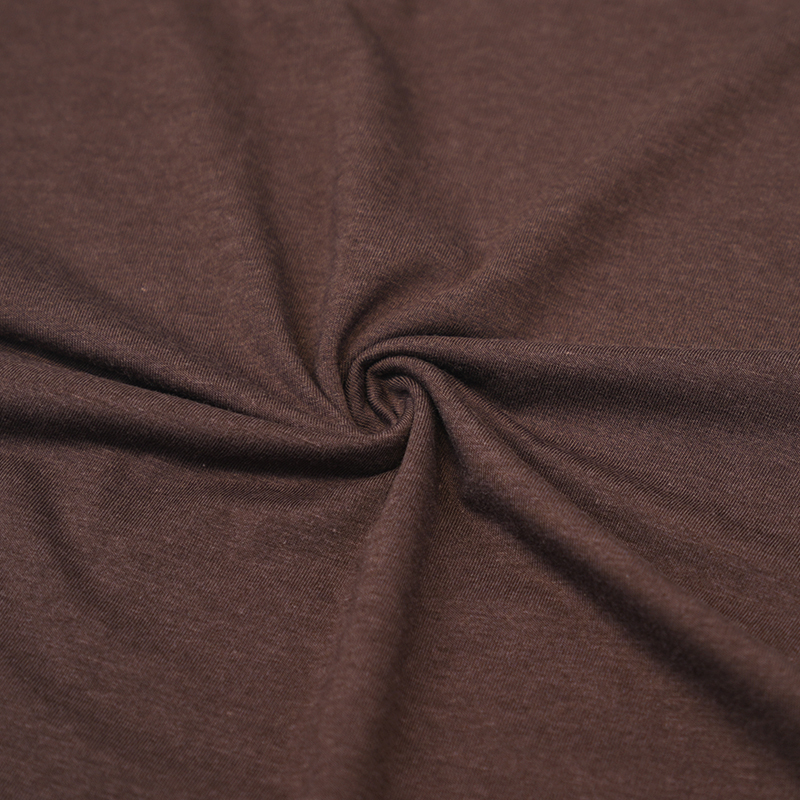
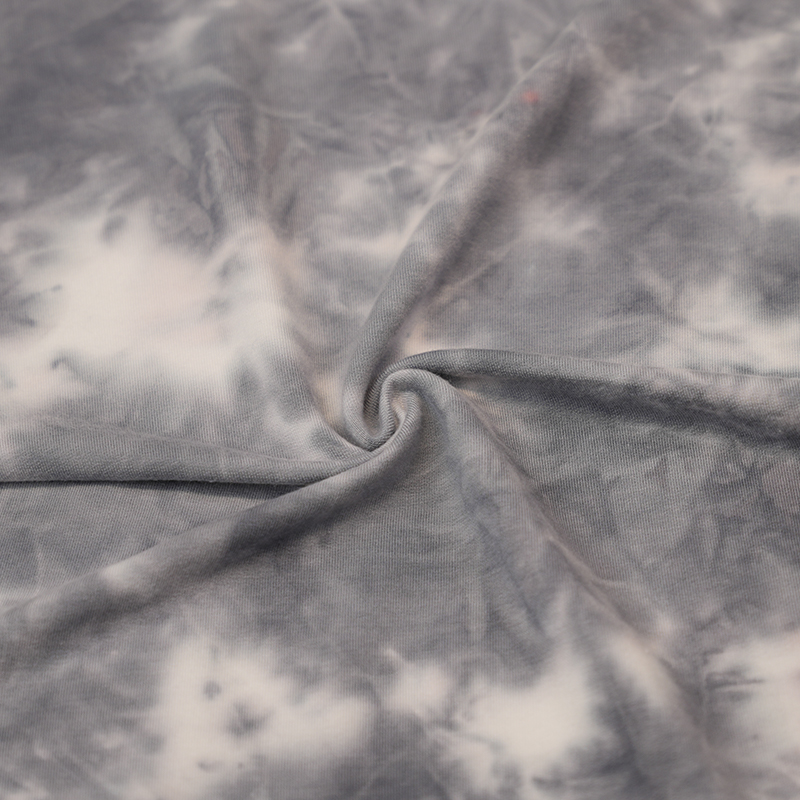
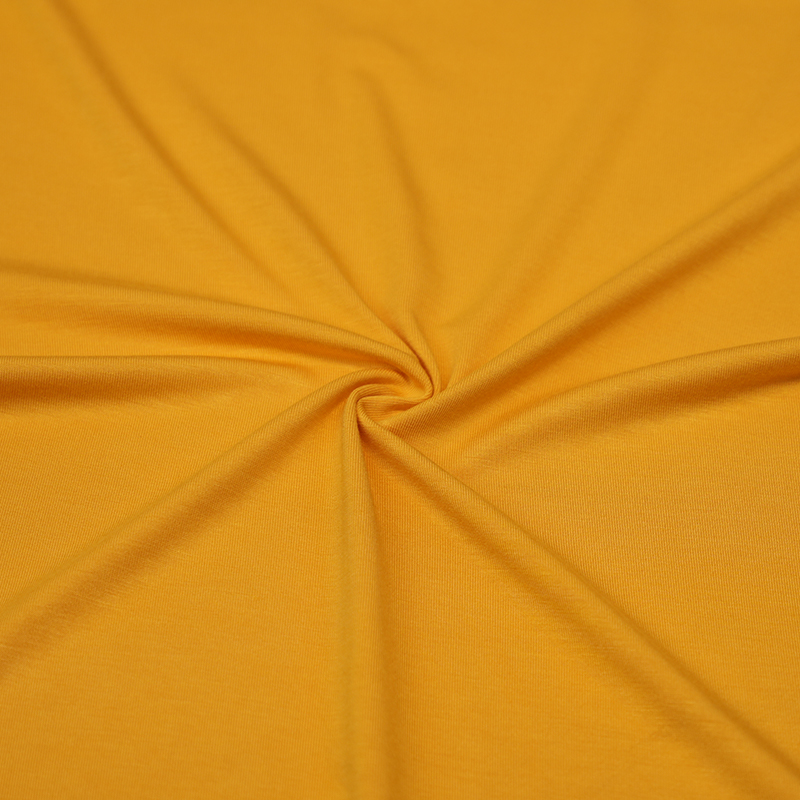
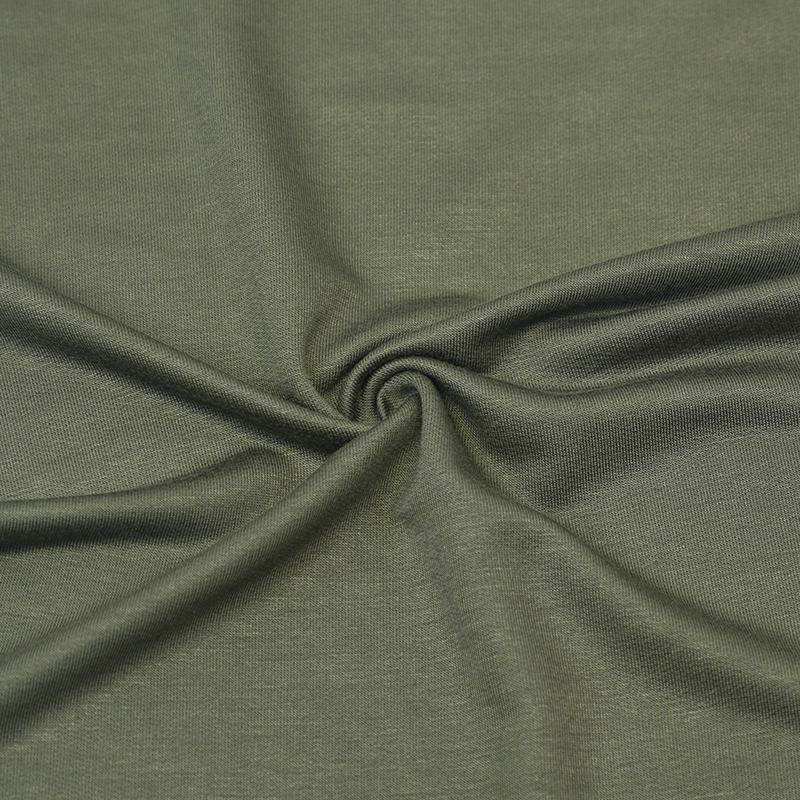
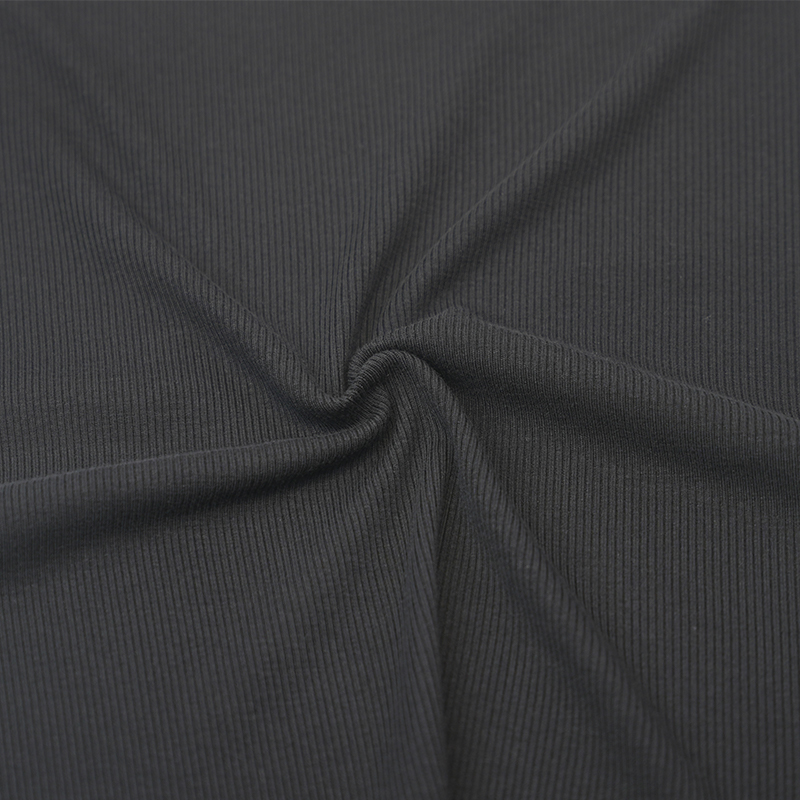
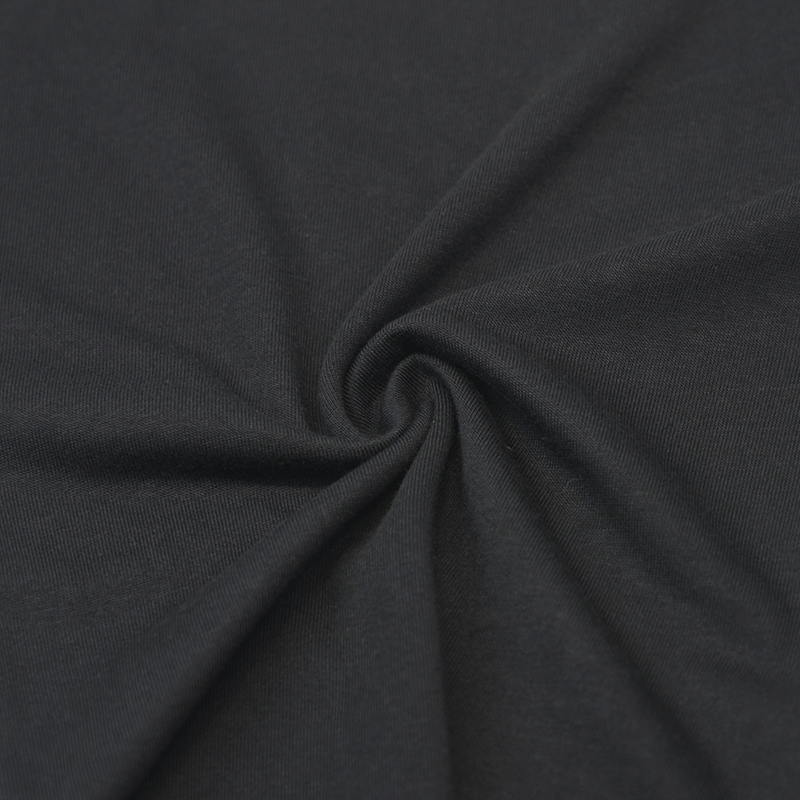
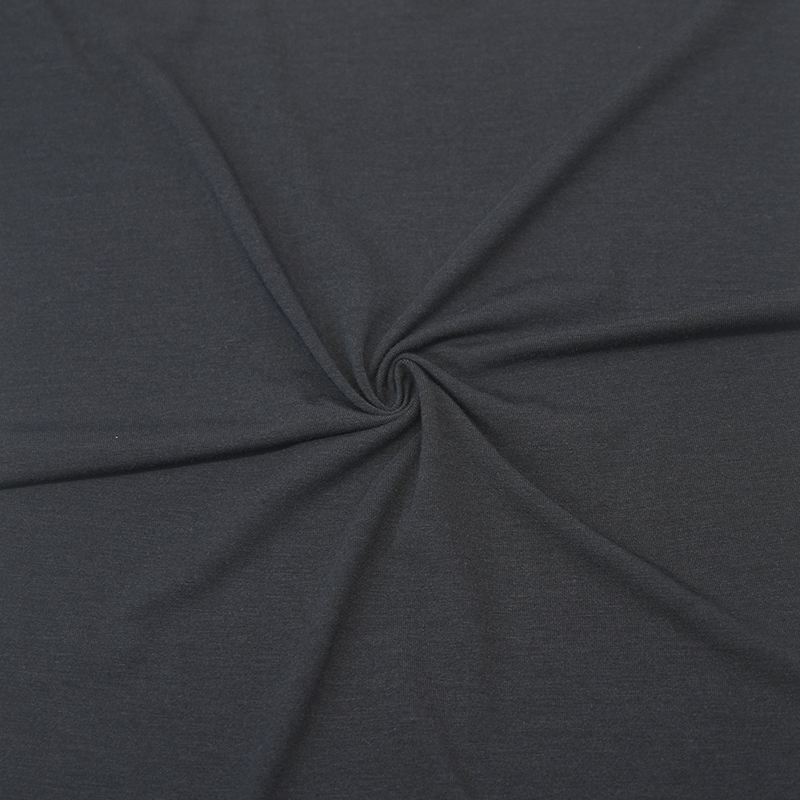
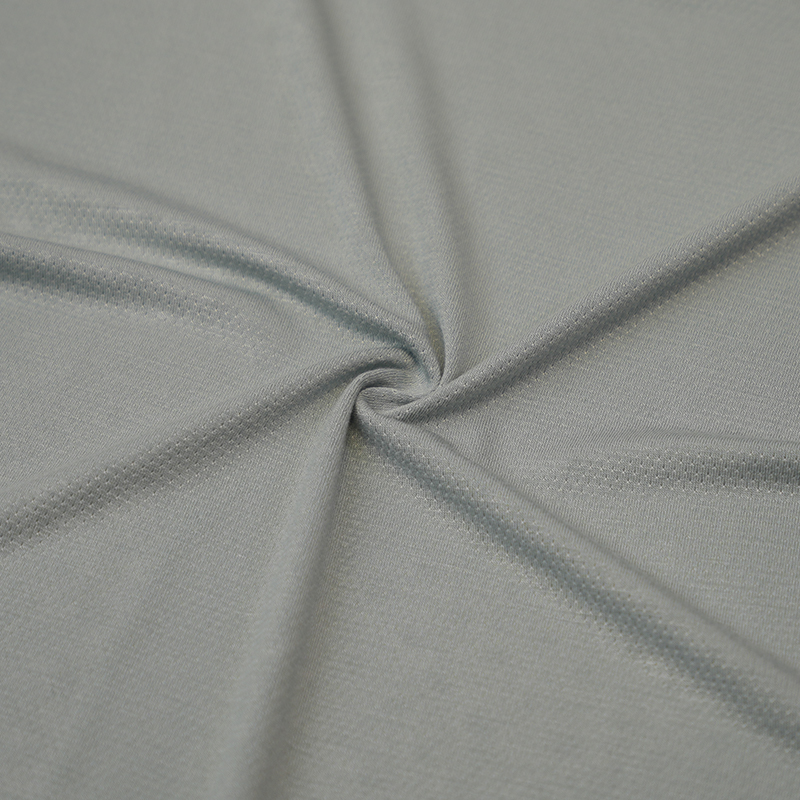
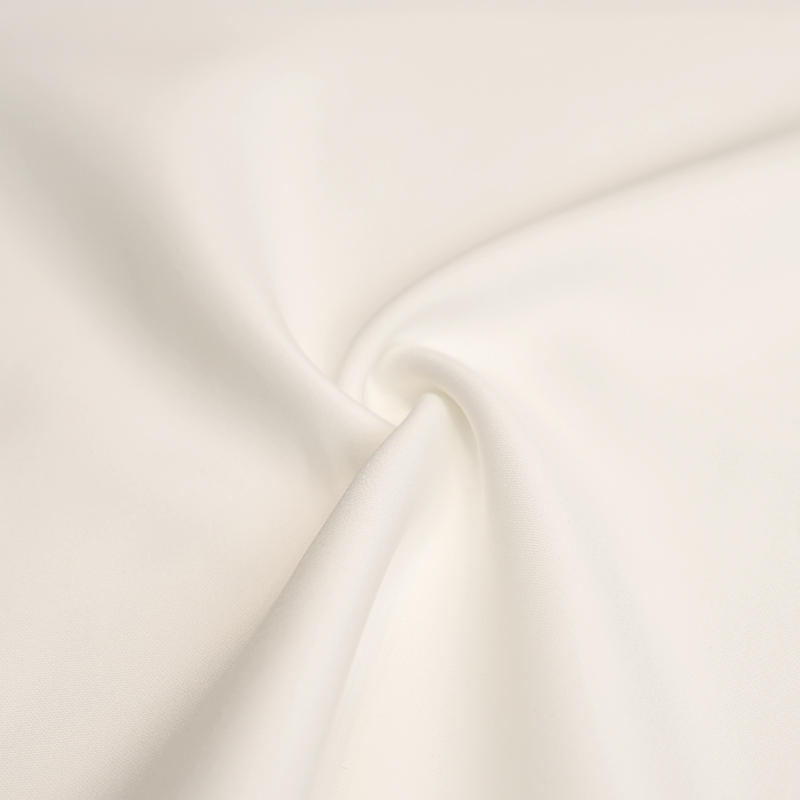
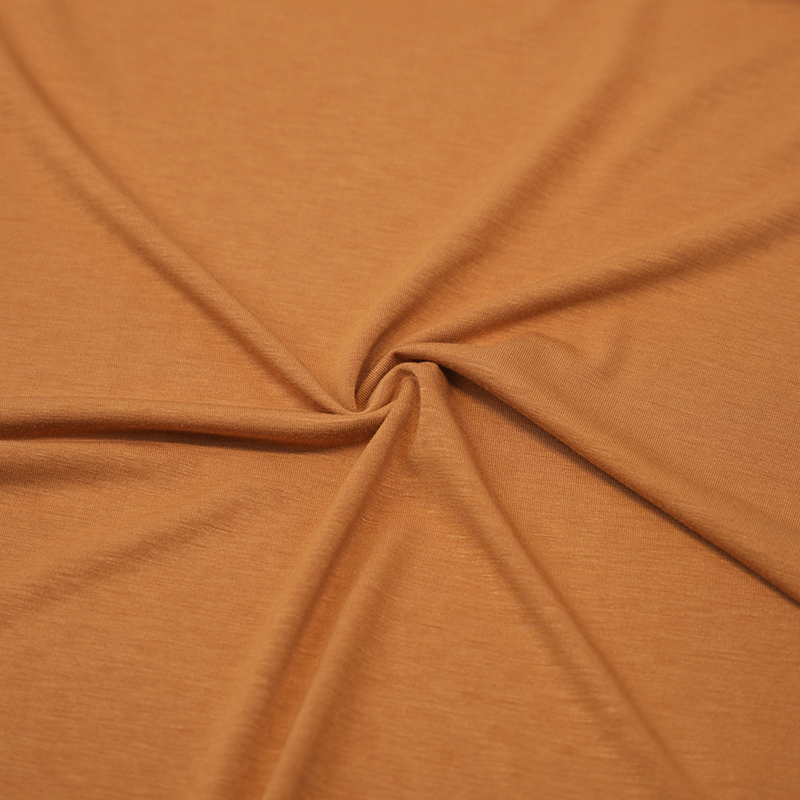
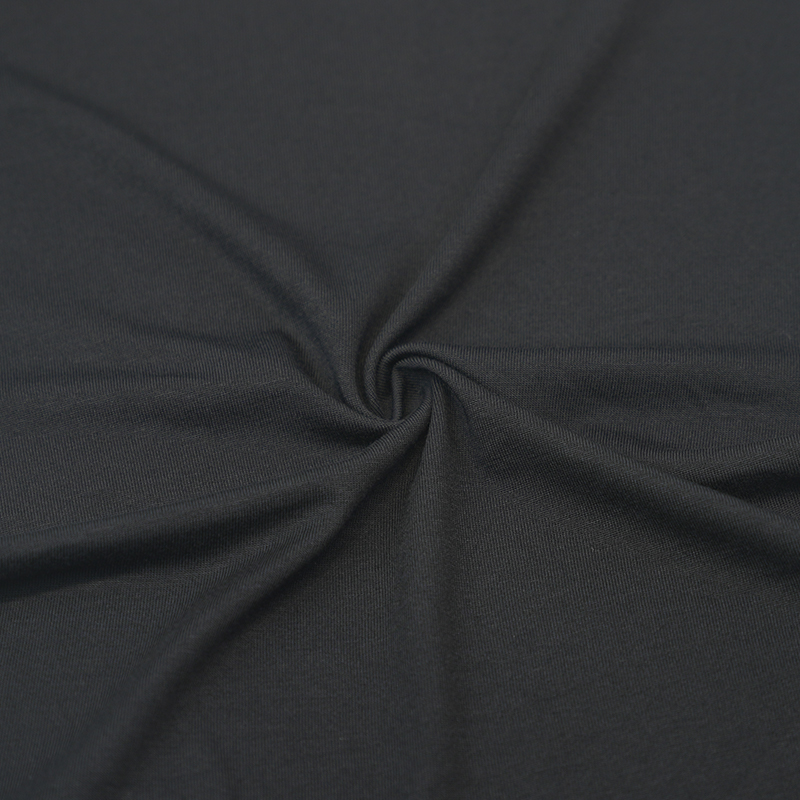
Bamboo Fiber Fabric is a type of regenerated cellulose fiber fabric made from natural bamboo through a special process. As a highly regarded "green fabric" in recent years, it not only possesses excellent breathability and skin-friendly properties but also finds widespread application in clothing, home textiles, and medical supplies due to its natural antibacterial properties.

Core Properties of Bamboo Fiber Fabric

The reason bamboo fiber fabric stands out in the textile market is mainly due to its unique physical and chemical properties:
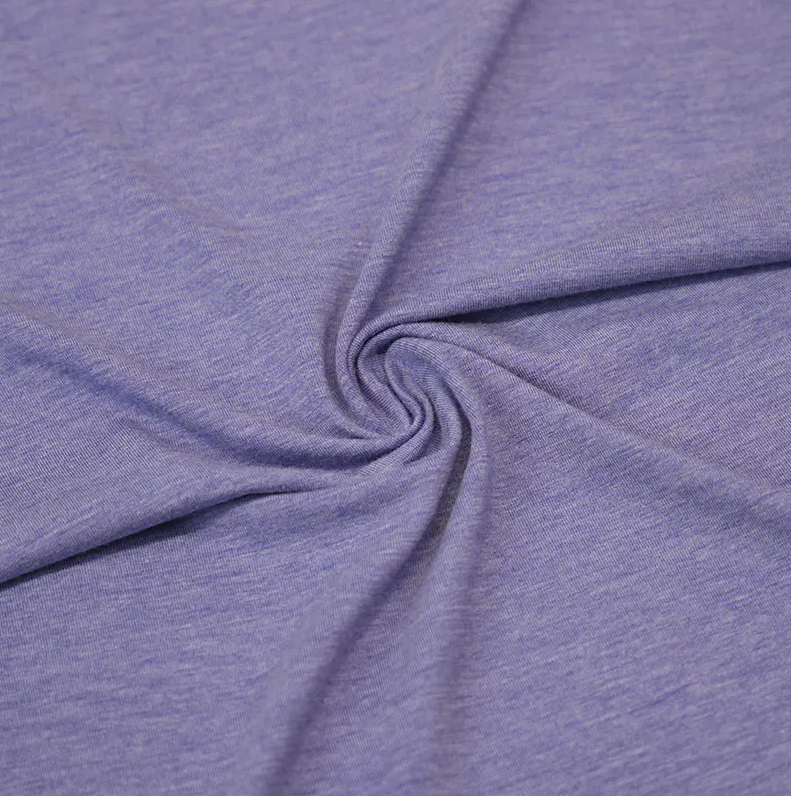
  • Natural Antibacterial Properties: Bamboo contains a substance called "bamboo kun," which gives the fabric natural anti-mite, anti-odor, and antibacterial functions, even after multiple washes.
  • Moisture Absorption and Breathability: Under a microscope, the cross-section of this fiber is filled with oval pores, making its moisture absorption and breathability far superior to cotton fibers, earning it the title of "breathing fiber."
  • Soft and Silky: Its texture is similar to silk, with a soft feel and good drape, making it ideal for close-fitting garments.
  • Environmentally Friendly: Bamboo has a short growth cycle, requires no pesticides, and is naturally biodegradable in the soil, making it an ideal raw material for a circular economy.

Manufacturing Methods of Bamboo Fiber Fabric

Currently, the mainstream manufacturing processes for bamboo fiber fabric on the market are mainly divided into two categories:

1. Mechanical Physical Method (Bamboo Original Fiber)

This is a completely environmentally friendly extraction method. Lignin in the bamboo is broken down through mechanical pressure and natural enzymes, directly extracting the natural fibers. Fabrics produced by this method have good toughness, but the process is complex, the yield is low, and the feel is relatively harder.

2. Chemical Processing Method (Bamboo Pulp Fiber)

This is the most widely used process, similar to the manufacturing of viscose fiber:

  • Bamboo chips are crushed into pulp.
  • Chemical additives are used to produce bamboo pulp.
  • Fibers are produced through a wet spinning process. Bamboo fiber fabric made by this process has an excellent feel, smooth and silky, and is the main component of most underwear and bedding on the market.

Origin and Distribution of Bamboo Fiber

The quality of bamboo fiber fabric is closely related to the geographical environment of the raw materials.

  • China: As the "Kingdom of Bamboo," China is the world's most important supplier of bamboo fiber raw materials. Particularly in southern provinces such as Sichuan, Zhejiang, and Fujian, vast bamboo forests provide over 80% of the world's bamboo pulp resources for the textile industry.
  • Neighboring Asian countries: Southeast Asian countries such as Vietnam and India also utilize their favorable climate to produce some bamboo fiber, but in terms of the maturity of the industrial chain and fiber extraction technology, China still holds a dominant position.

Purchasing Advice

When purchasing bamboo fiber fabric products, it is recommended to check the care label. Pure bamboo fiber is extremely absorbent, so it may feel slightly stiff when dry. Fabrics blended with a small amount of cotton or spandex offer a better balance of durability and elasticity.

When washing bamboo fiber products, the water temperature should not be too high, and forceful wringing should be avoided to maintain the original structure and luster of the fibers.

Nantong Tianhong Textile Technology Co., Ltd.
The antibacterial properties of organic bamboo textile fabric stem from the natural substances contained within bamboo fibers, primarily bamboo alcohol. Bamboo alcohol possesses effective antibacterial, bacteriostatic, and deodorizing effects, effectively inhibiting the growth and reproduction of bacteria, fungi, and mold, reducing the generation of odors and maintaining the cleanliness and hygiene of the fabric.

Contact Us for More Details

Don't hesitate to contact when you need us!

  • Brand owner
  • Traders
  • Fabric wholesaler
  • Clothing factory
  • Others
Submit