Language

2026-05-22
Content
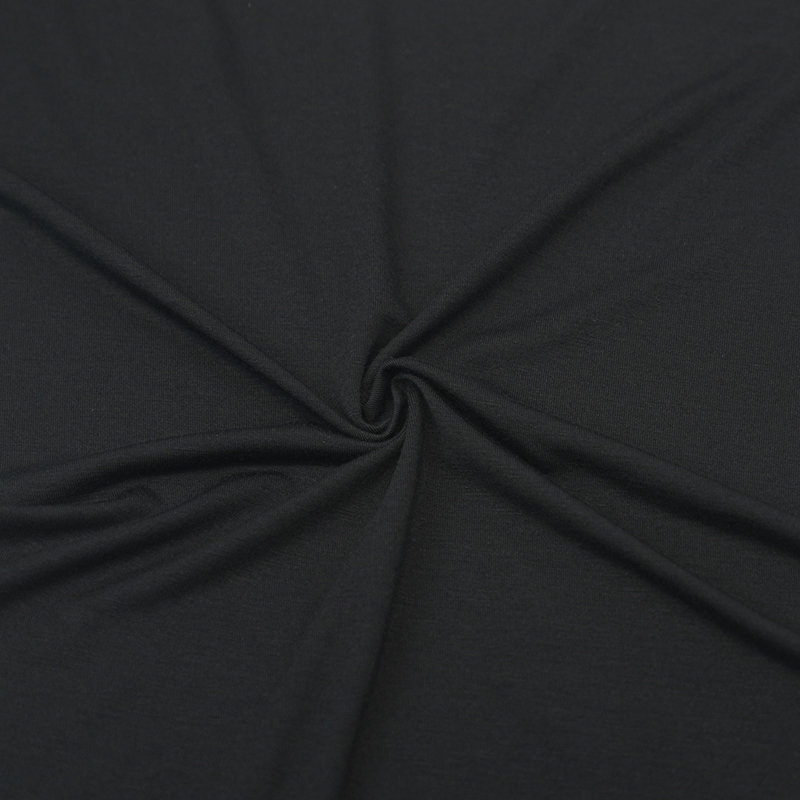
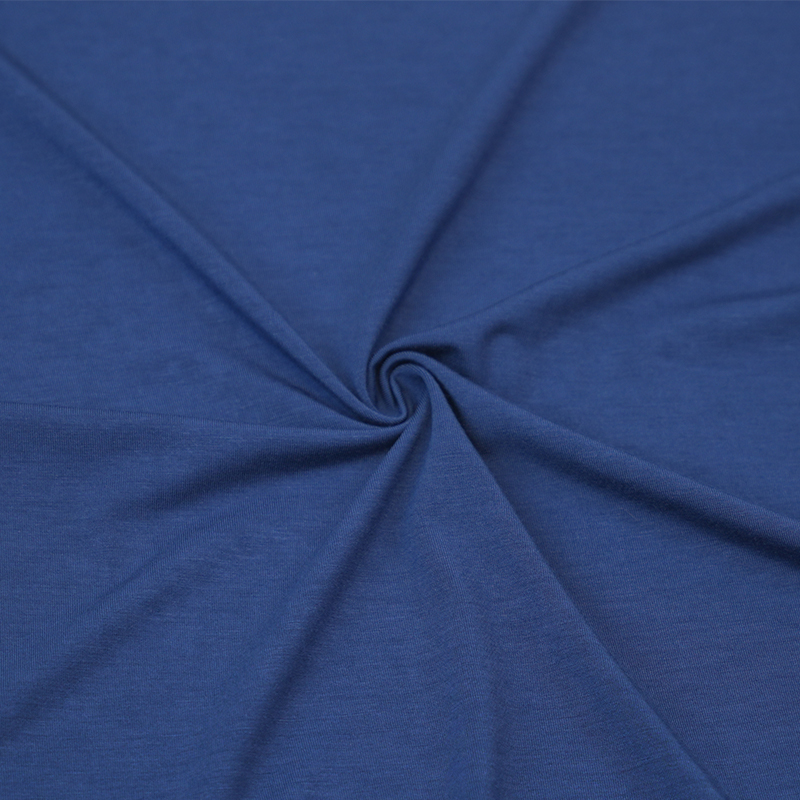
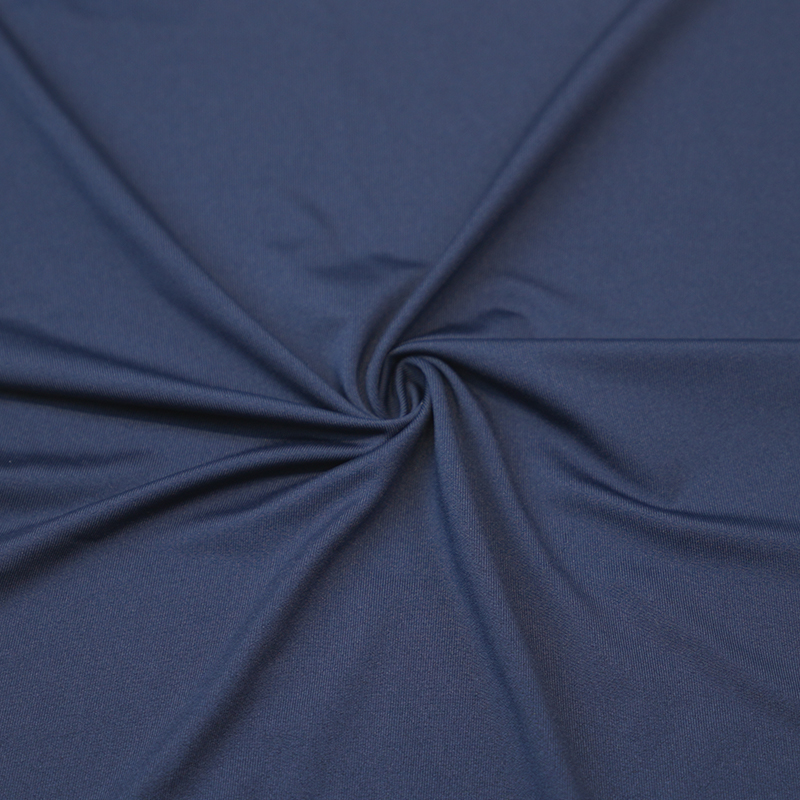
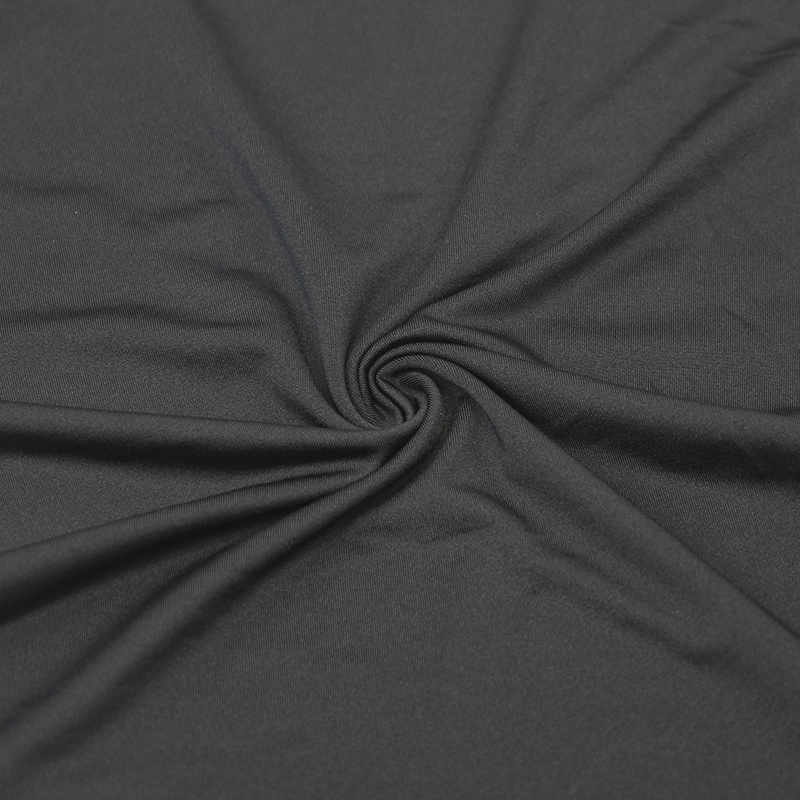
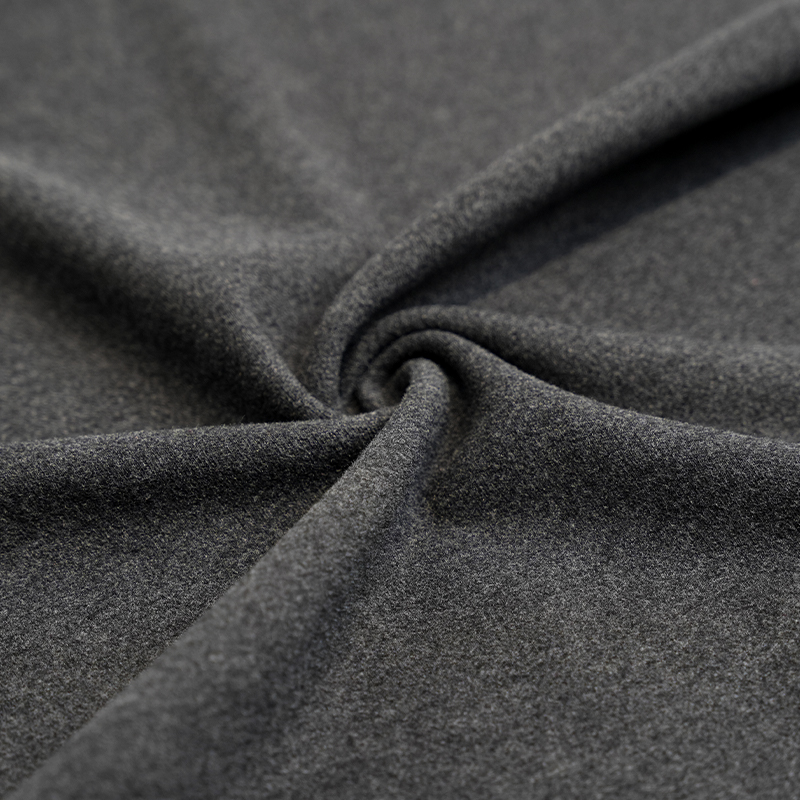
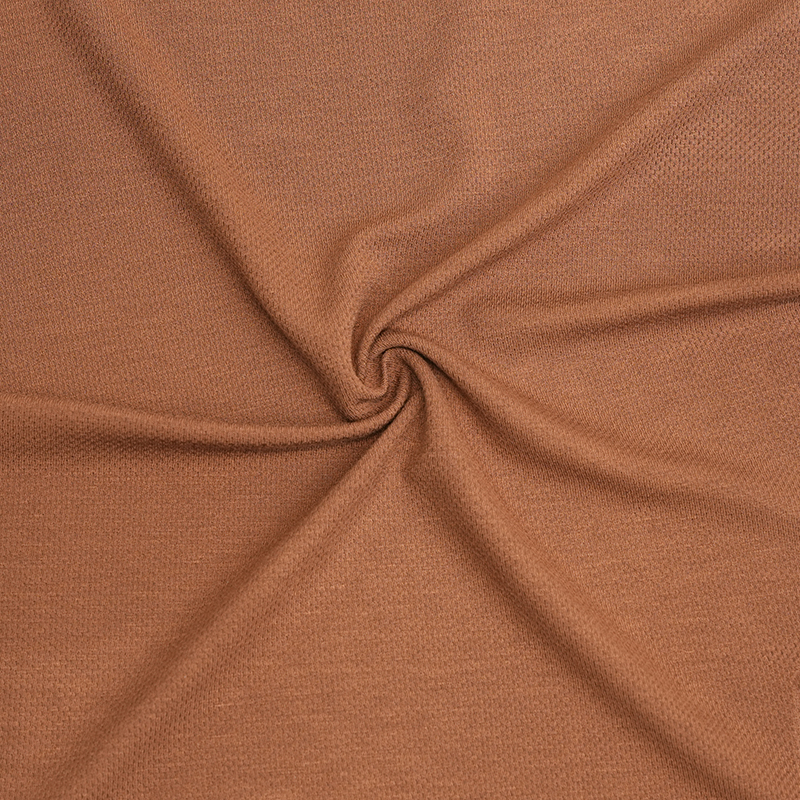
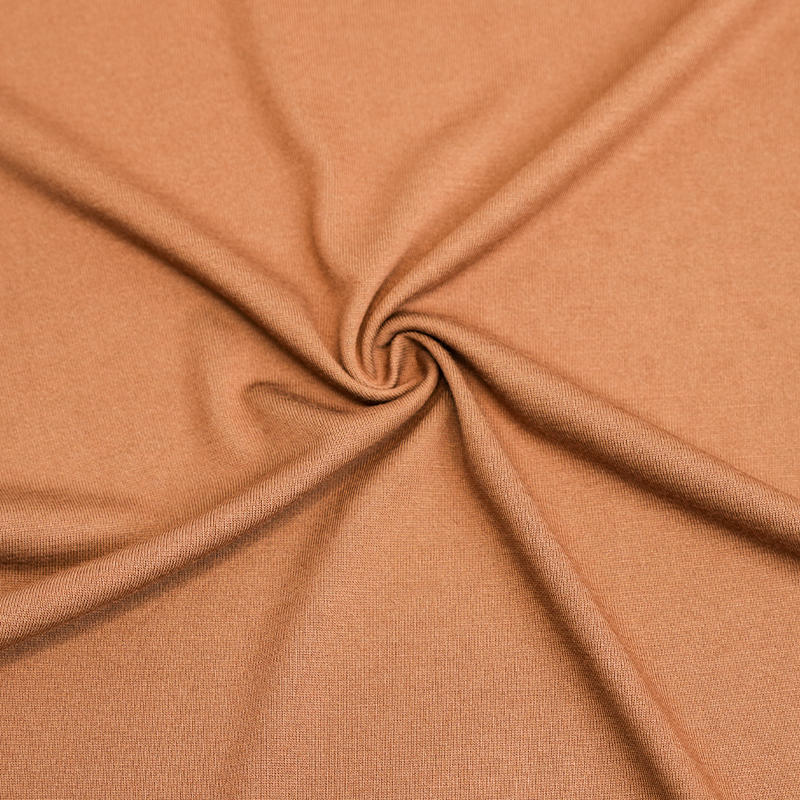
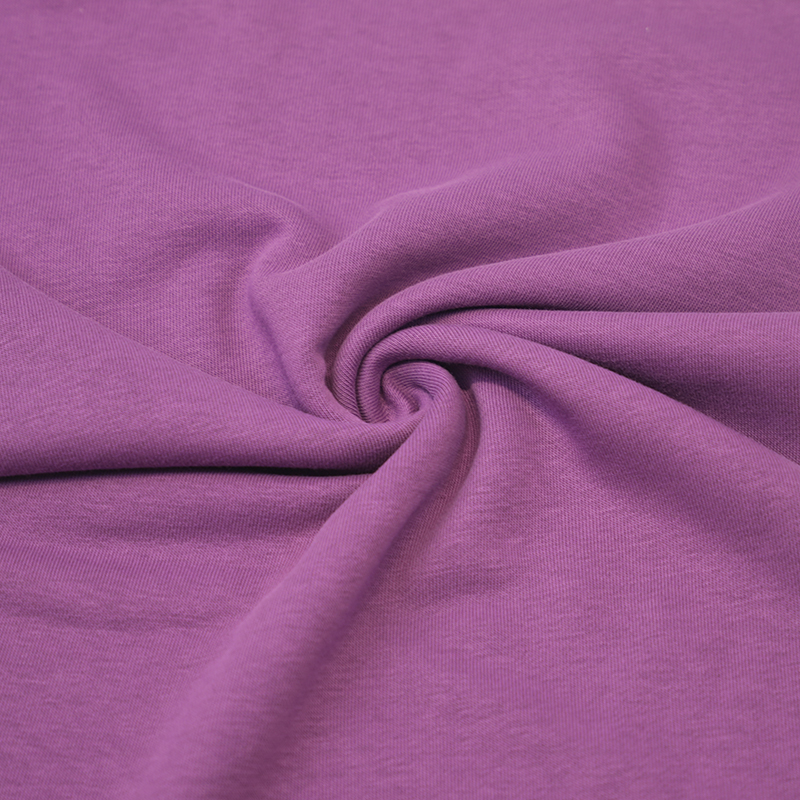
Bamboo viscose is a semi-synthetic regenerated cellulose fiber produced by chemically dissolving bamboo pulp and re-extruding it into textile-grade filaments. The result is a soft, drapey, and breathable fabric widely used in apparel, underwear, sleepwear, and home textiles. It is also referred to as bamboo rayon or viscose derived from bamboo, and the two terms describe the same product made through the same manufacturing process.
Despite being labeled with the word bamboo, bamboo viscose is not a fiber taken directly from the bamboo plant. It is a chemically regenerated cellulose fiber, meaning that the cellulose extracted from bamboo is broken down entirely into a liquid state and then re-formed into new fiber through industrial processing. The bamboo plant provides the raw cellulose feedstock, but the resulting fiber is structurally a new material whose performance properties come from both its cellulosic origin and the geometry created during the spinning process.
In many markets, including the United States, regulators such as the Federal Trade Commission (FTC) require that products made from this fiber be labeled as "viscose from bamboo" or "rayon from bamboo" rather than simply "bamboo," precisely because the processing is chemical in nature and the final fiber shares little physical structure with the original plant material.
The production of bamboo viscose follows the viscose process, a chemical manufacturing method developed in the late 19th century. The sequence of steps is well-documented and involves the following stages:
The chemicals involved, particularly carbon disulfide and sodium hydroxide, are potent industrial reagents. Responsible manufacturers manage these chemicals in closed-loop or partially closed systems to minimize emissions and wastewater discharge. Third-party certifications such as OEKO-TEX Standard 100 verify that the finished fiber contains no harmful residues that could affect the end user.
The properties of bamboo viscose derive from two sources: the cellulosic chemistry inherited from the bamboo feedstock, and the fine, smooth filament geometry created during the spinning process. Together, they produce a fabric with a distinctive performance profile.
Bamboo viscose filaments have a smooth, near-cylindrical cross-section with very few surface irregularities. Under magnification, the fiber surface appears substantially smoother than cotton, which has a twisted, ribbon-like structure. This smooth surface is the primary reason bamboo viscose garments are frequently compared in feel to silk. The fabric drapes well and moves with the body, which is why it is a preferred material for underwear, camisoles, and sleepwear where skin contact is continuous and comfort is the primary requirement.
Bamboo viscose is highly hygroscopic. Its moisture regain rate, which measures how much moisture a fiber absorbs from the surrounding air relative to its dry weight, is approximately 11 to 13 percent. Cotton, by comparison, has a moisture regain of 6 to 9 percent under standard conditions. This higher moisture affinity means bamboo viscose absorbs perspiration more readily and releases it back into the air more efficiently, keeping the skin feeling drier during wear.
The fiber's fine diameter and the micro-capillary structure present in the spun yarn also contribute to rapid moisture transport through the fabric, which enhances the cooling sensation wearers often associate with bamboo viscose garments in warm conditions.
Bamboo viscose allows air and water vapor to pass through the fabric efficiently. Its higher moisture release rate means heat carried by perspiration is dissipated more quickly, which contributes to a cooler-feeling surface against the skin. This property is particularly valued in warm climates, active lifestyles, and sleepwear, where temperature regulation throughout the night affects sleep quality.
Bamboo viscose accepts dye with high uniformity due to the even, consistent structure of its regenerated cellulose fibers. Published textile research notes that bamboo viscose requires less dye than cotton to achieve equivalent shade depth, while producing richer, more even color. This reduces dye consumption per kilogram of fabric produced, which has both cost and environmental implications for dyeing operations.
As a cellulose-based fiber, bamboo viscose is fully biodegradable under aerobic composting conditions. It breaks down through microbial action, leaving no persistent synthetic residue in the environment. This distinguishes it clearly from polyester, nylon, and other petroleum-derived synthetic fibers, which persist in landfill and aquatic environments for decades or longer.
| Property | Bamboo Viscose | Cotton |
| Fiber type | Regenerated cellulose (semi-synthetic) | Cellulose (plant-derived) |
| Moisture regain | 11 to 13% | 6 to 9% |
| Surface texture | Smooth, cylindrical cross-section | Twisted, ribbon-like cross-section |
| Handfeel | Silky, smooth, soft drape | Soft, familiar, improves with washing |
| Production method | Chemical viscose process | Ginning, carding, spinning |
| Biodegradability | Yes, fully biodegradable | Yes, fully biodegradable |
| Dye efficiency | Requires less dye for same depth | Standard dye consumption |
| Wet strength | Reduced when wet; handle with care | Increases slightly when wet |
The combination of softness, moisture management, and drape makes bamboo viscose well-suited to garment categories where skin comfort is the primary performance requirement. Common applications include:
The sustainability profile of bamboo viscose is more nuanced than marketing language often implies. The bamboo plant itself grows rapidly, requires no pesticides under typical cultivation conditions, and does not need replanting after harvest. When sourced from certified organic bamboo, such as viscose derived from organically grown bamboo under OCS (Organic Content Standard) certification, the agricultural stage of the supply chain meets verified organic farming requirements.
The chemical processing stage is more complex. The viscose process consumes significant quantities of sodium hydroxide, carbon disulfide, and sulfuric acid. If these chemicals are not managed responsibly, they can contribute to air and water pollution at the manufacturing facility. Closed-loop or partial closed-loop production systems recover and recycle processing chemicals, substantially reducing their environmental release. Certification under OEKO-TEX Standard 100 confirms that finished bamboo viscose fabric contains no harmful residual chemicals at levels that would affect human health, and is a meaningful indicator of responsible production for consumers and brands.
For sourcing decisions, the most meaningful approach is to look beyond the raw material and evaluate the full supply chain: where the bamboo was grown, whether organic certification covers the agricultural stage, and whether the fiber processing facility operates under credible environmental and safety standards.
Bamboo viscose, like other viscose fibers, loses a portion of its tensile strength when wet. This means it requires gentler handling than cotton during washing. General care guidance:
Bamboo viscose is increasingly used as a foundation fiber in engineered fabric blends that target specific performance requirements. By combining bamboo viscose with other cellulosic or natural fibers in defined ratios, manufacturers can tune the resulting fabric for softness, stretch, weight, and moisture performance simultaneously. This is the approach behind the BAMSILK™ fabric line, which uses bamboo viscose derived from organically grown bamboo as a core material in the development of high-performance, certifiable fabrics for underwear and next-to-skin garment applications. The goal is to deliver the comfort properties that bamboo viscose is known for within a traceable, certified supply chain that meets the requirements of responsible global sourcing.
As demand for functional, skin-friendly, and sustainably produced fabrics grows across apparel and home textile markets, bamboo viscose occupies a well-established and expanding position. Its combination of silky softness, moisture absorption, and biodegradability gives it properties that synthetic alternatives cannot replicate, while its chemical processing requirements distinguish it clearly from truly plant-derived fibers and place the quality of manufacturing at the center of any credible sustainability claim.
Data Sources
Founded in 2001, Nantong Tianhong Textile Technology Co., Ltd. is a specialized manufacturer of sustainable, high-performance natural fiber fabrics, integrating R&D, production, and global sales. Our products are supported by certifications including FSC, OCS, and OEKO-TEX Standard 100. If you are looking for certified bamboo viscose fabrics that meet rigorous environmental and performance standards, browse our product range to find the right solution for your sourcing needs.
Related Products
Contact Us for More Details
Don't hesitate to contact when you need us!
Contact Information
Add:
Room 806, Building D, Jingyang Plaza, Chongchuan District, Nantong City, Jiangsu Province, China
E-mail:
Product Category
QR Code
Join our community and stay connected
 English
 Español
 Tiếng Việt