Language

2026-10-30
Content
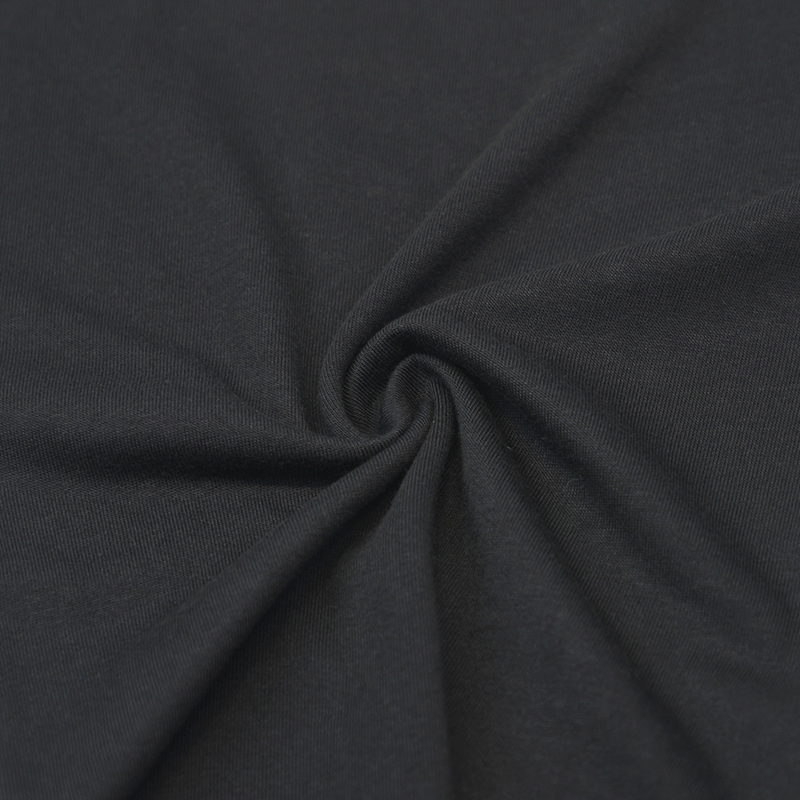
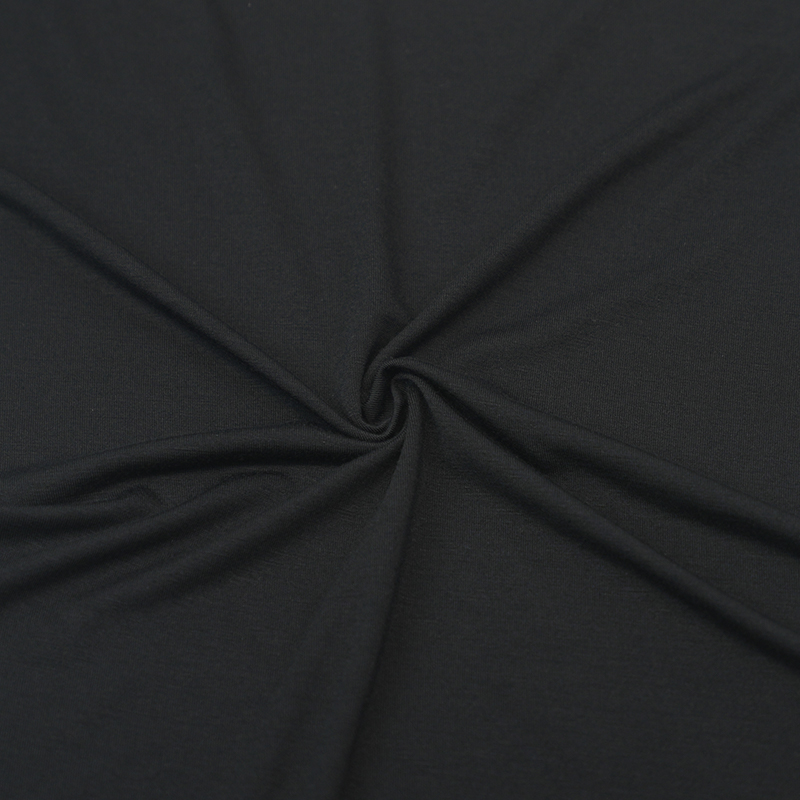
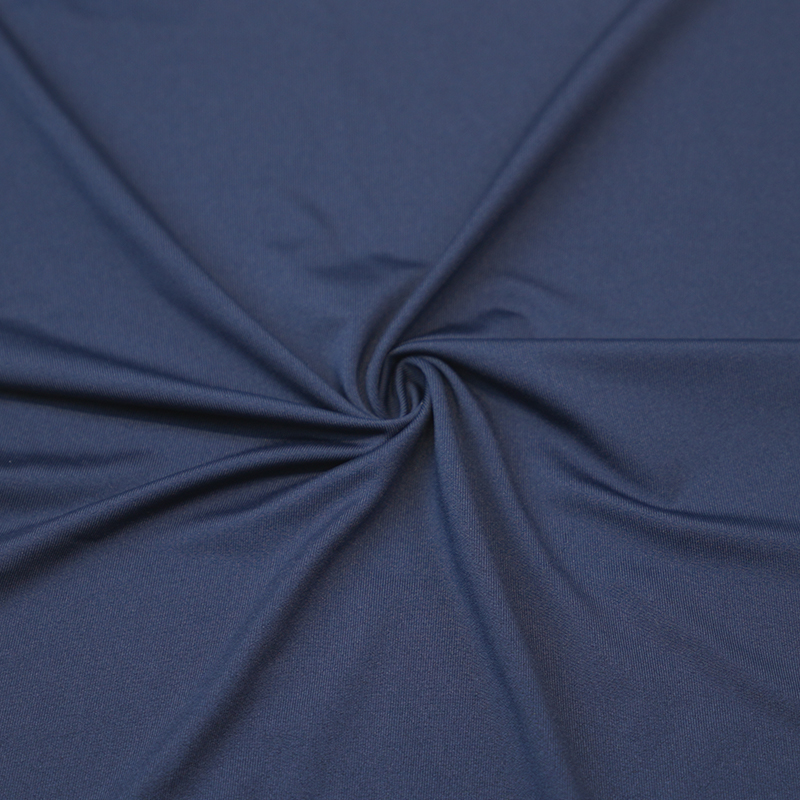
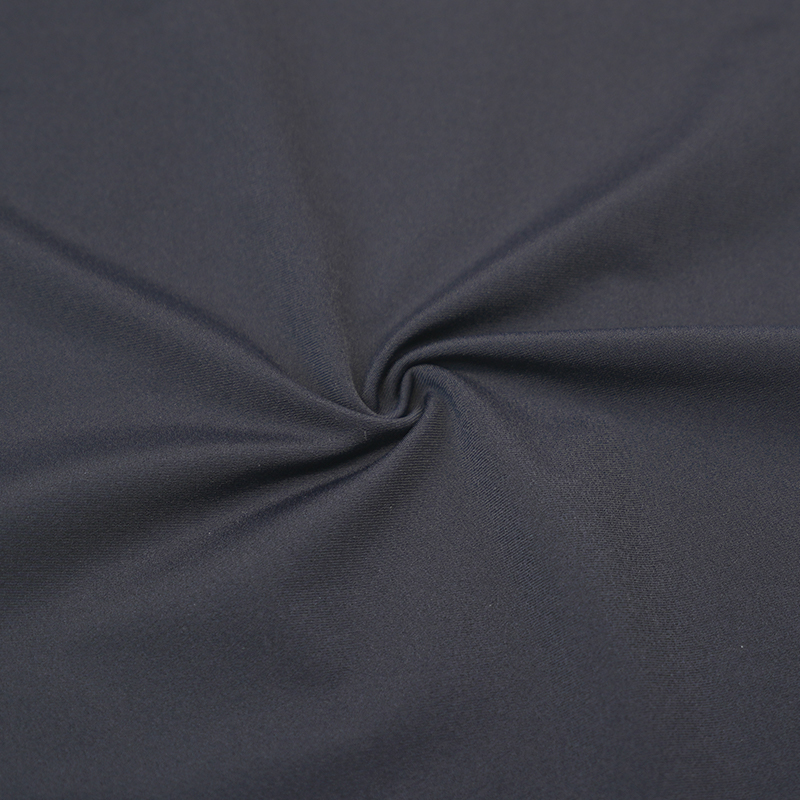
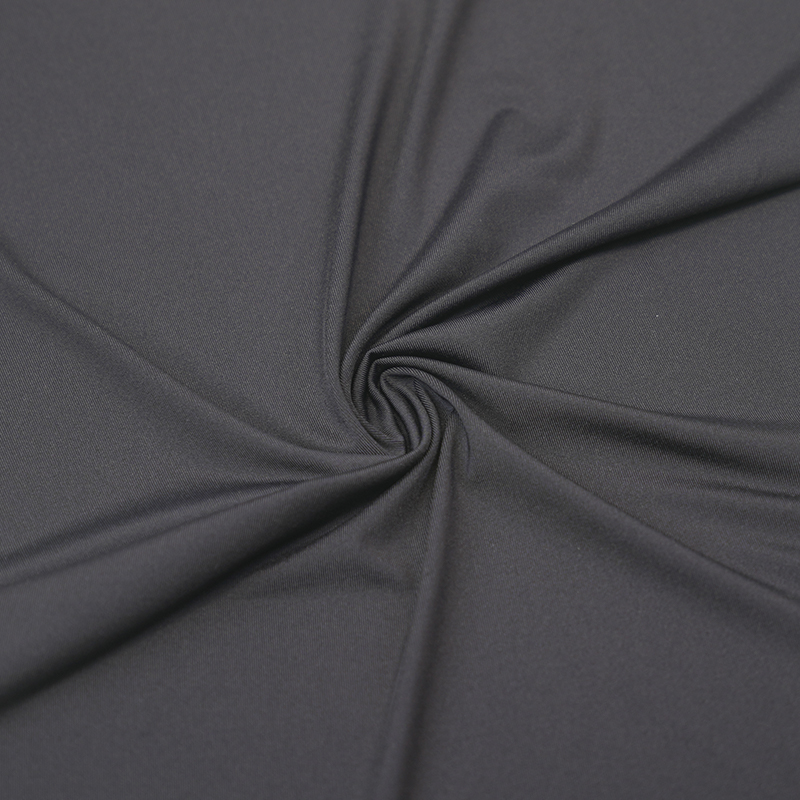
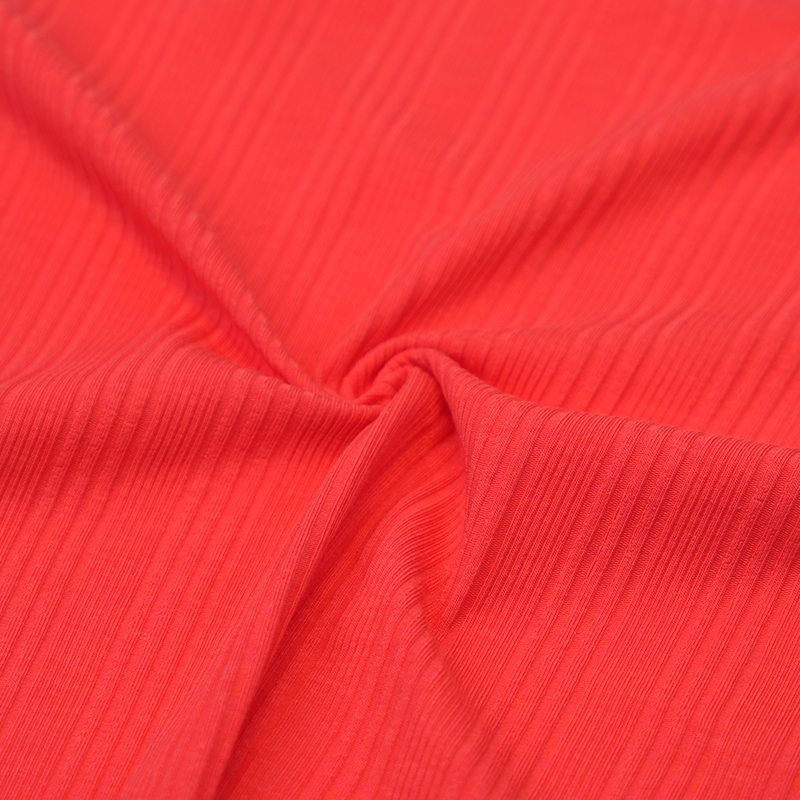
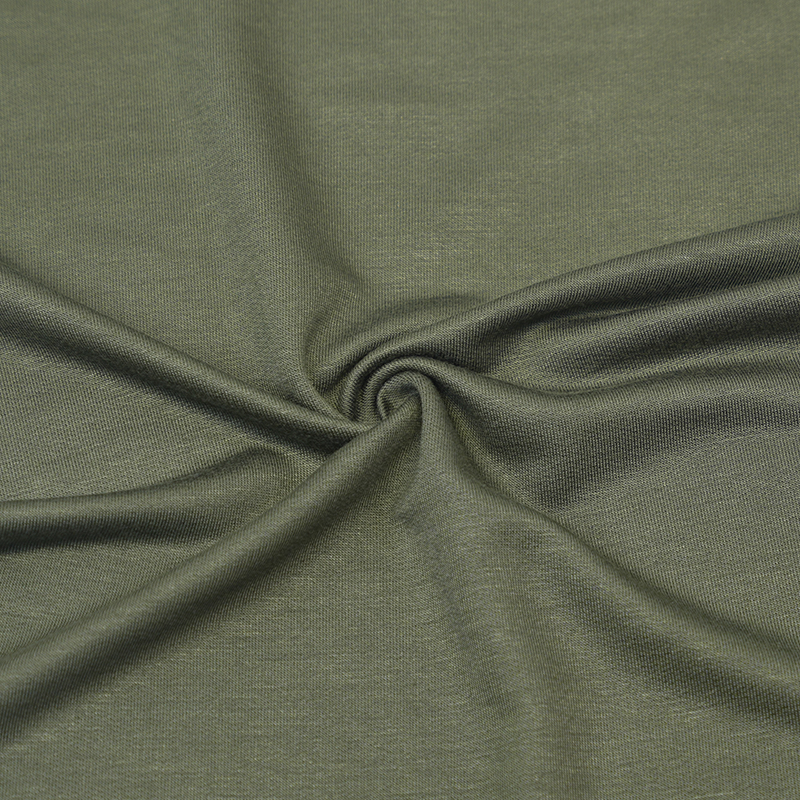
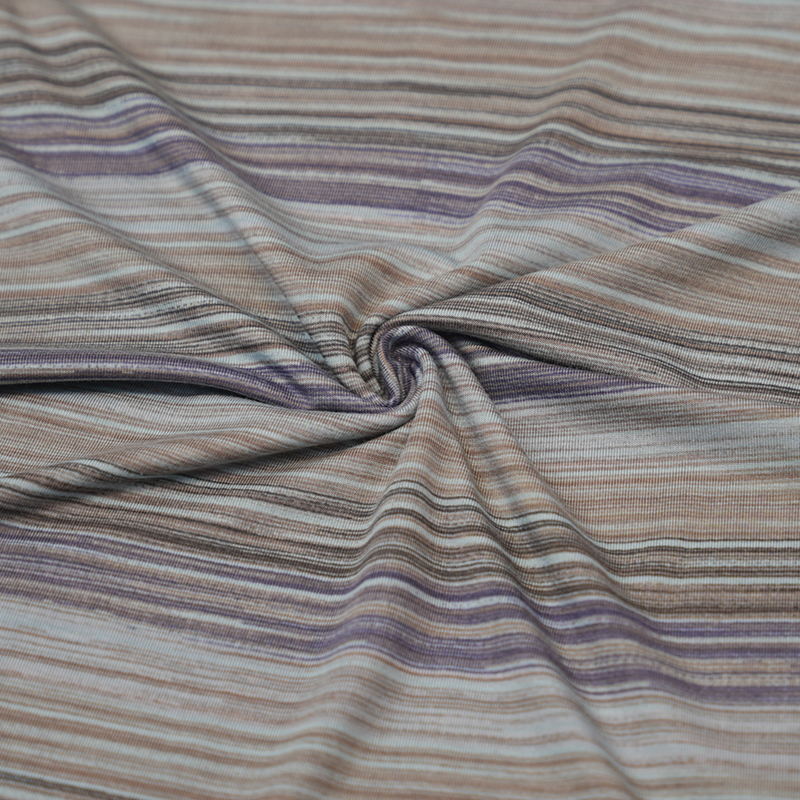
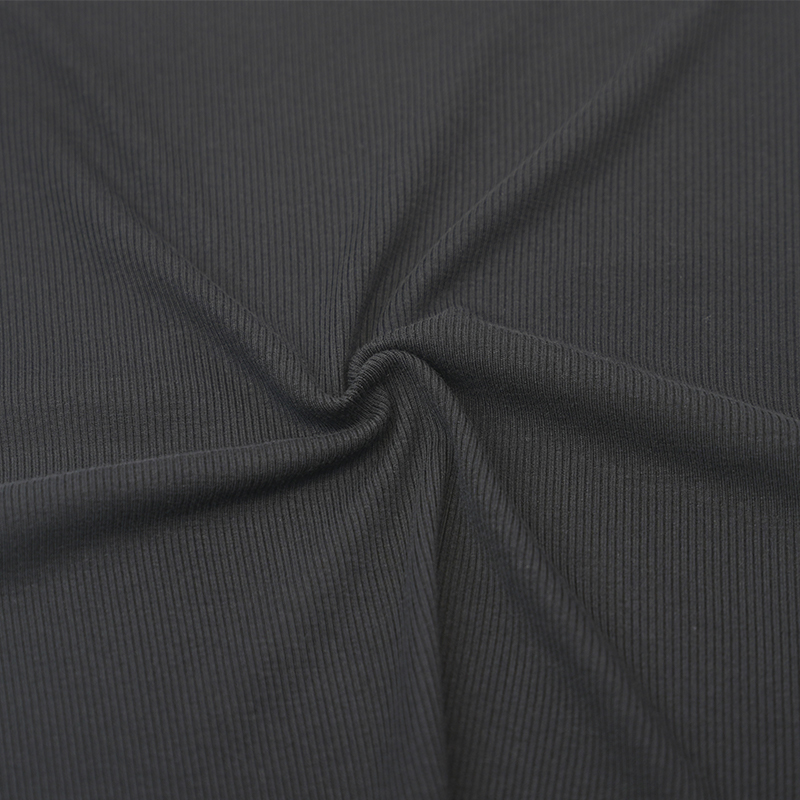
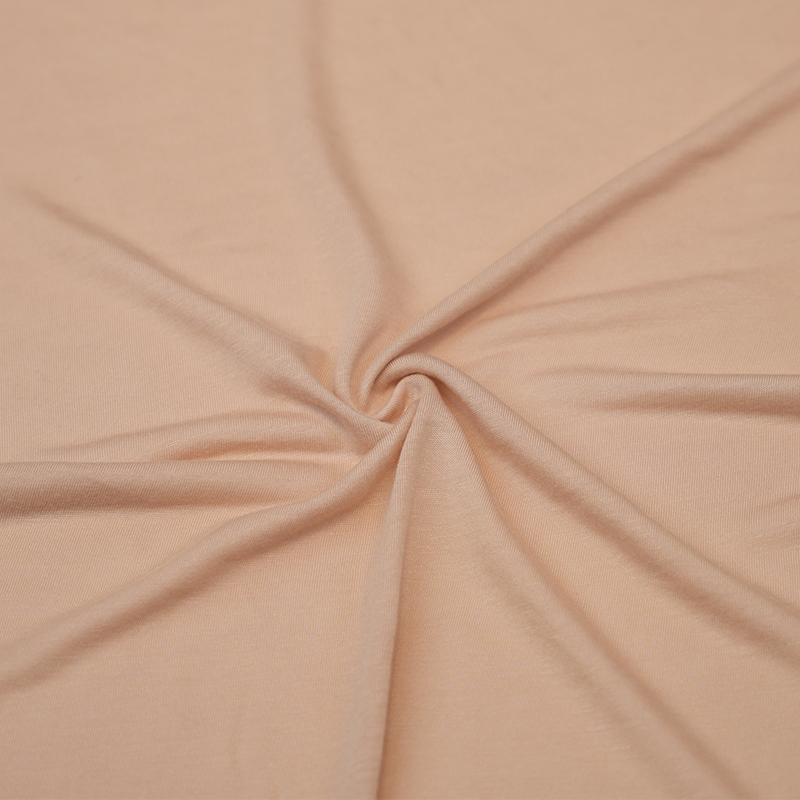
Bamboo viscose polyester jersey fabric is a two-sided knit that pairs a soft, cool-feeling bamboo viscose face with a polyester reverse. The bamboo side feels smooth and absorbent against the skin, while the polyester side adds quick drying, moisture wicking and wrinkle resistance, so it suits T-shirts, loungewear and sportswear that need comfort and everyday durability. A standard build, such as this bamboo viscose polyester jersey fabric, uses 65% bamboo viscose and 35% polyester at 180 GSM and 175 cm wide.
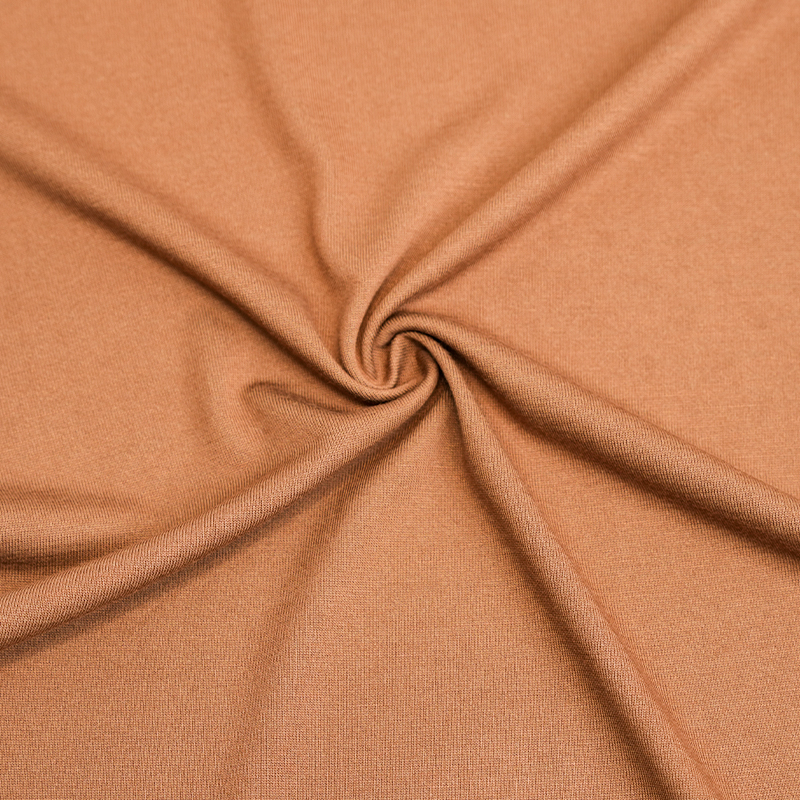
Bamboo viscose is a regenerated cellulose fiber. Cellulose taken from bamboo is dissolved and spun into a fine, smooth fiber, which is why the fabric drapes softly and feels cool on the skin. It absorbs moisture readily, which is the main comfort advantage over a plain synthetic knit.
Polyester is the performance partner. It does not swell with water, it dries quickly, and it holds its shape and resists creasing. On its own, polyester can feel slick and warm. On its own, bamboo viscose can feel limp when wet and may wrinkle. Combining them in a single jersey keeps the best of each fiber.
The two-sided build also means the face matters in design. Placing the bamboo side against the skin puts the softer, more absorbent surface where comfort counts, and the polyester side then moves moisture outward to dry.
The bamboo viscose face feels smooth and fresh, which suits warm-weather tees and garments worn for long hours.
Sweat is taken up by the bamboo side and carried through to the polyester side, so the fabric feels drier during activity.
Polyester releases water fast, so washed garments dry sooner than pure viscose or cotton equivalents.
The polyester content helps the fabric recover from creasing, which keeps garments looking neat after wear and washing.
At 180 GSM the jersey has enough body for a clean drape without feeling heavy, a good fit for tees and light sportswear.
A wider roll gives more flexibility when laying out patterns, which can improve cutting efficiency on larger sizes.
A fabric choice is always a trade-off. This table sets the bamboo viscose polyester blend against three common jersey options on the points that most often decide an order.
| Feature | Bamboo Viscose / Polyester | Cotton Jersey | Pure Bamboo Viscose | Polyester Jersey |
| Hand feel | Soft, cool | Soft, warm | Very soft, fluid | Smooth, slick |
| Moisture handling | Absorbs and wicks | Absorbs, dries slowly | Absorbs, dries slowly | Wicks, low absorbency |
| Drying speed | Fast | Slow | Slow to medium | Very fast |
| Wrinkle resistance | Good | Fair | Fair to low | Very good |
| Best fit | Tees, loungewear, light sportswear | Everyday casual tees | Luxe loungewear, underwear | Performance and team wear |
If the product needs a natural fiber mix with cotton instead of polyester, compare it with a bamboo viscose and organic cotton jersey fabric. If it needs extra stretch for a close fit, look at a bamboo filament spandex jersey fabric.

Match the fabric to the garment before sampling. Use this table as a quick decision guide.
| If You Need | Look For | Why |
| A soft, cool tee | Higher bamboo viscose share, around 65% | More of the fabric touches the skin as soft viscose |
| Faster drying and fewer wrinkles | Higher polyester share | Polyester supplies wicking, quick drying and shape recovery |
| A light summer garment | Lower GSM than 180 | Thinner knit breathes more and drapes lighter |
| More structure and opacity | Higher GSM than 180 | A heavier knit hides more and holds its shape better |
| A natural-fiber cotton option | Organic cotton version | Cotton can be requested as an alternative to the polyester side |
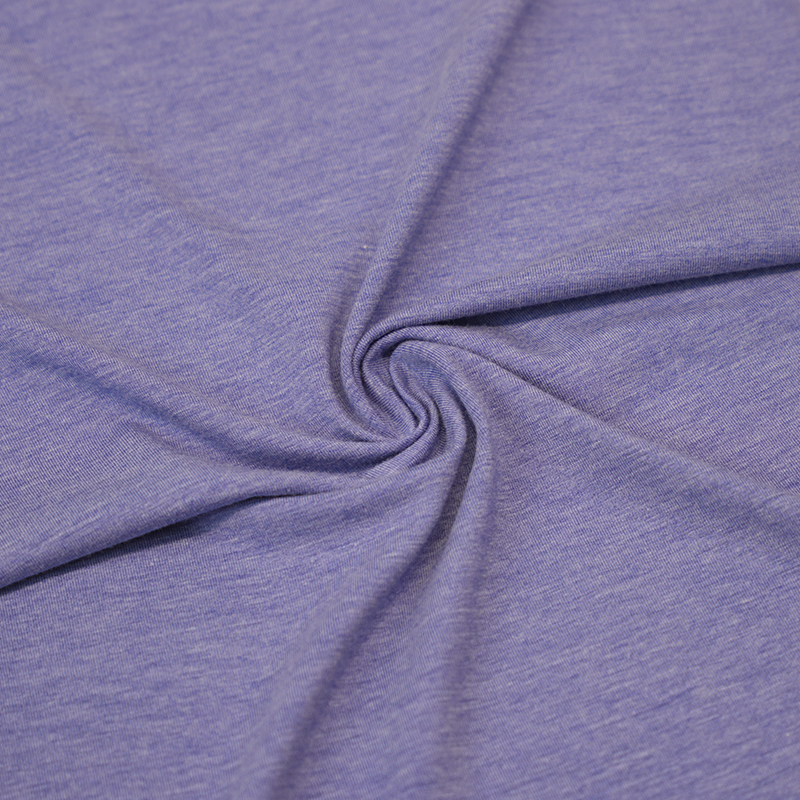
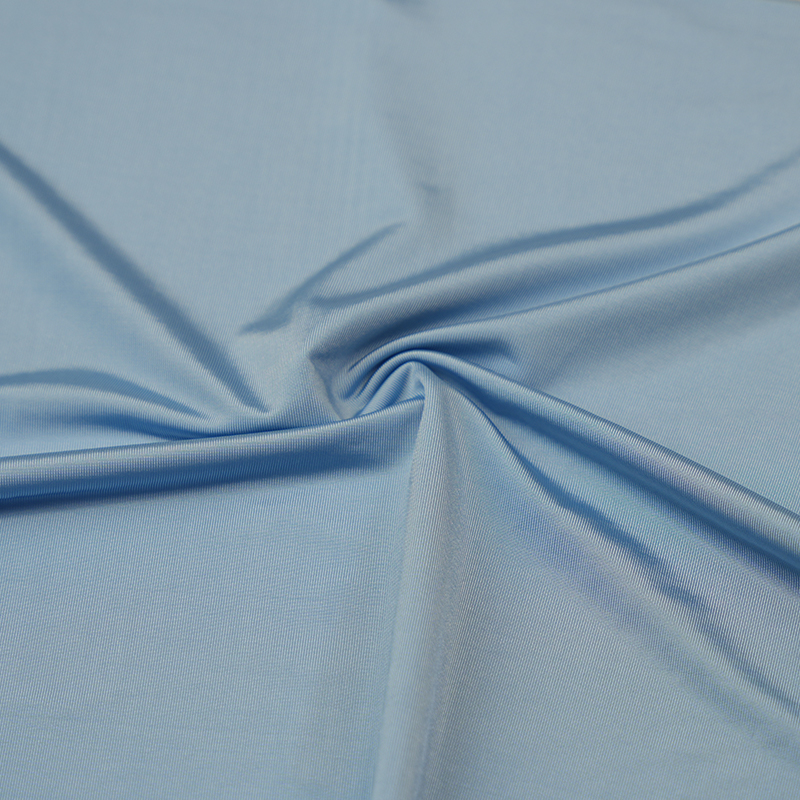
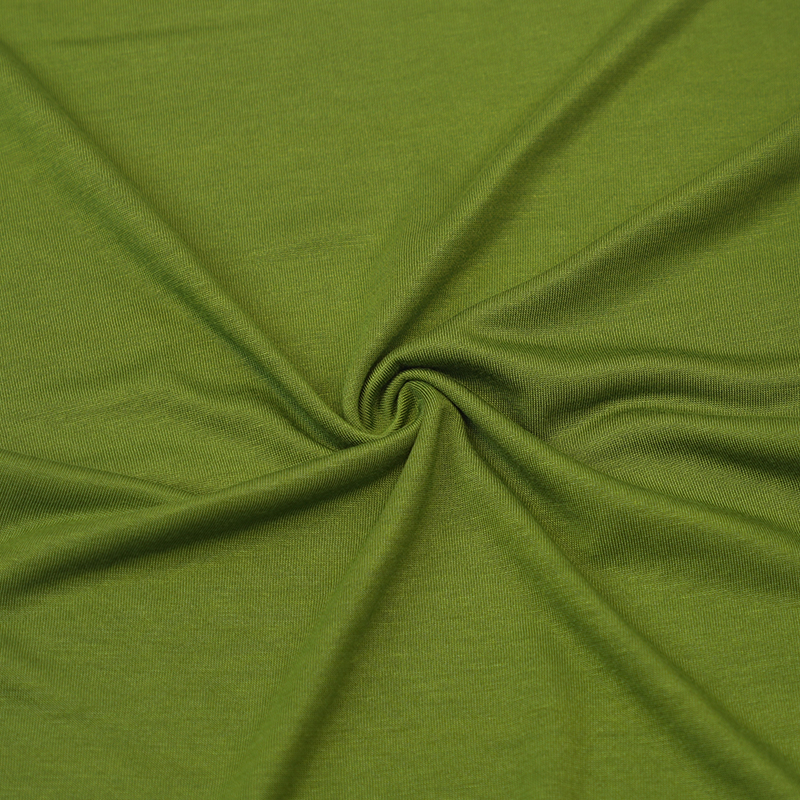
Because the two sides are different fibers, color development takes more care than on a single-fiber knit. Viscose and polyester respond to different dye systems, so a good supplier will match the face and the reverse separately and then check that the finished fabric reads as one color from the outside of the garment. Ask for lab dips on the actual fabric, not on a separate yarn sample, and approve the color under both daylight and shop lighting.
Custom development is usually possible in several areas:
Mixing sides within one garment gives uneven color and feel. Mark the face on every roll and keep the same side outward on every piece.
A soft swatch can still shrink or twist after washing. Measure shrinkage and check the garment on a body before approving bulk.
Viscose behaves differently when wet. Wash the swatch the way the customer will, then check color, size and surface again.
Browse more options in the T-shirt fabric collection, or look at fabrics built for specific performance needs such as moisture and quick dry fabric and cool feeling fabric. For a stretchier nylon-based knit, see the nylon spandex interlock fabric.
Yes. The bamboo face feels soft and cool, the polyester side dries fast and resists wrinkling, and the 180 GSM weight gives a clean drape. It suits casual tees, loungewear tops and light sports tees.
Bamboo viscose is a regenerated cellulose fiber, while cotton is a natural fiber. Bamboo viscose feels smoother and cooler, and cotton feels more textured and sturdy. Blending them with other fibers adjusts softness, strength and drying speed.
Less than pure viscose or cotton. The polyester content helps the fabric recover from creasing, so garments look neater after washing and wearing, though no knit is fully wrinkle-free.
Wash by hand or machine at 30 degrees C, alone or with similar colors, then hang to dry or tumble dry on a low setting. Viscose loses some strength when wet, so avoid harsh agitation and confirm the instructions with your own testing.
Yes. Colors can be developed to order, and an organic cotton version can be requested as an alternative to the polyester side, with OEM and ODM support available. Share your garment, target GSM and color references and request a sample before bulk orders.
Related Products
Contact Us for More Details
Don't hesitate to contact when you need us!
Contact Information
Add:
Room 806, Building D, Jingyang Plaza, Chongchuan District, Nantong City, Jiangsu Province, China
E-mail:
Product Category
QR Code
Join our community and stay connected
 English
 Español
 Tiếng Việt