Language

2026-10-23
Content
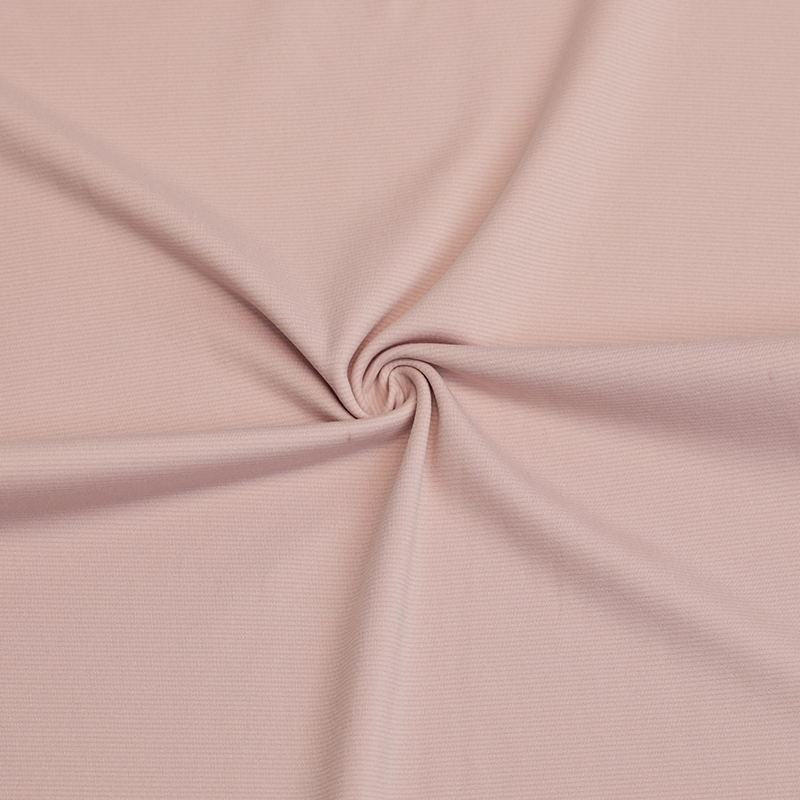
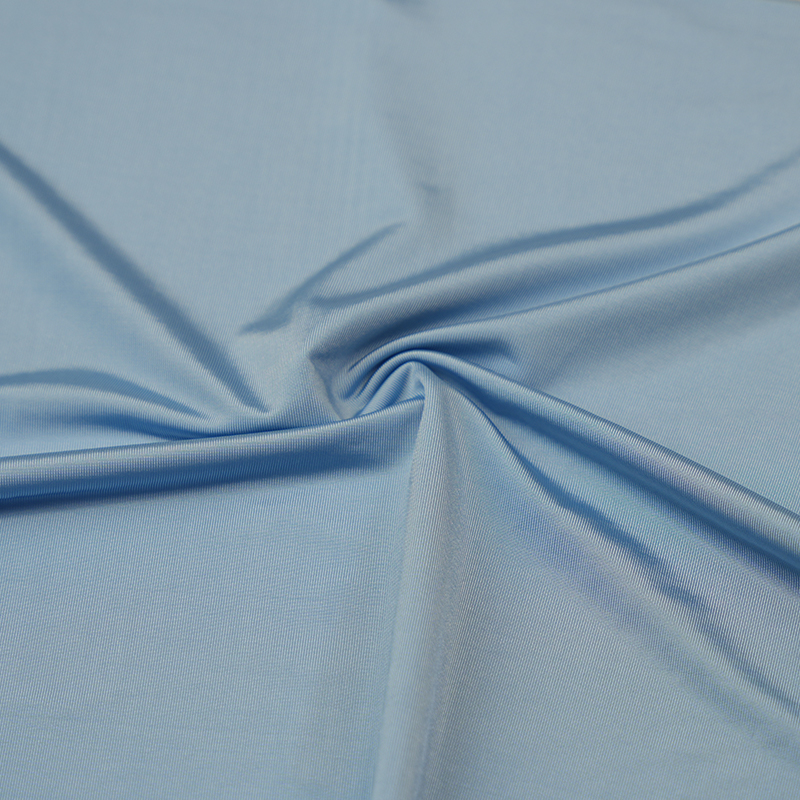
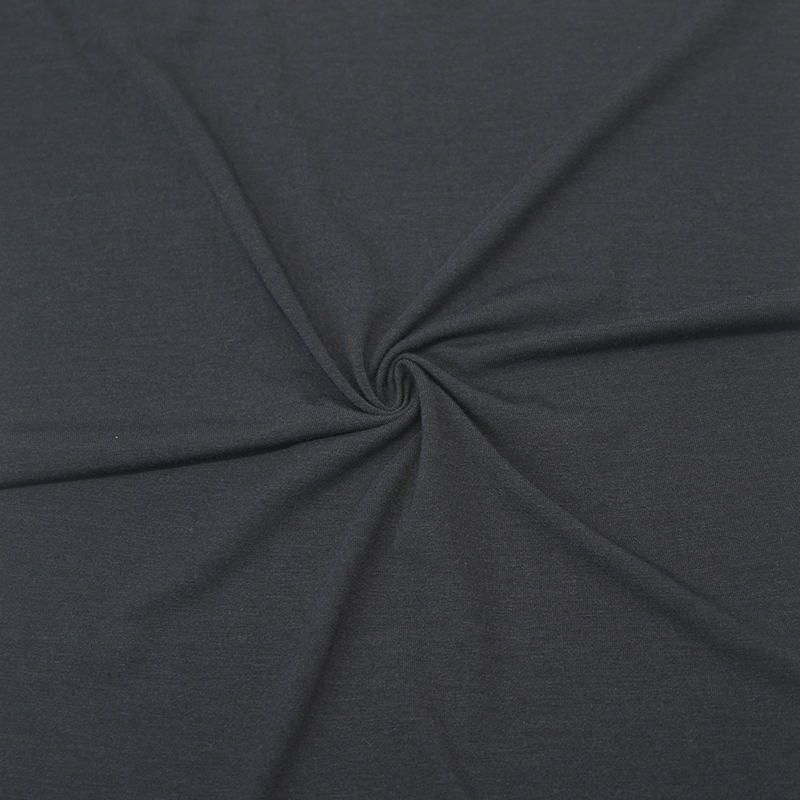
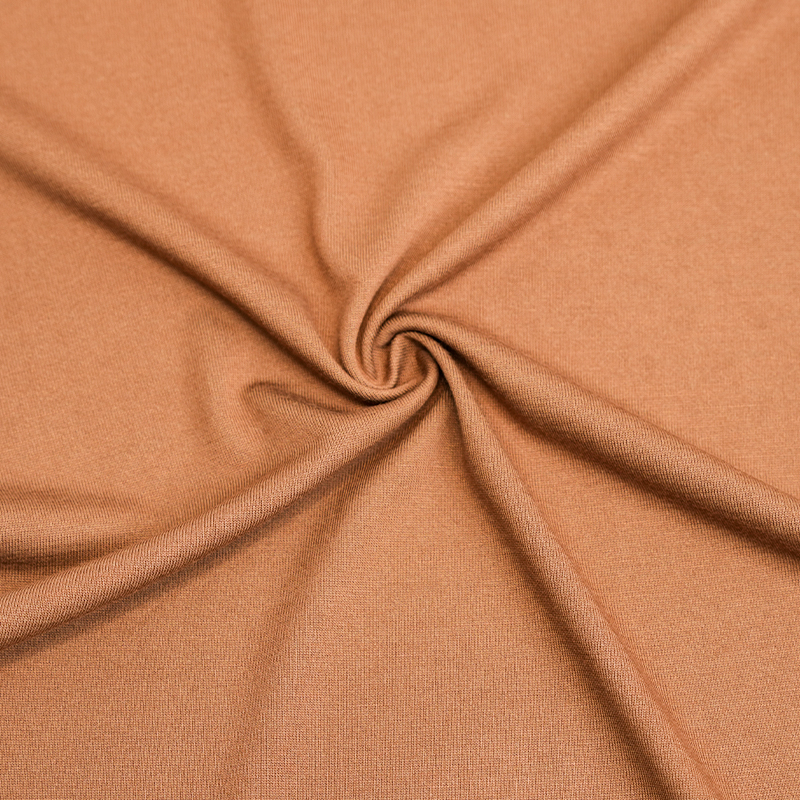
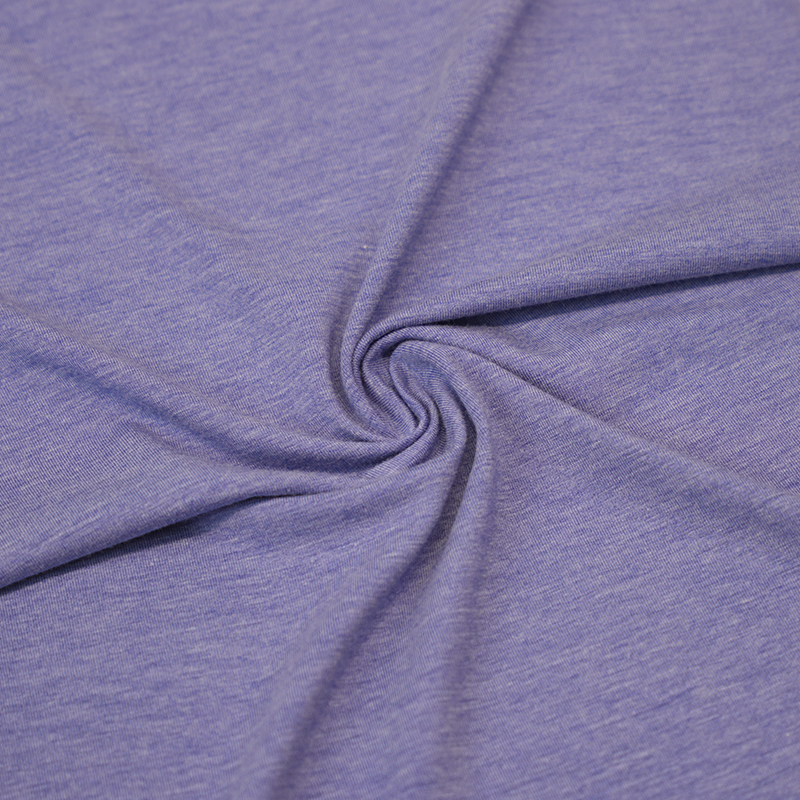
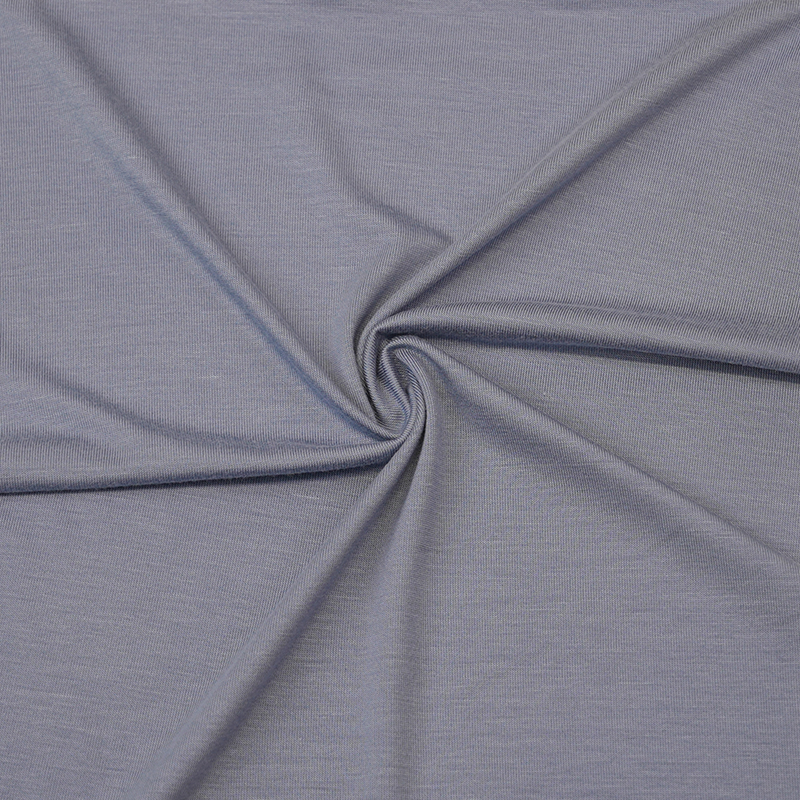
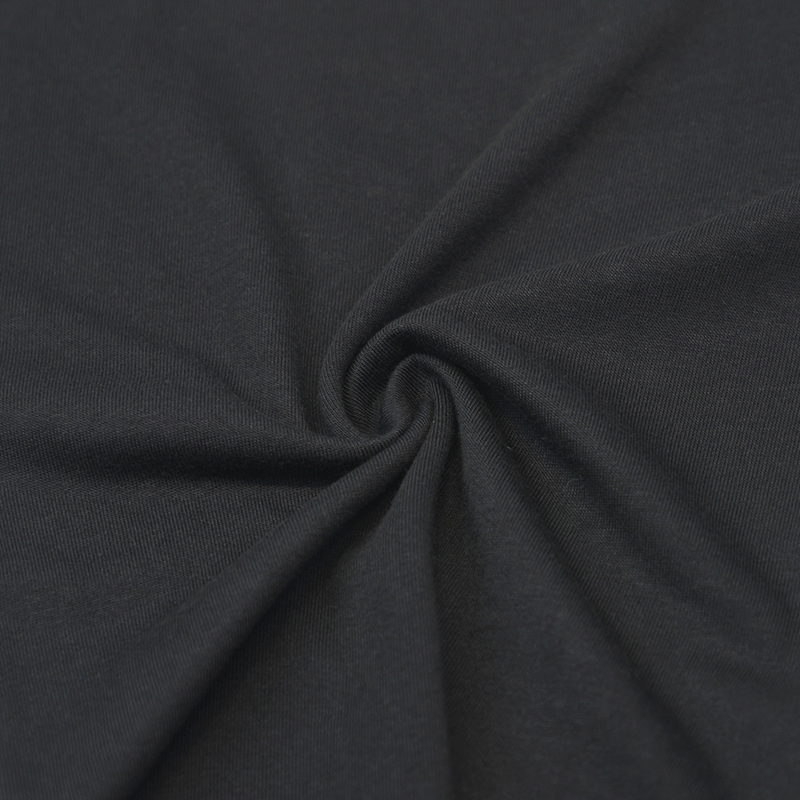
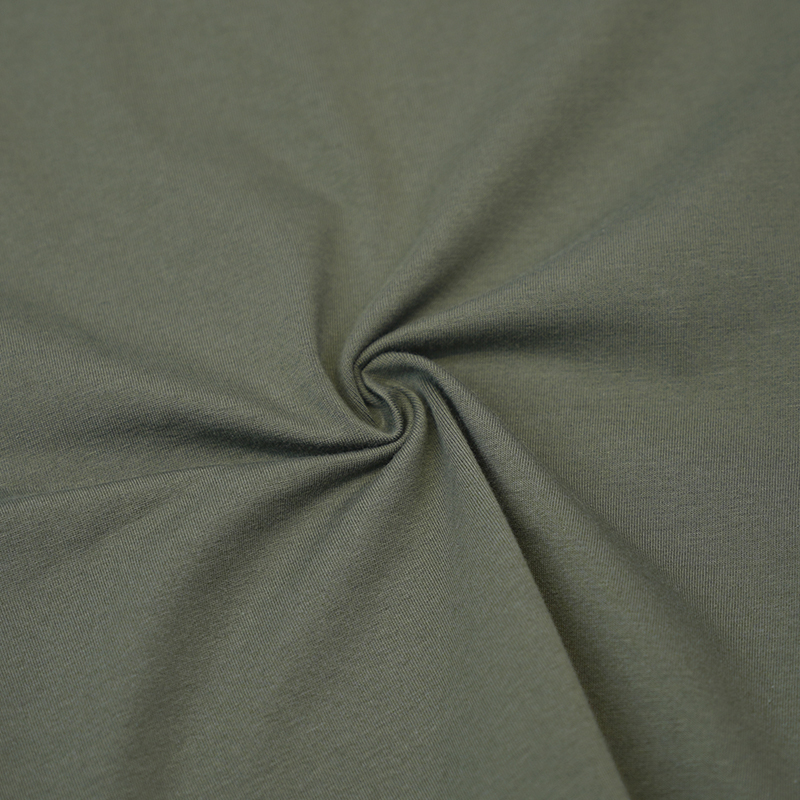
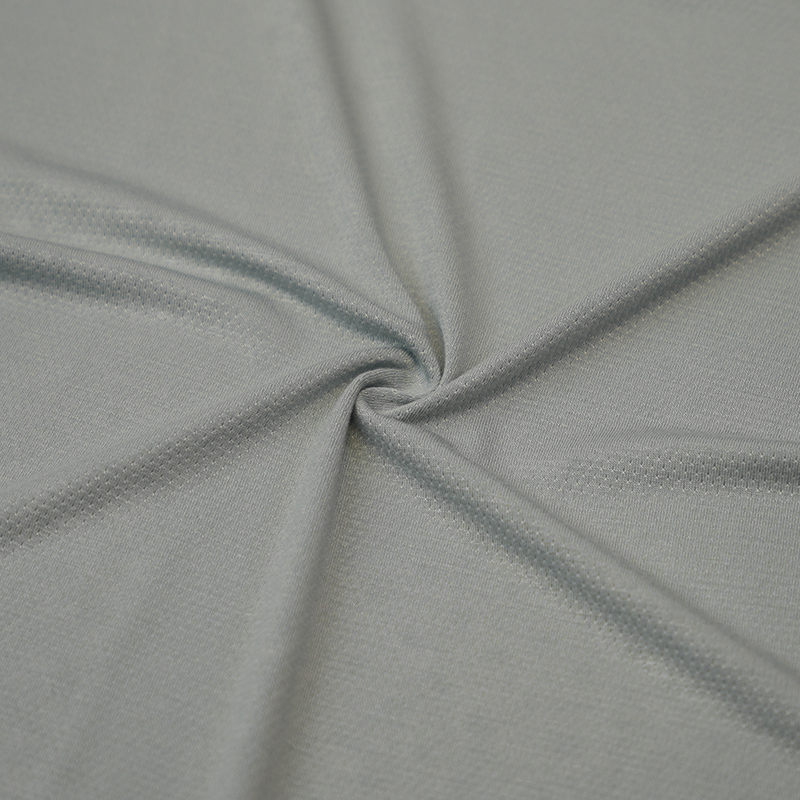
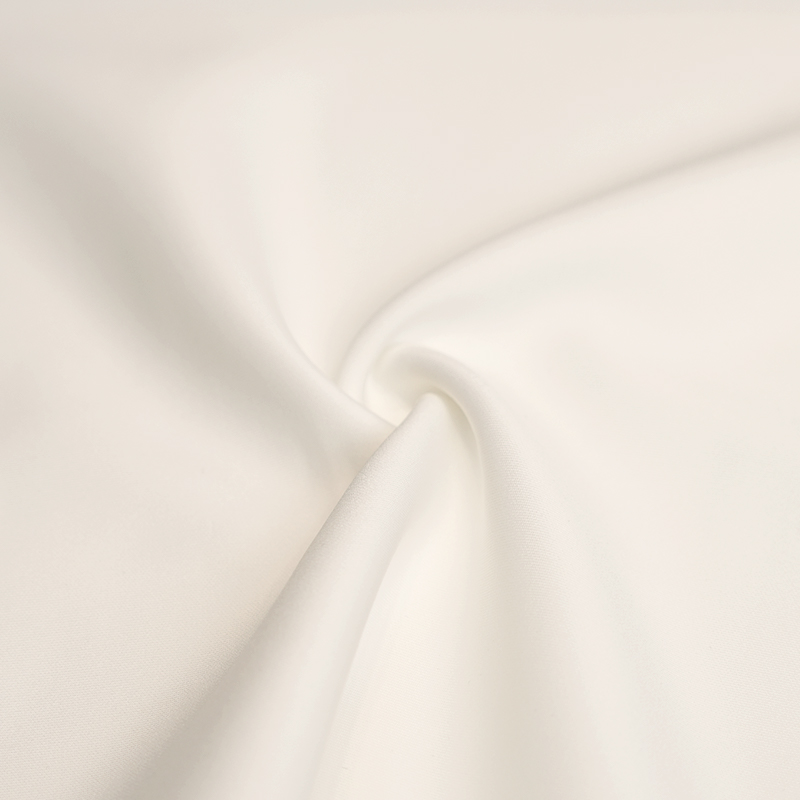
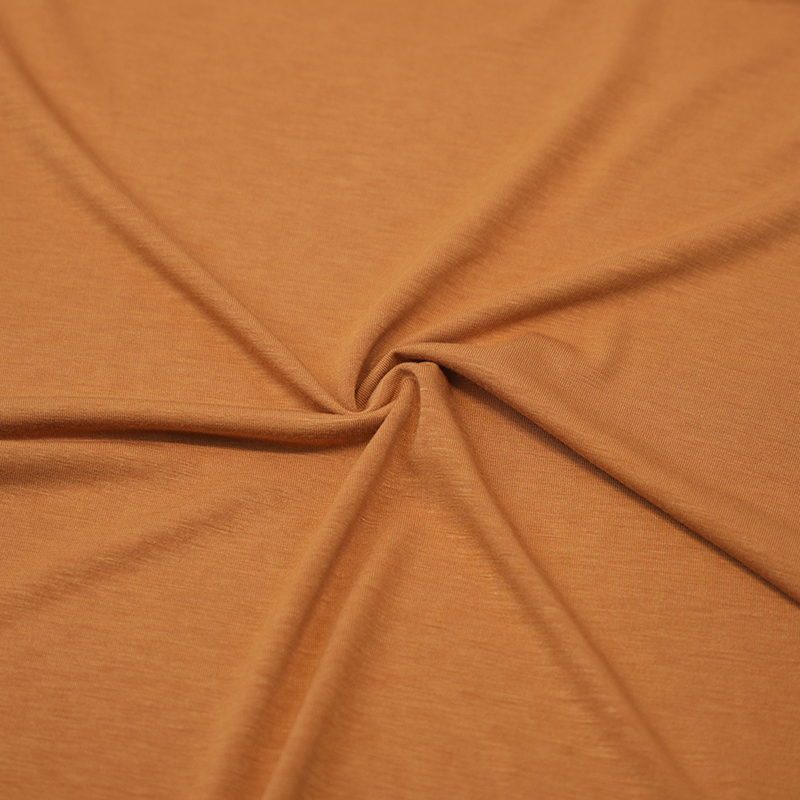
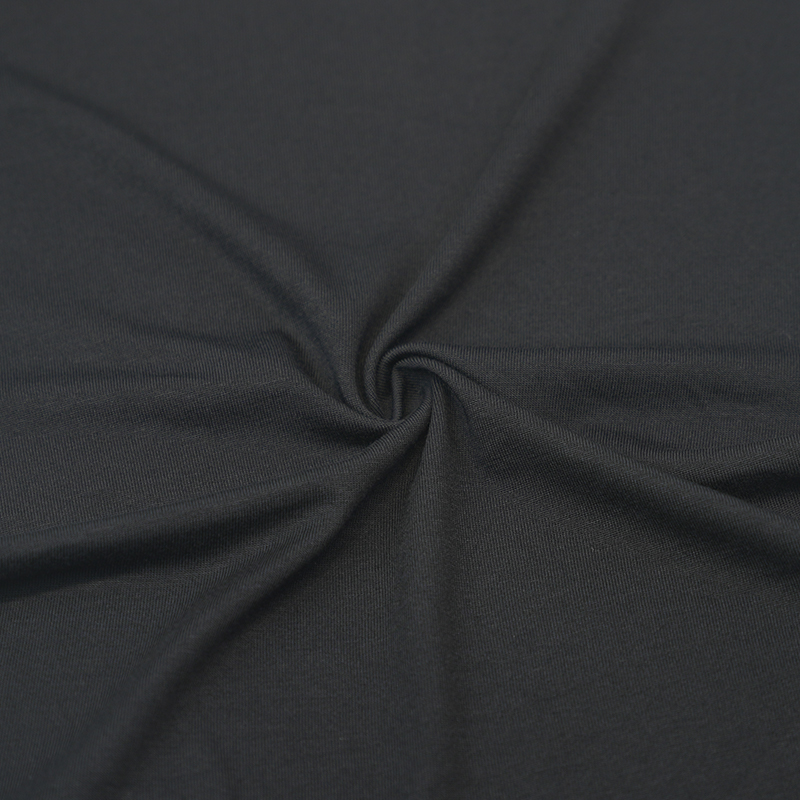
Nylon spandex interlock fabric is a smooth, double-faced knit that blends strong, abrasion-resistant nylon with stretchy spandex. It gives garments firm stretch, quick recovery and a clean surface on both sides, which is why it is widely used for T-shirts, loungewear, activewear and close-fitting basics. A typical build, such as the nylon spandex interlock fabric shown here, uses 80% nylon and 20% spandex at 205 GSM and 145 cm wide.
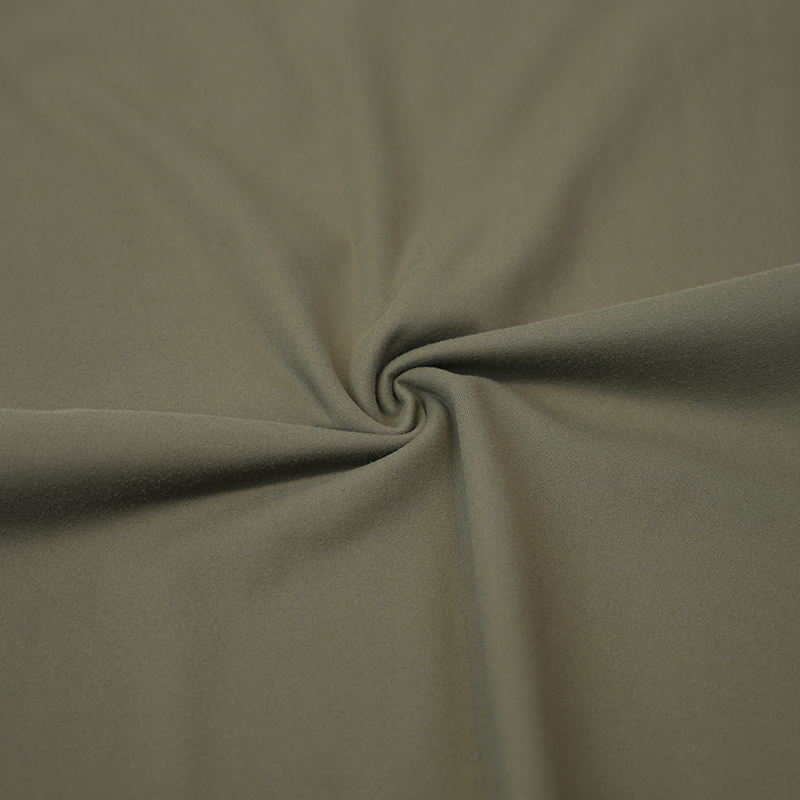
Interlock is a variation of rib knitting. Two rib fabrics are knitted together on one machine so that the stitches sit directly behind each other, and the result is a fabric that looks the same on the face and the back. Because every wale is locked to the one behind it, interlock is thicker and more stable than single jersey, it does not curl at the edges, and it holds a clean cut line when it goes through a cutting table.
Switching the yarn to nylon and spandex changes how that structure behaves in a garment. Nylon filament gives a dense, smooth hand and strong resistance to rubbing, while spandex pulls the fabric back after it is stretched. The knit structure then controls how that stretch is shared across the panel, so the fabric feels supportive without turning into a thick, heavy cloth.
Simple way to remember it: single jersey is a one-layer knit that curls, rib is a stretchy ridged knit, and interlock is two ribs knitted into one flat, smooth, stable fabric.
Numbers are the first thing a pattern maker or buyer checks. This is the specification of the standard 80/20 build, which is also the base for custom work.
Reading the yarn code helps when comparing suppliers. 50D/48F means a 50 denier nylon yarn made from 48 filaments, so it is fine and smooth rather than coarse. The 30D spandex is the elastic core that supplies the stretch and recovery. A finer denier gives a softer hand, while a heavier denier gives a firmer, more compressive fabric.
With 20% spandex, the fabric stretches across the width and the length and returns to shape. Sleeves, waistbands and body panels keep their fit after repeated wear instead of bagging at the knees, elbows or hem.
Nylon is one of the toughest knitting fibers. Areas that rub, such as underarms, inner thighs and straps, hold up better than they would in a cotton blend, and the surface resists pilling.
The interlock structure means the face and back look alike. That suits reversible details, unlined garments and any design where an inside seam may show.
Unlike single jersey, interlock lies flat when it is cut. This speeds up cutting and sewing, and it makes hems and necklines easier to finish cleanly.
At 205 GSM, the fabric is a mid-weight knit. It has enough body to avoid showing through in most colors, but it is not as heavy as a thick fleece or a double-layer sports cloth.

A fitted tee in this fabric keeps its shape, resists stretching out at the neck and stays smooth under other clothing.
Stretch and recovery follow movement, and the nylon surface handles friction from training and repeated washing.
The smooth hand and gentle stretch suit pieces worn for long hours, from fitted tops to lounge sets.
High nylon content and strong elasticity make it a practical base for close-fit pieces. Fabric finish and end-use testing should be confirmed for each product type.
Choosing a knit starts with the job the garment has to do. This table compares three common choices on the points that usually decide a fabric order.
| Feature | Nylon Spandex Interlock | Cotton Single Jersey | Polyester Spandex Jersey |
| Stretch and recovery | High, quick return | Low to moderate | High |
| Abrasion resistance | Very good | Fair | Good |
| Surface feel | Smooth, dense | Soft, natural | Slick, light |
| Edge curling when cut | Lies flat | Curls | Curls slightly |
| Best fit | Fitted tees, activewear, base layers | Relaxed everyday tees | Sports tops, light layers |
If the garment needs a softer, plant-based hand rather than a nylon feel, a bamboo filament spandex jersey fabric is a good alternative. If it needs warmth as well as stretch, a bamboo viscose and thermolite stretch interlock fabric adds insulation in an interlock structure.
Four decisions cover most orders. Settling them before sampling saves rounds of revisions.
Match GSM to the garment. A mid-weight 205 GSM suits tees, base layers and loungewear. Lighter cloth works for summer tops, while heavier builds suit shaping or compression pieces.
More spandex gives stronger stretch and tighter recovery, but it also changes the hand and the cost. 20% spandex is a strong stretch level for fitted garments, and a lower ratio gives a softer, looser feel.
Nylon takes dye well and holds deep, even color. Ask for a lab dip or color card first, and request the same dye lot for the full production run so shades match across panels.
For garments that need extra properties, compare variants. A nylon and copper ion nylon spandex interlock option, for example, brings a functional yarn into the same knit structure. More choices are listed under technical functional fabric.
Always sample first: request a swatch or a small yardage, wash it the way the customer will wash it, and measure shrinkage and stretch recovery on your own pattern before approving bulk production.
Two rolls with the same composition on paper can feel and perform very differently. These checks catch most problems while the order is still at sample stage.
These steps take little time and cost far less than correcting a full production run. They also give the pattern maker real data to work with, instead of assumptions taken from a spec sheet.
Use a ballpoint or stretch needle and a stretch stitch or overlock, so seams stretch with the fabric. Let the fabric relax on the table before cutting, and avoid pulling it as it feeds through the machine.
Machine wash at 30 degrees C, ideally on its own or with similar colors, and tumble dry on a low setting. Care instructions for each finished garment should be confirmed with your own testing.
Keep rolls flat or hung by the core in a dry place, away from heat. Pressure marks can form on nylon if a roll sits under a heavy stack for a long time.
If a different fiber blend or knit structure suits your project better, these related fabrics sit in the same T-shirt fabric range. You can browse the full T-shirt fabric collection or explore the sustainable fabric range.
Yes, especially for fitted tees and base layers. It keeps its shape, recovers well after stretching and lies flat when cut, so necklines and hems stay neat. For a very soft, natural feel, a bamboo or cotton blend may suit a relaxed tee better.
Jersey is a single-layer knit that is lighter and tends to curl at the edges. Interlock is two layers knitted together, so it is thicker, more stable, smooth on both sides and does not curl. That makes interlock easier to cut and sew.
It has strong four-way stretch and fast recovery, suitable for close-fitting garments. Exact stretch percentage depends on the knit and finish, so test a swatch against your pattern before bulk production.
Nylon filament resists abrasion and pilling better than many short-fiber blends, and the spandex helps the fabric hold its shape. Washing at a gentle temperature and avoiding high heat keeps both properties in good condition for longer.
Yes. Colors, weight and composition can be developed to order, with OEM and ODM support. Share the target garment, GSM and stretch level, and request a sample or swatch before confirming bulk quantities.
Related Products
Contact Us for More Details
Don't hesitate to contact when you need us!
Contact Information
Add:
Room 806, Building D, Jingyang Plaza, Chongchuan District, Nantong City, Jiangsu Province, China
E-mail:
Product Category
QR Code
Join our community and stay connected
 English
 Español
 Tiếng Việt