Language

2026-10-16
Content
Lyocell is a soft, cool-touch fiber made from wood pulp in a closed-loop process, and it is one of the easiest upgrades you can make to underwear, t-shirts and loungewear. It absorbs moisture better than cotton, keeps its strength when wet, and feels smooth on the skin. The catch is that quality varies a lot from one mill to another, so the blend ratio, knit structure and finishing matter just as much as the fiber name on the swatch card.
Lyocell is a generic fiber category, not a single branded product. Mills take purified wood pulp, usually eucalyptus, beech or spruce from managed forests, dissolve the cellulose and spin it back into fiber. Cotton comes off the plant as ready-made fiber. Lyocell is built in a factory. That is why it behaves differently from both cotton and petroleum-based polyester: plant-based in origin, engineered in structure.
In knitted apparel, lyocell rarely runs alone. The usual partners are cotton for body and cost balance, spandex for stretch recovery, and wool when you want warmth without the itch. Fiber producers sell their own trademarked grades, but the way the fiber is processed, dyed and washed stays broadly the same across the category.
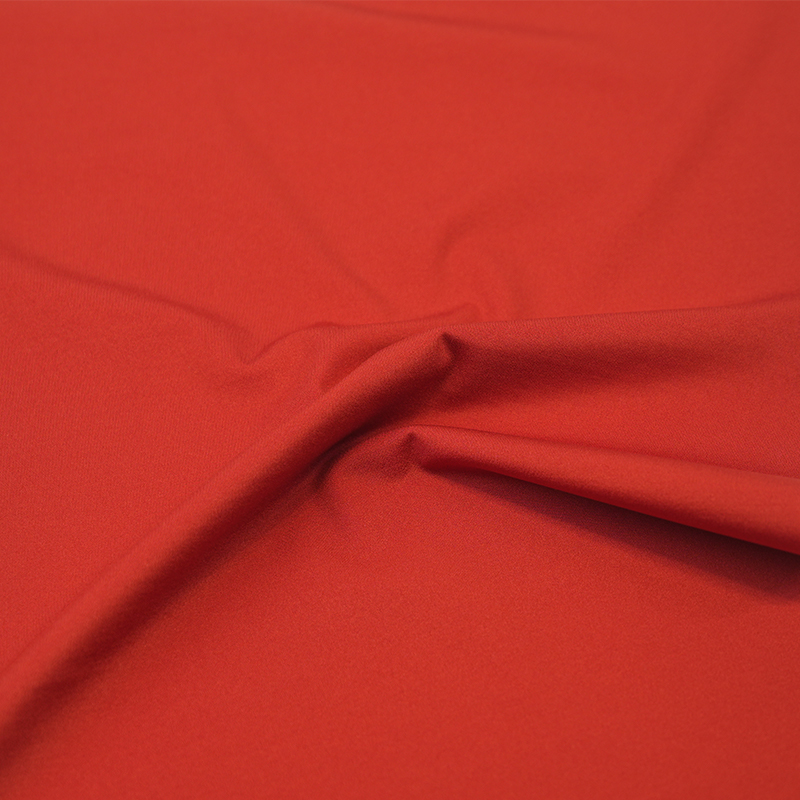
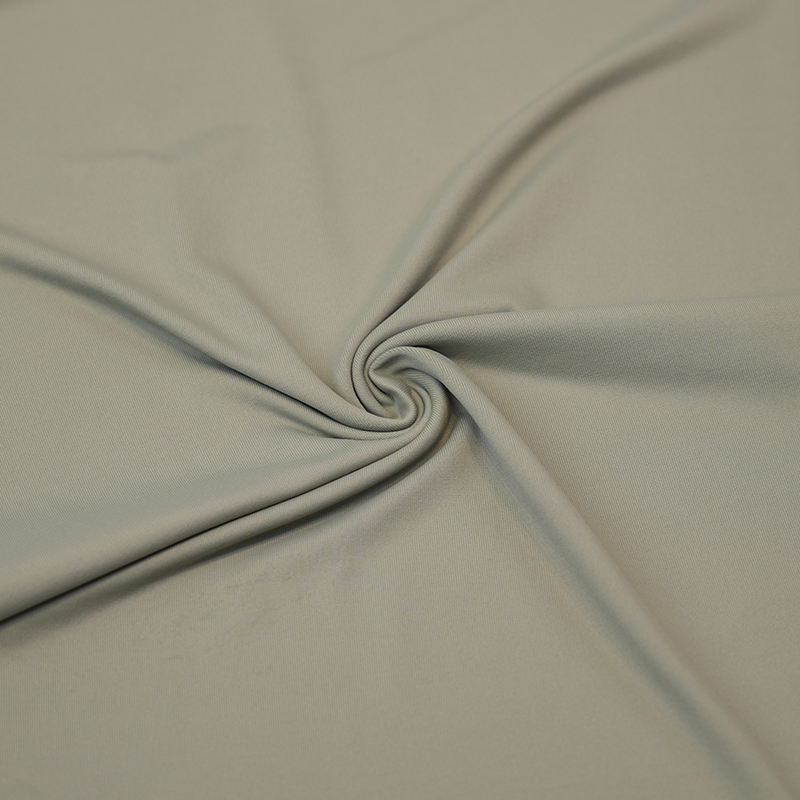
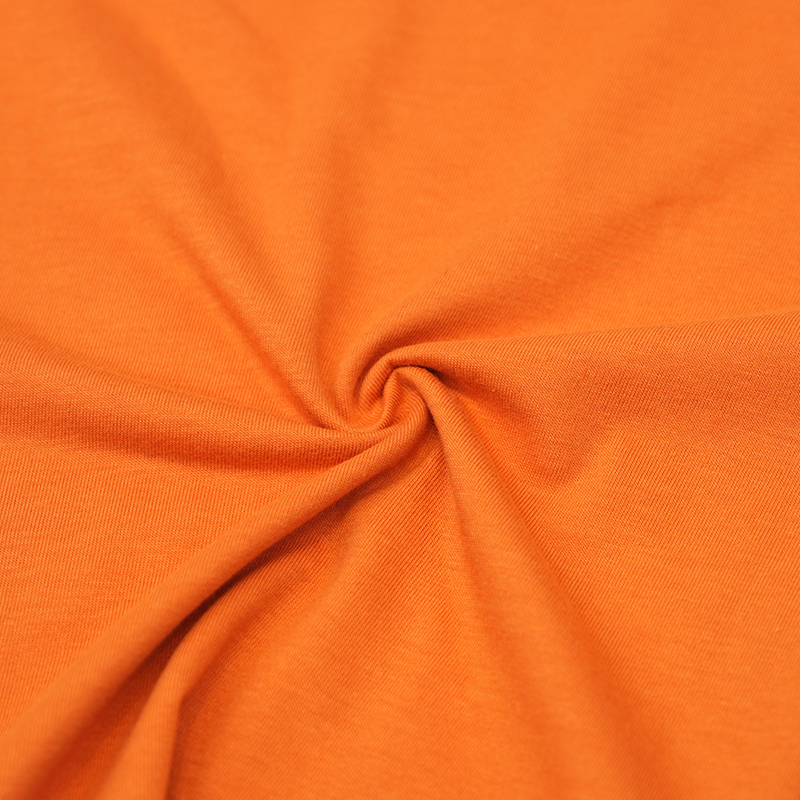
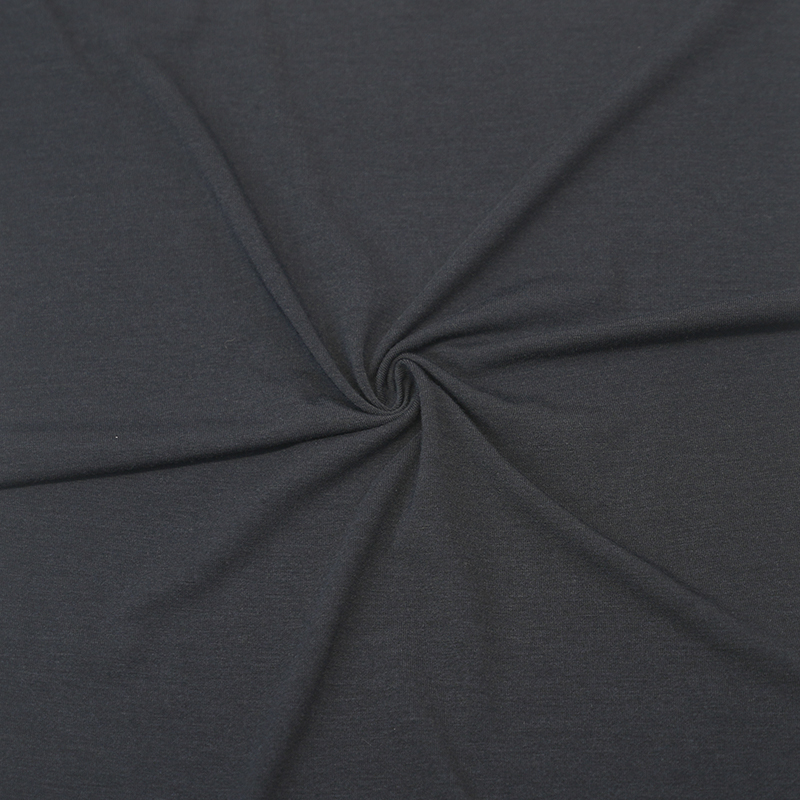
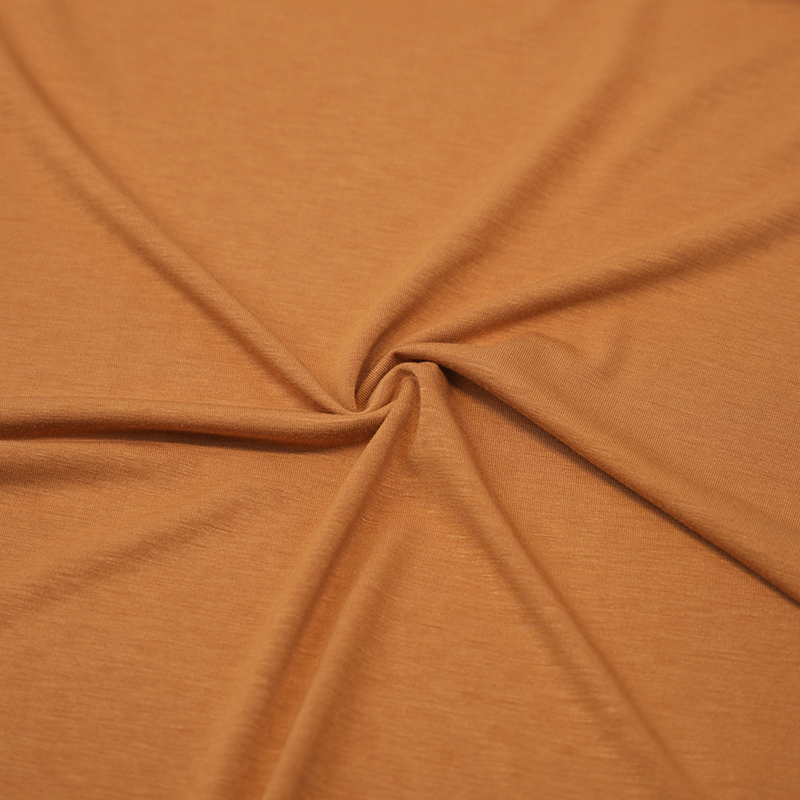
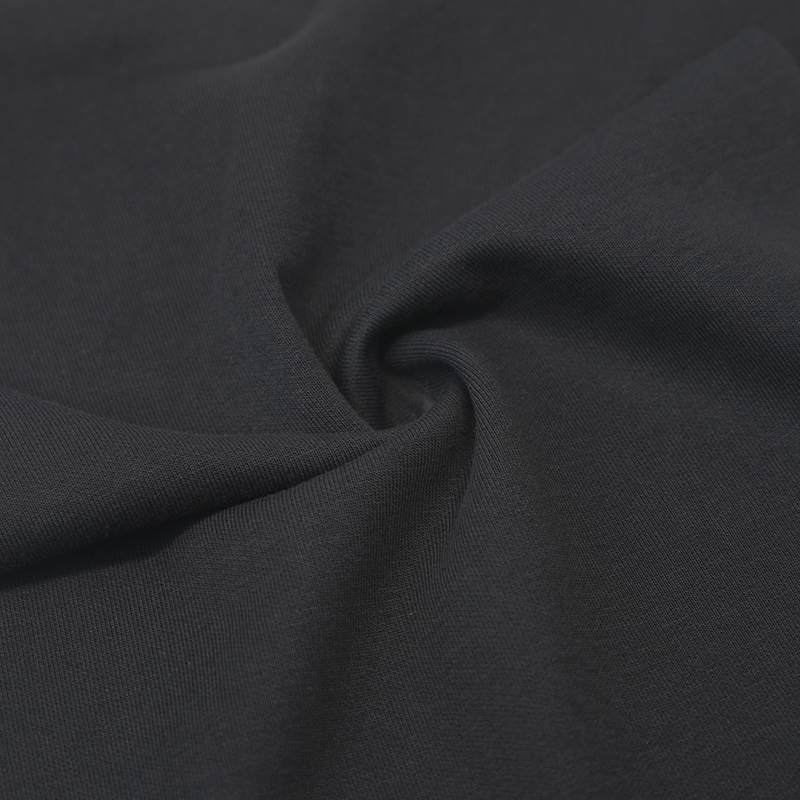
Browse our lyocell fabric collection Knitted lyocell and lyocell-blend fabrics developed for underwear, t-shirt and loungewear programs.The closed-loop route is the main technical difference between lyocell and viscose-route fibers. The cellulose dissolves directly in an amine-oxide solvent, gets spun into a water bath, and the bath is cleaned so the solvent and water go back to the start of the line. Fiber producers commonly report solvent recovery above 99 percent, so ask any supplier you work with to back that number up with records.
Wood pulp dissolves in an amine-oxide solvent and becomes a clear, thick spinning solution.
The solution is filtered and pushed through spinnerets into a water bath, where the fiber forms.
Bath water is purified and concentrated, and the solvent returns to production instead of leaving as waste.
The fiber is washed, dried and cut into staple, then spun into yarn for knitting or weaving.
What this means for a buyer is simple: a closed-loop claim should come with traceable paperwork. Pulp origin, solvent recovery figures and lot records are what separate a real closed-loop supply chain from a nice line on a brochure.
Every soft cellulosic fiber trades comfort against cost and durability in its own way. The table below sticks to the properties that decide whether a fiber suits underwear, tees or loungewear.
| Property | Lyocell | Cotton | Modal | Bamboo viscose |
| Raw source | Wood pulp from managed forests | Cotton boll fiber | Wood pulp, mainly beech | Bamboo cellulose |
| Production route | Closed-loop solvent spinning | Mechanical harvest and ginning | Modified viscose spinning | Viscose-route spinning |
| Moisture regain | 11-13% | About 8.5% | About 13% | About 13% |
| Wet strength | High | Moderate | Moderate | Lower |
| Hand feel and drape | Smooth, cool, fluid | Soft, matte | Silky | Silky |
| Shrinkage tendency | Low to moderate | Moderate | Low | Higher |
Two things sit behind these numbers. First, moisture regain tells you how much moisture a fiber can hold. Lyocell sits well above polyester and above cotton, which is why lyocell-rich knits feel cooler on warm days. Second, high wet strength lets a mill wash and finish the fabric harder, but lyocell can fibrillate, which means fine surface hairs appear under wet abrasion. A good mill controls this in finishing, so ask how they do it before you approve bulk. Here is the regain gap side by side:
Lyocell earns its price in garments that sit close to the body for hours. The four programs below are where we see it work best, and where our customers ask us for it most often.
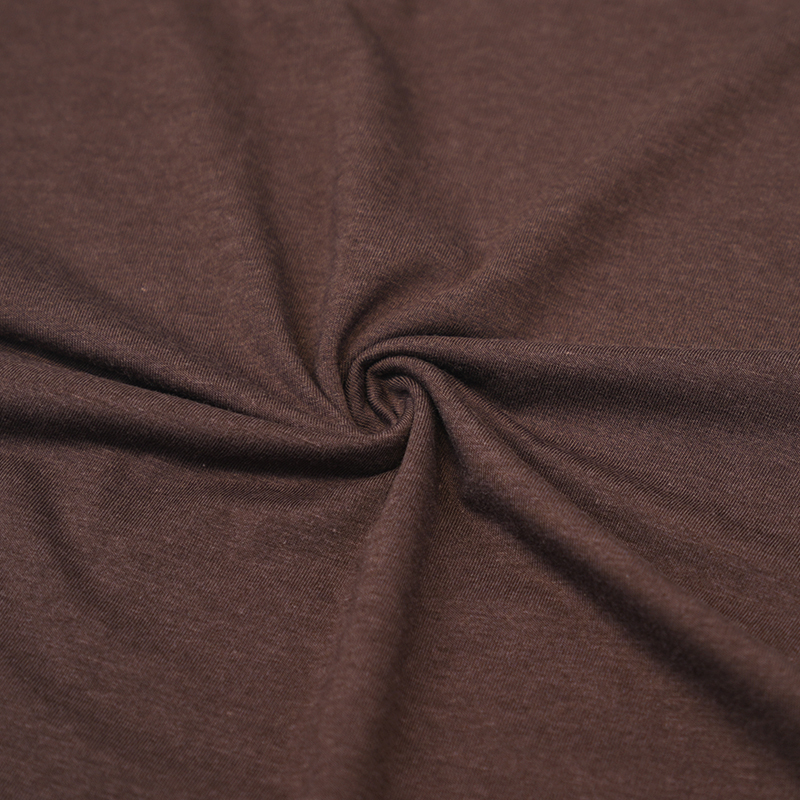
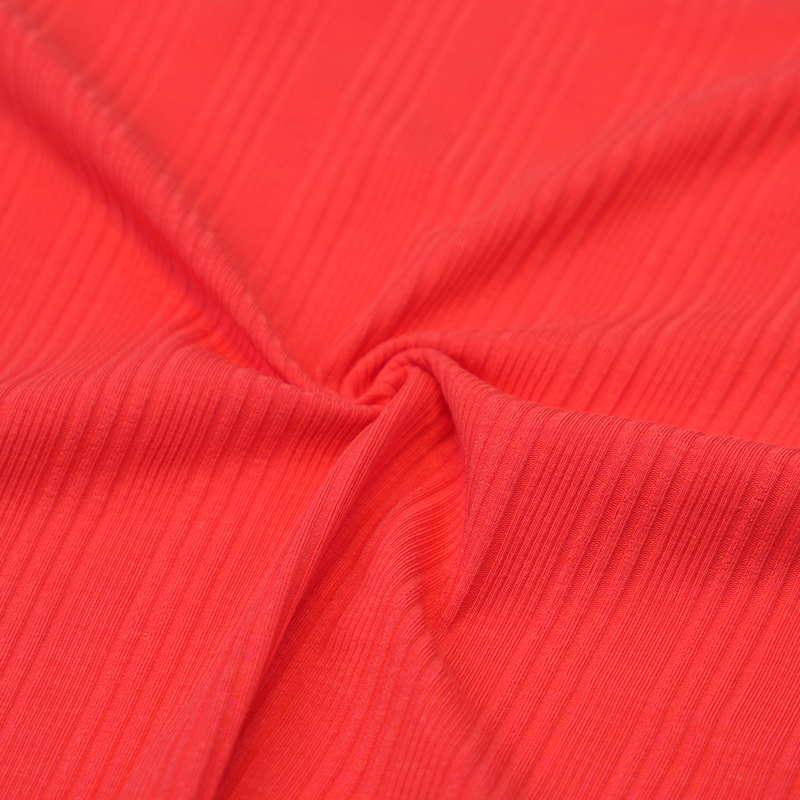
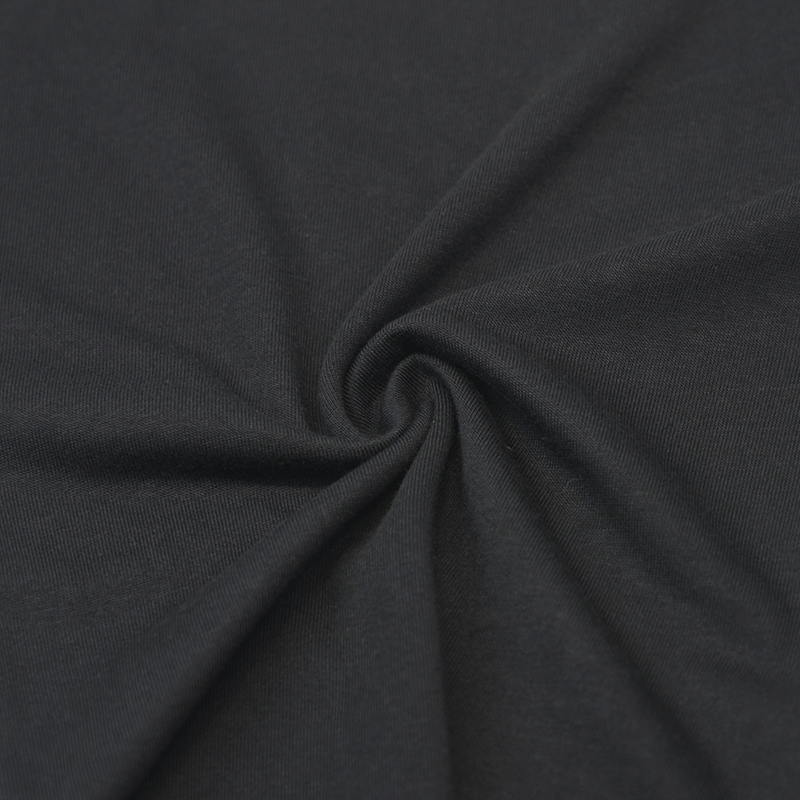
Lyocell-spandex jersey gives briefs and boxer briefs a smooth surface that glides under outer layers, pulls sweat away quickly and keeps its stretch after repeated washing. When you need a firmer body and stronger waistband recovery, cotton-lyocell stretch rib is the usual alternative. See how these builds map to end uses in our underwear and briefs fabric range.
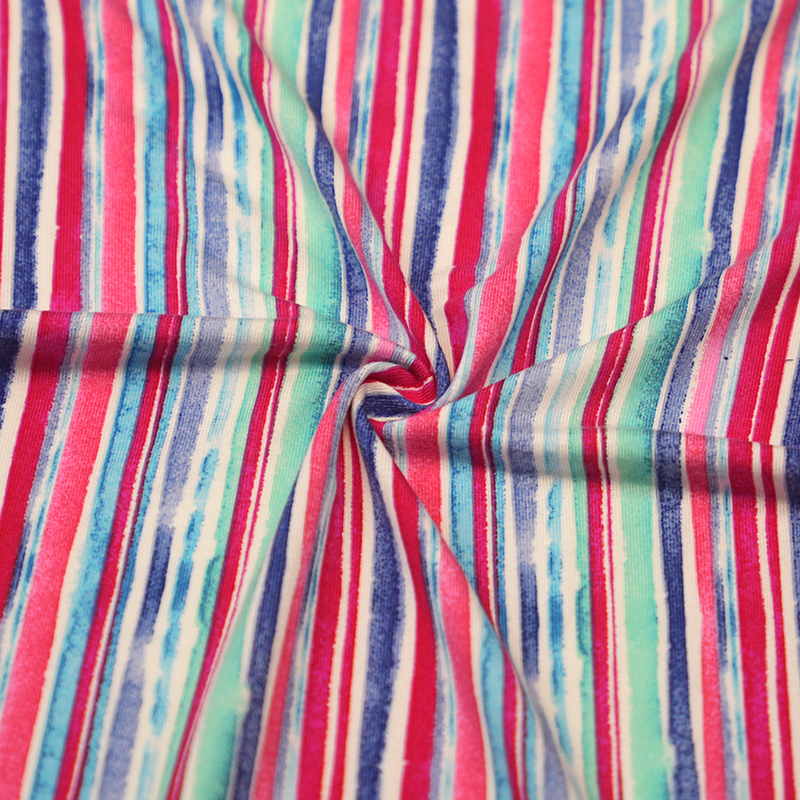
A cotton-lyocell blend gives you drape without driving up cost. A full lyocell knit can feel more fluid than some brands want in a basic tee, so the blend ratio is worth testing on a few samples before you commit.
This is where the cool touch and fluid drape do the selling. Customers pick up the garment, feel the hand, and the fabric does the rest of the work for you.
A lyocell-wool jersey softens the wool against the skin while keeping warmth and shape. It suits base layers and knit tops for autumn and winter ranges.
Two lyocell fabrics with the same fiber content can feel and wear very differently. Most of the gap comes from blend engineering and finishing. Work through this list before you approve a fabric, and hold any supplier to the same standard.
If a supplier hesitates on any of these, that tells you something. A mill that controls its process can answer all five without digging around.
Whether you run an underwear brand, a private-label program or a garment factory that sources its own fabric, development goes faster when the brief is clear. At Nantong Tianhong Textile Technology Co., Ltd. (BAMSILK), we record raw material suppliers, process parameters and quality-control data for every lot, so you can trace a fabric back to how it was made. Here is how a typical project splits between what you bring and what we handle.
You do not need a finished spec to start. A reference garment, a swatch from another supplier or even a rough description is enough for us to suggest a construction and send samples. For a deeper look at evaluating suppliers, sampling and cost negotiation, read our lyocell sourcing guide for apparel manufacturers.
Care is simple. Wash cool on a gentle cycle, skip chlorine bleach, and tumble dry low or hang dry. High heat dulls the surface fastest and speeds up shrinkage, especially in wool or viscose blends. Washing garments inside out and drying them out of direct sun keeps colors richer for longer. Put these instructions on your care label and your customers will see fewer complaints.
Yes. A lyocell-spandex jersey has a smooth surface, absorbs moisture quickly and holds its stretch, which suits briefs and boxer briefs well. It is especially popular with wearers who find heavy all-cotton knits uncomfortable.
Less than viscose-route fibers. Expect low to moderate shrinkage in a cool, gentle wash. Cotton or spandex blends improve dimensional stability further. Avoid high-heat drying to keep the fit consistent.
No. Both are regenerated cellulose, but the routes differ. Bamboo viscose is made through the viscose process from bamboo cellulose, while lyocell is spun from wood pulp in a closed-loop solvent system. You see the difference in wet strength and in how much solvent is recovered.
The basics are strong: pulp comes from managed forests, and the closed-loop process reuses solvent and water. The remaining variable is how each mill runs its line, so ask for traceability records instead of relying on the fiber name alone.
Yes, and most commercial knits are blends. Cotton adds structure and keeps cost in check, spandex gives stretch recovery, and wool adds warmth. The right ratio depends on the garment, so test a few options at sampling stage.
A reference garment or swatch, the target weight and stretch, your color needs, and a rough order quantity and price range. With that, a manufacturer can recommend a blend and knit structure and send samples for you to test.
Related Products
Contact Us for More Details
Don't hesitate to contact when you need us!
Contact Information
Add:
Room 806, Building D, Jingyang Plaza, Chongchuan District, Nantong City, Jiangsu Province, China
E-mail:
Product Category
QR Code
Join our community and stay connected
 English
 Español
 Tiếng Việt