Language

2026-07-10
Content
There is no single best sportswear fabric for every sport, but the strongest-performing options share four traits: efficient moisture-wicking, high breathability, four-way stretch with good recovery, and durability against repeated washing and friction. In practice, this means technical synthetics such as polyester, nylon, and spandex blends dominate the category, since their fiber structure is engineered specifically for these properties rather than relying on natural absorbency.
Sportswear fabric is a knit textile engineered for the specific physical demands of athletic activity. Unlike casual apparel fabric, it is built around performance metrics, including how fast it transports sweat, how much it stretches under load, and how it holds its shape across hundreds of wash cycles. Choosing the right one depends on matching these properties to the sport, the climate, and the garment construction.
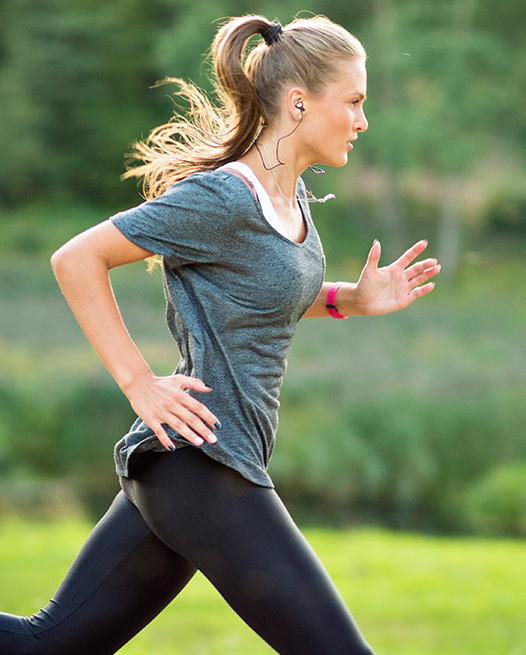
Five properties define whether a fabric qualifies as true sportswear fabric rather than general apparel material. Each is engineered through a combination of fiber selection, knit structure, and finishing treatment.
Moisture-Wicking
Capillary channels in the fiber or yarn pull sweat from the skin to the fabric surface, where it evaporates instead of saturating the garment.
Breathability
Open-knit or mesh constructions allow air to circulate through the fabric, supporting heat dissipation during high-intensity output.
Stretch and Recovery
Spandex or elastane content, typically 5 to 15 percent in sportswear, lets the fabric move with the body and snap back to shape afterward.
Durability
Abrasion-resistant fibers and reinforced knit structures withstand repeated stretching, friction, and washing without pilling or losing shape.
Odor and Bacteria Resistance
Natural fibers like bamboo viscose, or added antimicrobial finishes, slow bacterial growth that causes odor during extended wear.
The knit structure determines how a fabric stretches, breathes, and feels against the skin. Three constructions account for the large majority of sportswear fabric on the market:
Single Jersey
Smooth, lightweight knit with good drape and breathability. The standard choice for T-shirts and casual activewear.
Interlock Knit
A denser, double-layer structure with stronger stretch and recovery. Common in leggings and form-fitting garments.
Mesh Knit
An open-weave structure with maximum airflow. Used for ventilation panels and high-intensity, hot-weather sportswear.
Fiber content is the second major variable after knit construction. Each material brings a different balance of performance, feel, and environmental footprint:
Polyester
Excellent moisture-wicking speed
Strong color retention
Can retain odor without treatment
Recycled Polyester (rPET)
Performance equal to virgin polyester
Lower production carbon footprint
Supply tied to recycled feedstock availability
Nylon
Very high abrasion resistance
Smooth, compression-friendly hand feel
Less breathable than mesh polyester
Bamboo Viscose Blends
Naturally soft, breathable surface
Natural moisture absorption from fiber micro-gaps
Best paired with synthetic fiber for high-output sports
In practice, most premium sportswear fabric today is a blend rather than a single fiber, pairing the wicking speed of polyester or nylon with the stretch of spandex, or combining bamboo viscose with synthetic fibers to add natural moisture absorption and a softer hand feel to a technical base.
GSM, or grams per square meter, measures fabric weight and density. Sportswear fabric typically spans a wider GSM range than casual apparel, since different sports demand different balances of lightness and structure.
Industry sourcing data shows sportswear fabric weights generally range from 140 to 280 gsm depending on garment type and sport, with lighter weights favoring agility and breathability and heavier weights providing additional support, structure, and durability for high-impact or outdoor use.
Reliable sportswear fabric is verified against recognized international testing standards rather than marketing claims alone. The most widely referenced methods include:
AATCC 197, developed by the American Association of Textile Chemists and Colorists, measures vertical and horizontal moisture wicking behavior and is the most commonly referenced wicking benchmark in performance textile sourcing.
ASTM E96, published by ASTM International, measures the water vapor transmission rate of a fabric, indicating how effectively moisture vapor passes through the material rather than just along its surface.
ASTM F2370 measures evaporative resistance using a sweating manikin method, providing a whole-garment view of thermal and moisture comfort rather than a swatch-level test.
ISO 11092, maintained by the International Organization for Standardization, evaluates thermal resistance and water vapor resistance, and is the standard most commonly referenced in European performance textile sourcing.
Sustainability has become a core sourcing requirement in sportswear fabric, not a secondary consideration. Two approaches lead the shift toward lower-impact production:
Recycled Polyester and Nylon
Made from post-consumer plastic waste such as bottles and pre-existing nylon, recycled synthetics deliver the same wicking and durability performance as virgin fiber while reducing reliance on new petroleum-based raw material.
Dope Dyeing
Pigment is added to the fiber before spinning rather than dyed afterward, significantly reducing water consumption and dye chemical discharge compared to conventional piece dyeing.
As one practical example of this approach, dope dyeing applied across roughly 40 percent of production at a major bamboo and recycled fiber mill has been reported to save an average of 60 tons of water per ton of fabric produced, reduce dye and auxiliary chemical use by 150 kg per ton, and cut carbon dioxide emissions by approximately 750 kg per ton compared to conventional dyeing methods, illustrating the scale of impact this single process change can deliver at production volume.
The BAMSILK(TM) sportswear collection is built around recycled polyester and recycled nylon spandex blends, engineered for the moisture-wicking, breathability, and stretch recovery that athletic garments require, with sustainability built into the fiber source itself. Below are three fabrics from the collection:
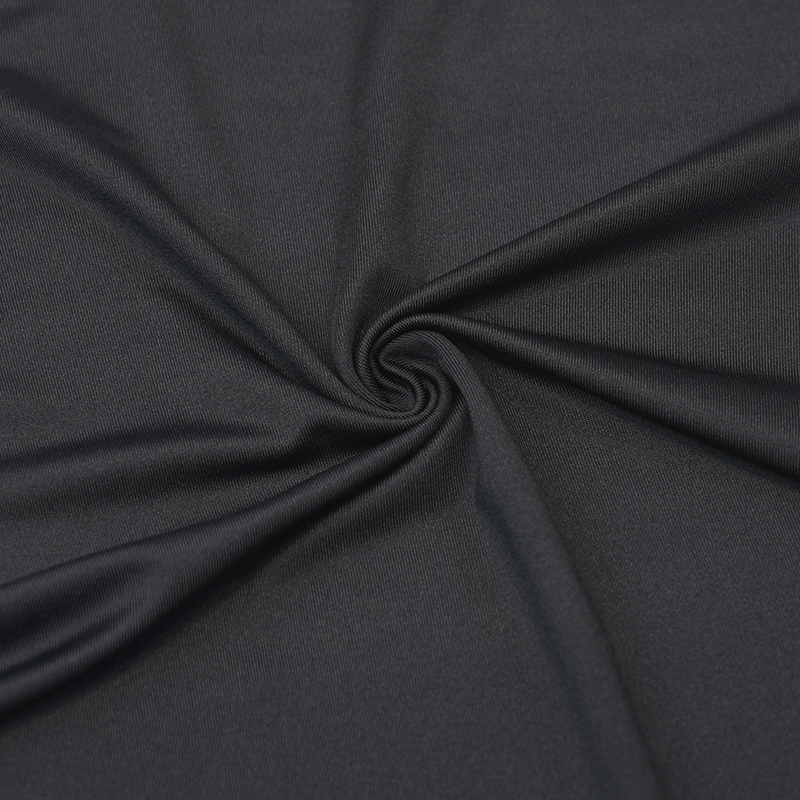
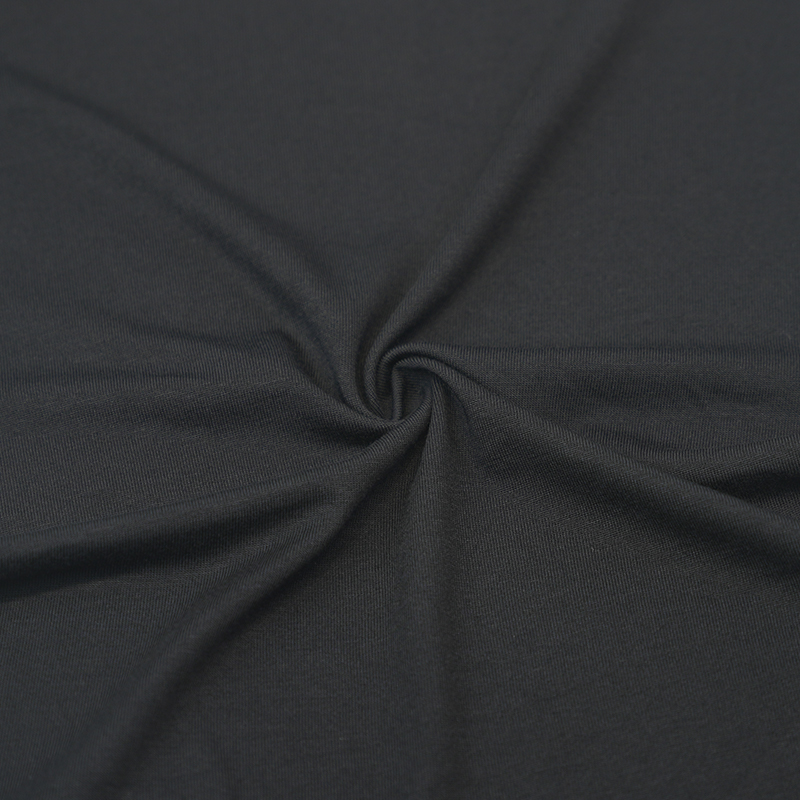
Recycled Polyester Spandex Jersey Sportswear Fabric
94% recycled polyester 6% spandex
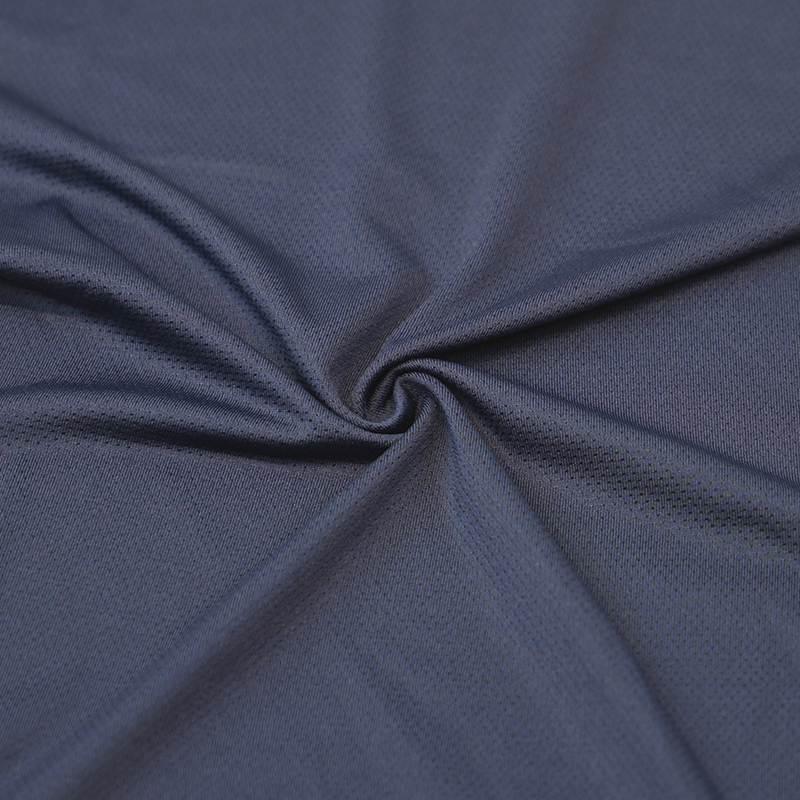
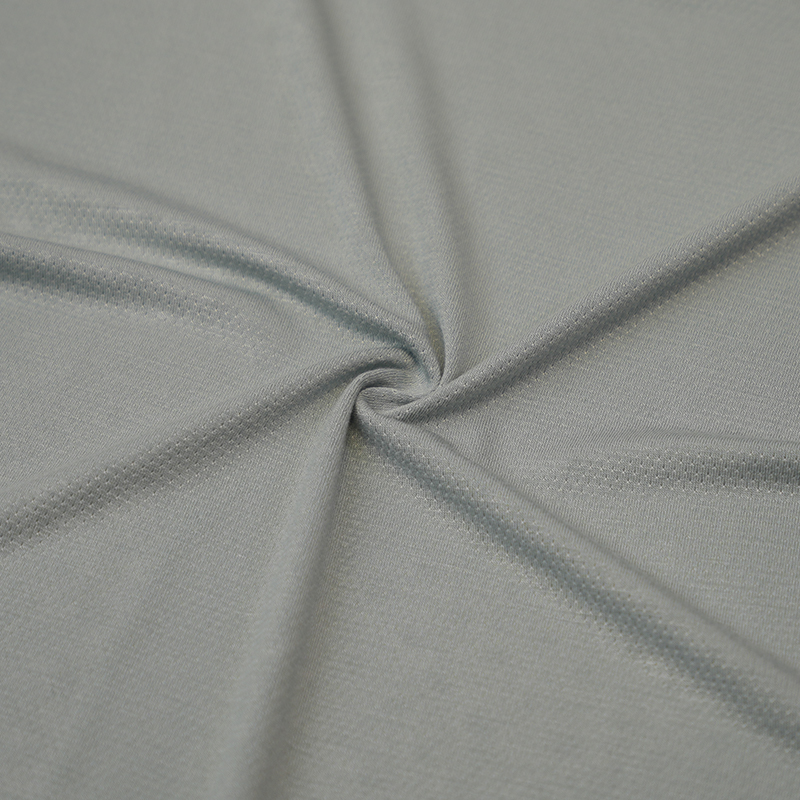
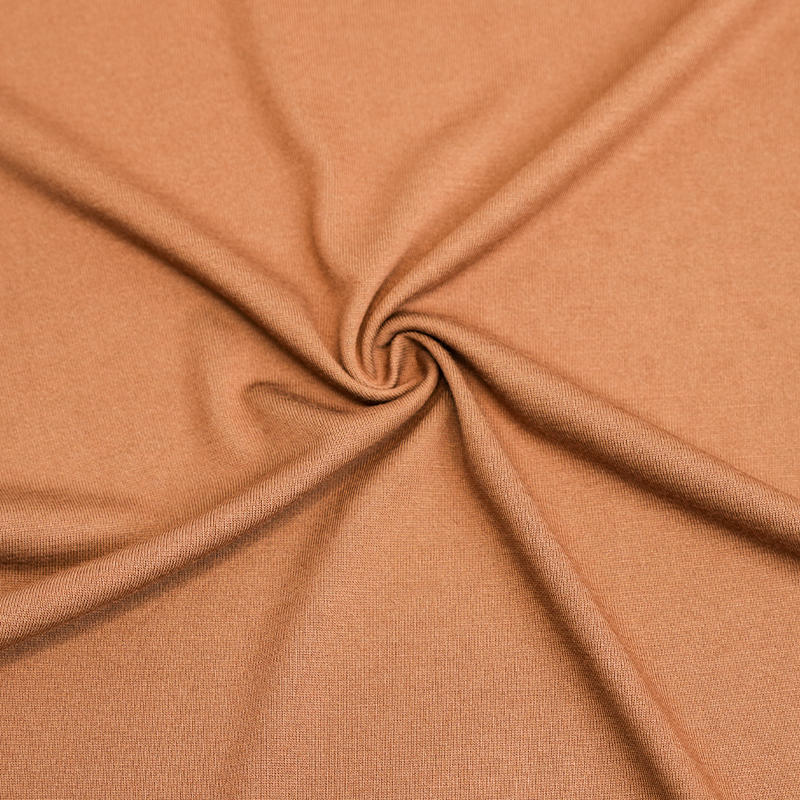
Recycled Polyester Spandex Mesh Sportswear Fabric
89% recycled polyester 11% spandex
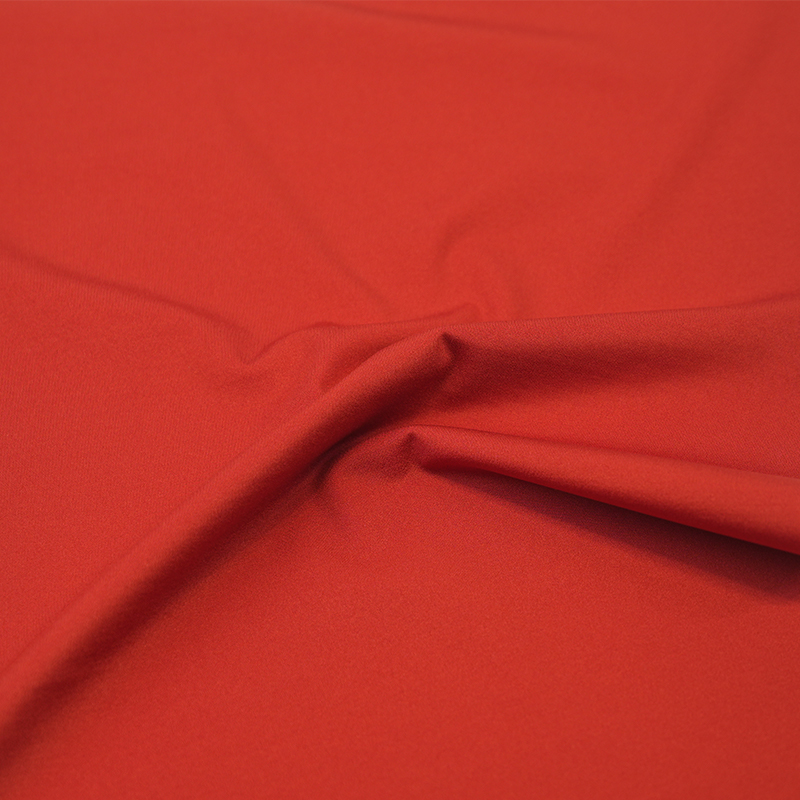
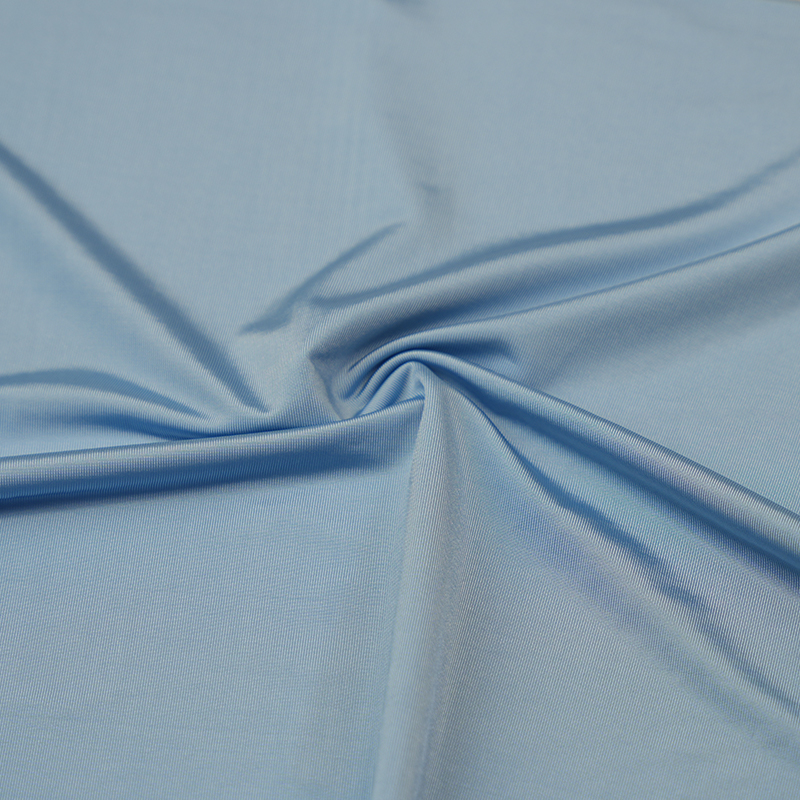
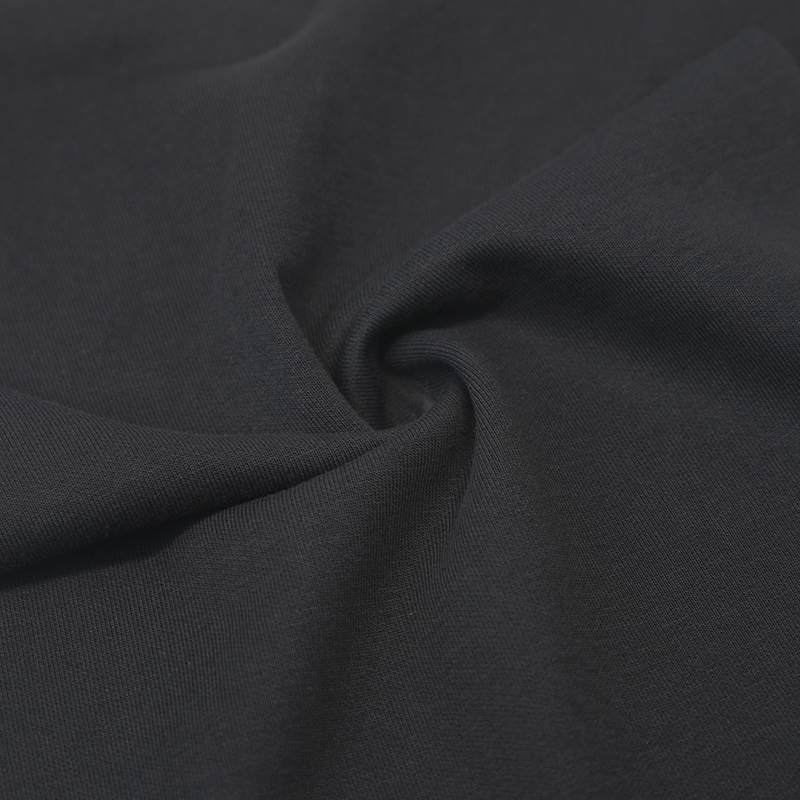
Recycled Nylon Spandex Sportswear Interlock Fabric
75% recycled nylon 25% spandex
These three fabrics represent only a portion of the available range. View the full BAMSILK(TM) sportswear fabric collection here to explore additional constructions, including fleece, mesh underwear-weight fabrics, and dryable jersey options suited to a wider range of garment types.
Polyester is the most widely used sportswear fabric, largely because it wicks moisture efficiently, dries quickly, retains color well through repeated washing, and costs less to produce at scale than most alternatives. Nylon and recycled polyester follow closely behind, particularly in compression garments and sustainability-focused product lines.
Cotton is generally avoided in performance sportswear because it absorbs moisture rather than wicking it away, becoming heavy and slow-drying during sweat-intensive activity. It does appear in low-intensity athleisure and casual gym wear, often blended with polyester to offset cotton's drying limitations.
Recycled polyester (rPET) is produced from post-consumer plastic waste, most commonly plastic bottles, rather than newly extracted petroleum. Performance characteristics, including moisture-wicking, durability, and stretch when blended with spandex, are essentially equivalent to virgin polyester, while production generally requires less energy and results in a lower carbon footprint.
Most sportswear garments require fabric with 5 to 15 percent spandex or elastane content to achieve four-way stretch suited to dynamic movement. The exact amount depends on the garment: fitted leggings and compression wear typically sit at the higher end of that range, while looser training tops can use less.
Mesh construction increases airflow by reducing fiber density, which can mean lower abrasion resistance compared to a tightly knitted jersey or interlock of the same weight. For this reason, mesh is typically used in targeted ventilation zones rather than across an entire garment, paired with a denser knit in high-friction areas like underarms and inner thighs.
Moisture-wicking test methodology (AATCC 197) is published by the American Association of Textile Chemists and Colorists; see aatcc.org for current standard documentation.
Water vapor transmission and evaporative resistance test methods (ASTM E96, ASTM F2370) are published by ASTM International; see astm.org for current standard documentation.
Thermal and water vapor resistance testing (ISO 11092) is maintained by the International Organization for Standardization; see iso.org for current standard documentation.
Sportswear fabric GSM range (140 to 280 gsm) reflects standard apparel manufacturing sourcing benchmarks used across the activewear production industry.
Dope dyeing water and emissions reduction figures reflect production data reported by Nantong Tianhong Textile Technology Co., Ltd. on its corporate sustainability disclosures.
All figures are presented as general industry and supplier-reported benchmarks for educational purposes; actual fabric specifications vary by mill, fiber source, and finishing process.
Related Products
Contact Us for More Details
Don't hesitate to contact when you need us!
Contact Information
Add:
Room 806, Building D, Jingyang Plaza, Chongchuan District, Nantong City, Jiangsu Province, China
E-mail:
Product Category
QR Code
Join our community and stay connected
 English
 Español
 Tiếng Việt