Language

2026-07-03
Content
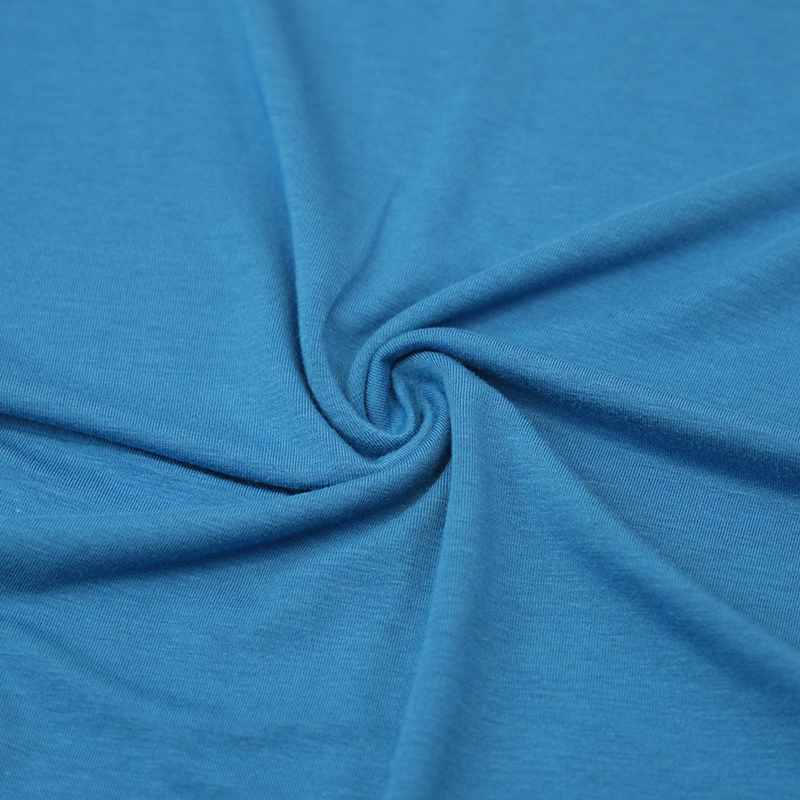
T-shirt fabric refers to knitted textiles used to make T-shirts and similar casual garments, most commonly made from cotton, polyester, rayon, or blends of these fibers. The defining characteristic of true T-shirt fabric is its knit construction, which gives the material natural stretch, softness, and breathability that woven fabrics do not have.
The most common type of T-shirt fabric is called single jersey knit, sometimes simply referred to as jersey fabric. It is the lightweight, smooth-faced knit you feel on the inside of nearly every basic T-shirt. Other knit structures, including rib knit, interlock, and pique, are also used depending on the garment style and intended use.
T-shirt fabric is sold both as finished garments and as raw yardage for sewing, crafting, and small-batch garment production. Buyers searching for T-shirt fabric are typically looking for one of three things: yardage to sew their own garments, bulk fabric for apparel manufacturing, or information to help them choose a higher-quality T-shirt when shopping.
T-shirt fabric can be made from natural fibers, synthetic fibers, or a blend of both. The fiber content determines how the fabric feels, breathes, stretches, and holds up over time. Here is a breakdown of the materials most commonly used:
| Fiber | Feel | Breathability | Durability |
|---|---|---|---|
| 100 percent Cotton | Soft, natural | Good | Moderate |
| Polyester | Smooth, slightly synthetic | Moderate | Excellent |
| Rayon / Viscose | Very soft, fluid drape | Good | Lower |
| Bamboo Viscose | Silky soft | Excellent | Moderate |
| Cotton-Poly Blend | Soft with structure | Good | Very Good |
| Cotton-Spandex Blend | Soft, elastic | Good | Good |
A small amount of spandex or elastane, typically 3 to 5 percent, is often added to T-shirt fabric to improve shape retention and stretch recovery, preventing the garment from bagging out at the neckline and sleeves after repeated wear and washing.
T-shirt fabric is knitted, not woven. This is the single most important technical fact that defines the material. Knit fabrics are constructed by interlocking loops of yarn, which is what gives T-shirt fabric its characteristic stretch in all directions. Woven fabrics, by contrast, are made by crossing two sets of yarns at right angles, producing a fabric with little to no natural stretch.
This distinction explains several behaviors people notice when working with T-shirt fabric. Knit fabric edges curl naturally when cut because the loop structure relaxes once it is no longer held in tension by the surrounding fabric. It also explains why T-shirt fabric does not fray significantly at cut edges the way woven fabric does, since there are no individual crossing threads to unravel, only interconnected loops.
Beyond knit structure, T-shirt fabric is also categorized by fiber content and finishing. Understanding these categories helps when comparing fabric by the yard, evaluating finished garments, or sourcing material for production.
| Fabric Type | Texture | Typical Use |
|---|---|---|
| Single Jersey | Smooth, lightweight | Basic tees, casual wear |
| Interlock | Smooth, thicker | Premium tees, dresses, loungewear |
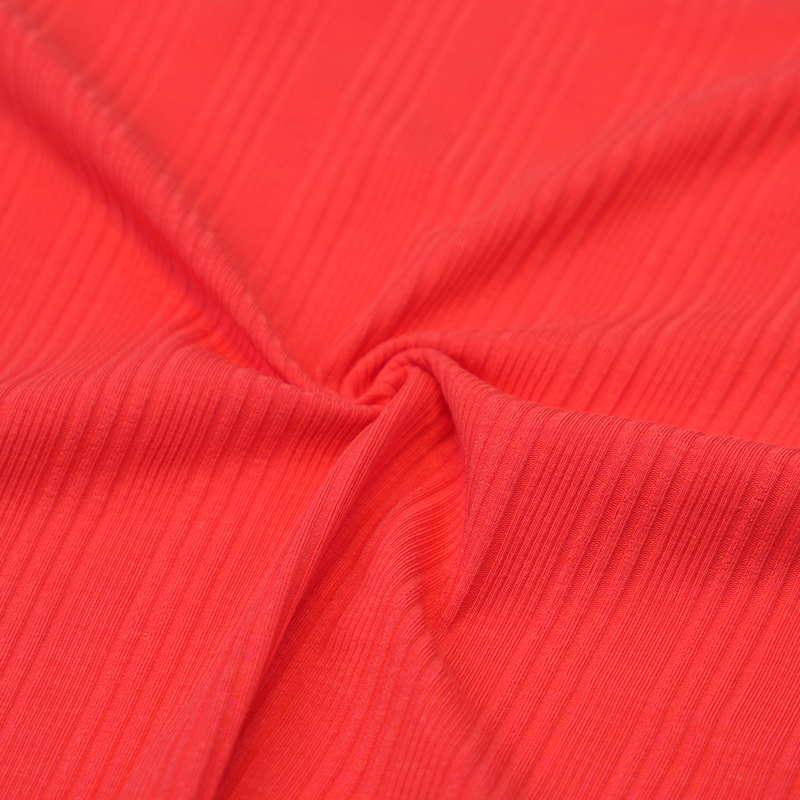
| Rib Knit | Ribbed, elastic | Collars, cuffs, fitted tees |
| Pique | Textured, raised pattern | Polo shirts |
| Slub Jersey | Irregular, textured | Fashion and vintage-style tees |
| French Terry | Looped back, soft face | Loungewear, casual sweatshirts |
GSM stands for grams per square meter, and it is the standard unit used across the textile industry to measure fabric weight and density. A higher GSM means a heavier, thicker fabric, while a lower GSM means a lighter, more lightweight material. GSM is one of the most useful numbers to check when comparing T-shirt quality, because it directly affects opacity, durability, and how the garment drapes.
| GSM Range | Classification | Typical Feel |
|---|---|---|
| 120 to 140 gsm | Lightweight | Sheer, breathable, summer wear |
| 150 to 180 gsm | Mid-weight | Most common range for everyday T-shirts |
| 180 to 220 gsm | Heavyweight | Sturdy, opaque, premium tee feel |
| 220 gsm and above | Extra heavyweight | Workwear-style tees, structured loungewear |
Most mainstream retail T-shirts fall in the 150 to 180 gsm range, balancing comfort, durability, and cost. The heaviest commonly available T-shirt fabric typically exceeds 220 gsm, producing a noticeably structured, almost workwear-style garment that resists show-through and holds its shape well over repeated washes.
T-shirt fabric production follows a defined sequence from raw fiber to finished roll of cloth. Understanding the process helps explain why fabric quality varies so widely between suppliers.
Fabric mills that maintain tight control over yarn quality, knitting tension, and finishing chemistry consistently produce more durable, better-draping T-shirt fabric than mills that prioritize speed over precision at each stage.
There is no single best T-shirt fabric for every situation, but the qualities that define a good T-shirt fabric are consistent: softness against the skin, reliable shape retention after washing, good breathability, and color that does not fade quickly. The right choice depends on intended use, climate, and personal preference.
Quality fabric also depends heavily on finishing and certification. Fabrics certified to standards such as OEKO-TEX Standard 100 have been independently tested for harmful substances, while certifications like GOTS (Global Organic Textile Standard) and OCS (Organic Content Standard) verify the organic content and responsible processing of the raw fiber.
These three fiber families account for the vast majority of T-shirt fabric on the market today. Each has distinct strengths depending on what the wearer or buyer values most:
| Property | Cotton | Polyester | Bamboo Viscose |
|---|---|---|---|
| Softness | Very Good | Good | Excellent |
| Breathability | Good | Moderate | Excellent |
| Shrinkage Risk | Moderate to High | Low | Moderate |
| Color Retention | Good | Excellent | Good |
| Biodegradability | High | Low | High |
Many premium T-shirt fabrics today are blends rather than single-fiber materials, combining the strengths of two or more fibers. A cotton-polyester blend reduces shrinkage and improves durability while retaining cotton softness. A bamboo-spandex blend adds stretch and shape retention to the natural softness and breathability of bamboo viscose. These engineered combinations are increasingly the standard in mid-to-premium T-shirt production.
T-shirt fabric behaves differently from woven fabric, and a few technique adjustments make a significant difference in the finished result, whether you are sewing a garment from scratch or repurposing fabric scraps.
T-shirt fabric edges curl because the knit loops relax once cut, not because the fabric is unraveling. To minimize curling while cutting, lay the fabric flat without stretching it, use a rotary cutter with a sharp blade rather than scissors for cleaner edges, and cut on a single layer rather than folded fabric whenever precision matters. Spray starch lightly applied before cutting can also temporarily stabilize the edge and reduce curl during the cutting process.
Because knit fabric stretches, standard straight-stitch sewing machines can produce seams that pop or pucker under tension. A walking foot or a zigzag stitch with a slight width allows the seam to stretch with the fabric instead of breaking. For hemming, a twin needle creates two parallel rows of stitching on the right side with a stretchy zigzag on the underside, replicating the look of a professional ready-to-wear hem while maintaining the necessary stretch.
Most T-shirt patterns are designed for fabric with 25 to 50 percent stretch in the crosswise direction. Fabric with less stretch than the pattern requires will produce a tight, restrictive garment, while fabric with significantly more stretch than required can result in a loose, poorly fitted shape. Checking the recovery, meaning how well the fabric snaps back after being stretched, is equally important as the stretch percentage itself, since fabric with poor recovery will bag out at the seams over time.
New T-shirt fabric, particularly heavier cotton constructions, can feel stiffer than expected right off the bolt or out of the package. This is usually due to residual sizing agents applied during manufacturing rather than a flaw in the fabric itself.
For bleaching cotton T-shirt fabric to white, diluted chlorine bleach can be used safely on 100 percent cotton, but it should be avoided on fabric blends containing spandex or polyester, since bleach degrades elastane fibers and can yellow synthetic content rather than whiten it. Oxygen-based bleach alternatives are a gentler option that works across more fiber types.
Beyond garment sewing, T-shirt fabric and leftover scraps have a wide range of practical applications due to their softness, stretch, and lack of fraying:
For fabric scraps that cannot be reused at home, many textile recycling programs and donation centers accept clean fabric remnants specifically for fiber recycling or quilting charity programs, keeping usable material out of landfills.
T-shirt fabric is a popular surface for fabric paint, spray paint, and other decorative techniques, but successful results depend on matching the paint type and finishing process to the fiber content.
After applying fabric paint or fabric spray paint, most products require heat setting to bond the pigment permanently into the fabric fibers. This is typically done with a household iron on the reverse side of the painted design, using a medium-high heat setting and a pressing cloth to protect both the iron and the painted surface, for 30 to 60 seconds depending on the paint manufacturer's instructions. Some specialty fabric paints are heat-set in a clothes dryer cycle instead. Always check the specific paint product instructions, since formulations vary and synthetic-heavy fabric blends may require lower heat settings than 100 percent cotton to avoid scorching.
Where to source T-shirt fabric depends largely on the quantity needed and the intended use:
For brands and manufacturers sourcing at scale, working directly with a fabric mill provides access to consistent dye lots, documented certifications, and the ability to develop custom fiber blends, advantages that are difficult to achieve when purchasing through retail or small-wholesale channels.
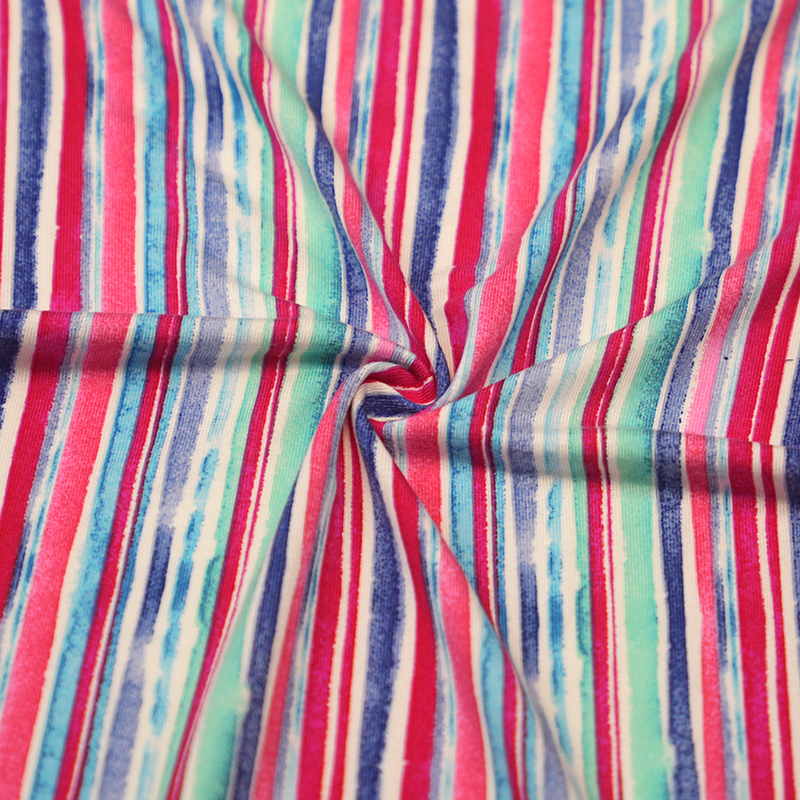
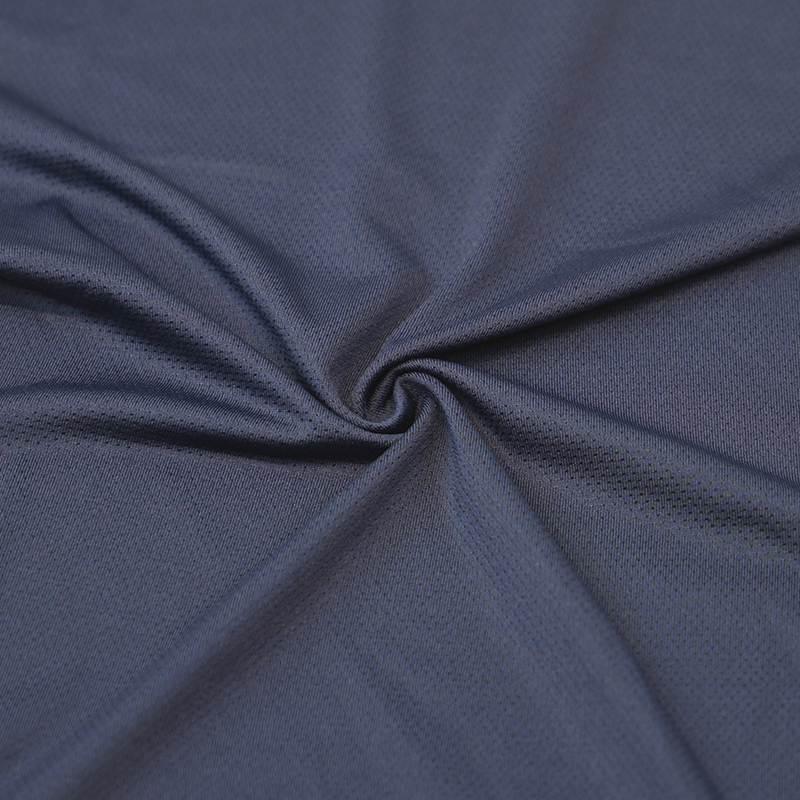
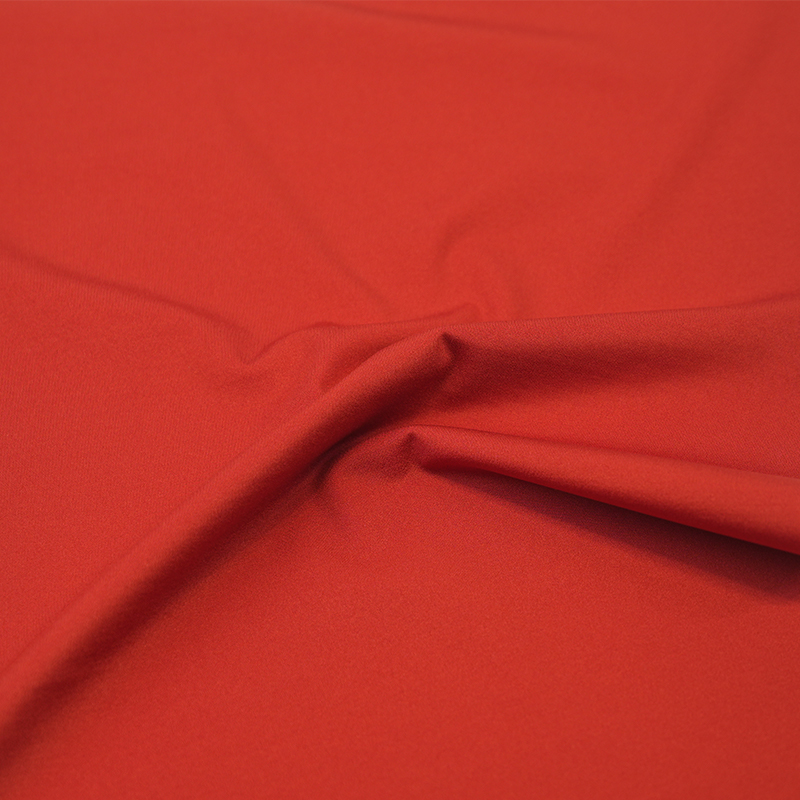
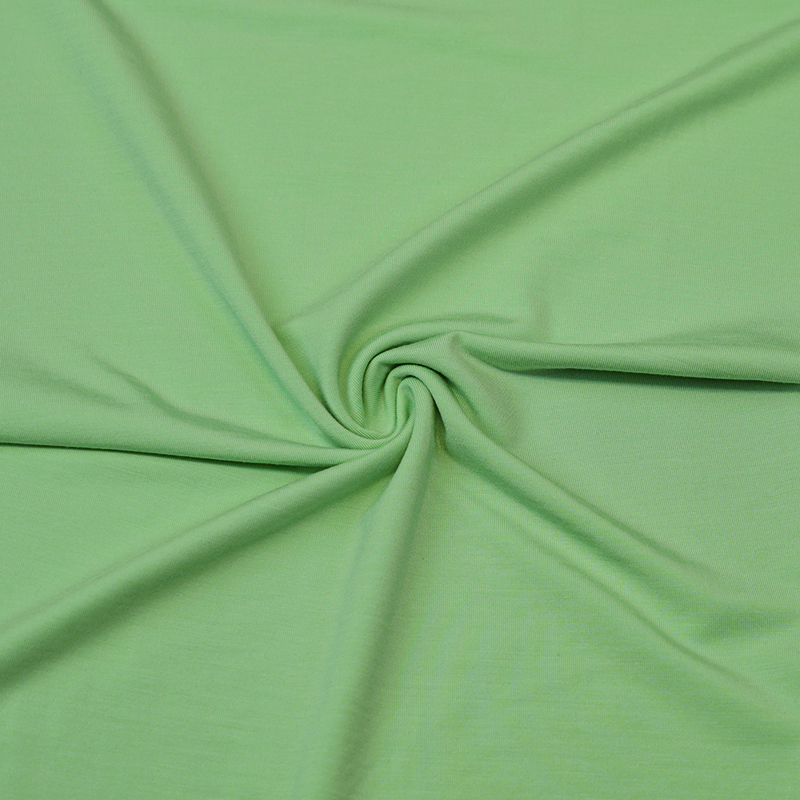
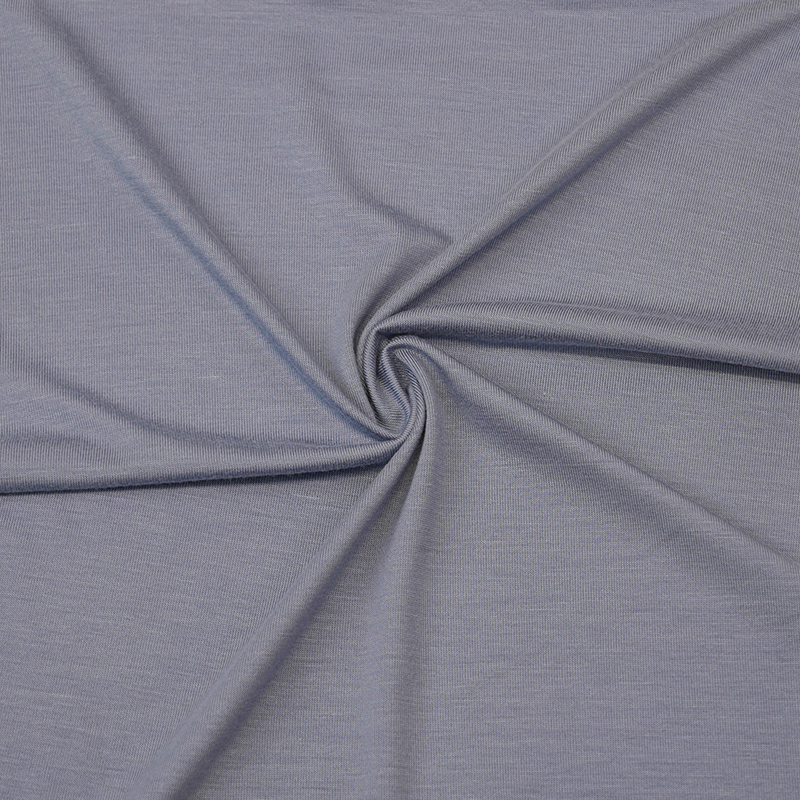
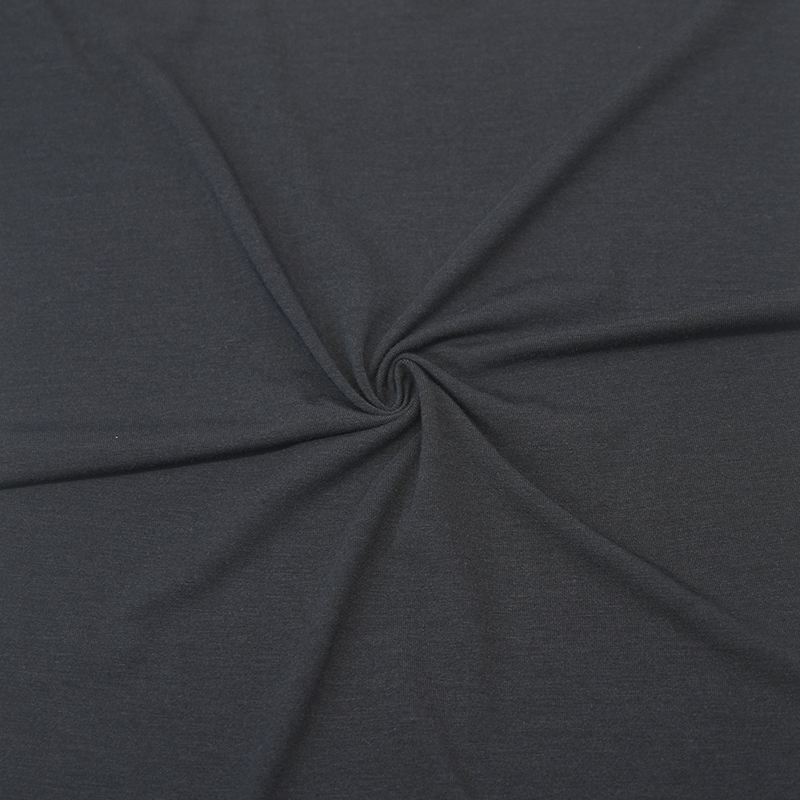
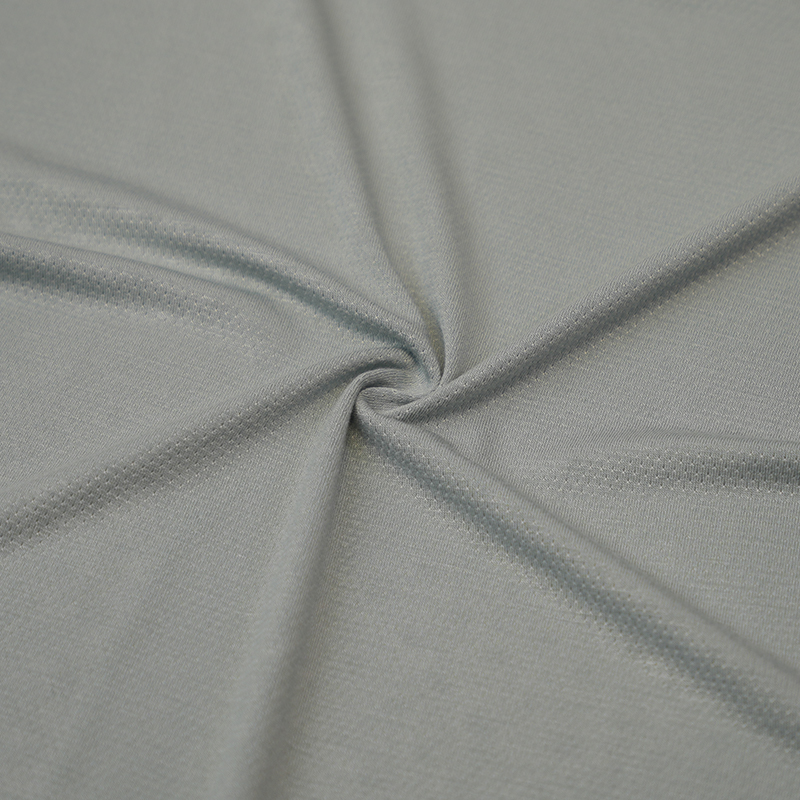
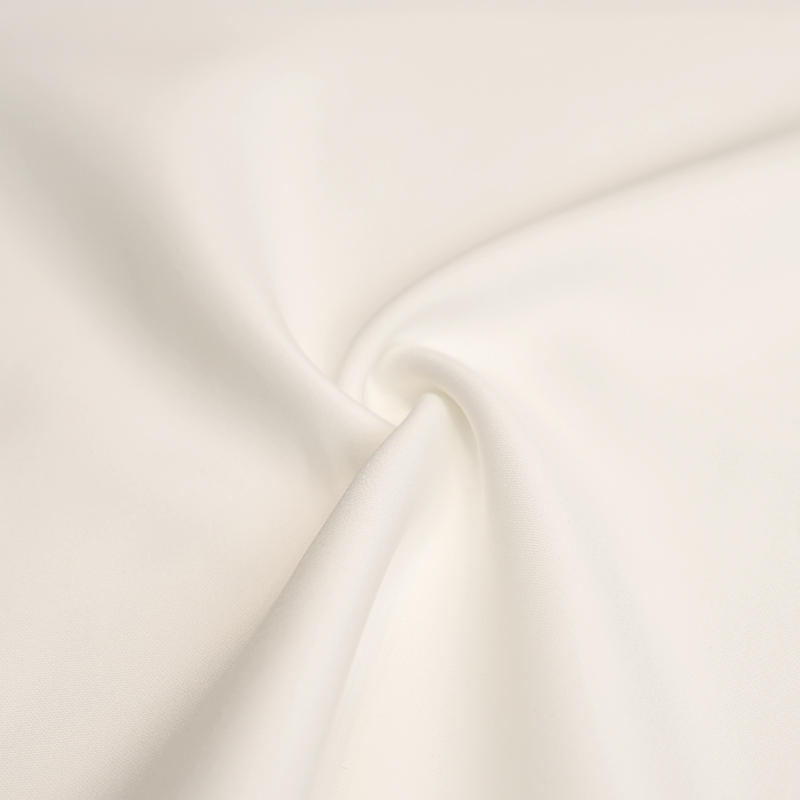
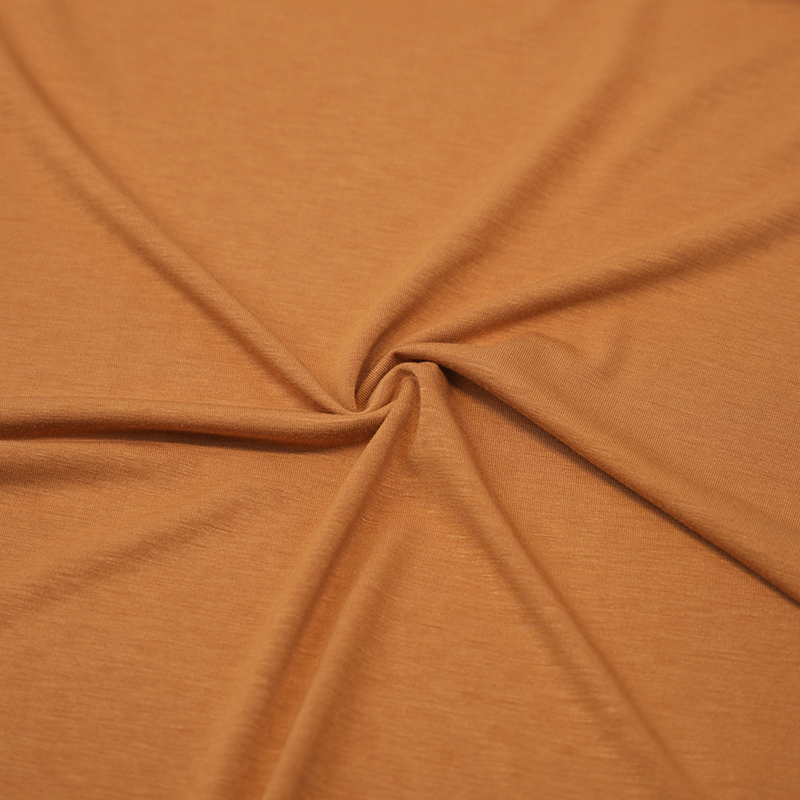
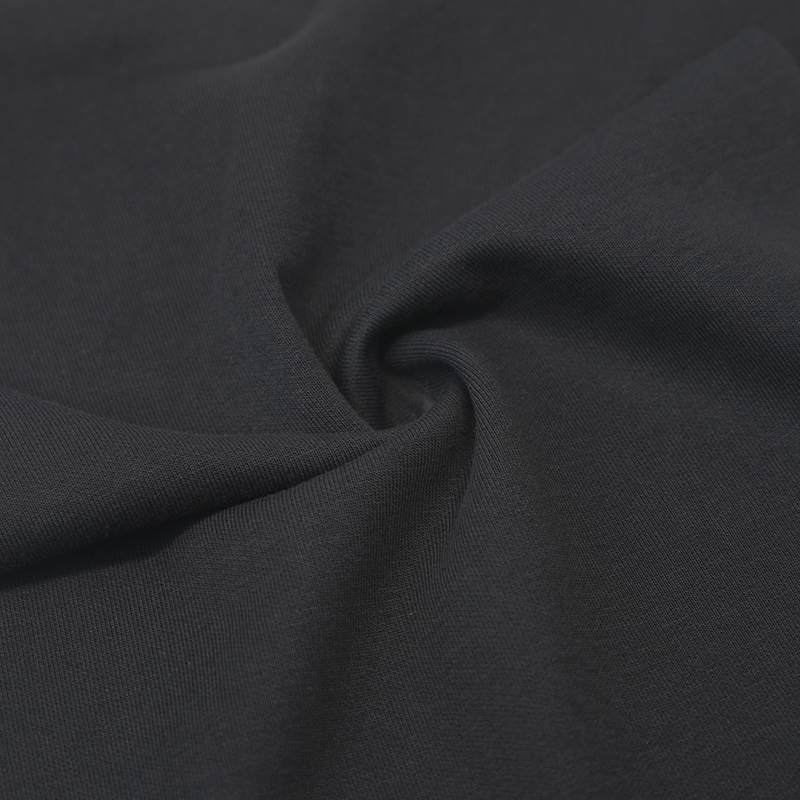
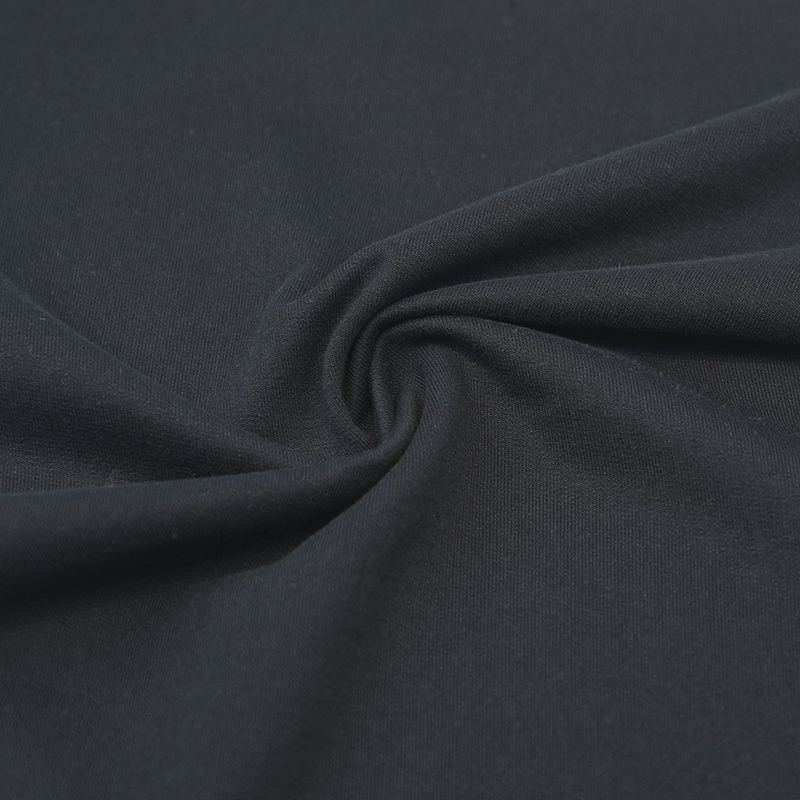
Whether you are looking for casual fashion or freedom of movement, the BAMSILK(TM) collection of T-shirt fabrics offers a range of options developed specifically for garment comfort and performance. From soft texture and great breathability to moisture wicking and durability, each fabric is carefully engineered to deliver a great wearing experience. Environmental responsibility is built into the selection process as well, with fabrics that are harmless and certified to standards including FSC, OEKO-TEX Standard 100, OCS, and GOTS, supporting both wearer health and environmental protection.
The BAMSILK(TM) T-shirt fabric range spans multiple fiber blends and knit constructions, giving apparel brands and manufacturers flexibility to match fabric properties precisely to garment style and end use:
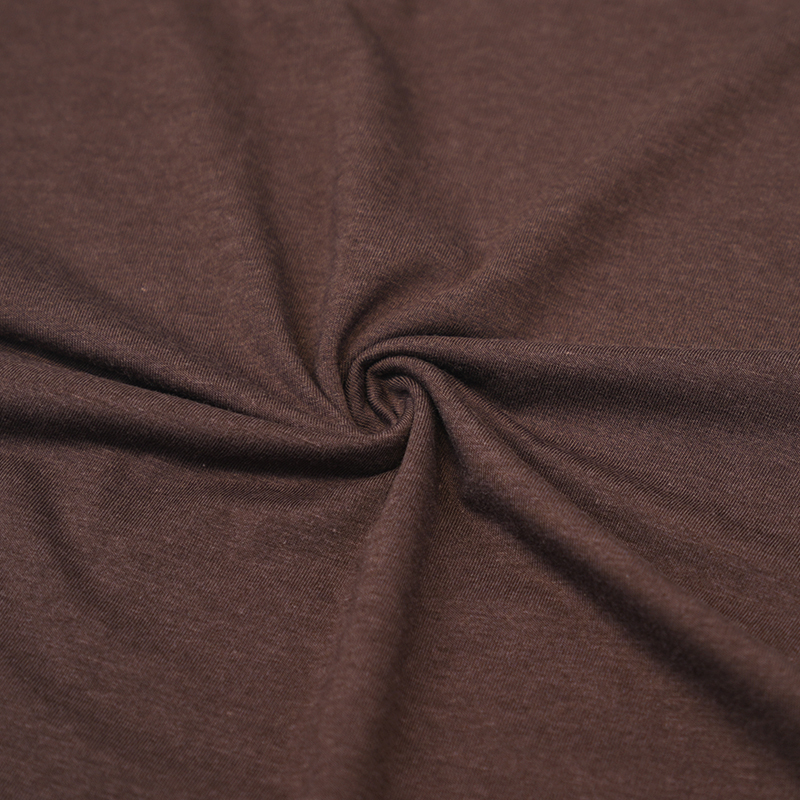
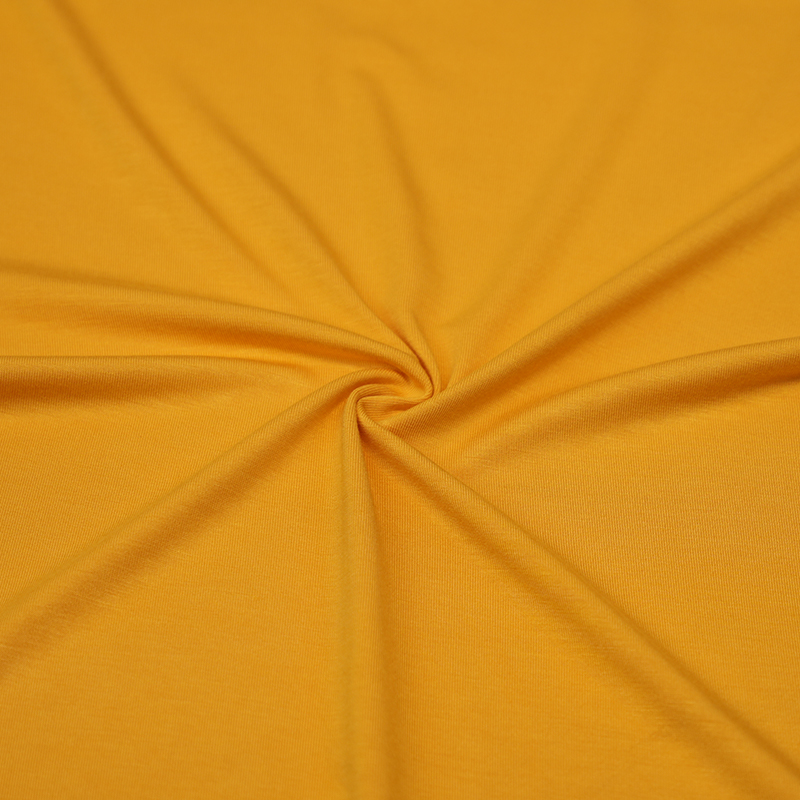
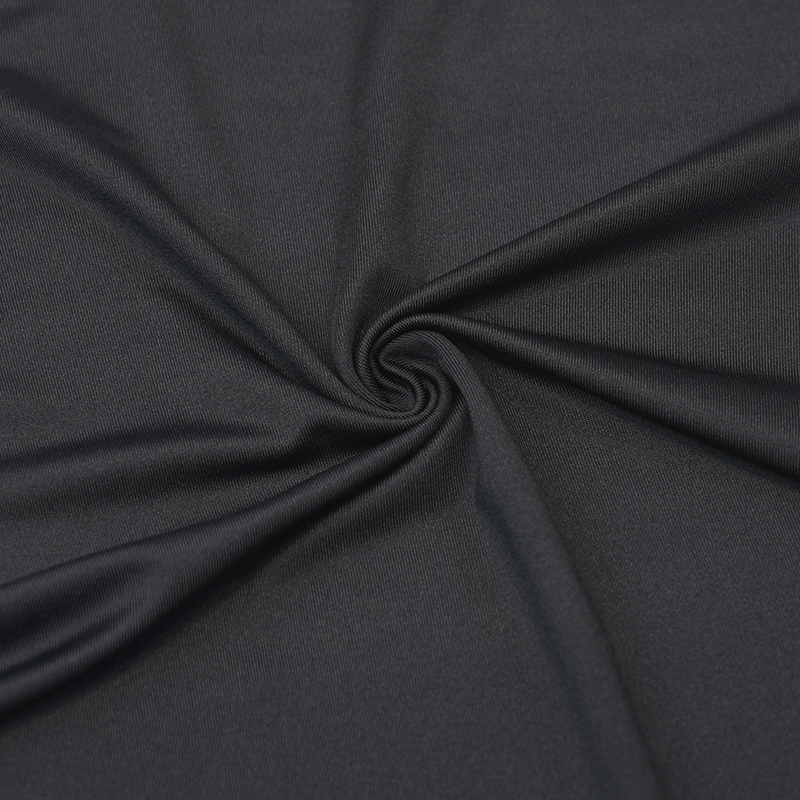
The most common T-shirt fabric is called jersey knit, or simply jersey. When made from cotton, it is often referred to as cotton jersey. Other named variations include interlock, rib knit, pique knit, and slub jersey, each describing a specific knit structure used for different garment styles.
A smooth, tightly knitted 100 percent cotton jersey in the 150 to 180 gsm range generally produces the best results for fabric paint and screen printing, since the flatter surface and lower stretch hold pigment more evenly than heavily textured or highly elastic knits. Cotton-poly blends with a high cotton percentage also work well and offer improved shrink resistance.
100 percent cotton T-shirt fabric typically shrinks 3 to 5 percent after the first wash and dry cycle if not pre-shrunk during finishing. Cotton-polyester blends shrink significantly less, often under 2 percent, because the polyester content resists the fiber relaxation that causes cotton shrinkage. Pre-washing fabric before cutting and sewing is the most reliable way to avoid unexpected shrinkage in a finished garment.
T-shirt fabric sheets typically refer to pre-cut, printable jersey sheets designed for use with inkjet printers or specific craft applications, often backed with a removable paper layer for feeding through home printers. Standard fabric yardage is sold by the linear meter or yard from a continuous roll and is intended for general sewing and garment construction rather than direct printing.
Most ready-to-wear T-shirts list fiber content and care instructions on the garment label, which narrows down the fabric type but does not identify the specific mill or fabric code used. To find an exact match, sewists typically need to compare fiber content, GSM weight, and knit structure against samples from fabric suppliers, since most designers source from private mill relationships that are not publicly disclosed.
Not necessarily. Heavier fabric, generally above 200 gsm, tends to be more durable and opaque, but it is not automatically higher quality. Fiber quality, yarn consistency, knitting precision, and finishing all affect the actual performance and feel of the fabric independent of weight. A well-made 160 gsm fabric can outperform a poorly finished 220 gsm fabric in softness, durability, and overall wearing experience.
Related Products
Contact Us for More Details
Don't hesitate to contact when you need us!
Contact Information
Add:
Room 806, Building D, Jingyang Plaza, Chongchuan District, Nantong City, Jiangsu Province, China
E-mail:
Product Category
QR Code
Join our community and stay connected
 English
 Español
 Tiếng Việt