Language

2026-06-26
Content
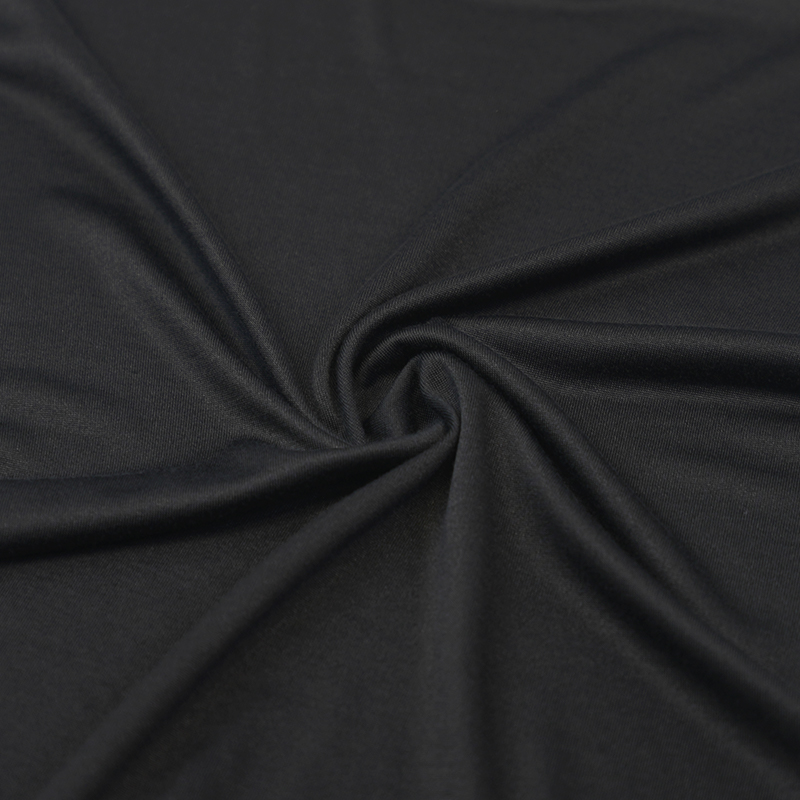
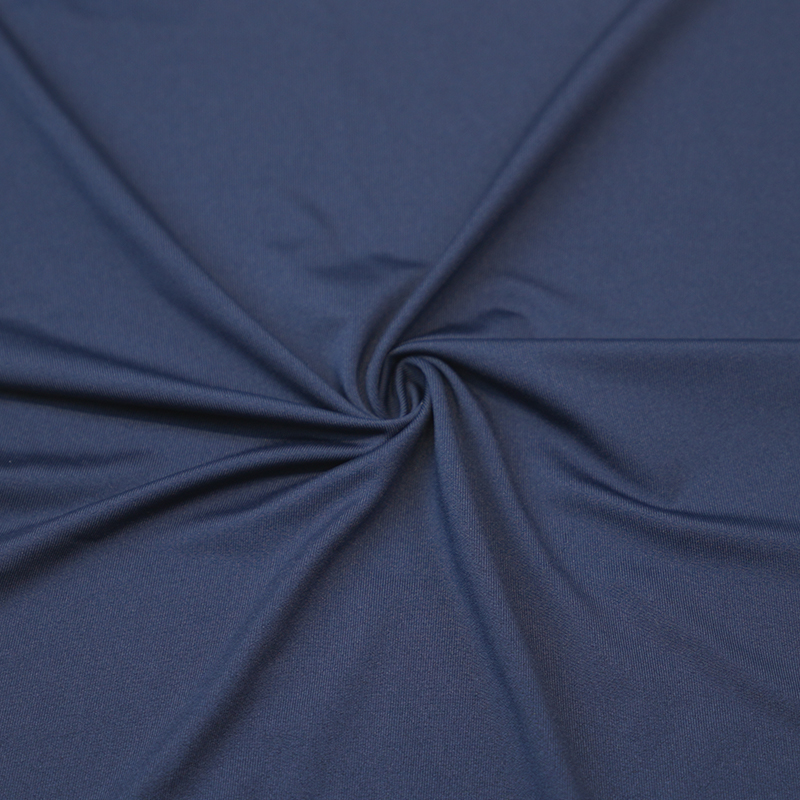
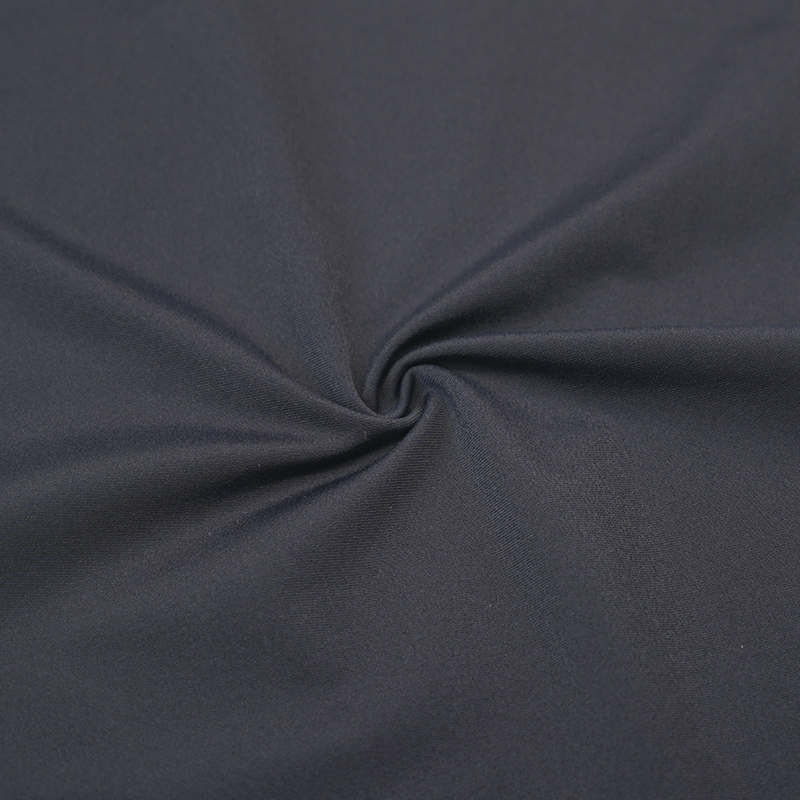
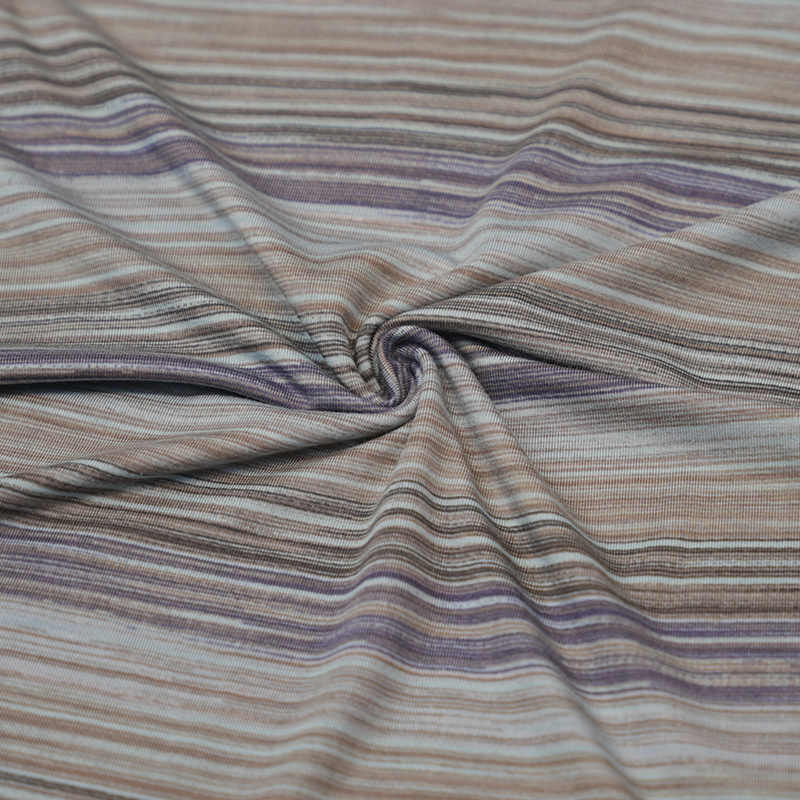
Underwear fabric is any textile used in the construction of undergarments worn directly against the skin. Because it sits closest to the body, the fabric choice matters more for underwear than for almost any other garment category - directly affecting comfort, hygiene, breathability, stretch, and durability. This guide covers everything you need to know: the main fabric types, key performance properties, how leading materials compare, and how to choose the right underwear fabric for your product line or brand.
Not all fabrics are suitable for underwear. Because the garment is worn next to skin - often for extended periods - the fabric must meet a specific set of performance criteria. Here are the properties that define a quality underwear fabric:
Fabric must be gentle against sensitive skin with no roughness, friction, or abrasion - especially at seams and waistbands.
Air circulation prevents moisture buildup and heat, reducing the risk of irritation and bacterial growth during all-day wear.
Four-way stretch (typically achieved with spandex blends) ensures a close, comfortable fit that moves with the body without sagging.
Good underwear fabric either absorbs moisture (natural fibers) or wicks it away from skin (synthetics), keeping the wearer dry and fresh.
Underwear is washed frequently. Fabrics must resist pilling, color fading, and elastic deterioration across many wash cycles.
Fabrics free from harmful chemicals and allergens are essential for garments in direct skin contact - especially important for sensitive skin.
The underwear fabric market today covers a wide spectrum - from classic natural fibers to high-performance sustainable blends. Understanding each fabric type helps brands and manufacturers select the right material for their target consumer and use case.
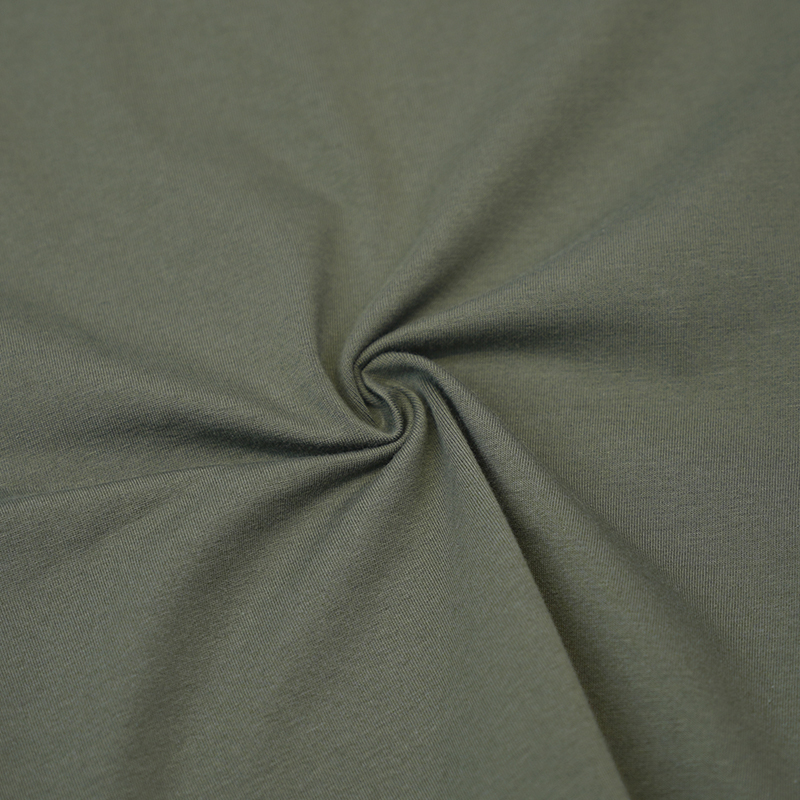
Cotton remains the most widely used underwear fabric globally. Its natural breathability, softness, and accessibility make it a reliable everyday choice. Organic cotton - grown without synthetic pesticides or fertilizers and certified under standards like GOTS or OCS - offers the same comfort with a significantly lower environmental impact. When blended with spandex, cotton gains the stretch and shape retention needed for modern underwear construction.
Cotton underwear is best suited to everyday casual wear, loungewear, and sensitive skin applications. It is less ideal for high-intensity athletic use, where moisture retention can become an issue.
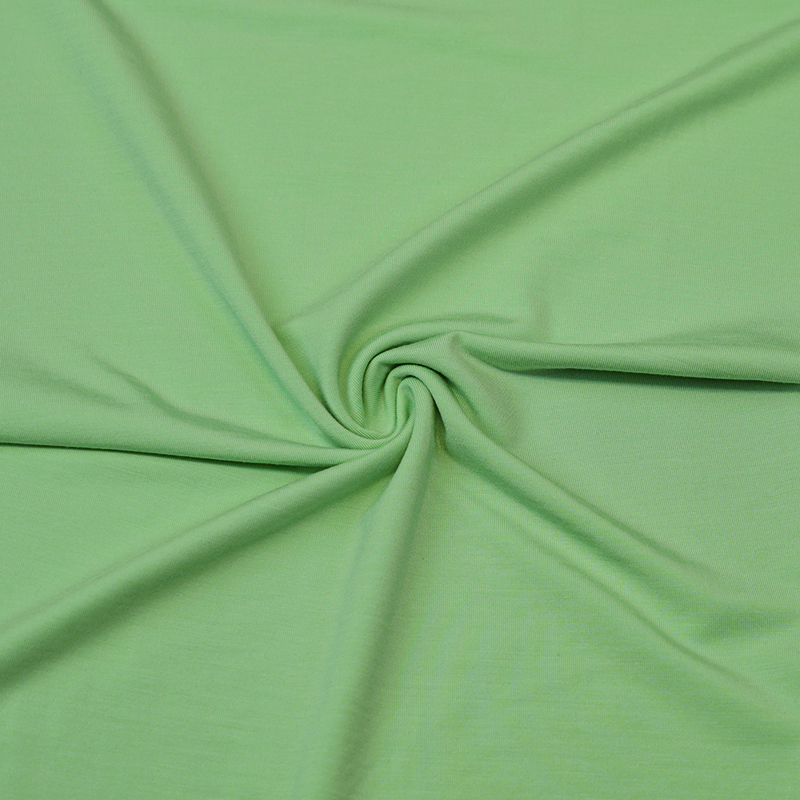
Modal is a semi-synthetic fiber derived from beechwood pulp. It is widely regarded as one of the softest underwear fabrics available - often described as silkier and smoother than cotton. Modal can absorb moisture more effectively than cotton, wicking it away from the skin and releasing it into the air. This makes it an excellent all-day comfort fabric for both everyday and active underwear.
Modal blended with spandex is a popular construction in premium underwear lines for its fluid drape, excellent stretch recovery, and resistance to shrinking or fading after repeated washing.
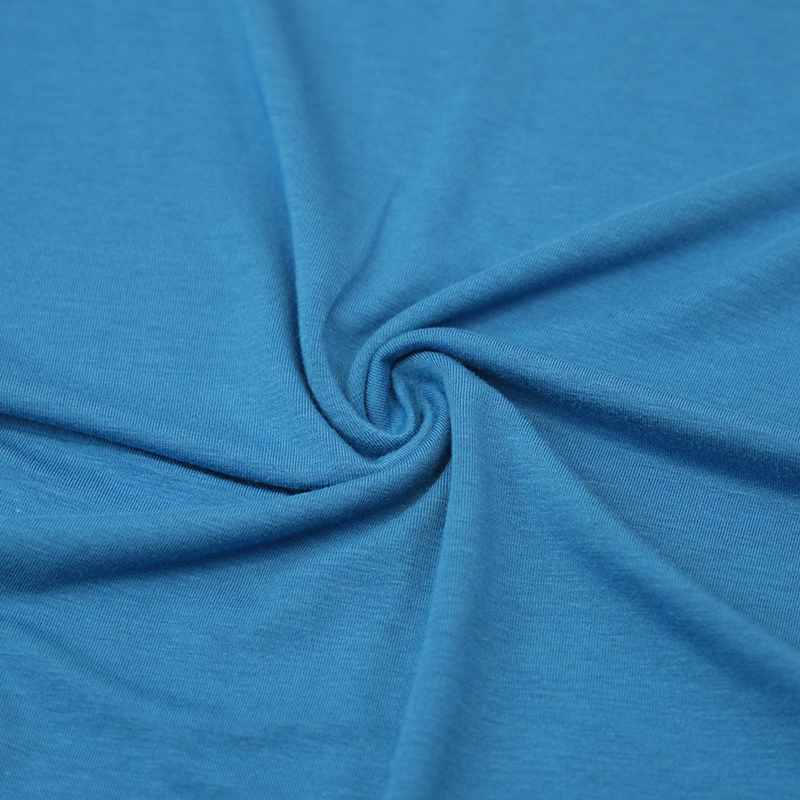
Bamboo viscose - a regenerated cellulose fiber produced by chemically processing bamboo pulp - has become one of the fastest-growing underwear materials. It is known for its exceptional softness (often compared to silk or cashmere), lightweight feel, and excellent moisture-wicking properties. These qualities make bamboo viscose especially well-suited to all-day underwear for sensitive or heat-prone skin.
Blended with organic cotton or spandex, bamboo viscose delivers a luxuriously soft, stretchy, and breathable underwear fabric with strong sustainability credentials - particularly when certified under FSC, OCS, or OEKO-TEX standards. For brands seeking verified organic sourcing, look for viscose derived from organically grown bamboo to ensure the raw material meets certified organic standards from field to fiber.
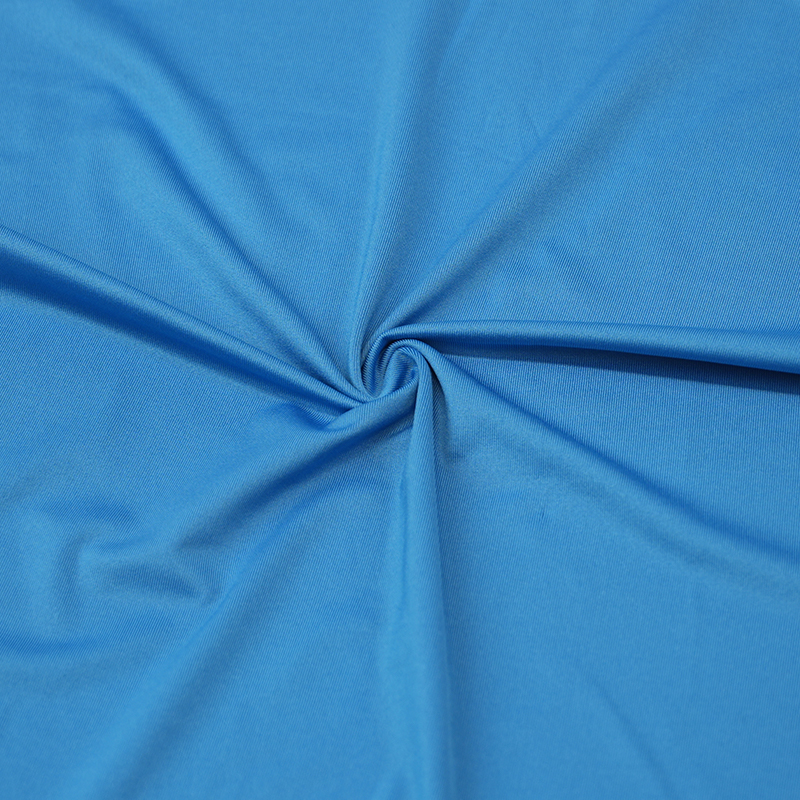
Recycled polyester (rPET), made from post-consumer PET plastic bottles, brings strong performance properties to underwear fabric: excellent moisture-wicking, quick-dry, durability, and colorfastness. When blended with spandex in a jersey or mesh construction, it provides the four-way stretch and compression needed for fitted underwear and performance briefs. It also carries a lower environmental footprint than virgin polyester - using up to 59% less energy in production.
GRS-certified recycled polyester spandex fabrics are increasingly sought after by brands building sustainable underwear collections without compromising performance.
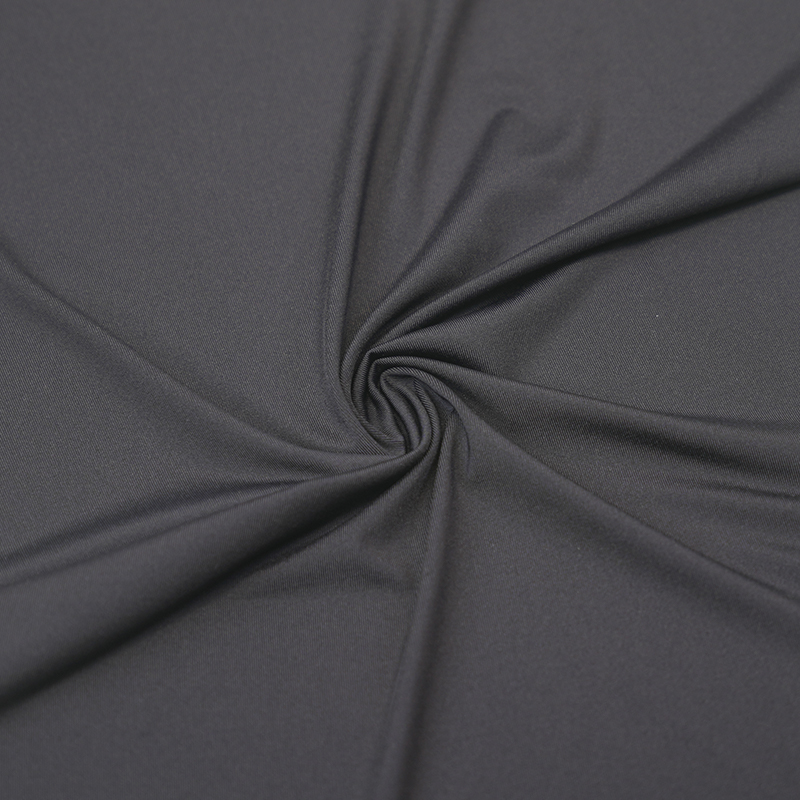
Nylon is one of the most durable synthetic fabrics used in underwear. It is lightweight, smooth, and highly resistant to abrasion and wear - properties that make it a top choice for seamless underwear, lingerie, and high-performance sports undergarments. Nylon spandex blends offer exceptional fit, a sleek feel against skin, and outstanding shape retention. Recycled nylon - made from post-consumer nylon waste such as fishing nets and fabric offcuts - delivers the same performance with a substantially reduced environmental impact.
Choosing the best fabric for underwear depends on end use, target consumer, and sustainability goals. The table below compares the key underwear fabric types across the most important performance and sustainability criteria.
| Fabric | Softness | Breathability | Moisture Mgmt | Stretch | Sustainability | Best For |
| Organic Cotton + Spandex | High | High | Absorbs | Good (with spandex) | High (GOTS/OCS) | Everyday, sensitive skin |
| Bamboo + Cotton/Spandex | Very High | Very High | Absorbs + wicks | Good (with spandex) | High (FSC/OCS) | All-day, sensitive skin, eco brands |
| Modal + Spandex | Very High | High | Wicks well | Excellent | Medium-High | Premium everyday, loungewear |
| Recycled Polyester + Spandex | Medium | Medium | Wicks fast | Excellent | High (GRS) | Sport, active, performance |
| Recycled Nylon + Spandex | High | Medium-High | Wicks fast | Excellent | High (GRS) | Seamless, lingerie, performance |
Three fabric types dominate the premium and sustainable underwear market today. Here is a focused comparison to help brands and buyers decide:
For apparel brands and OEM buyers, selecting underwear fabric goes beyond individual preference - it requires matching material properties to product positioning, target consumer, and sustainability commitments. Here is a practical framework:
Everyday basics require breathable, soft naturals (cotton, bamboo, modal). Performance and sports underwear demands moisture-wicking, quick-dry synthetics (recycled polyester, nylon spandex). Seamless and lingerie applications favor nylon spandex for its smooth finish.
If your brand targets eco-conscious consumers, choose certified materials: GOTS or OCS for organic cotton and bamboo blends; GRS for recycled polyester and nylon. Certifications are verifiable proof - not just marketing claims.
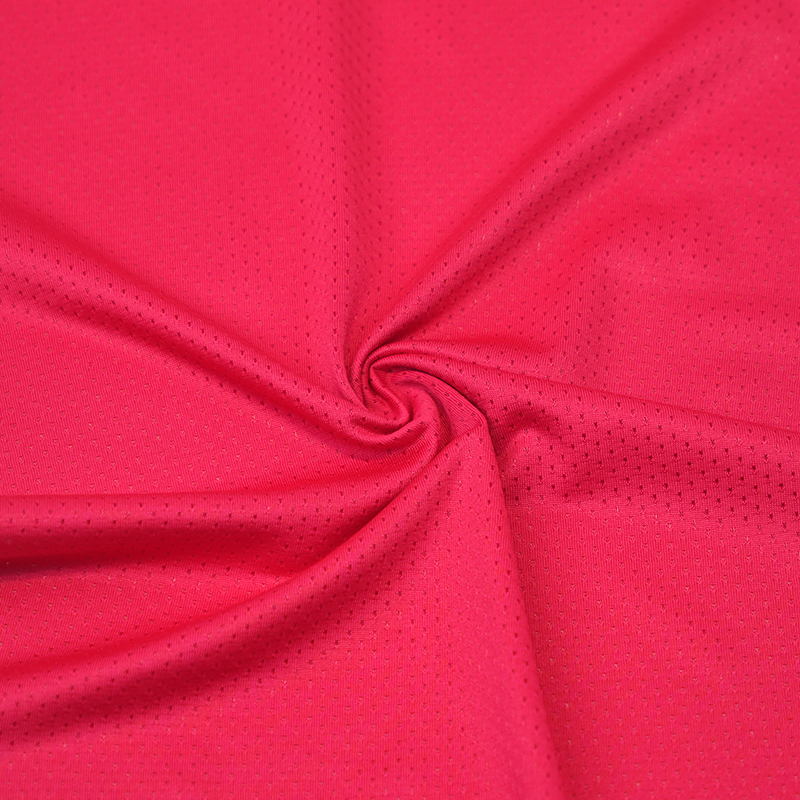
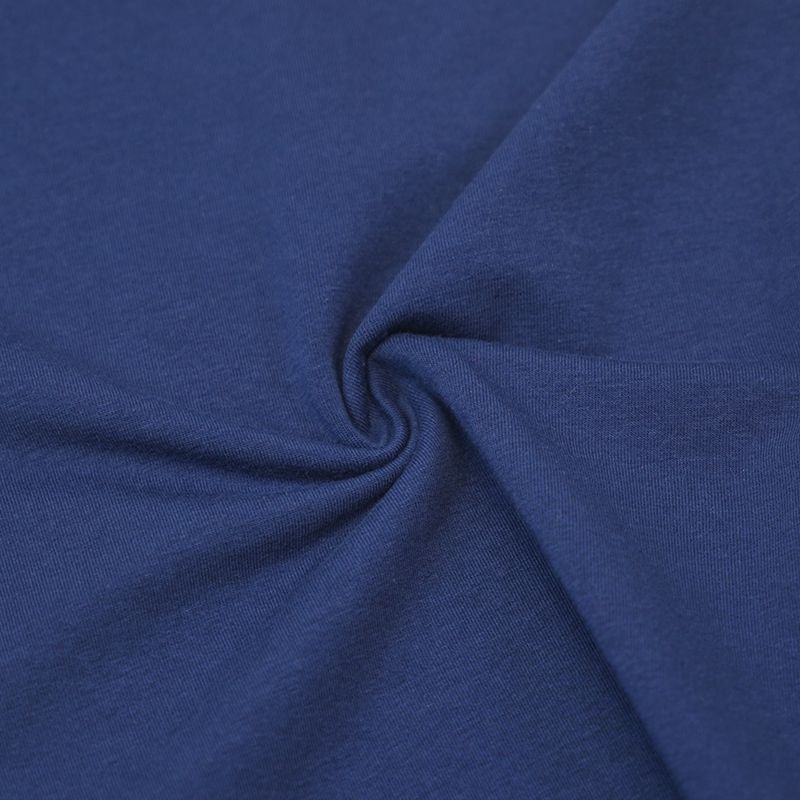
Jersey knit offers soft stretch ideal for briefs and everyday underwear. Mesh provides ventilation suited to sports undergarments. Fleece is suitable for thermal base layers. The knit structure affects drape, stretch, opacity, and breathability independently of the fiber type.
European and North American retail buyers increasingly require third-party certifications. OEKO-TEX Standard 100 confirms chemical safety. GRS verifies recycled content. GOTS and OCS cover organic fiber claims. Ensure your fabric supplier can provide certified documentation.
For manufacturers sourcing underwear fabrics at scale, certifications are not optional - they are a commercial requirement for most major retail and brand partners. The key certifications relevant to underwear fabric are:
When selecting an OEM fabric supplier, look for manufacturers who maintain these certifications at the fabric level - not just at the finished garment stage. Fabric-level certification ensures traceability from raw material to the bolt you receive.
We supply certified underwear fabrics across natural, semi-synthetic, and recycled synthetic categories - all produced with full supply chain traceability and available for OEM and ODM orders.
Related Products
Contact Us for More Details
Don't hesitate to contact when you need us!
Contact Information
Add:
Room 806, Building D, Jingyang Plaza, Chongchuan District, Nantong City, Jiangsu Province, China
E-mail:
Product Category
QR Code
Join our community and stay connected
 English
 Español
 Tiếng Việt