Language

2026-06-19
Content
Recycled polyester fabric, commonly known as rPET, is a textile made by processing post-consumer plastic waste - primarily PET bottles - into new polyester fibers. It delivers the same performance as virgin polyester in terms of durability, stretch, and moisture management, while significantly reducing environmental impact. For brands sourcing sustainable apparel fabrics - from underwear and T-shirts to sportswear - recycled polyester has become the most widely used eco-friendly fiber in the world.
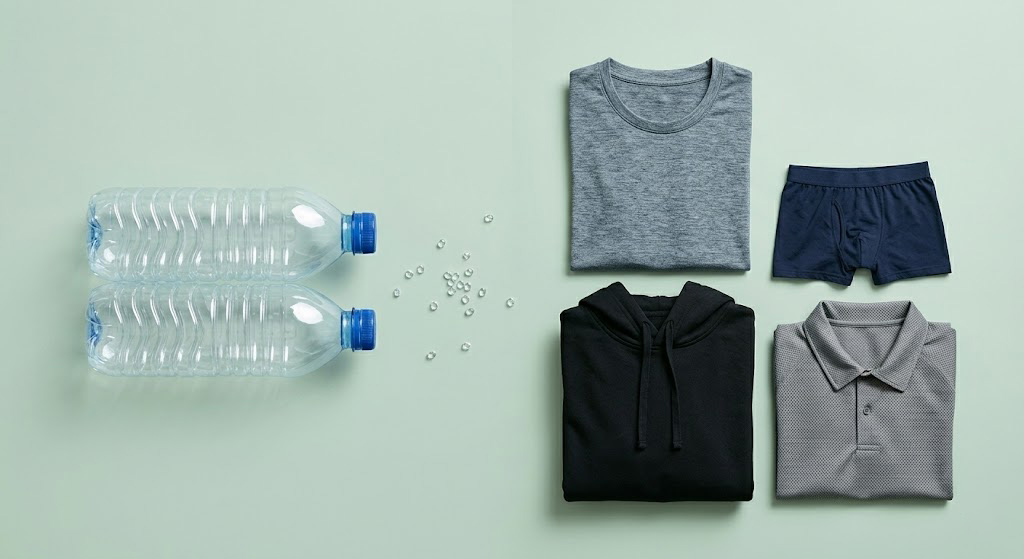
Recycled polyester starts its second life as plastic waste. The most common feedstock is post-consumer PET (polyethylene terephthalate) - the same material used in water bottles and food containers. These plastics are collected, sorted, cleaned, shredded into flakes, melted, and re-extruded into new polyester fibers. This is called mechanical recycling, and it accounts for the vast majority of rPET production today.
A newer method, chemical recycling, breaks the polymer all the way back to its molecular building blocks before re-polymerizing it. This produces higher-purity fiber and can process harder-to-recycle textile waste, but it remains more expensive and less widely available at commercial scale.
So when you see a label that says "100 recycled polyester" or "made from recycled plastic," the fabric was almost certainly spun from reclaimed PET bottles - giving plastic waste a new life as wearable textile.
The question of recycled polyester vs polyester comes down to raw material sourcing and environmental impact - not fabric performance. Both materials are chemically identical (PET), so the end fabric behaves the same way in terms of strength, stretch, and wash durability. The difference lies entirely upstream, in how the raw fiber is made.
| Factor | Virgin Polyester | Recycled Polyester (rPET) |
| Raw Material | Crude oil (fossil fuel) | Post-consumer PET plastic |
| Energy Use | High | Up to 59% less than virgin |
| CO2 Emissions | High - fossil-fuel dependent | 30-70% lower, depending on process |
| Water Consumption | ~6 cubic meters per 100 kg fabric | ~1.9 cubic meters per 100 kg fabric |
| Plastic Waste Diverted | None | ~60 PET bottles per 1 kg of fabric |
| Fabric Performance | Excellent | Equivalent to virgin |
| Biodegradability | Not biodegradable | Not biodegradable |
| Common Certifications | Standard OEKO-TEX | GRS, OEKO-TEX, OCS |
It is worth noting that both virgin polyester and recycled polyester shed microplastics during washing - this limitation applies equally to both. The environmental advantage of rPET lies in upstream resource savings, not in end-of-life behavior.
The short answer is: yes, more sustainable than virgin polyester - but not a perfect solution. Here is what the data actually shows.
According to Textile Exchange's 2025 Materials Market Report, recycled polyester production grew from 8.9 million tonnes in 2023 to approximately 9.3 million tonnes in 2024, making it by far the most widely used sustainable fiber globally. For context, the combined production of organic and recycled cotton in 2023 was just 1.1 million tonnes - roughly 12% of rPET volume.
On greenhouse gas emissions, the Sustainable Apparel Coalition's Higg Material Sustainability Index estimates that mechanically recycled polyester reduces GHG emissions by more than 70% compared to virgin polyester. Independent studies put the range at 30-70% depending on the energy mix used in the recycling facility and the boundaries of the life cycle assessment.
Environmental Impact: Recycled Polyester vs Virgin Polyester (% reduction)
That said, a key limitation remains: less than 1% of global recycled polyester currently comes from recycled textiles. The rest is downcycled from plastic bottles - which means the fashion industry has yet to close the loop on garment-to-garment recycling at scale. Recycled polyester is progress, but not the finish line for circularity.
A common concern buyers have is whether 100 recycled polyester performs as well as virgin polyester in real-world use. The answer is yes - when properly processed, rPET fabric matches virgin polyester on virtually every performance metric.
Recycled polyester fabric offers the same core properties that make polyester so widely used in apparel: excellent tensile strength, moisture-wicking capability, quick-dry performance, resistance to shrinking and wrinkling, and colorfastness. When blended with spandex (elastane), it adds four-way stretch, making it ideal for close-fit applications like underwear, activewear, and sportswear.
The key variables that affect quality in rPET fabric are the source of the recycled material (bottle-grade rPET tends to be very consistent), the recycling method used, and the downstream knitting or weaving process. Reputable manufacturers subject their recycled polyester fabrics to the same quality and safety certifications - such as OEKO-TEX Standard 100 and the Global Recycled Standard (GRS) - as virgin polyester alternatives.
Recycled polyester fabric is used across a wide range of apparel categories. Its versatility - particularly when blended with spandex - means it works equally well in tight-fit underwear as it does in high-performance sportswear.
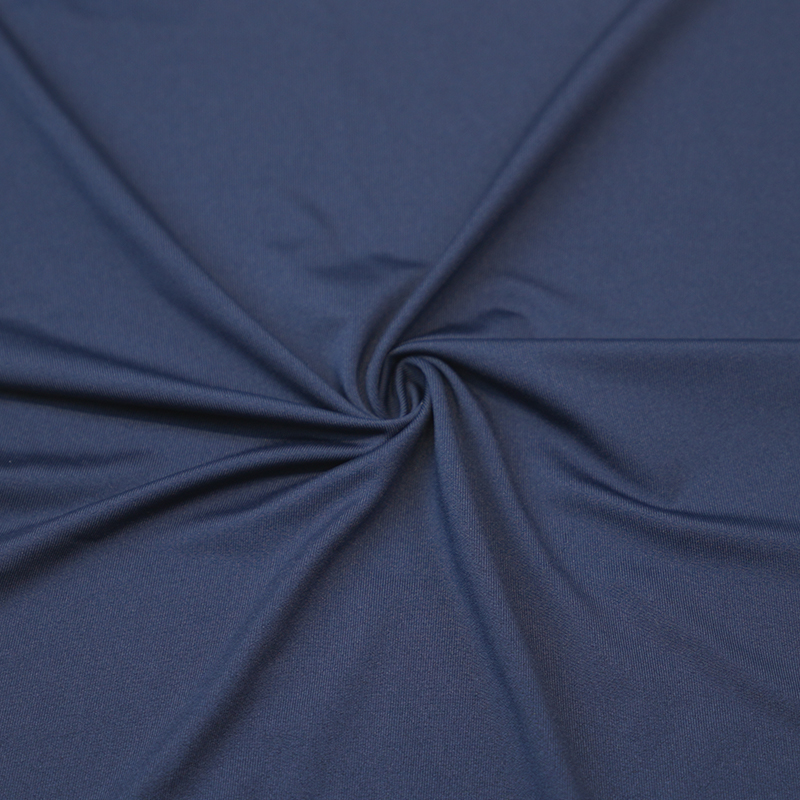
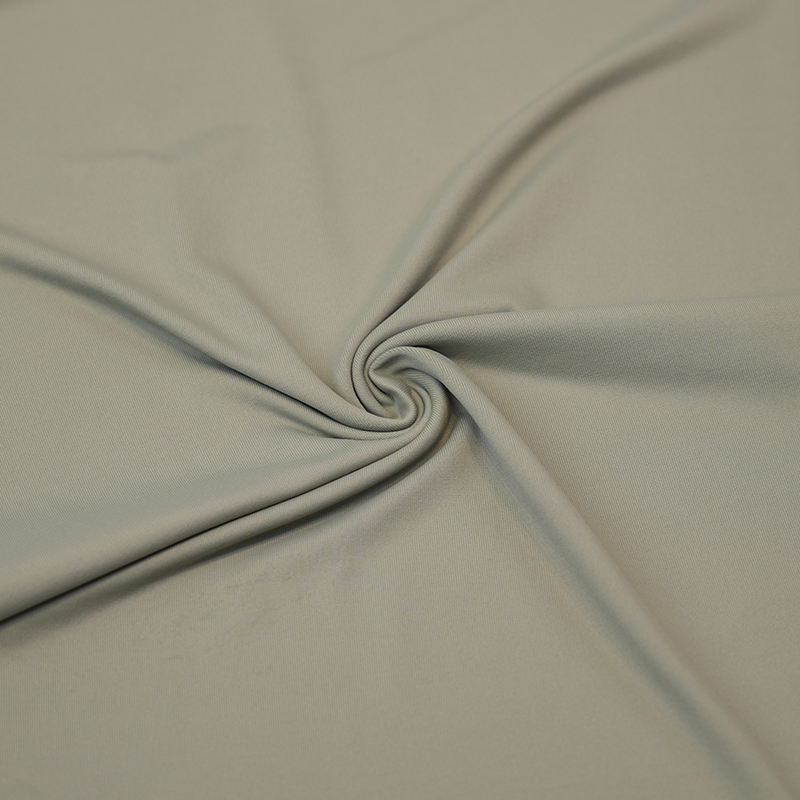
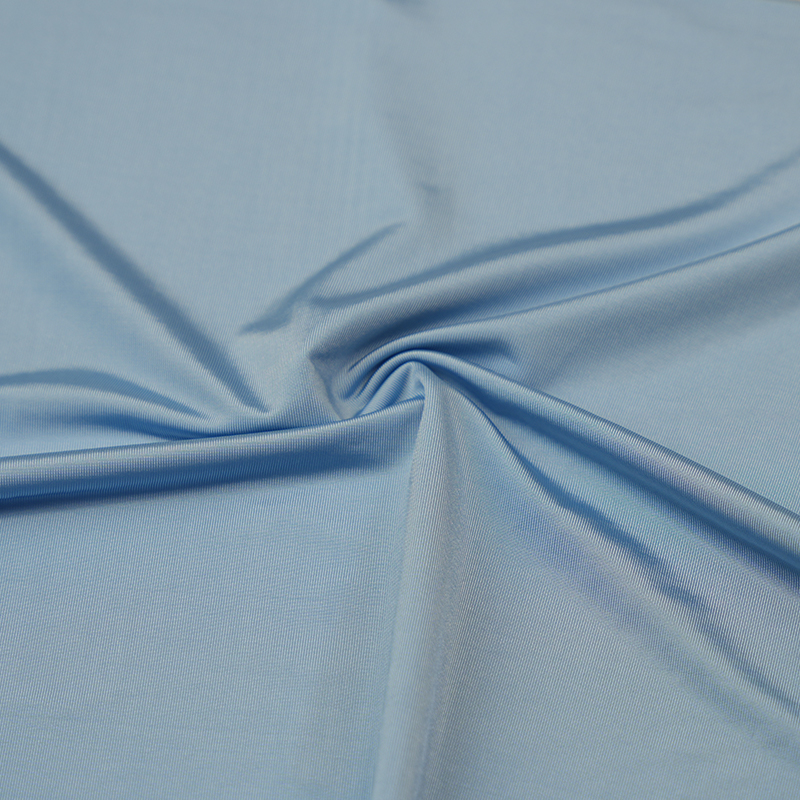
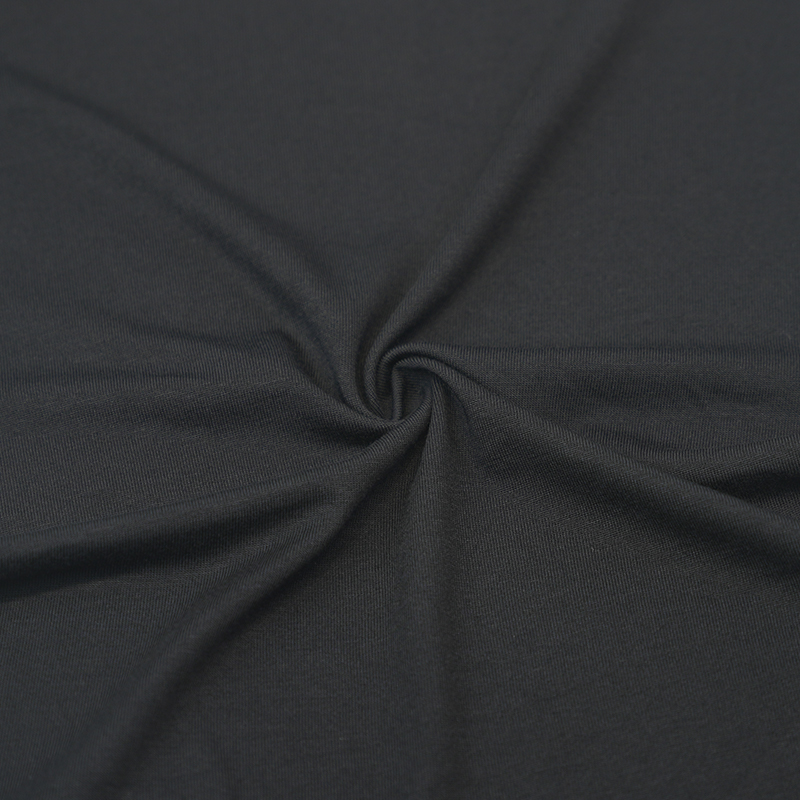
Soft recycled polyester spandex jersey delivers the stretch, breathability, and colorfastness needed for everyday underwear and base layers.
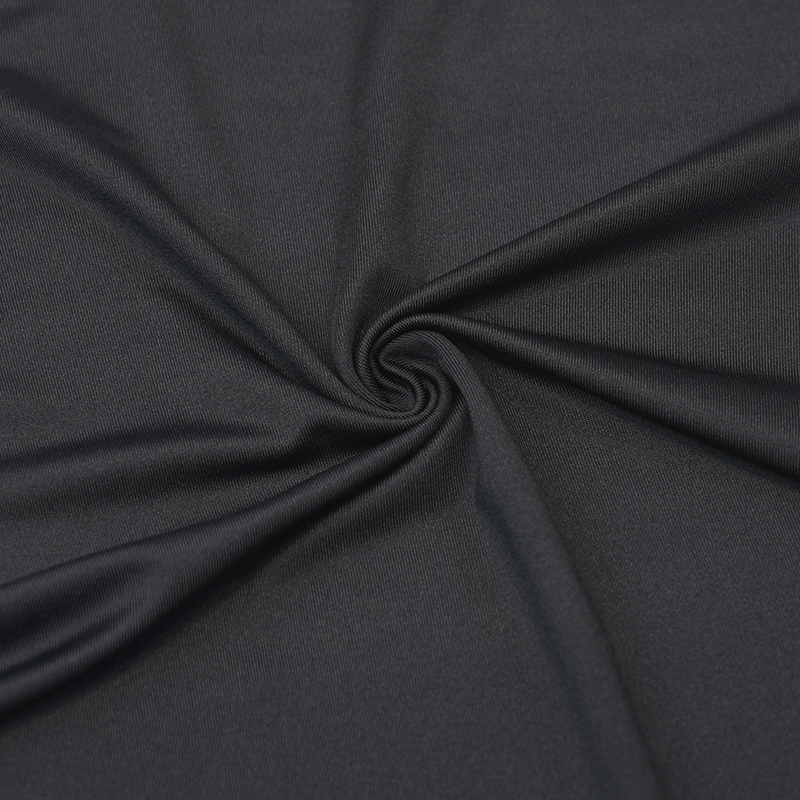
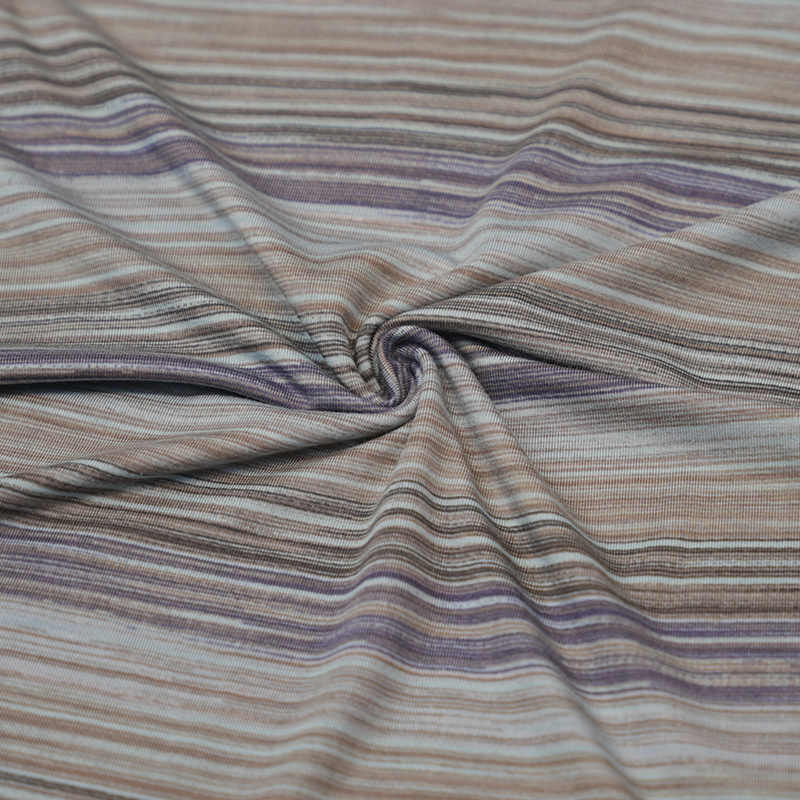
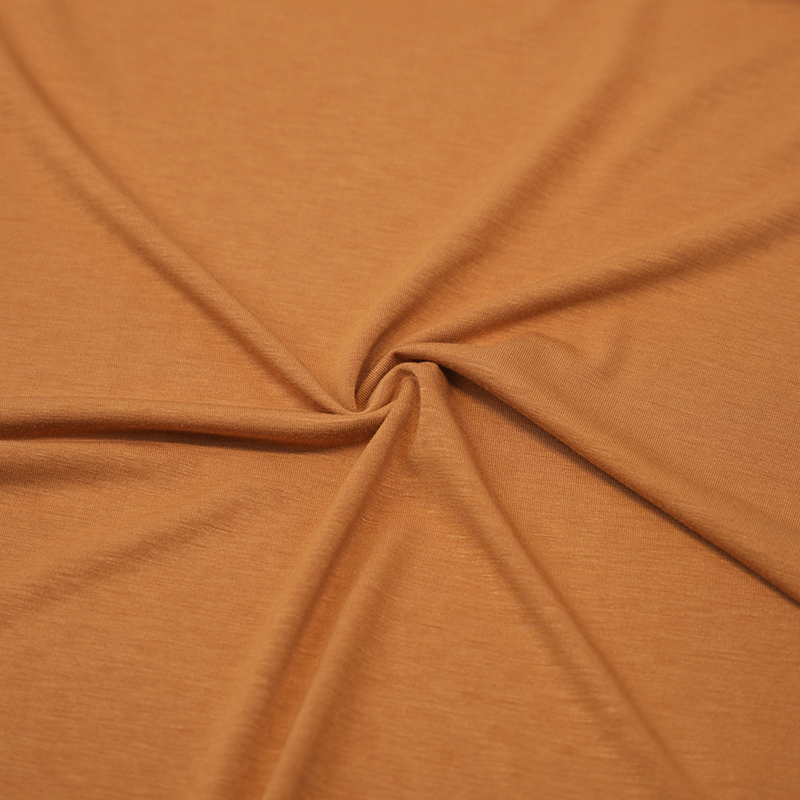
Lightweight recycled polyester jersey blends are wrinkle-resistant and hold color well, making them a popular choice for everyday T-shirts and casual apparel.
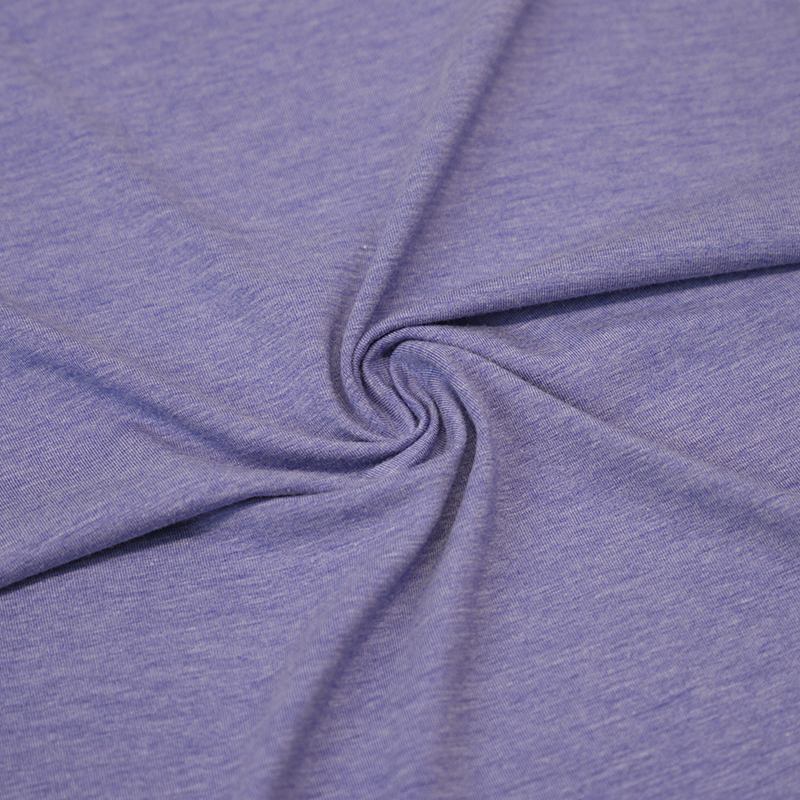
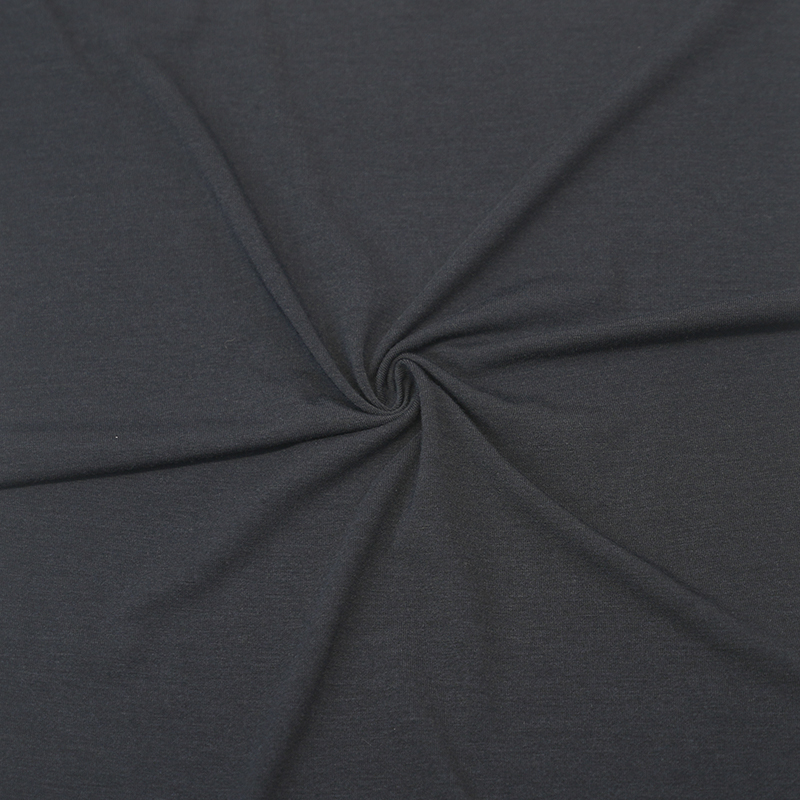
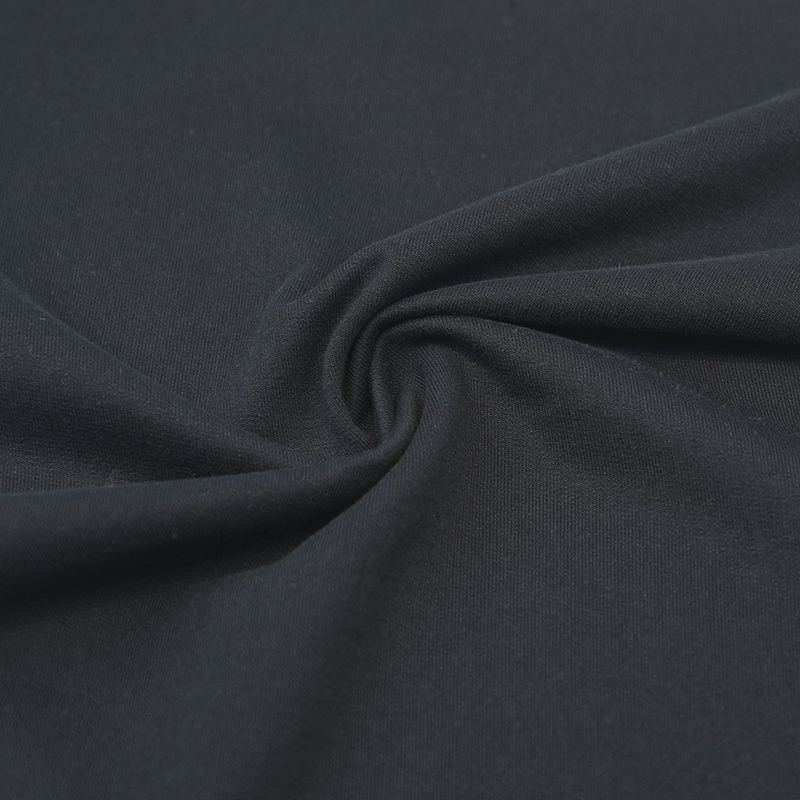
Recycled polyester spandex mesh and jersey are widely used in running gear, yoga wear, and gym apparel for their moisture management and four-way stretch.
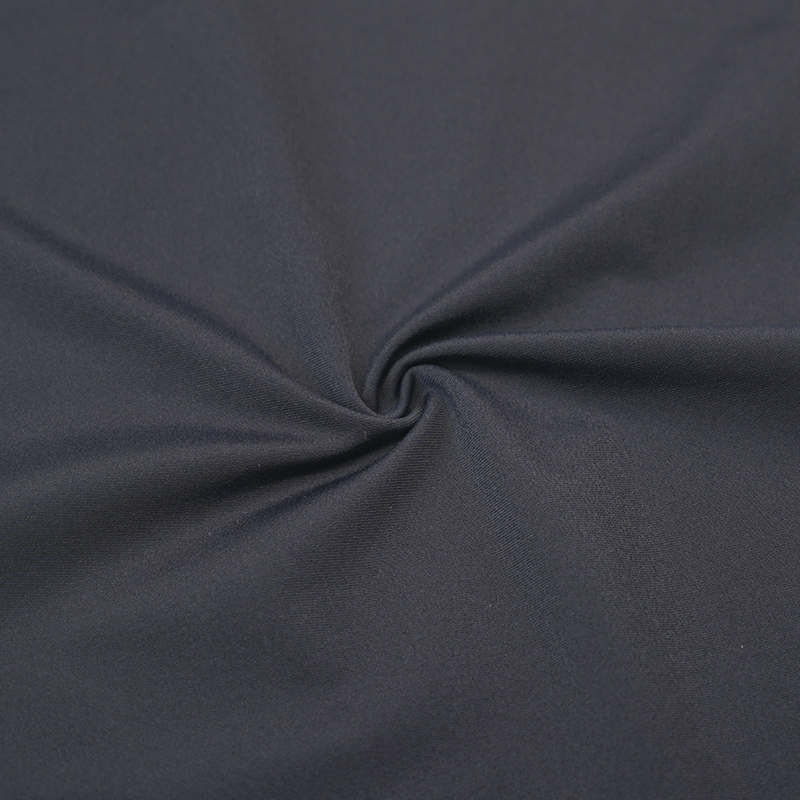
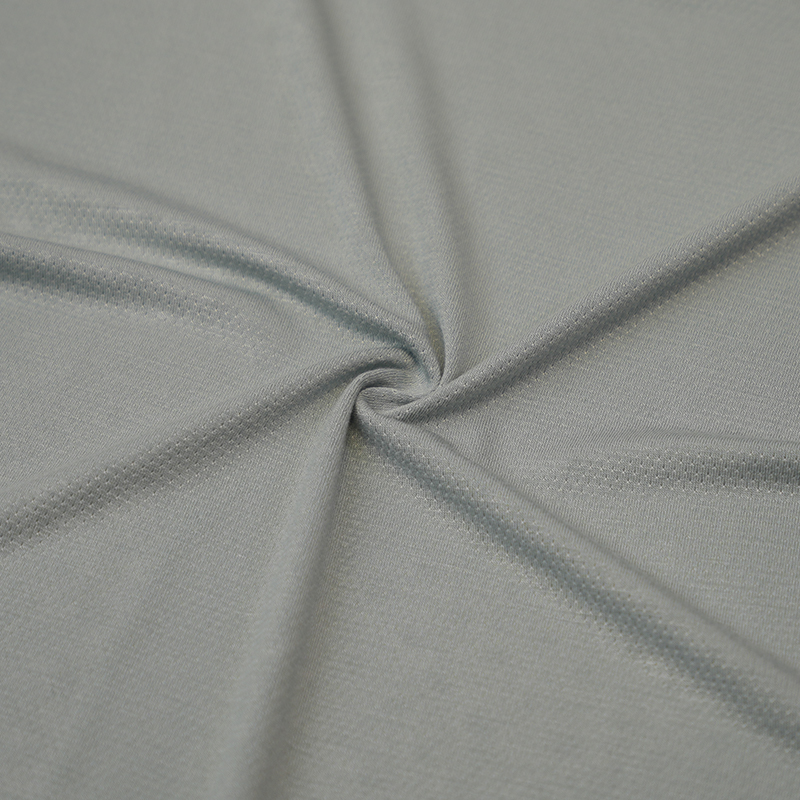
Recycled polyester fleece offers thermal insulation with a significantly lower environmental footprint, used in jackets, hoodies, and outdoor layers.
When sourcing polyester recycled fabric for apparel production, certifications are the most reliable way to verify sustainability claims. The most important ones to know are:
These certifications matter most when making claims to end consumers or retail buyers - particularly in European and North American markets, where sustainability due diligence is increasingly a legal and commercial requirement.
Technically yes - polyester is recyclable. But in practice, the recycling of polyester garments back into new textile fiber remains extremely limited. Currently, less than 1% of global rPET fiber comes from recycled textiles; the overwhelming majority is still sourced from plastic bottles.
The main barriers are: difficulty separating blended fabrics (most garments mix polyester with cotton, spandex, or other fibers), lack of widespread textile collection infrastructure, and higher processing costs compared to bottle-to-fiber recycling.
Chemical recycling technologies are improving this picture. By breaking polyester down to its monomer building blocks, chemical recycling can handle blended fabrics and produce virgin-equivalent fiber. Several major brands and fiber producers are investing in scaling this technology toward 2030 targets.
For now, choosing a fabric certified under GRS or RCS is the most practical way for brands to ensure their recycled polyester content is genuinely verified - and to support the demand signal that drives further investment in textile-to-textile recycling infrastructure.
We supply GRS-certified recycled polyester spandex fabrics for underwear, T-shirts, and sportswear applications. All fabrics are produced with full supply chain traceability and are available for OEM and ODM orders.
Related Products
Contact Us for More Details
Don't hesitate to contact when you need us!
Contact Information
Add:
Room 806, Building D, Jingyang Plaza, Chongchuan District, Nantong City, Jiangsu Province, China
E-mail:
Product Category
QR Code
Join our community and stay connected
 English
 Español
 Tiếng Việt