Language

2026-06-12
Content
Moisture-wicking and quick-dry are two of the most used terms in performance fabric sourcing - yet they describe different mechanisms. Moisture-wicking refers to a fabric's ability to pull perspiration away from the skin and move it toward the outer surface. Quick-dry refers to how rapidly that moisture evaporates once it reaches the fabric surface. Understanding the difference helps apparel brands make more precise fabric decisions and communicate more accurately to end consumers.
Moisture-wicking fabrics work through capillary action - the same physical principle that draws liquid through narrow channels. The fiber structure or fabric construction creates channels that transport sweat from the skin-facing surface to the outer face of the fabric, where it can evaporate.
This function can be achieved in two ways. The first is through fiber geometry - synthetic fibers such as polyester and polypropylene are engineered with cross-sectional shapes (tri-lobal, channel, or multi-groove profiles) that physically channel moisture outward. The second is through fabric construction - knit structures with varying yarn densities on each face create a moisture gradient that drives sweat away from the body.
How moisture-wicking works: from skin to evaporation
Quick-dry performance is primarily determined by surface area and fiber hydrophobicity. Fabrics that spread moisture thinly across a wide surface area allow faster evaporation. Fabrics made from hydrophobic (water-repelling) fibers such as polyester or polypropylene absorb very little moisture into the fiber itself, meaning moisture remains on the surface where it can evaporate rapidly.
Fabric weight and construction also play a significant role. Lighter fabrics and open-mesh constructions dry faster than heavier, tighter knits because there is less material to hold moisture and more airflow through the structure.
It is important to note that quick-dry and moisture-wicking are complementary but not identical. A fabric can wick well but dry slowly if the moisture spreads into a dense, heavy structure. Conversely, a fabric can dry quickly without effective wicking if moisture is not efficiently transported away from the skin first.
Primary Function
Key Mechanism
Where It Acts
Best Achieved By
Fiber selection is one of the most critical factors in determining both wicking and drying performance. Different fibers behave very differently when they encounter moisture.
| Fiber | Moisture Absorption | Wicking Ability | Dry Speed | Notes |
| Polyester | Very Low | Excellent | Very Fast | Hydrophobic; channels moisture via fiber geometry |
| Polypropylene (PP) | Near Zero | Excellent | Very Fast | Lightest apparel fiber; moisture stays on surface |
| Nylon | Low | Good | Fast | Slightly more absorbent than polyester |
| Bamboo Viscose | Moderate | Good (blended) | Moderate-Fast | Best performance when blended with hydrophobic fibers |
| Cotton | High | Poor | Slow | Absorbs and retains moisture; not suited for active use |
Bamboo viscose, as a regenerated cellulosic fiber produced through a chemical process, sits between natural and fully synthetic fibers in terms of moisture behavior. It absorbs more moisture than polyester but delivers a significantly softer hand. This is why bamboo viscose is commonly blended with polyester, polypropylene, or Sorona in performance fabrics - combining the comfort of bamboo viscose with the wicking and drying speed of synthetic fibers.
Beyond fiber choice, fabric construction directly influences how moisture moves through a fabric and how fast it escapes.
Jersey vs. mesh: fabric structure and its effect on moisture management
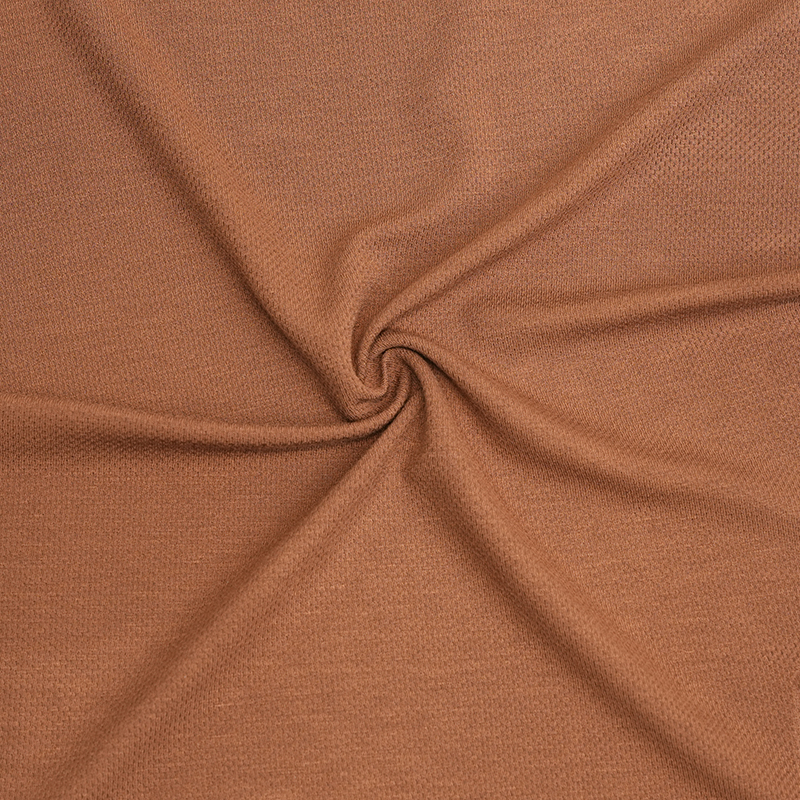
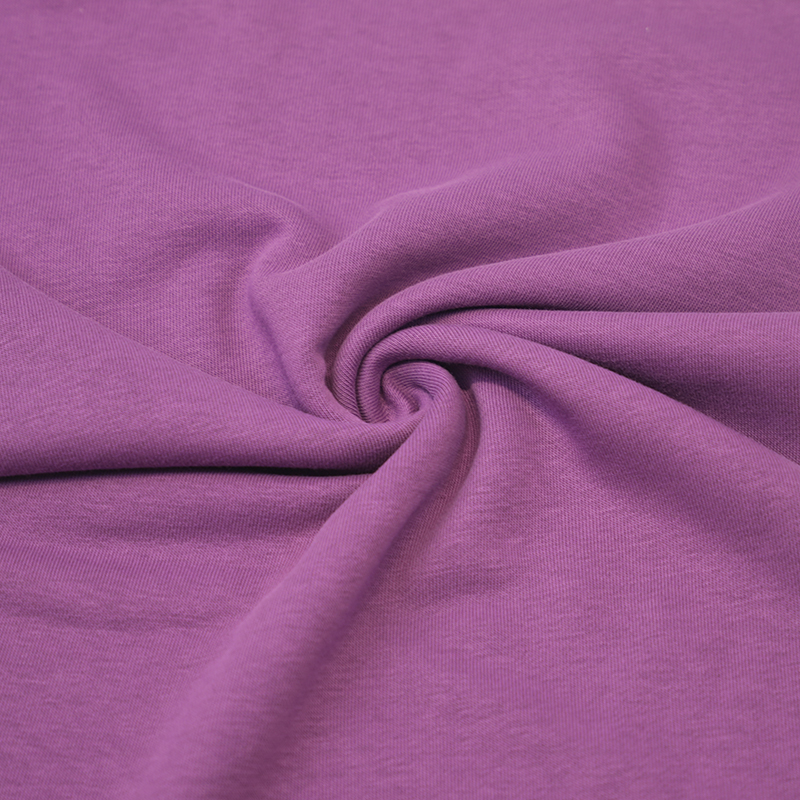
Jersey fabrics provide a smooth, close-fitting surface with good wicking action - suited for garments where coverage and comfort are priorities. Mesh fabrics add a structural dimension: the open holes create direct airflow channels that significantly accelerate evaporation, making mesh the preferred choice where maximum breathability and drying speed are required.
The right fabric depends on the end use, climate, and the level of activity the garment is designed for. The decision framework below simplifies the selection process.
High-Intensity Activity
Running, cycling, training
Prioritize both wicking and quick-dry. Choose mesh or open-knit jersey in polyester, polypropylene, or bamboo viscose blends.
Low-to-Moderate Activity
Yoga, walking, travel, casual wear
Prioritize comfort and wicking. Stretch jersey in bamboo viscose/polyester blend delivers softness with reliable moisture management.
Hot and Humid Climates
Tropical, summer activewear
Quick-dry is the priority. Lightweight polypropylene or Sorona mesh blends offer minimal moisture retention and maximum airflow.
Premium or Sustainable Positioning
Lifestyle brands, eco-conscious collections
Bamboo viscose blended with polyester or Sorona offers a softer feel and a more sustainable fiber story alongside solid performance.
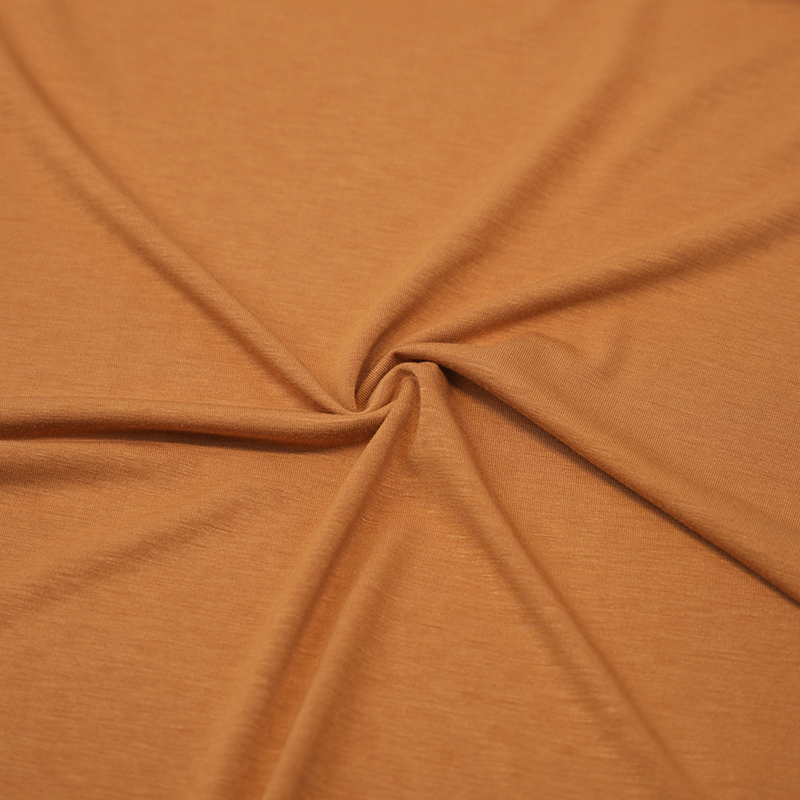
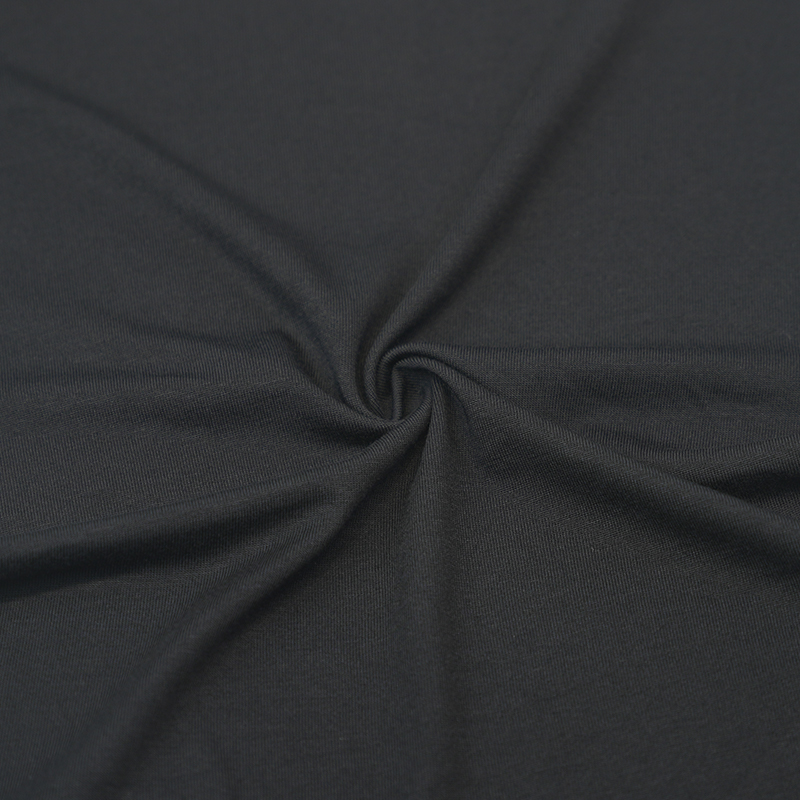
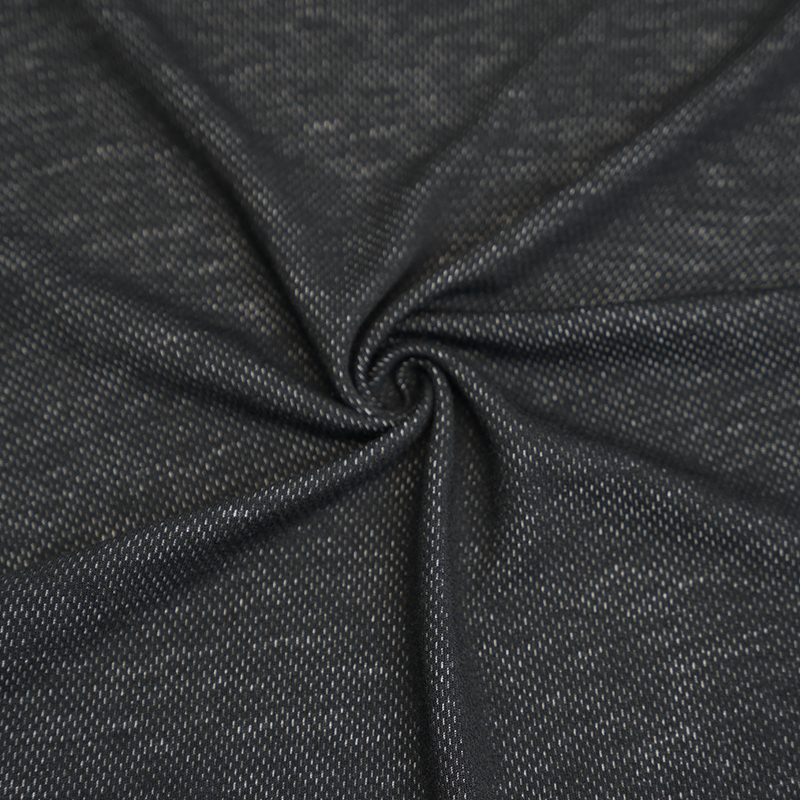
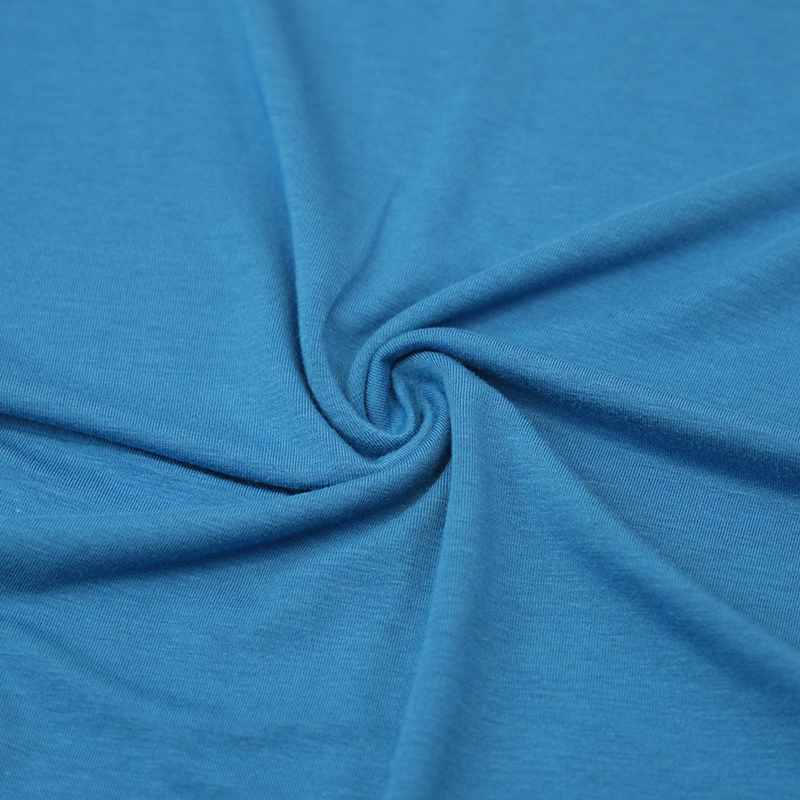
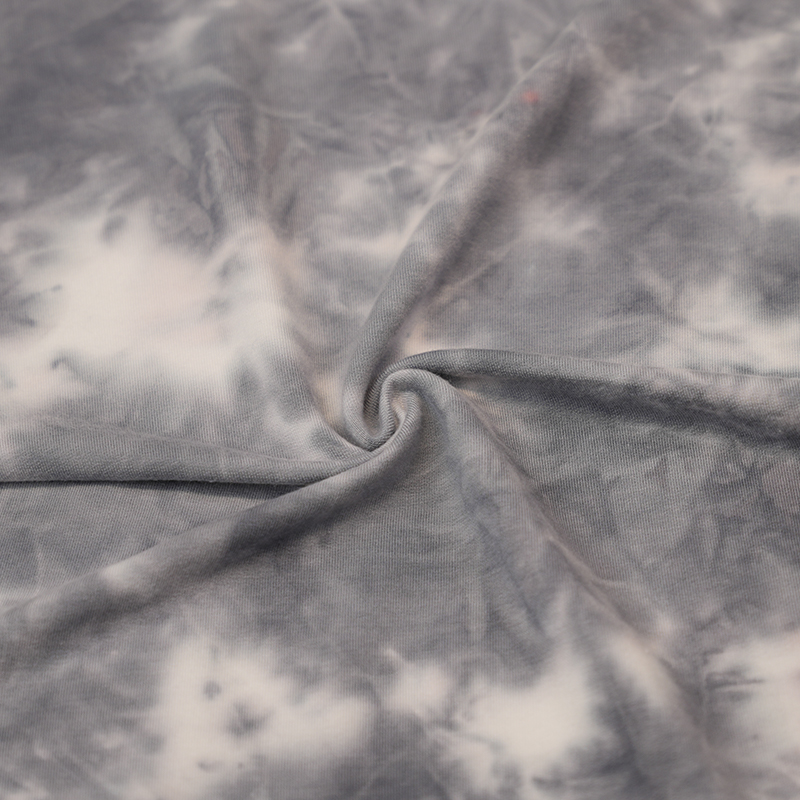
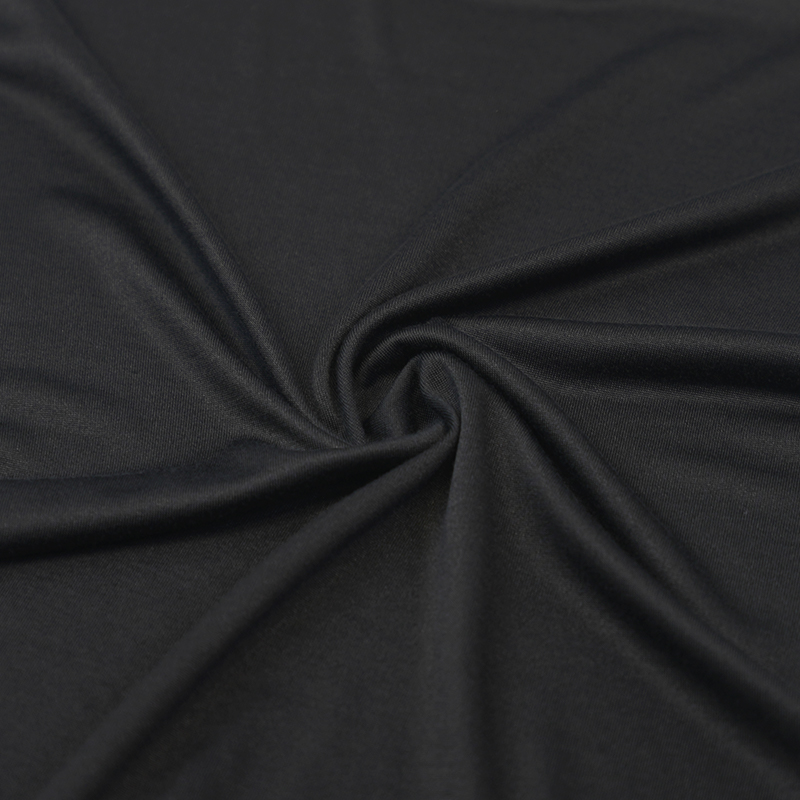
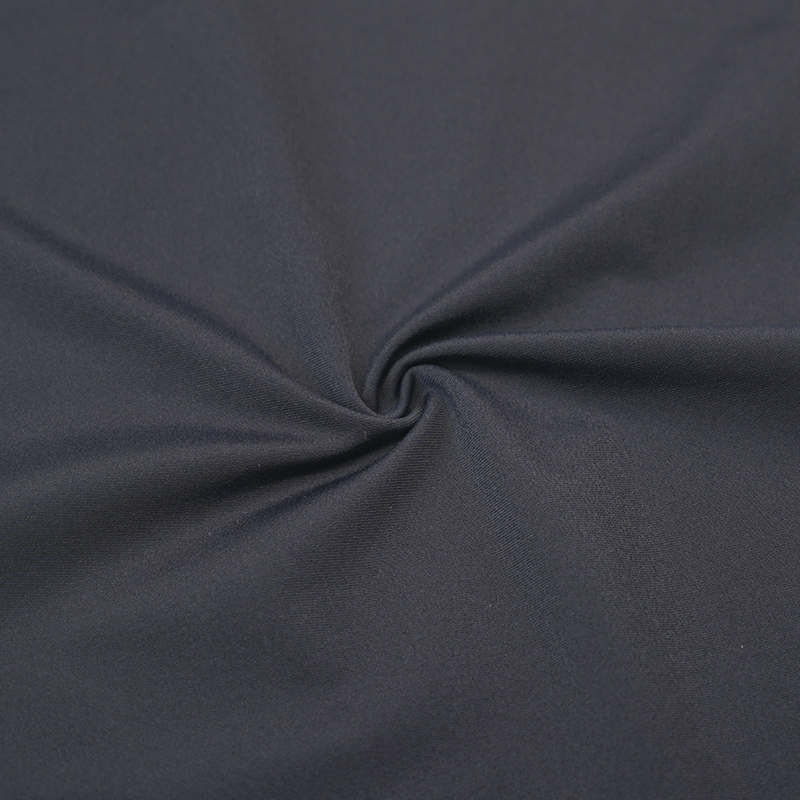
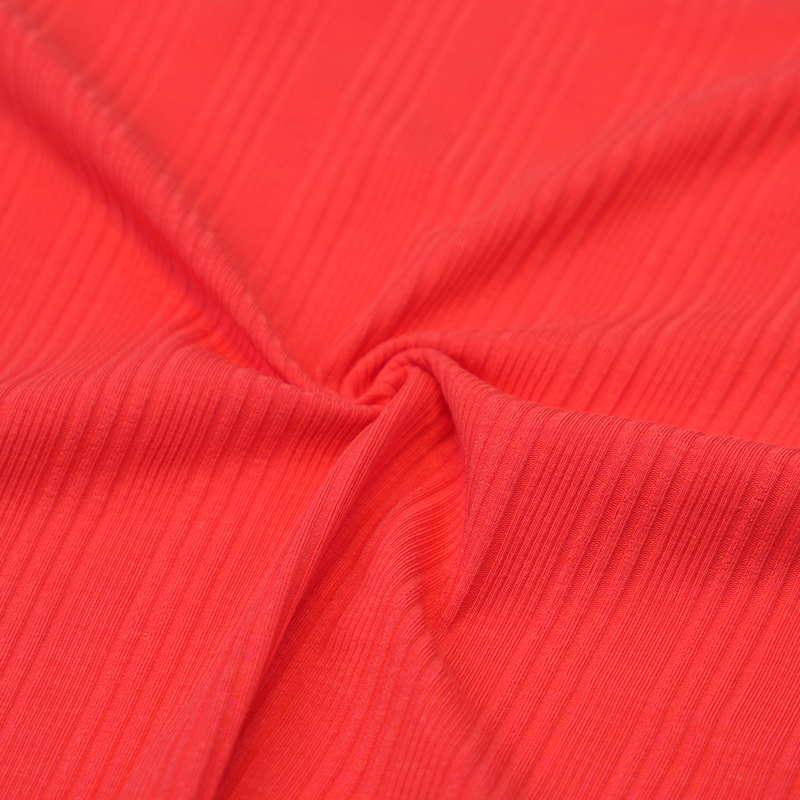
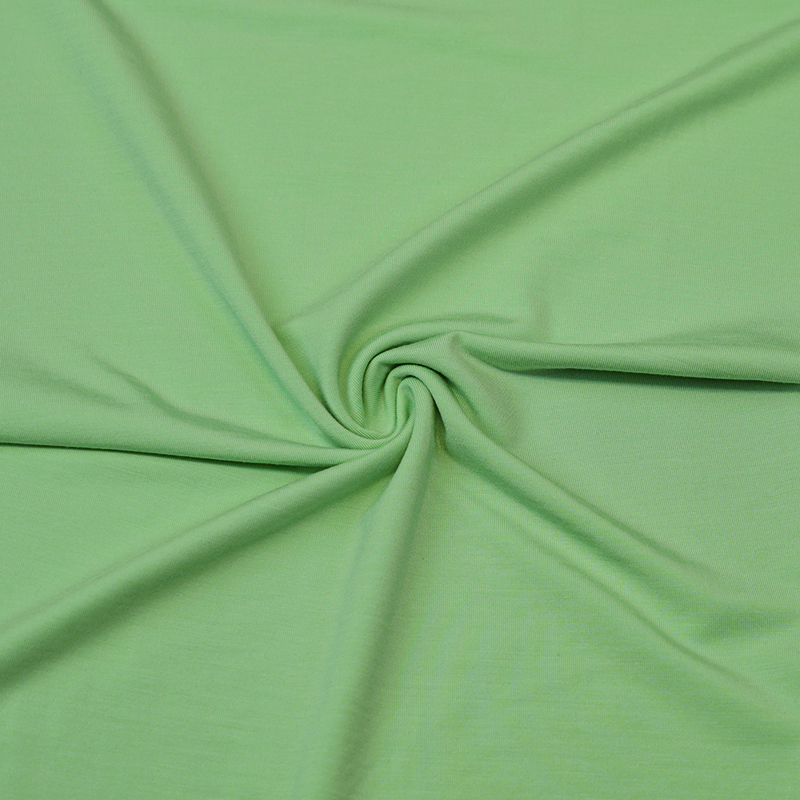
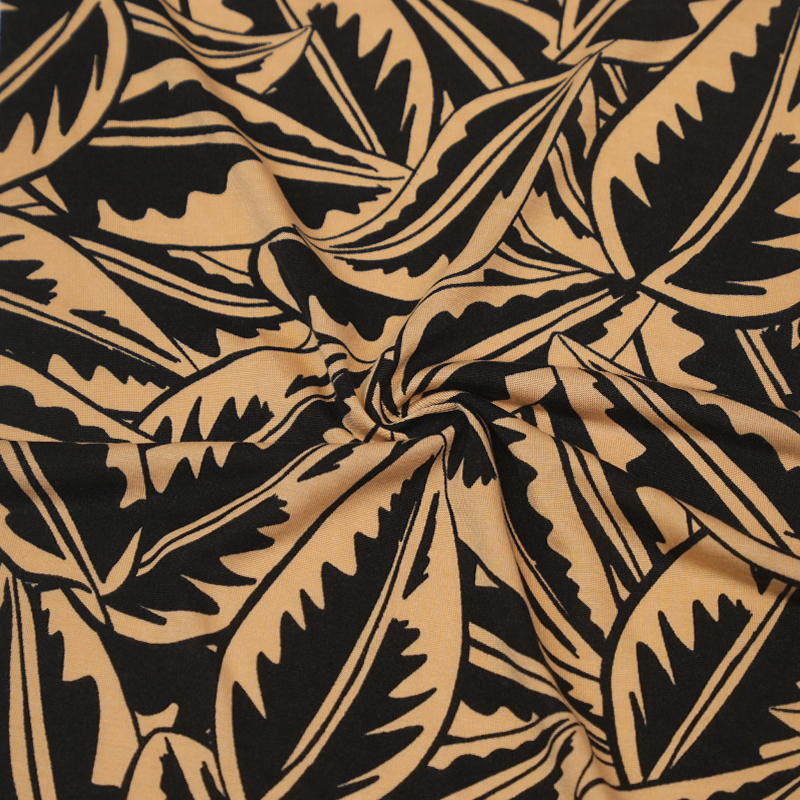
The following bamboo viscose performance fabrics combine moisture management with the characteristic softness of bamboo viscose, making them well suited for brands seeking both function and a premium hand feel.
BAMSILKTM is our premium brand of high-performance bamboo textiles. All BAMSILKTM fabrics are manufactured and supplied exclusively through our partner, Nantong Tianhong Textile Technology Co., Ltd.
We serve activewear brands, private label lines, and OEM garment manufacturers worldwide. All BAMSILKTM collections are backed by full certification documentation, including OEKO-TEX Standard 100, OCS, and FSC certification where applicable.
For product specifications, sample requests, or to discuss minimum order quantities (MOQs), please contact us directly.
Moisture-wicking and quick-dry are related but distinct performance properties. Wicking moves moisture away from skin through capillary action; quick-dry removes moisture from fabric through evaporation. The best-performing fabrics combine both - an efficient wicking structure paired with a hydrophobic, fast-drying fiber blend.
For apparel brands sourcing performance fabrics, the key variables to evaluate are fiber type, fabric construction, and weight. Bamboo viscose blended with polyester, polypropylene, or Sorona offers a strong balance of softness, moisture management, and sustainability positioning - particularly relevant for premium activewear, lifestyle, and outdoor categories.
Related Products
Contact Us for More Details
Don't hesitate to contact when you need us!
Contact Information
Add:
Room 806, Building D, Jingyang Plaza, Chongchuan District, Nantong City, Jiangsu Province, China
E-mail:
Product Category
QR Code
Join our community and stay connected
 English
 Español
 Tiếng Việt