Language

2026-06-05
Content
When sourcing thermal knit fabrics for apparel, the construction matters as much as the fiber. Bamboo viscose jersey, interlock, and thermal fleece are three distinct fabric structures - each with different weights, stretch properties, and end-use applications. This guide breaks down what sets them apart and helps apparel brands and manufacturers choose the right fabric for their product line.
Bamboo viscose is a man-made regenerated cellulosic fiber produced through a chemical process that converts bamboo pulp into a spinnable fiber. It is classified alongside other viscose fibers and is not a natural or mechanically processed material.
The resulting fiber is known for its soft hand feel, excellent drape, and good moisture management - making it a popular choice for next-to-skin and thermal apparel. When blended with performance fibers such as Thermolite or insulating fibers such as acrylic, bamboo viscose forms the base of a range of functional thermal knit fabrics.
Where organic sourcing is required, the correct designation is viscose derived from organically grown bamboo - this refers to the raw material origin, not the fiber processing method.
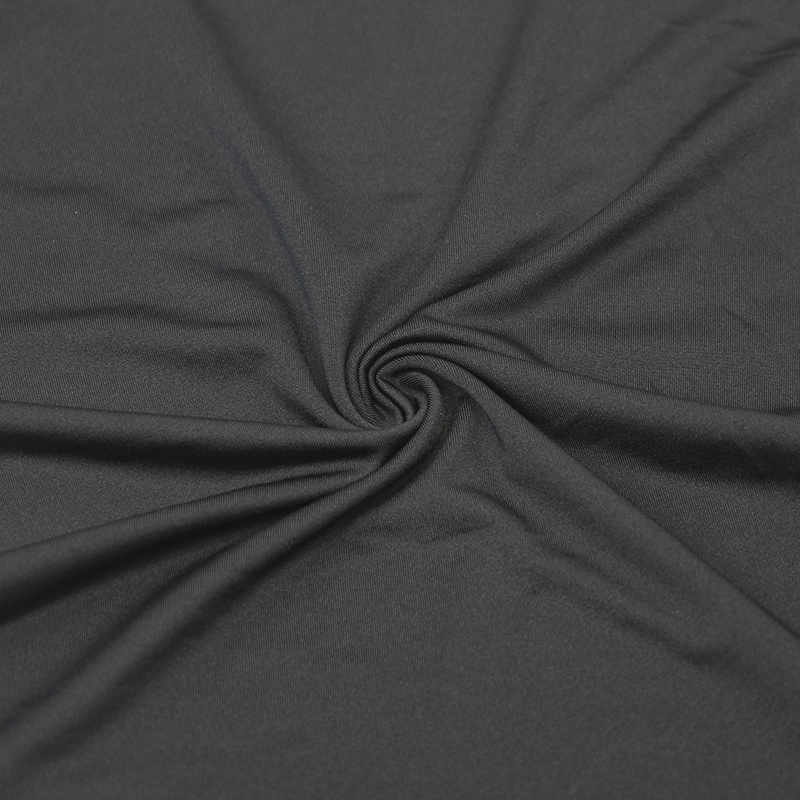
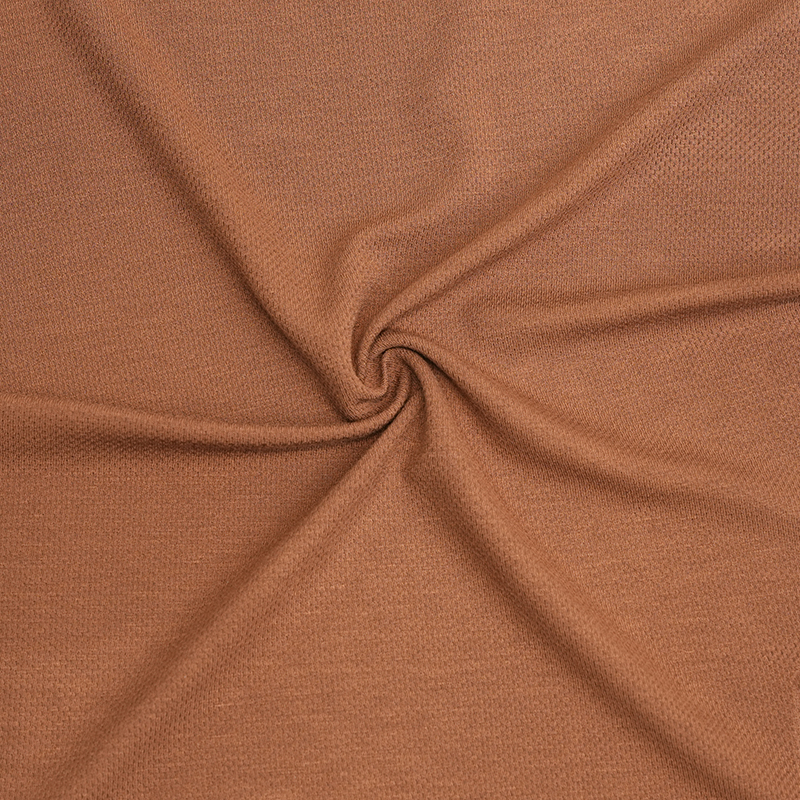
Jersey is a single-knit construction, meaning the fabric is formed on one set of needles. The result is a lightweight, smooth face with a slightly looped back. Bamboo viscose thermal jersey typically incorporates Thermolite - a lightweight performance fiber engineered to trap warm air and regulate body temperature.
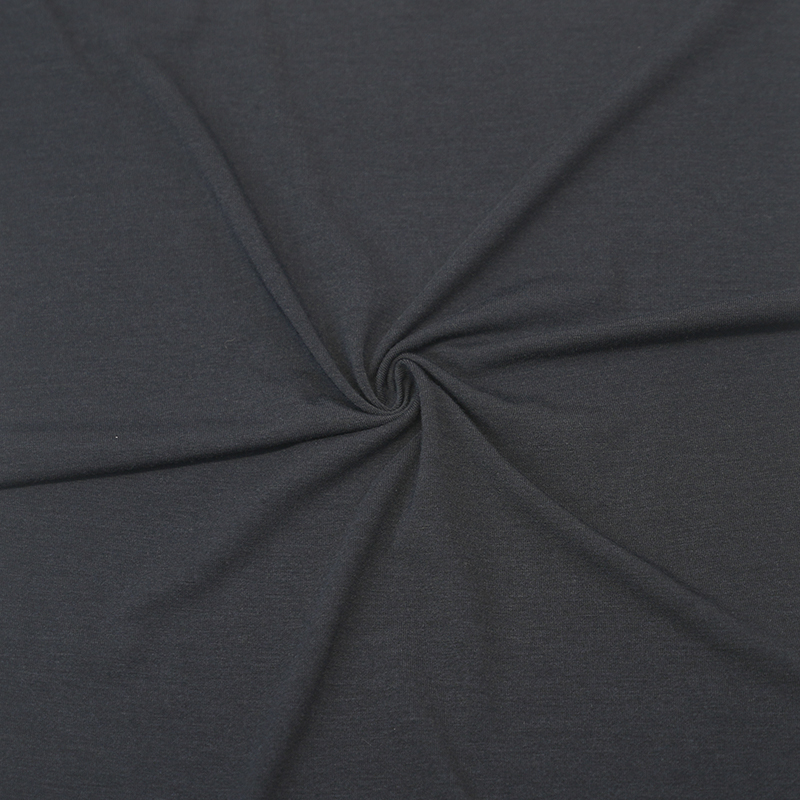
Best for: thermal base layers, fitted tops, bodysuits, and lightweight loungewear where softness and mobility are priorities.
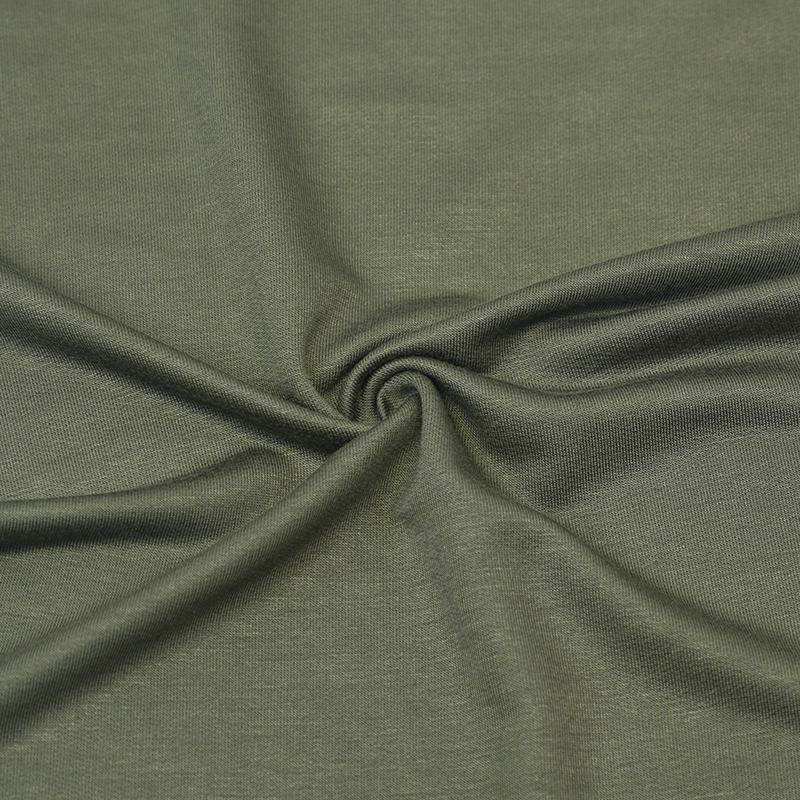
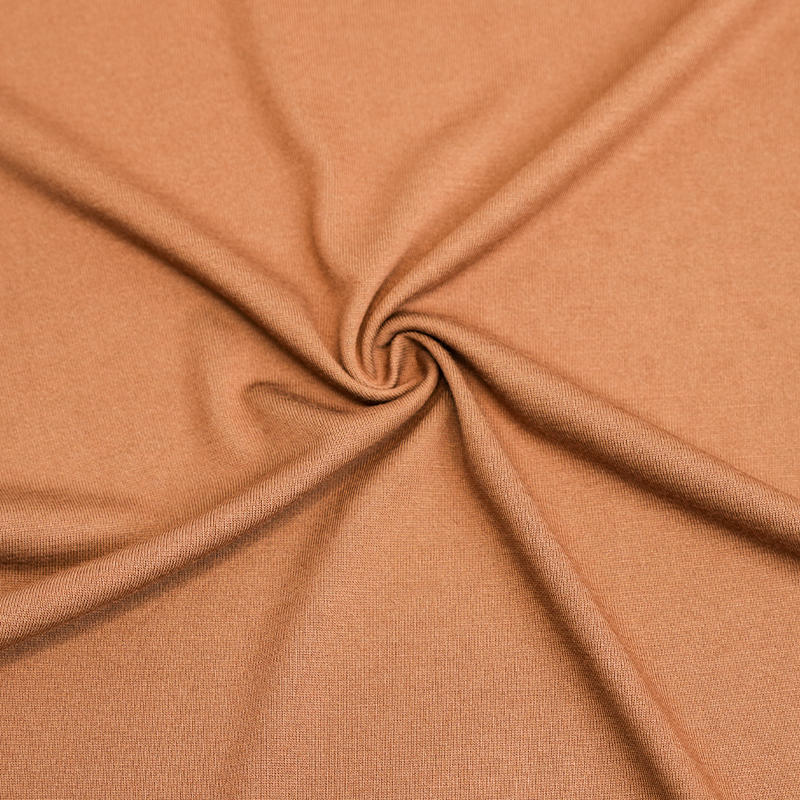
Interlock is a double-knit construction, produced by interlocking two layers of jersey on a circular knitting machine. Both faces of the fabric are smooth, and the structure is significantly more stable than single jersey.
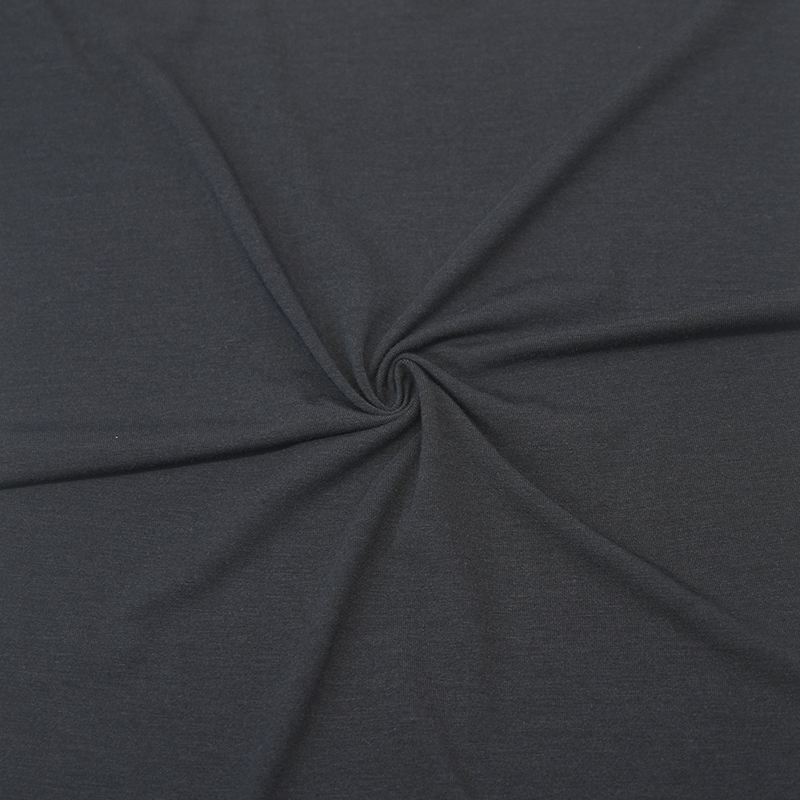
Best for: thermal underwear sets, mid-layer tops, children's thermalwear, and any application requiring a more premium, structured knit.
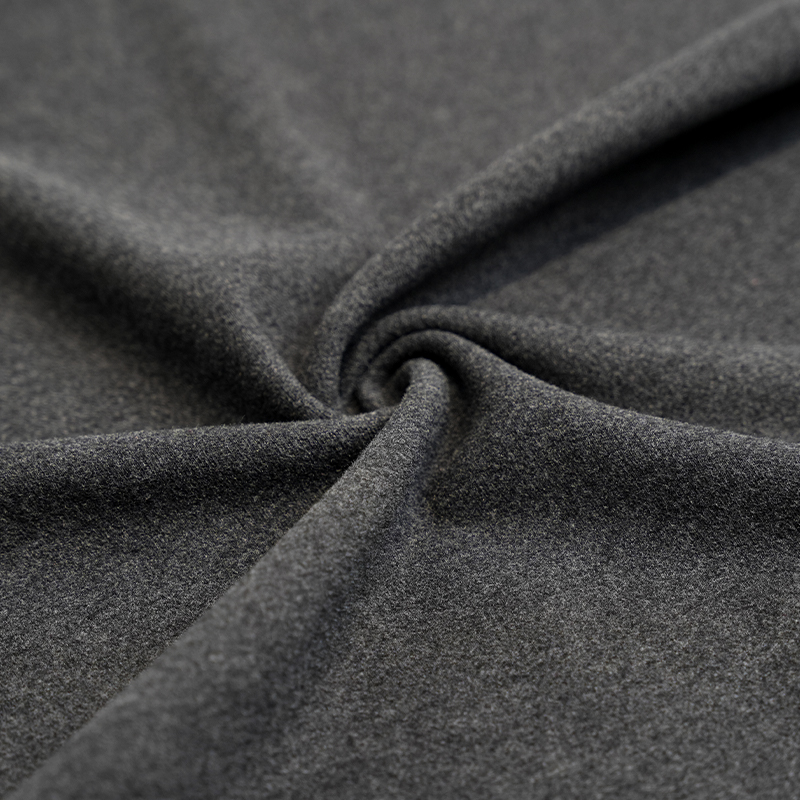
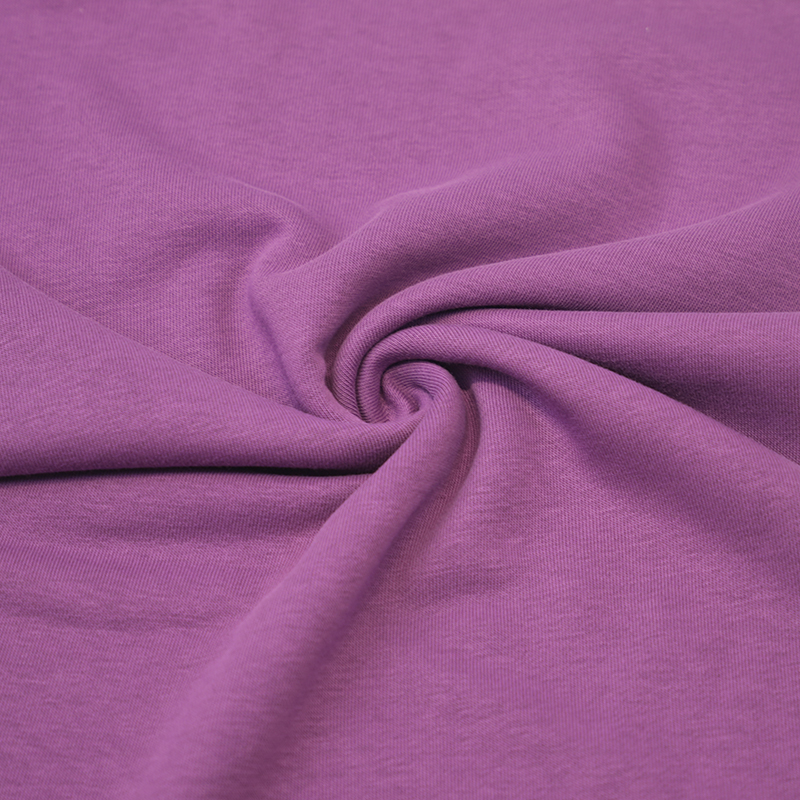
Thermal fleece is a raised or brushed knit fabric where the inner surface is finished to create a lofted, insulating pile. The blend of acrylic and bamboo viscose combines acrylic's excellent heat retention with the soft hand feel of bamboo viscose.
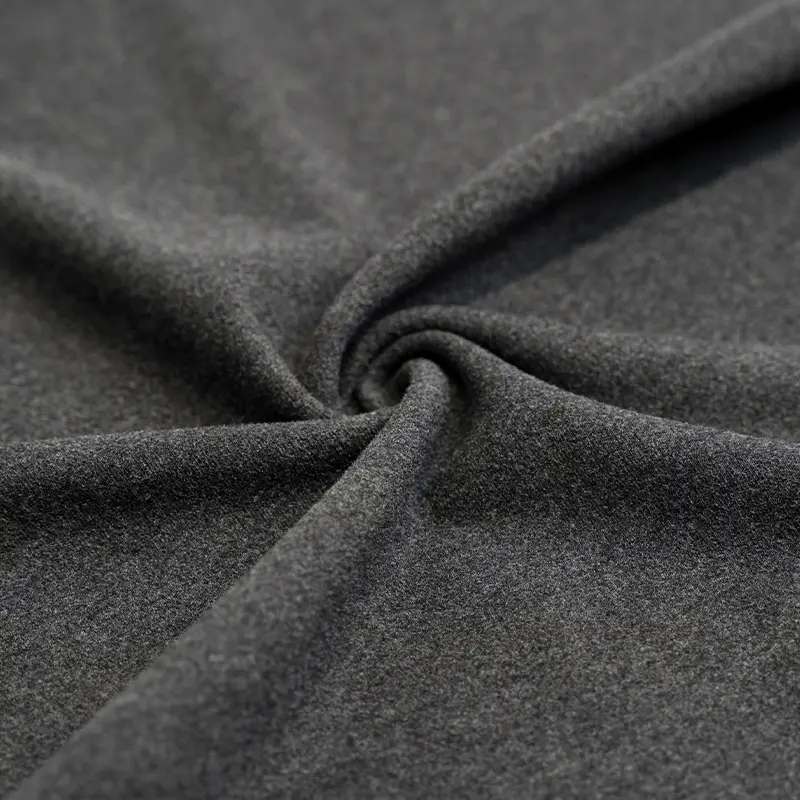
Best for: thermal inner layers, cold-weather loungewear, outdoor base layers, and products where maximum warmth retention is the primary requirement.
| Property | Bamboo Viscose / Thermolite Jersey | Bamboo Viscose / Thermolite Interlock | Acrylic / Bamboo Viscose Thermal Fleece |
| Knit Structure | Single-knit | Double-knit | Raised / Brushed knit |
| Weight | Lightweight | Medium | Medium-Heavy |
| Stretch | Good (2-way) | Good (stable) | Moderate |
| Fabric Face | Smooth face / looped back | Smooth both sides | Smooth face / lofted back |
| Warmth Level | Good | Very Good | Excellent |
| Cut Stability | Curls at edges | Stable | Stable |
| Typical Applications | Base layers, fitted tops | Thermal sets, mid-layers | Cold-weather layers, loungewear |
The right fabric depends on three core decisions: the garment's position in a layering system, the target climate, and your production requirements.
For fitted base layers where mobility and a close fit are essential, bamboo viscose thermal jersey offers the lightest hand with good warmth-to-weight performance. It works well in transitional-season products and active thermal collections.
For structured thermal sets or premium basics, bamboo viscose thermal interlock provides a more polished finish and better dimensional stability. The double-knit structure supports cleaner seams and a more consistent fit - qualities that matter for higher-end positioning.
For maximum warmth in cold-climate products, acrylic and bamboo viscose thermal fleece delivers the highest insulation of the three. The raised construction makes it the go-to choice for cold-weather loungewear, outer base layers, and winter thermal collections.
When evaluating fabric suppliers, apparel brands should request fiber composition certificates and confirm that bamboo viscose is correctly classified as a regenerated cellulosic fiber produced through a chemical process. This is particularly important for compliance with labeling regulations in markets such as the US, EU, and UK, where fiber content claims are regulated.
For products marketed with an organic positioning, ensure the supplier can provide documentation supporting the claim that the viscose is derived from organically grown bamboo - this refers specifically to the agricultural origin of the raw material.
Requesting fabric samples across all three constructions is recommended before committing to production. Weight (gsm), stretch recovery, and finish can vary between mills even within the same fabric category.
Related Products
Contact Us for More Details
Don't hesitate to contact when you need us!
Contact Information
Add:
Room 806, Building D, Jingyang Plaza, Chongchuan District, Nantong City, Jiangsu Province, China
E-mail:
Product Category
QR Code
Join our community and stay connected
 English
 Español
 Tiếng Việt