Language

2025-12-12
Content
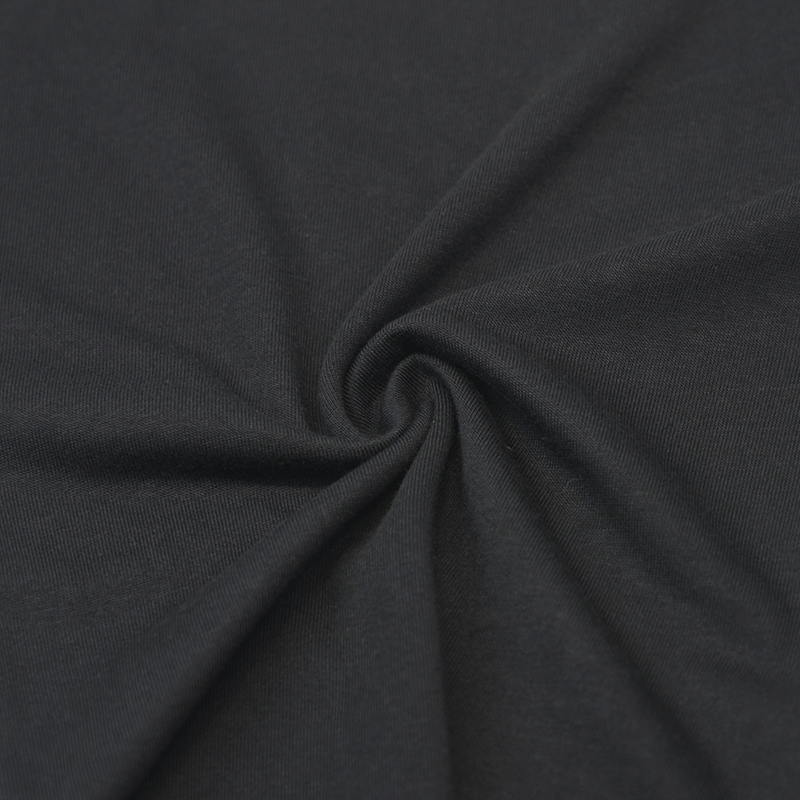
With the increasing pursuit of comfort and environmental friendliness, Modal fabric has become a new favorite in the apparel industry. This fabric, derived from natural wood pulp fibers, is widely used in underwear, sleepwear, and high-end casual wear due to its superior softness, drape, and moisture-wicking breathability.
Modal fabric is a regenerated cellulose fiber with several key characteristics that determine its special care needs:
Extremely soft and skin-friendly: This is Modal fabric's greatest advantage, but it also means its structure is relatively fragile.
High absorbency: Modal has higher moisture absorption than cotton, causing the fibers to swell and weaken when clothing is wet.
Excellent drape: Hot and humid environments, such as high-temperature tumble drying, can cause changes in its structure, affecting the shape and drape of clothing.
Prone to deformation and shrinkage: Compared to synthetic fibers like polyester or nylon, modal, with its natural cellulose base, is more susceptible to shrinkage and deformation under improper drying or washing conditions.
The answer is: Not recommended, but if necessary, use the lowest temperature and a specific drying cycle.
To maximize the softness, dimensional stability, and lifespan of modal fabrics (especially modal blends), professionals strongly recommend air drying.
High temperatures and vigorous tumble drying are the main culprits damaging modal fabrics:
Shrinkage risk: In high-temperature drying environments, modal fibers shrink more significantly, causing garments to shrink in size.
Fiber damage: High temperatures can harden modal fibers, causing them to lose their signature smooth feel and even wrinkle and deform.
Loss of elasticity (for blends): Many modal garments incorporate spandex or Lycra to increase elasticity; high temperatures accelerate the aging and breakdown of these elastic fibers.
If time is short, you can use a dryer, but you must pay attention to the following:
Select the lowest temperature: Be sure to set the dryer to "Low Heat" or "Air Dry" mode.
Avoid completely drying: Only dry the garment to a slightly damp state (approximately 70-80% dry), then remove it and let it air dry naturally to reduce high-temperature exposure time.
Short the time: Use the timer function to avoid prolonged continuous drying.
Check the care label: The final decision should always be based on the care label inside the garment. If there is an X in the box on the label, it means do not tumble dry.
Modal fabric, as a regenerated cellulose fiber, requires special care due to its unique advantages and sensitivity:
Extremely soft and skin-friendly: This makes the garment exceptionally comfortable, but the structure is relatively delicate.
High absorbency: Fibers expand when wet, resulting in lower wet strength compared to when dry.
Prone to deformation and shrinkage: As a natural cellulose-based fabric, it is more prone to dimensional changes than synthetic fibers under improper high temperatures and mechanical stress.
Excellent drape: Maintaining drape is key to avoiding high temperatures and excessive stretching.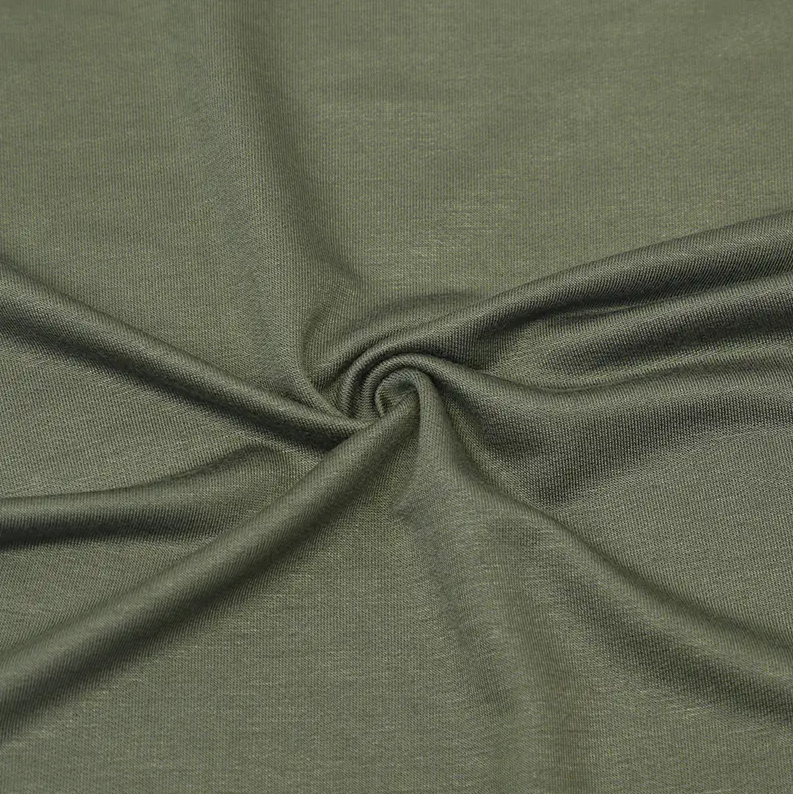
Strongly recommended: Do not tumble dry; air dry naturally.
Official recommendation: To maximize the softness, dimensional stability, and lifespan of Modal fabric, air drying is professionally recommended.
Reasons for not recommending high-temperature tumble drying:
High risk of shrinkage: High temperatures exacerbate fiber shrinkage.
Fiber damage: High temperatures can cause the fabric to stiffen, lose its smooth feel, and become prone to wrinkling.
Affects elasticity (blended fabrics): Accelerates the aging of blended elastic fibers (such as spandex).
If you must use a dryer urgently, please follow these steps:
Set to Low Heat/Air Dry: Only select the "Low Heat" or "Air Dry" mode.
Avoid Complete Drying: Remove garments only when slightly damp (approximately 70-80% dry) and allow them to air dry naturally.
Follow Care Labels: Check the garment label. If it has a "Do Not Tumble Dry" symbol (a box with an X), it must never be tumble dried.
Proper care for your modal garments can significantly extend their lifespan. While modal fabric can be tumble dried, we strongly recommend air drying to maintain its characteristic softness and shape. Following these simple care steps will keep your modal clothing looking new for longer.
Q1: Is modal fabric prone to pilling? A: Modal fabric is relatively resistant to pilling, but slight pilling may still occur in areas with high friction (such as underarms and collar) due to improper washing and wear over a long period. Using a gentle washing cycle can effectively prevent this.
Q2: How durable is Modal fabric? A: Modal has good durability, but its strength decreases when wet, so avoid vigorous rubbing or tumble drying during washing. Proper care can keep it comfortable and beautiful for years.
Related Products
Contact Us for More Details
Don't hesitate to contact when you need us!
Contact Information
Add:
Room 806, Building D, Jingyang Plaza, Chongchuan District, Nantong City, Jiangsu Province, China
E-mail:
Product Category
QR Code
Join our community and stay connected
 English
 Español
 Tiếng Việt