Language

2025-12-19
Content
With consumers becoming increasingly health-conscious and environmentally conscious, the question of whether organic cotton is healthier has become a hot topic in the textile industry. Especially in the current trend of pursuing sustainability throughout the entire clothing chain, organic cotton fabrics are gaining increasing attention from brands and consumers due to their natural, environmentally friendly, and skin-friendly characteristics.
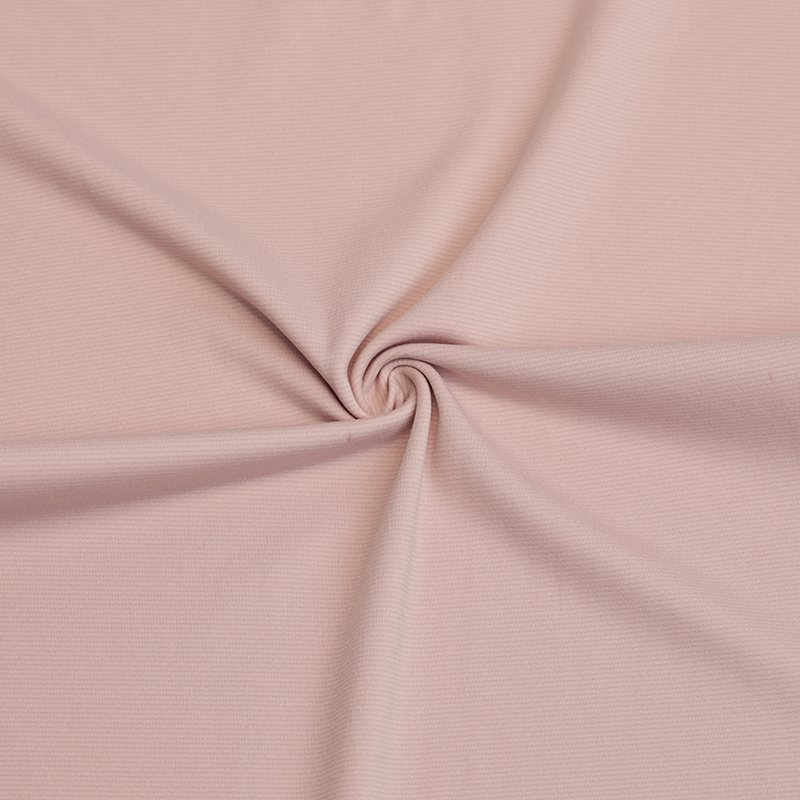
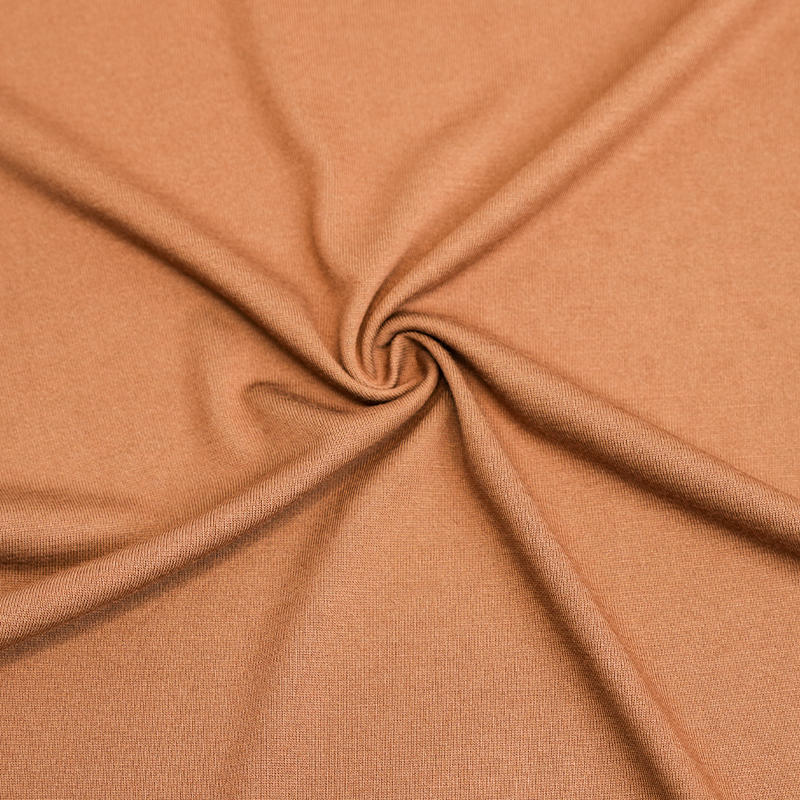
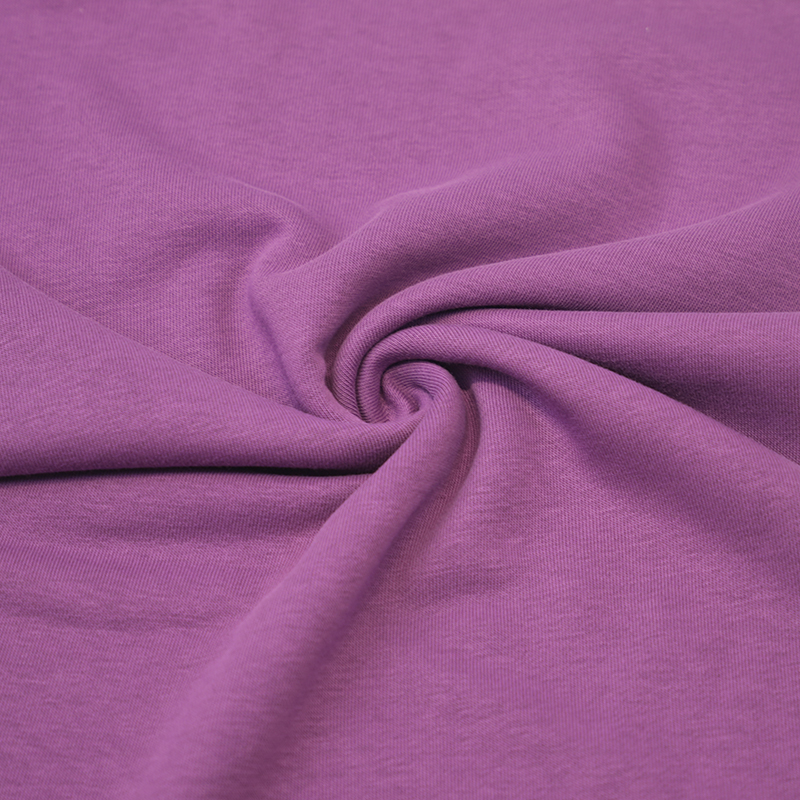
Organic cotton fabric refers to textile materials made from cotton grown without the use of chemical pesticides, fertilizers, or genetically modified cotton seeds, following international organic agricultural standards. Compared to conventional cotton, organic cotton reduces chemical residues during planting and processing, minimizing damage to land and water resources, thus being considered a more environmentally friendly and safer natural fabric.
Industry experts point out that organic cotton fabrics are one of the core materials of "organic textiles," widely used in everyday clothing, baby products, casual sportswear, and intimate apparel.
From a consumer experience and scientific evaluation perspective, "healthier" is mainly reflected in the following aspects:
Because chemical pesticides are eliminated during the planting process, and environmentally friendly auxiliaries are mostly used in the spinning and dyeing stages, organic cotton fabric is more skin-friendly, reducing the risk of allergies, and is especially suitable for sensitive skin and infants.
Traditional cotton cultivation may use chemicals such as pesticides and herbicides, while organic cotton uses physical pest control and crop rotation to replace chemicals. Therefore, the cotton fiber is more natural, reducing potential irritation or residues.
As a natural fiber, organic cotton retains the breathability and sweat absorption of cotton itself, making it one of the best natural cotton fabrics for everyday wear. Multiple consumer surveys show that organic cotton fabrics clothing is more popular in terms of comfort and feel.
Under the "dual carbon" background, more and more textile companies are investing in the research and development of sustainable materials. In an environment where supply chain transparency and green production are increasingly becoming international trends, the use of organic cotton fabrics not only enhances product health but also reflects corporate social responsibility.
Many apparel brands have announced increased organic cotton sourcing, and the industry is accelerating the adoption of international certification systems such as GOTS and OCS, further enhancing the standardization of organic textiles. Our company currently offers multiple product lines, including the BAMSILK™ functional series, the organic cotton eco-friendly series, and the multi-recycled materials series.
Market trends show a continued increase in consumer demand for "healthy clothing," and related data indicates that the global market share of organic cotton and other eco-friendly fabrics is steadily rising. Industry experts believe that with optimized supply chain costs and expanded production scale, organic cotton fabrics will enter a more widespread application phase in the coming years.
So, is wearing organic cotton healthier? The answer is likely yes. It not only provides a more natural and comfortable wearing experience but also represents an environmental awareness and a sustainable lifestyle.
As public awareness of skin safety, the ecological environment, and textile health continues to grow, organic cotton fabrics will continue to be a focus of the industry and will play an even greater role in the future.
Related Products
Contact Us for More Details
Don't hesitate to contact when you need us!
Contact Information
Add:
Room 806, Building D, Jingyang Plaza, Chongchuan District, Nantong City, Jiangsu Province, China
E-mail:
Product Category
QR Code
Join our community and stay connected
 English
 Español
 Tiếng Việt