Language

2025-12-26
Content
As autumn and winter approach, people often pay more attention to the warmth of their clothing. With the development of textile technology, various types of Thermal Fabrics have appeared on the market, from traditional natural materials to functional synthetic fibers, each with different characteristics and advantages. So, which fabric truly qualifies as a thermal insulation fabric?
Wool is a classic thermal insulation fabric. Its fibers contain a large amount of air, effectively achieving heat insulation and warmth retention. Whether it's a pure wool coat or a wool knitwear, it occupies an important position in winter clothing.
Down is known for its lightness and fluffiness, and is recognized in the market as a highly efficient thermal insulation material. The down layer inside a down jacket can form gaps to store heat, greatly enhancing the warmth of the garment, making it a representative of high-end Thermal Fabrics.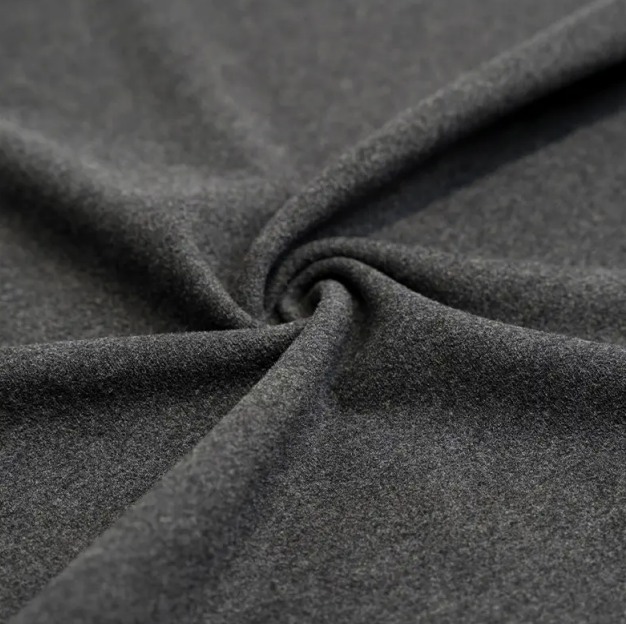
Fleece is a popular functional thermal insulation fabric in recent years. It is soft to the touch, highly warm, lightweight, and does not shed easily. Commonly used in outerwear, innerwear, and sportswear.
New materials such as thermal polyester, heat-generating fibers, and far-infrared fibers, through technological processing, achieve active heating or temperature regulation, becoming a popular choice in modern clothing.
With the upgrading of consumer demands, thermal fabrics are developing towards lightweight, intelligent, and environmentally friendly directions. For example, bio-based heat-generating fibers and renewable materials have become key research and development areas for the textile industry in the future. The emergence of intelligent temperature-controlled fabrics will continue to drive the technological advancement of thermal clothing.
From wool to down, from fleece to new functional fibers, the market offers a variety of fabrics with thermal insulation properties. When choosing clothing, consumers can consider factors such as warmth retention, the occasion for wearing it, and their personal needs. With continuous technological advancements, the field of thermal fabrics will continue to innovate and break through, making winter wear more comfortable, lighter, and more efficient.
Related Products
Contact Us for More Details
Don't hesitate to contact when you need us!
Contact Information
Add:
Room 806, Building D, Jingyang Plaza, Chongchuan District, Nantong City, Jiangsu Province, China
E-mail:
Product Category
QR Code
Join our community and stay connected
 English
 Español
 Tiếng Việt