
NEWS

Home / Blog / Industry News / What Are the Different Types of Bamboo Fiber Fabrics?

What Are the Different Types of Bamboo Fiber Fabrics?

2026-01-03

In today's pursuit of a green lifestyle and healthier clothing choices, bamboo fiber fabric has become a new favorite in the textile industry, thanks to its natural antibacterial properties, excellent breathability, and silky smooth feel.

However, many consumers are unaware that although they are all called bamboo fiber, their composition and manufacturing processes can differ greatly. Below, we explore the main types of bamboo fiber fabrics to help you make more informed purchasing decisions.

I. Main Classifications of Bamboo Fiber Fabrics

Based on processing techniques, the mainstream bamboo fiber fabrics on the market can be divided into three major categories:
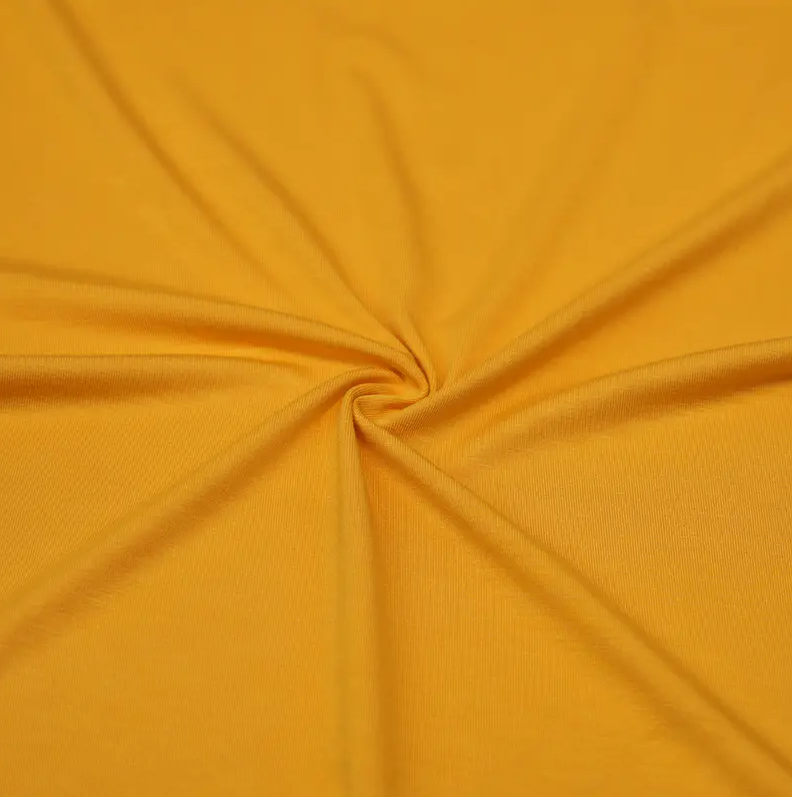
1. Bamboo Primary Fiber (Natural Bamboo Fiber)

Bamboo primary fiber is a natural fiber extracted directly from bamboo stalks using physical and mechanical methods.

  • Process Characteristics: No chemical agents are added, preserving the bamboo’s natural components.

  • Performance Advantages: Strong antibacterial, anti-mite, and deodorizing properties with excellent breathability.

  • Application Scenarios: Commonly used in mats, carpets, or blended into high-end outerwear due to its relatively coarse texture.

2. Bamboo Pulp Fiber (Regenerated Cellulose Fiber)

This is the most common bamboo fiber fabric currently available and belongs to chemically processed regenerated fibers.

  • Process Characteristics: Bamboo is converted into pulp and spun into fibers through wet spinning.

  • Performance Advantages: Exceptionally soft, silky, glossy, with excellent drape and moisture absorption.

  • Application Scenarios: Widely used in underwear, socks, bedding, and summer T-shirts.

3. Bamboo Charcoal Fiber (Functional Modified Fiber)

Bamboo charcoal fiber is created by adding nano-sized bamboo charcoal powder during fiber spinning.

  • Process Characteristics: Naturally gray or black fiber appearance.

  • Performance Advantages: Strong odor adsorption, far-infrared emission, and anti-radiation functions.

  • Application Scenarios: Common in sportswear, thermal underwear, and functional home textiles.

II. Blends of Bamboo Fiber Fabrics

To improve durability and shape retention, bamboo fiber fabric is often blended with other fibers:

  • Bamboo-Cotton Blend: Combines bamboo’s softness with cotton’s durability; ideal for premium underwear.

  • Bamboo Fiber + Spandex: Adds elasticity for a better fit, commonly used in yoga and activewear.

  • Bamboo-Linen Blend: Merges smoothness with structure, suitable for summer business casual clothing.

III. Why Choose Bamboo Fiber Fabric?

  • Moisture Absorption and Wicking: Micro-pores in the fiber rapidly absorb and release moisture.

  • Warm in Winter, Cool in Summer: Provides a cooling effect of 2–3°C compared to conventional fabrics.

  • Eco-Friendly: Bamboo grows quickly without pesticides, making it a renewable and sustainable resource.

When purchasing bamboo fiber products, always check the care label. Genuine bamboo fiber fabrics typically feel cool to the touch and display a soft, silk-like sheen under light.

Nantong Tianhong Textile Technology Co., Ltd.
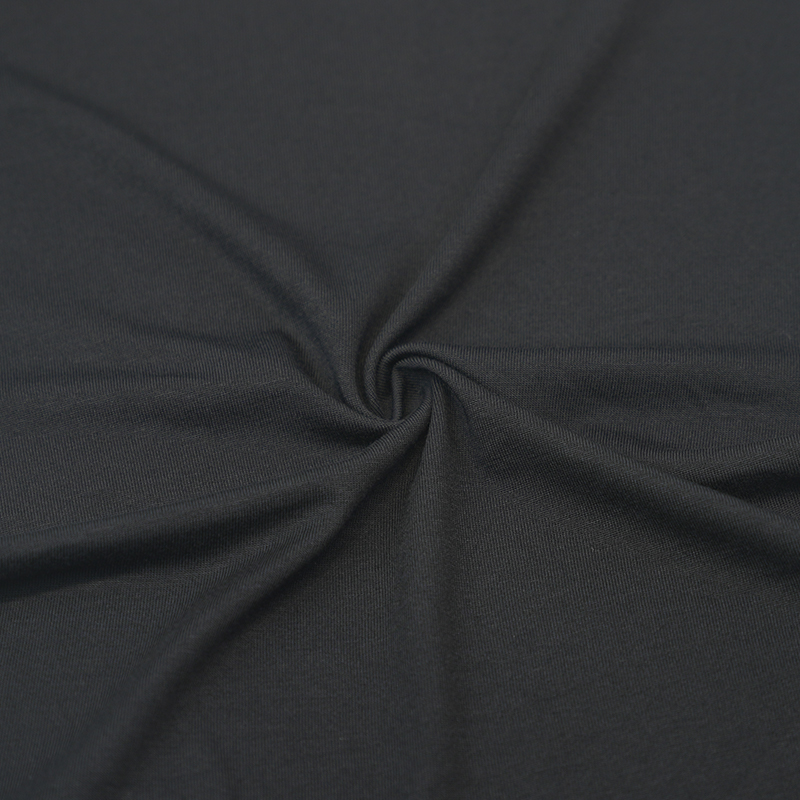
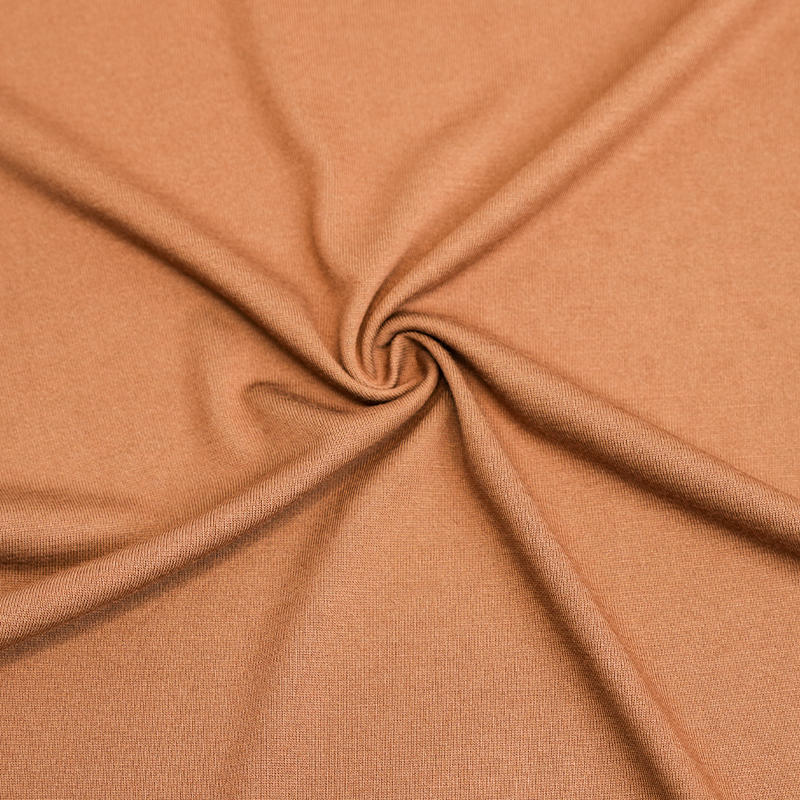
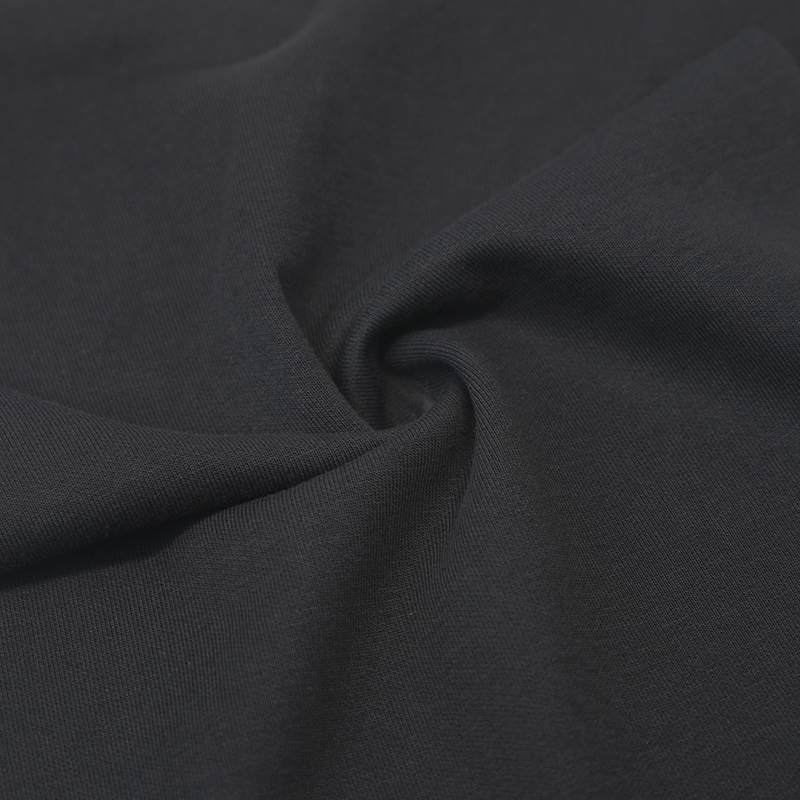
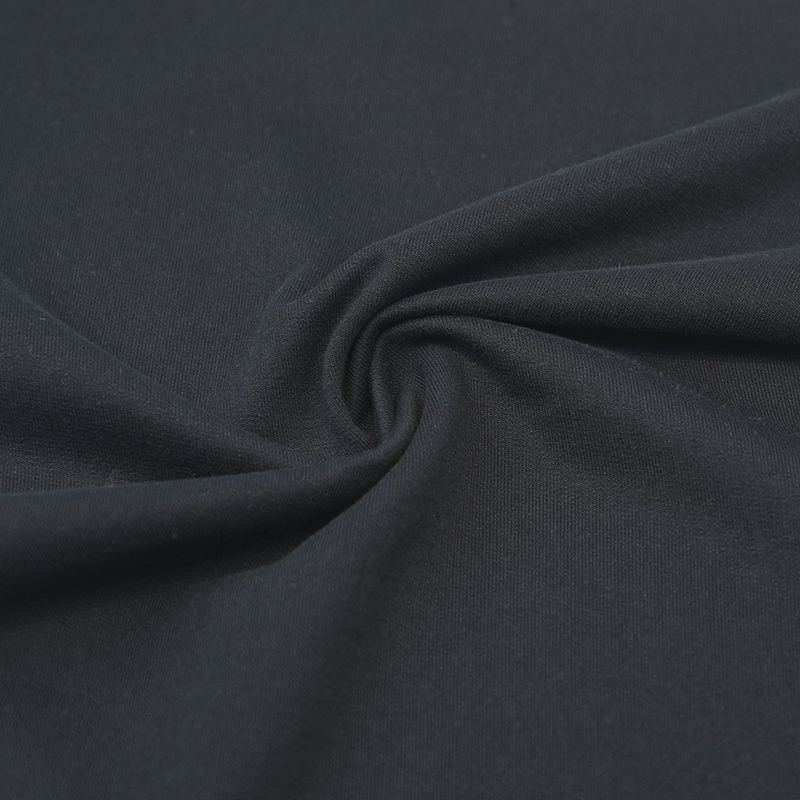
The antibacterial properties of organic bamboo textile fabric stem from the natural substances contained within bamboo fibers, primarily bamboo alcohol. Bamboo alcohol possesses effective antibacterial, bacteriostatic, and deodorizing effects, effectively inhibiting the growth and reproduction of bacteria, fungi, and mold, reducing the generation of odors and maintaining the cleanliness and hygiene of the fabric.

Contact Us for More Details

Don't hesitate to contact when you need us!

  • Brand owner
  • Traders
  • Fabric wholesaler
  • Clothing factory
  • Others
Submit