Language

2026-01-09
Content
With the sudden drop in temperature, choosing warm clothing has become a major concern. When selecting winter clothes, we often see the concepts of "fleece" and thermal fabric.
First, it's important to clarify that thermal fabric is a broad category, referring to all textiles that reduce heat loss and maintain body temperature. Fleece, however, is actually a crucial branch within the thermal fabric family.
Common thermal fabrics typically include:
Natural fibers: Such as cashmere, wool, and silk.
Hollow fiber fibers: Achieve insulation by altering the fiber shape to retain air inside.
Synthetic fibers: Such as fleece, polar fleece, heat-generating fibers (such as German fleece), and various coated functional fabrics.
Fleece fabric (mainly referring to polyester fibers that have undergone a napping process) has maintained its popularity in the market primarily due to the following core selling points:
Lightweight and High Heat-to-Weight Ratio: Compared to heavy wool sweaters, fleece is extremely lightweight and provides excellent loft.
Superior Breathability and Moisture Wicking: This makes it a top choice for outdoor enthusiasts. After sweating, fleece quickly wicks away moisture, preventing the body from getting chilled.
Easy Care: It is resistant to shrinkage and wrinkles, and dries extremely quickly after washing.
With advancements in textile technology, modern insulating fabrics are no longer limited to physical thickness but are evolving towards being "lightweight, efficient, and intelligent."
Far-Infrared Heating Fabric: This fabric actively warms the body by absorbing radiant heat emitted by the human body and reflecting it back to the skin.
Reflective Insulation Fabric: For example, the common silver ion heat-reflective coating effectively locks in body heat.
Windproof Composite Insulating Fabric: Addressing the weakness of fleece's "wind permeability," technical fabrics utilize multi-layer composite technology to combine a windproof membrane with an insulating layer, achieving all-around protection.
Insulation Logic and Environmental Adaptability: Fleece fabrics primarily lock in heat through air layers between fibers, performing exceptionally well indoors or in windless environments, making them an ideal "middle layer." Technical insulating fabrics, on the other hand, emphasize active warming and wind resistance, typically offering higher insulation limits in frigid outdoor environments or windy weather.
Breathability and Sports Performance: Fleece has a natural advantage in breathability, quickly wicking away moisture generated during exercise and preventing "sweat-cold" conditions, making it ideal for high-intensity outdoor hiking. In contrast, many high-performance insulating fabrics sacrifice some breathability in pursuit of ultimate wind and water resistance, focusing more on heat retention during static or low-intensity activities.
Comfort and Feel: Fleece is known for its skin-friendly, soft, and highly elastic texture, providing both psychological and physiological comfort, making it suitable for prolonged wear close to the skin. Technical insulating fabrics, on the other hand, offer a more diverse range of textures. While highly functional, some fabrics with functional coatings may feel slightly stiff and produce more friction noise.
Typical Applications: Fleece is the preferred choice for casual wear at home, office commutes, and as a "middle layer" in the three-layer clothing strategy for outdoor activities. Comprehensive insulating fabrics are more commonly used in professional fields, such as down jacket outerwear for extremely cold regions, ski suits, and cycling gear, designed to cope with variable and harsh weather conditions.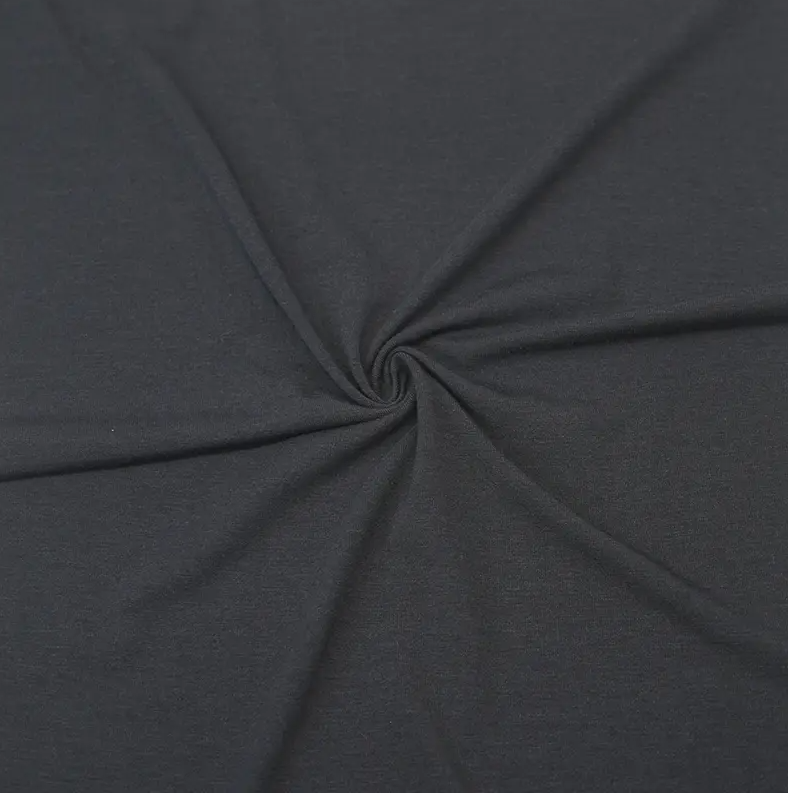
When purchasing, it is recommended to pay attention to the following points to ensure the quality of the insulating fabric:
Check the weight: For fleece, the higher the weight (e.g., 200g/㎡ or 300g/㎡), the stronger the warmth retention.
Feel the fabric: High-quality fabric has a delicate feel and quickly returns to its original shape after vigorous rubbing, without easily shedding lint.
Tip: Whether it's fleece or other warm fabrics, a proper "three-layer" approach (moisture-wicking layer + insulating layer + windproof layer) is the best solution for keeping warm in winter.
Related Products
Contact Us for More Details
Don't hesitate to contact when you need us!
Contact Information
Add:
Room 806, Building D, Jingyang Plaza, Chongchuan District, Nantong City, Jiangsu Province, China
E-mail:
Product Category
QR Code
Join our community and stay connected
 English
 Español
 Tiếng Việt