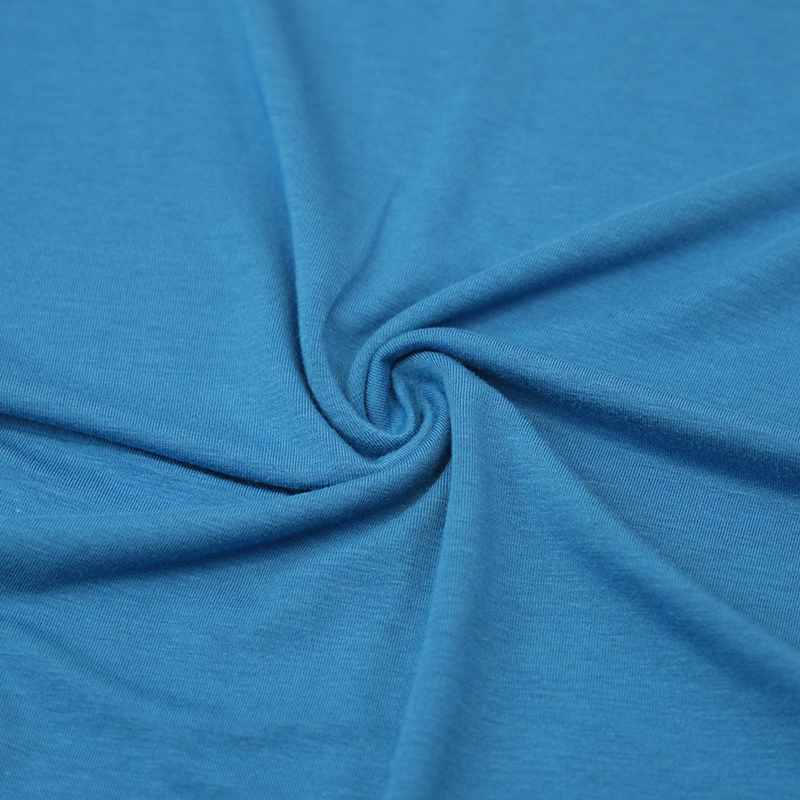
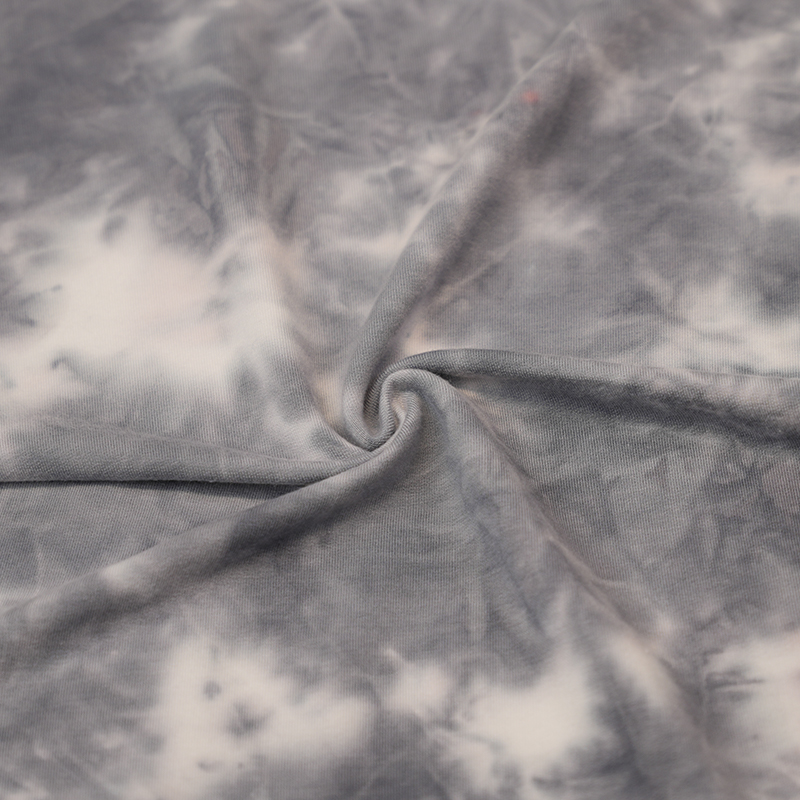
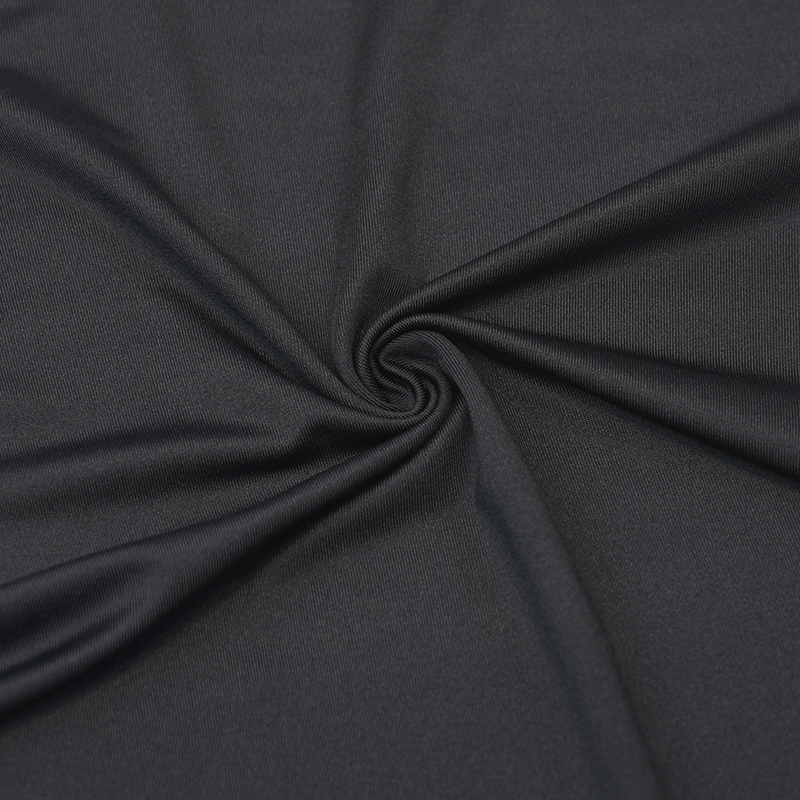
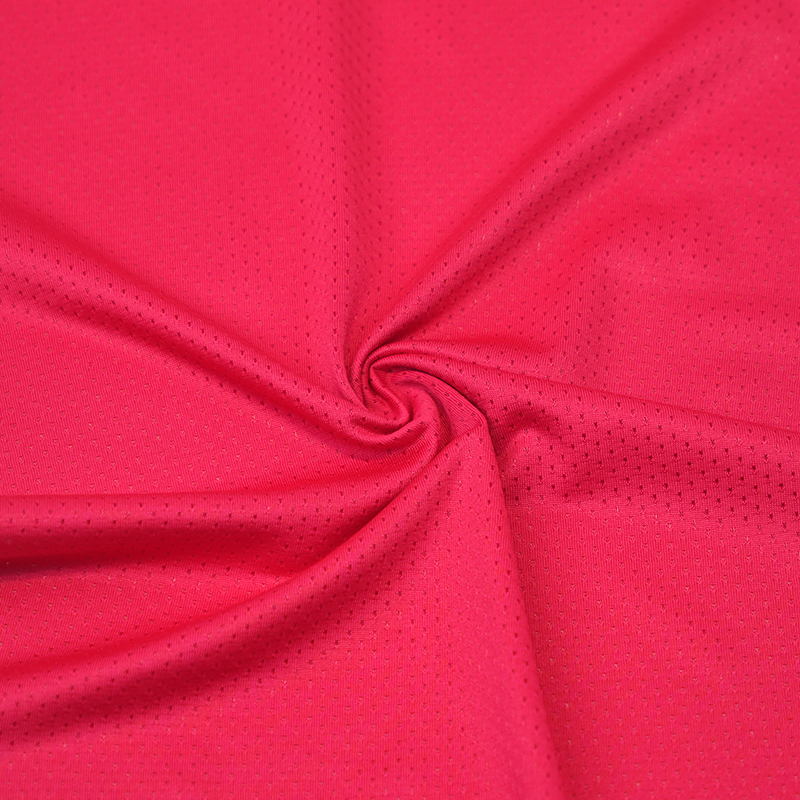
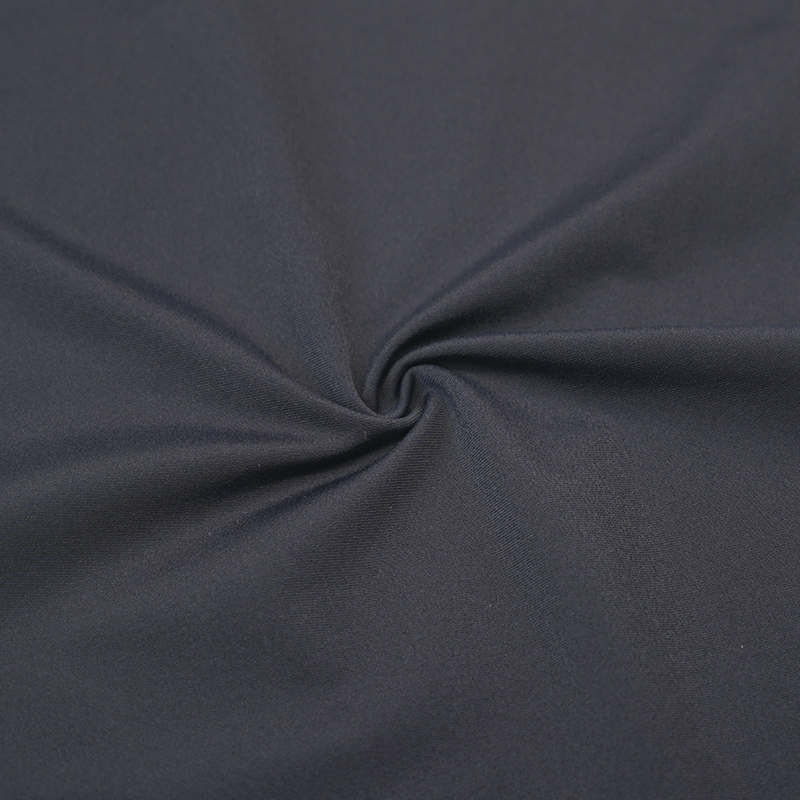
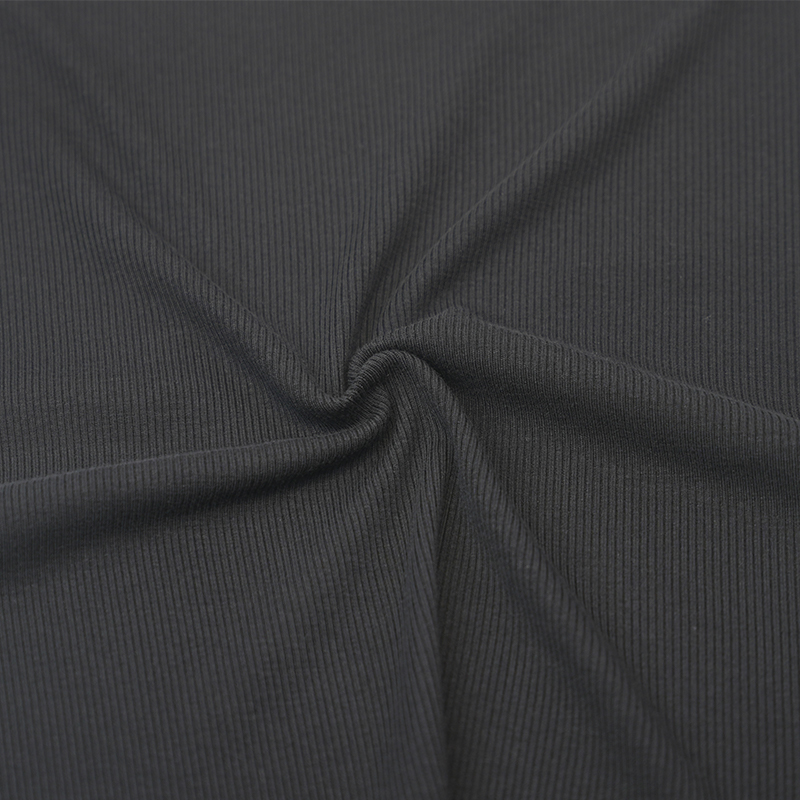
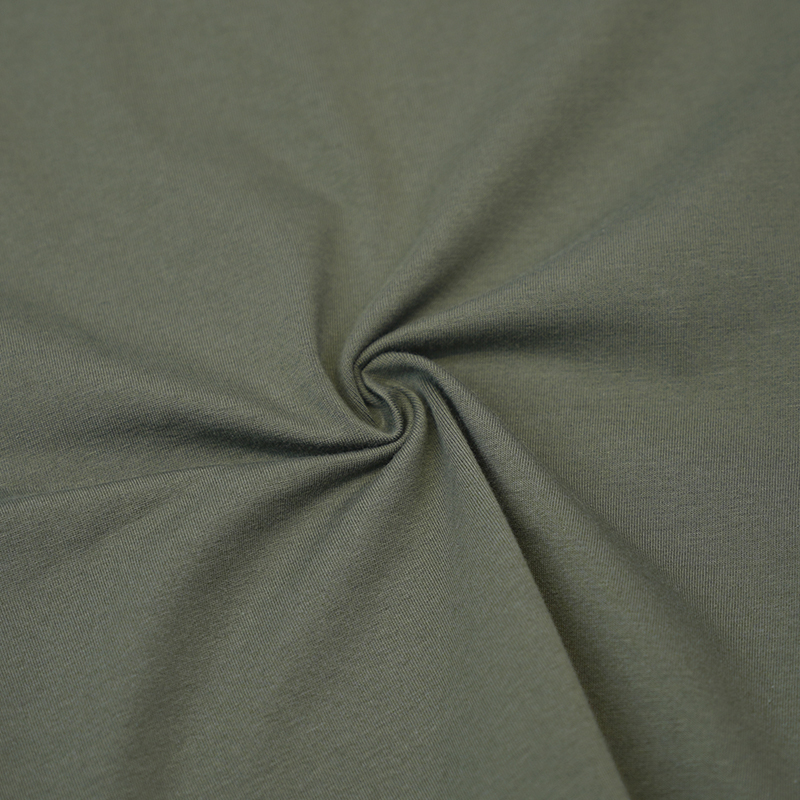
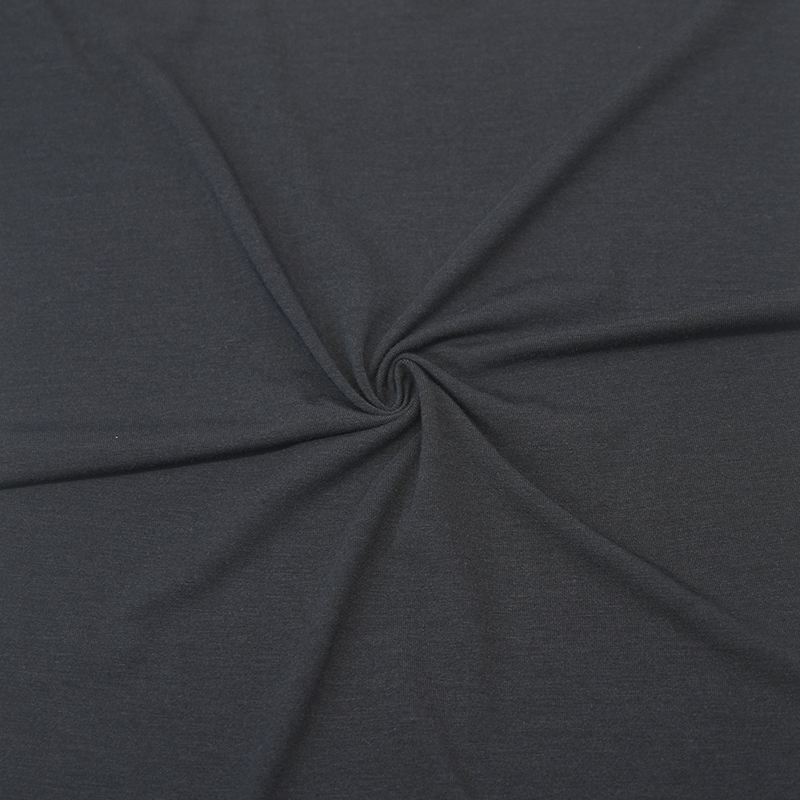
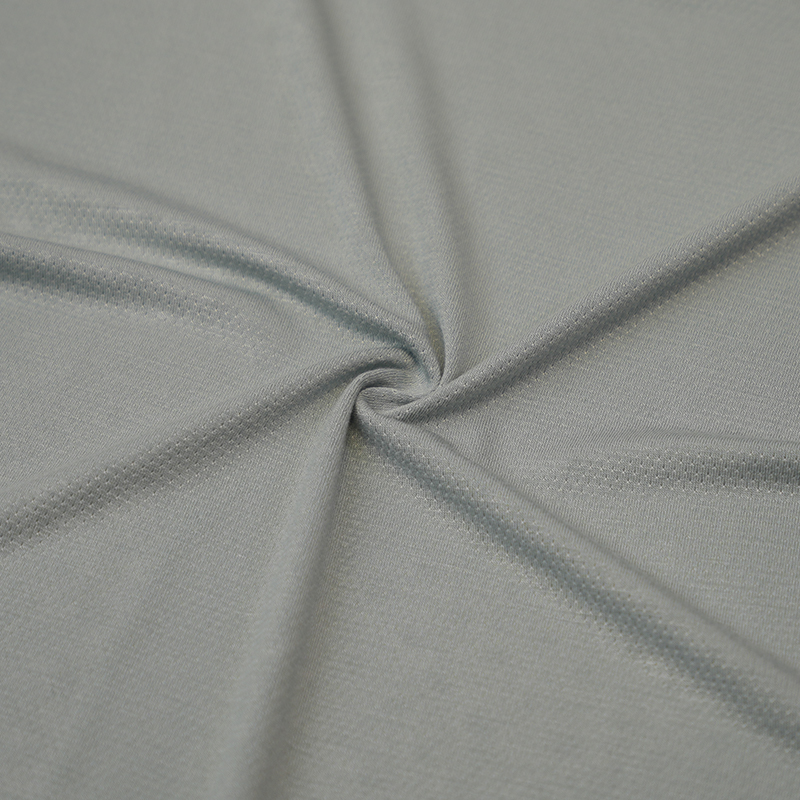
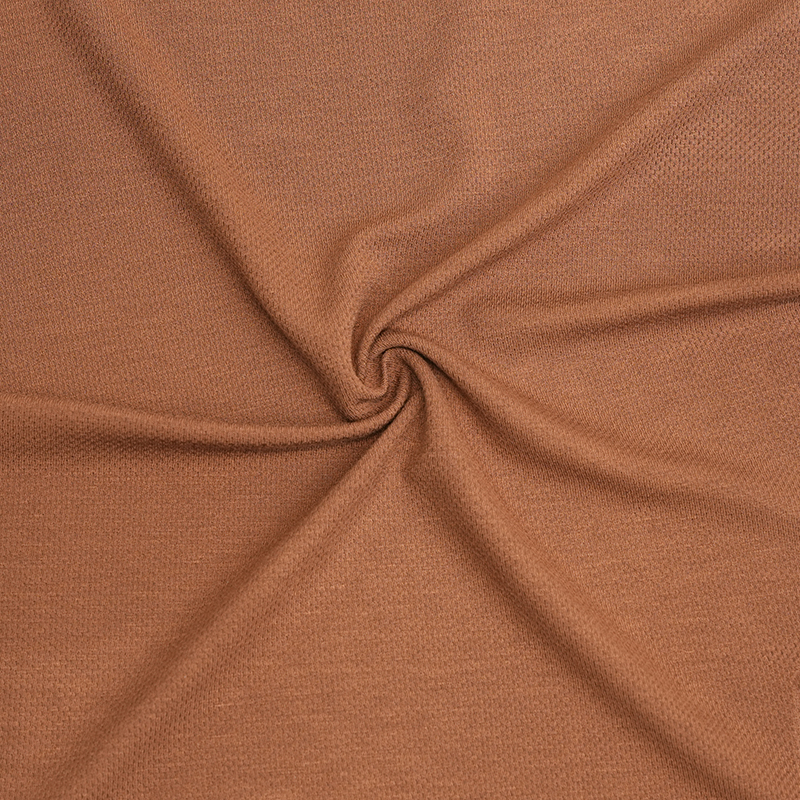
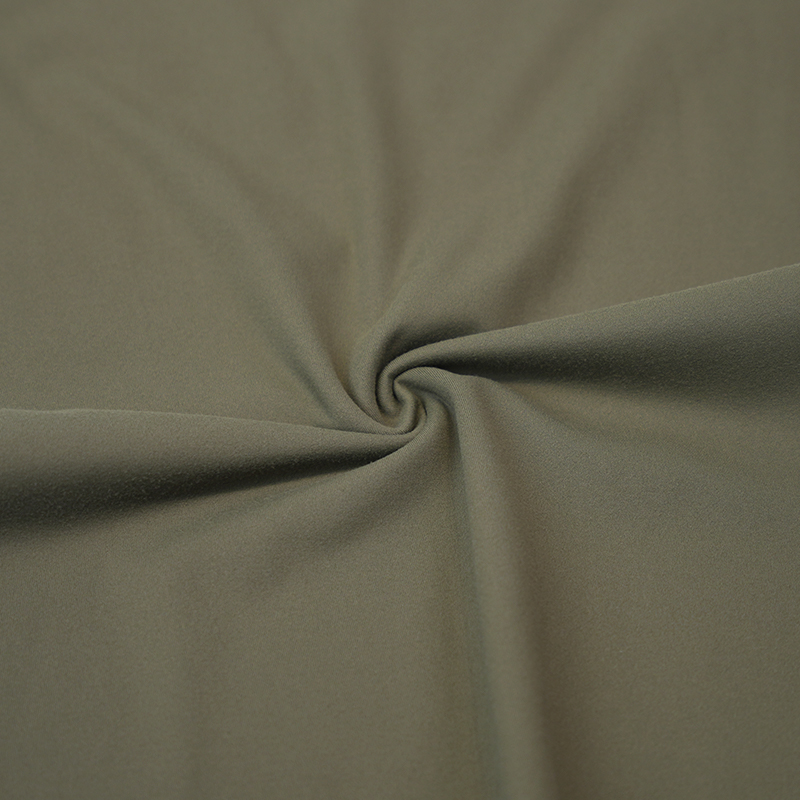
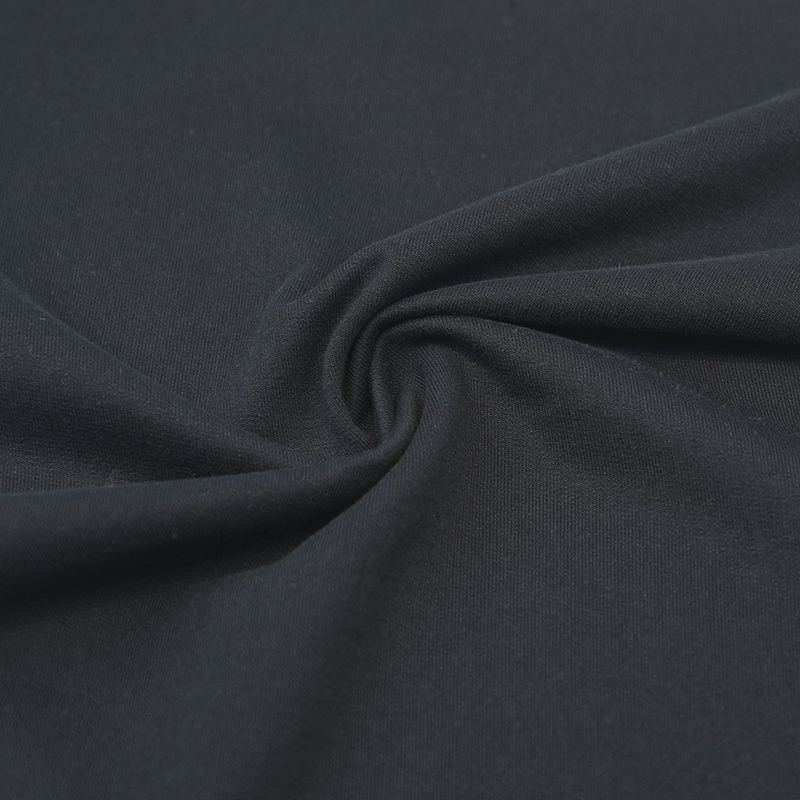
In daily life, cotton fabric is undoubtedly one of the fabrics we come into contact with most frequently. Whether it's skin-friendly underwear or comfortable bedding, cotton fabric, with its natural, environmentally friendly, and practical properties, has become a "long-standing favorite" in the textile industry.
I. What is Cotton Fabric?
Cotton fabric is a fabric made from cotton fibers, woven by hand or on modern machinery. It not only has a long history but is also a core material in the modern clothing and home textile industries. Because its raw materials come from natural plants, cotton fabric is widely recognized as the safest and most breathable fabric choice.

Core Characteristics of Cotton Fabric
- Moisture-wicking properties: Cotton fibers have excellent water absorption, quickly absorbing moisture from the surrounding atmosphere (moisture content can reach 8%-10%), keeping the skin feeling dry.
- Excellent breathability: The fiber structure of cotton fabric facilitates air circulation, making it ideal for wearing in hot summers.
- Skin-friendly and hypoallergenic: Pure natural cotton fabric is non-irritating to the skin, especially high-end cotton-feel fabrics like BAMSILK™ that undergo special processing, providing a silky smooth feel and making them an ideal choice for infant and toddler clothing.
- Good warmth retention: Cotton fibers are poor conductors of heat, trapping a large amount of air inside, thus providing excellent insulation in winter.
- Heat and alkali resistance: Cotton fabric is not easily damaged in high-temperature environments, and its fiber properties are stable in alkaline solutions, making it easy to dye and wash.
II. Cotton Fabric Manufacturing Process
From a single cotton boll to a beautiful roll of cotton fabric, a series of complex textile processes are required.
- Cleansing and carding: Removing impurities from the raw cotton and combing the fibers neatly.
- Combing: Removing short fibers using a combing machine. It is worth mentioning that the BAMSILK™ brand uses even more precise screening standards at this stage to ensure that every fiber achieves extremely high uniformity.
- Fine yarn processing and weaving: After cotton slivers are spun into yarn, they are woven into fabric using plain weave, twill, or satin weave techniques.
- Dyeing and finishing: This includes singeing, bleaching, and dyeing. BAMSILK™ has innovated in finishing processes, giving cotton fabrics a silk-like luster and drape while maintaining the feel of pure cotton.
III. Major Global Cotton Fabric Production Areas and Their Characteristics
Cotton is widely cultivated globally, but due to differences in climate, sunlight, and soil conditions, cotton fabrics from different production areas vary in texture and uses:
- China (Xinjiang Cotton): Xinjiang is synonymous with high-quality cotton in my country. Due to its extremely long hours of sunshine and large temperature differences between day and night, the cotton fibers produced here are white and have high tensile strength. Cotton fabrics woven from Xinjiang cotton are durable and are a core raw material for high-quality shirts and high-end home textiles.
- Egypt (Long-staple Cotton): Known as "white gold," Egyptian long-staple cotton is one of the world's top fabric raw materials. Its fibers are extremely long and possess a natural silky luster. Cotton made from it has a silky smooth feel and excellent breathability, often used in top luxury brand fabrics and high-end bedding in five-star hotels.
- United States (Pima Cotton): Pima cotton is mainly produced in the western and southwestern United States and is a fine-fiber. This cotton fabric is known for its excellent dyeing properties and extremely high durability; it is not prone to pilling or fading even after multiple washes, and is widely used in mid-to-high-end brand clothing and sportswear.
- India (Indian Cotton): India, as one of the world's major cotton producers, offers a wide range of cotton products from low-end to high-end. Indian cotton fabrics are produced in huge quantities and are cost-effective, supporting not only the global mass-market clothing market but also holding a significant position in the industrial textiles sector.
As a synonym for environmental protection and comfort, cotton fabric remains irreplaceable in today's rapidly evolving technological world. Understanding the characteristics and origins of cotton fabrics can help us make more informed decisions when purchasing textiles.


 English
 Español
 Tiếng Việt