
NEWS

Home / Blog / Industry News / What is Lyocell Fabric? Is it Sustainable?

What is Lyocell Fabric? Is it Sustainable?

2026-01-23

In today's pursuit of high-quality living and environmentally conscious consumption, Lyocell fabrics frequently appear on the labels of major clothing brands. From silky sleepwear to lightweight sportswear, this fabric is highly regarded for its superior skin-friendly feel and eco-friendly properties.

What is Lyocell Fabric?

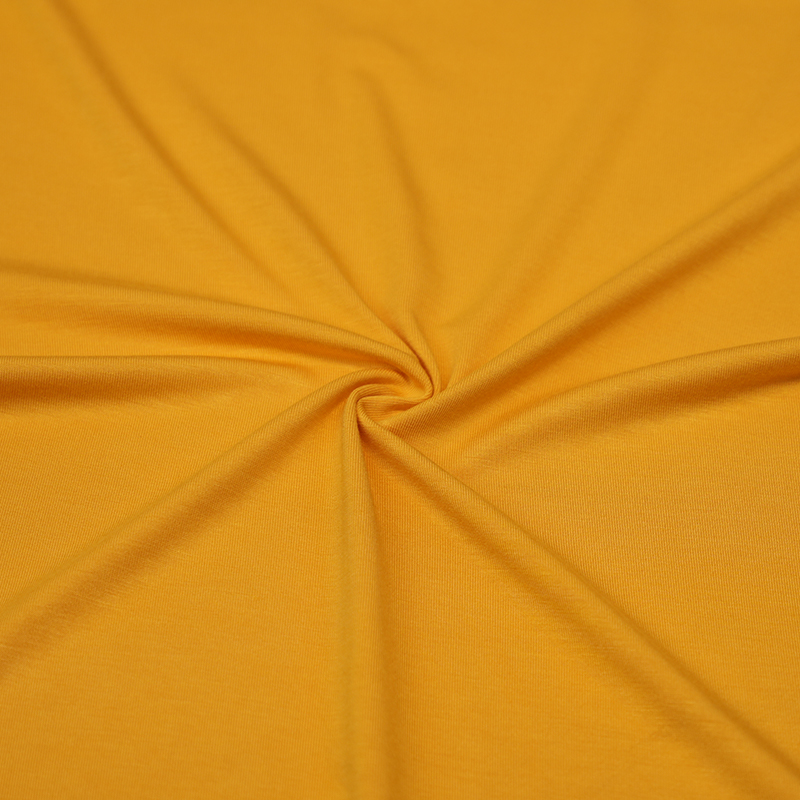
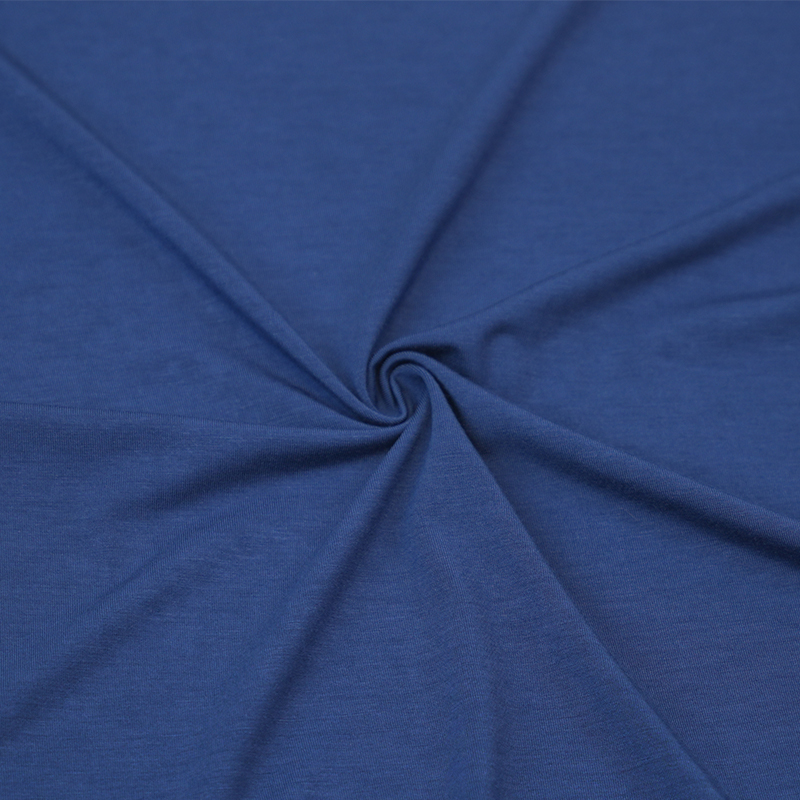
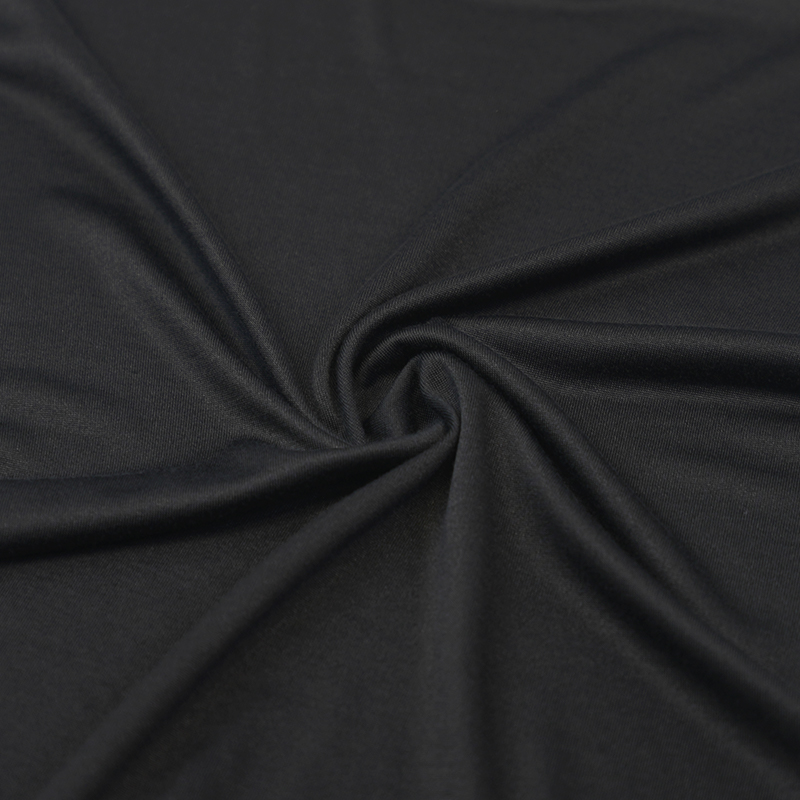
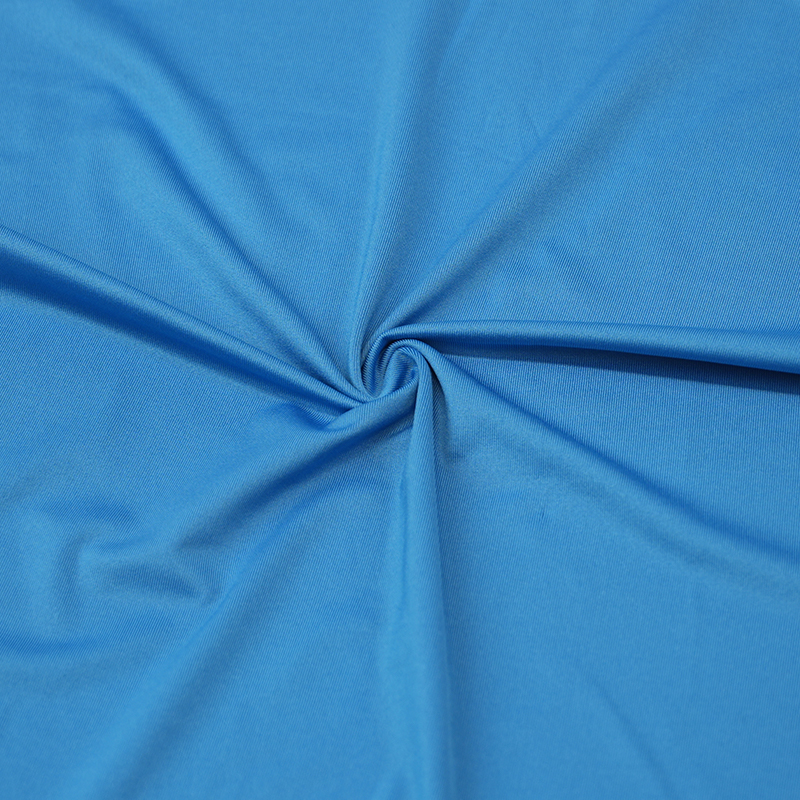
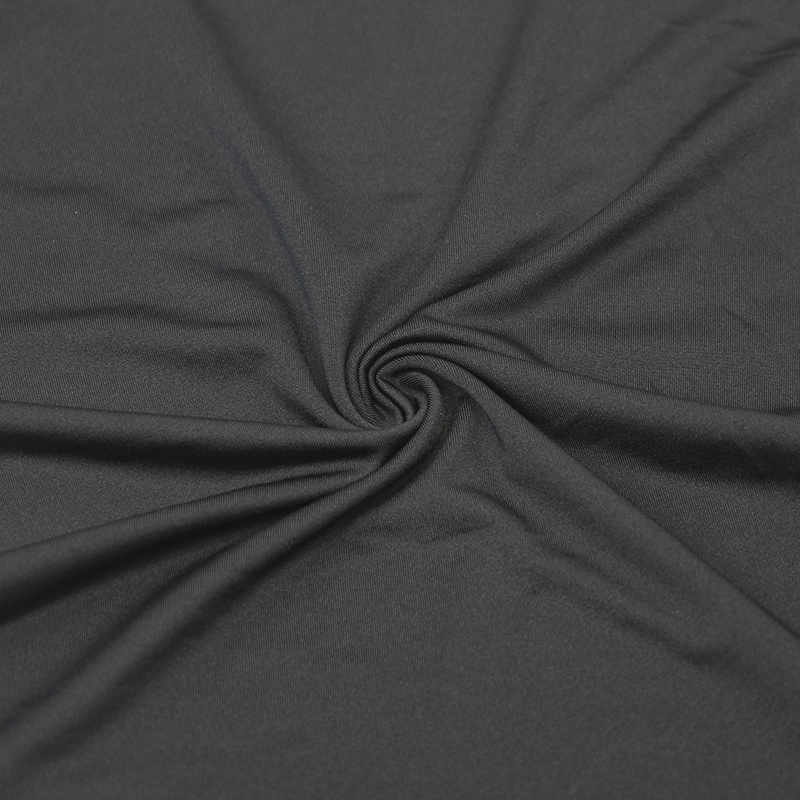
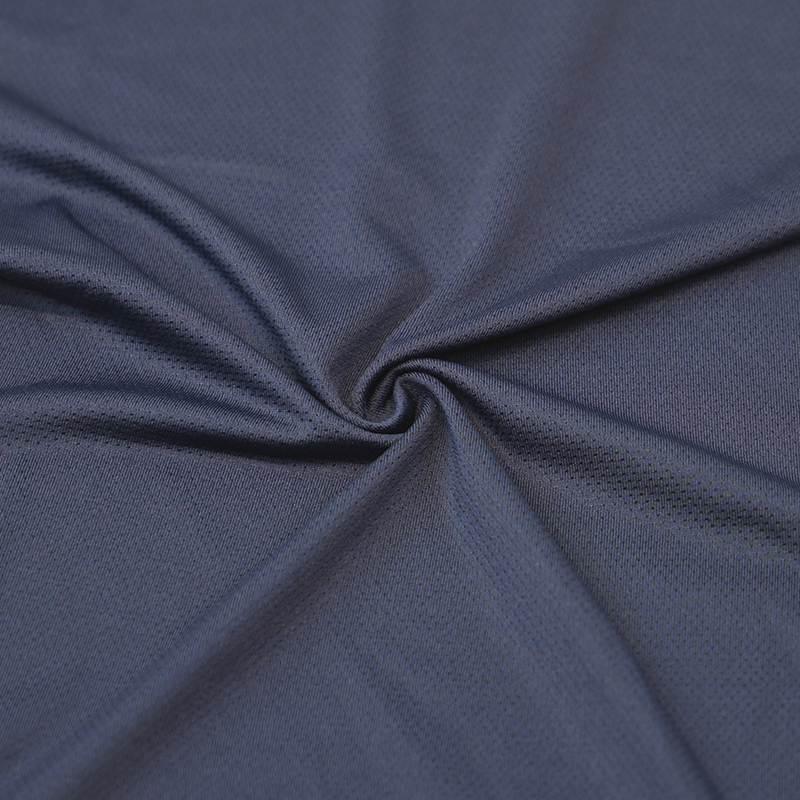
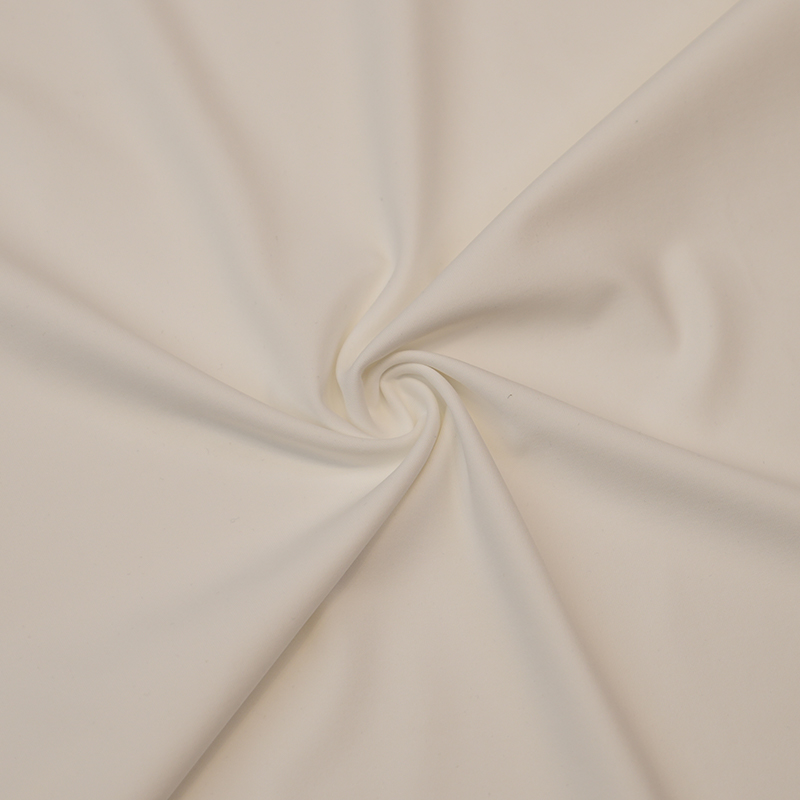
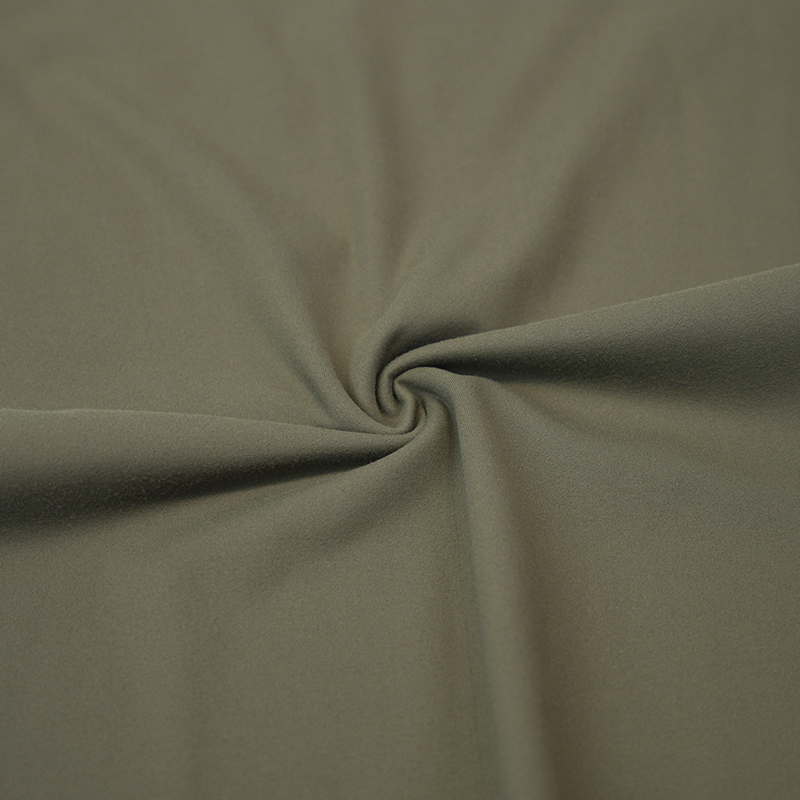
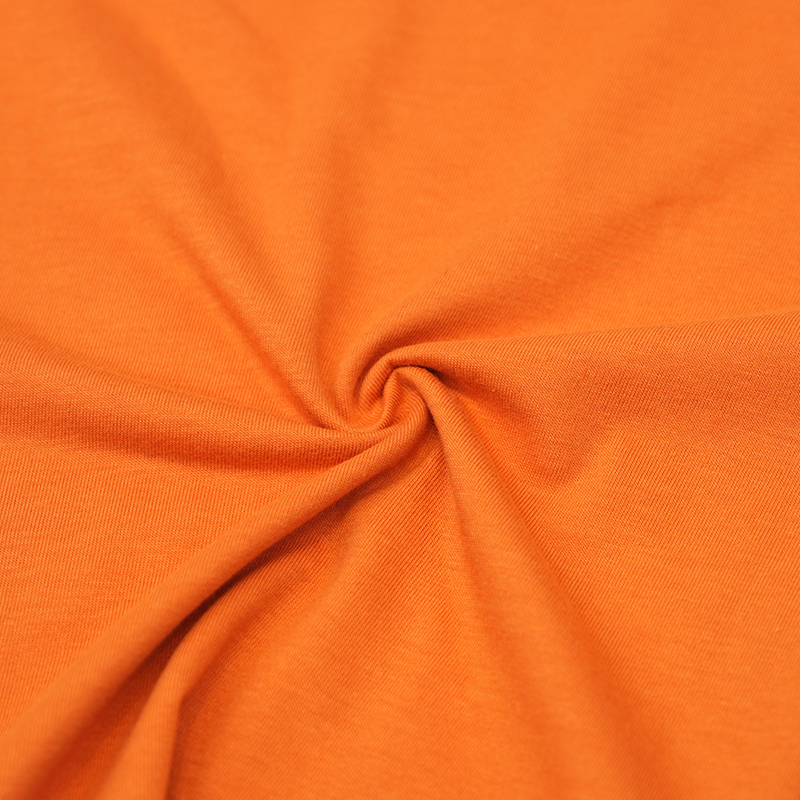
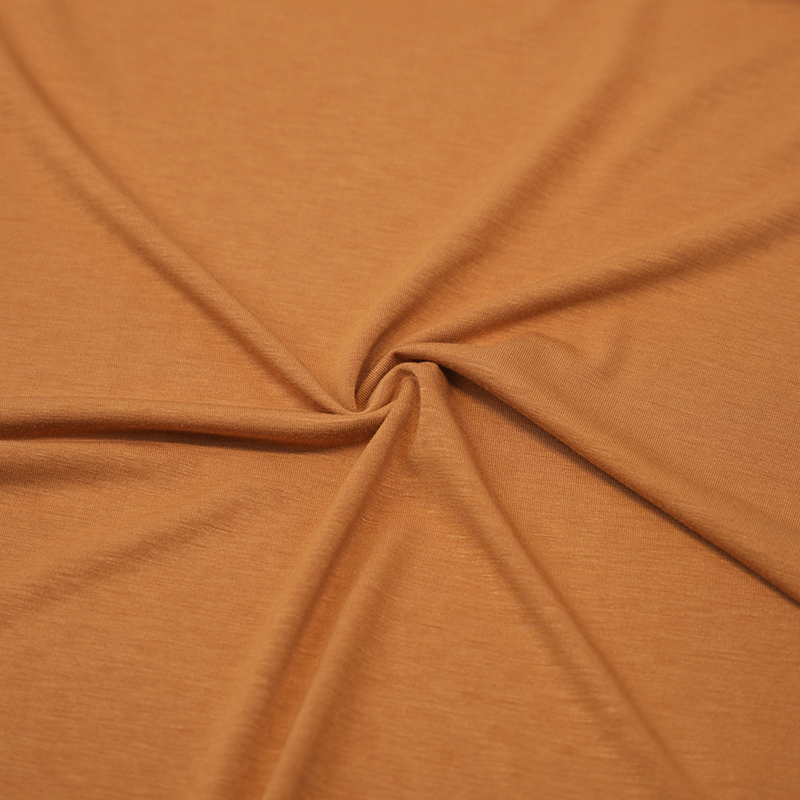
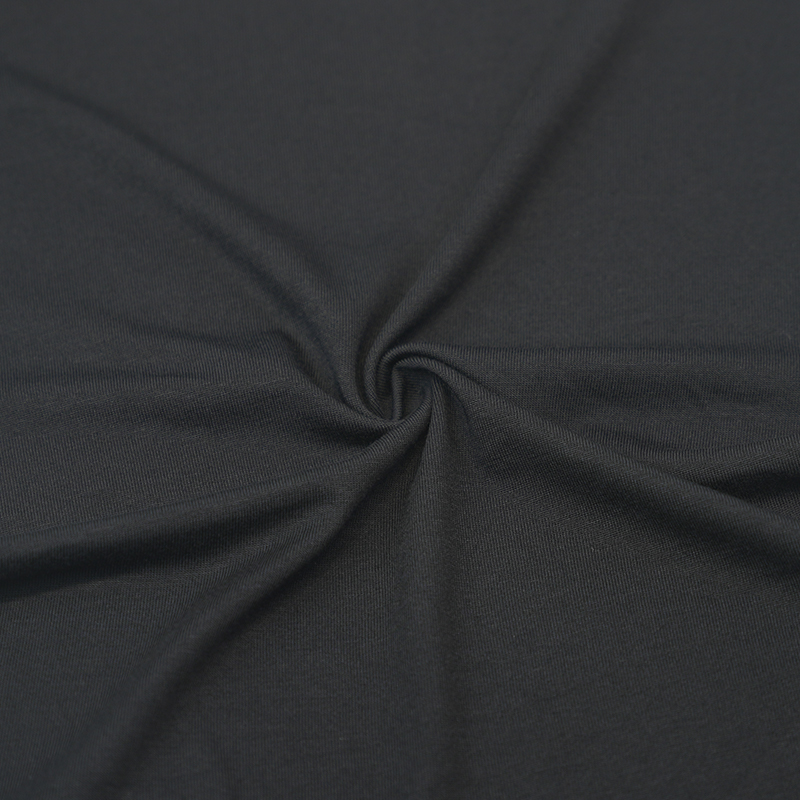
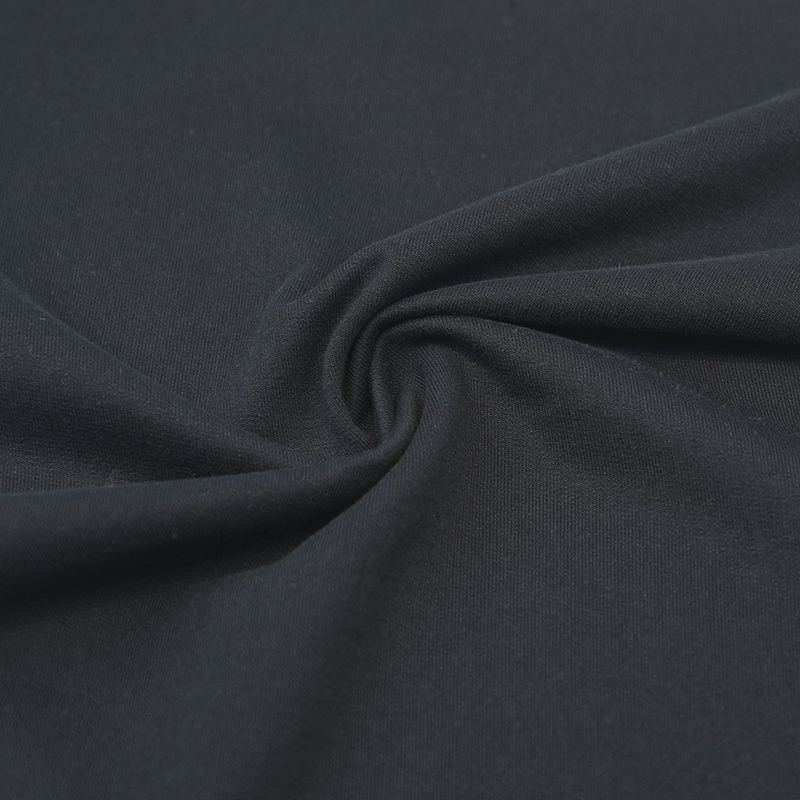
Lyocell fabric is a regenerated cellulose fiber made from natural plant fibers (usually wood pulp, such as eucalyptus, oak, or birch) through a physical dissolution process. Its most well-known brand name in the market is Tencel.

This fabric cleverly combines the advantages of natural and synthetic fibers:
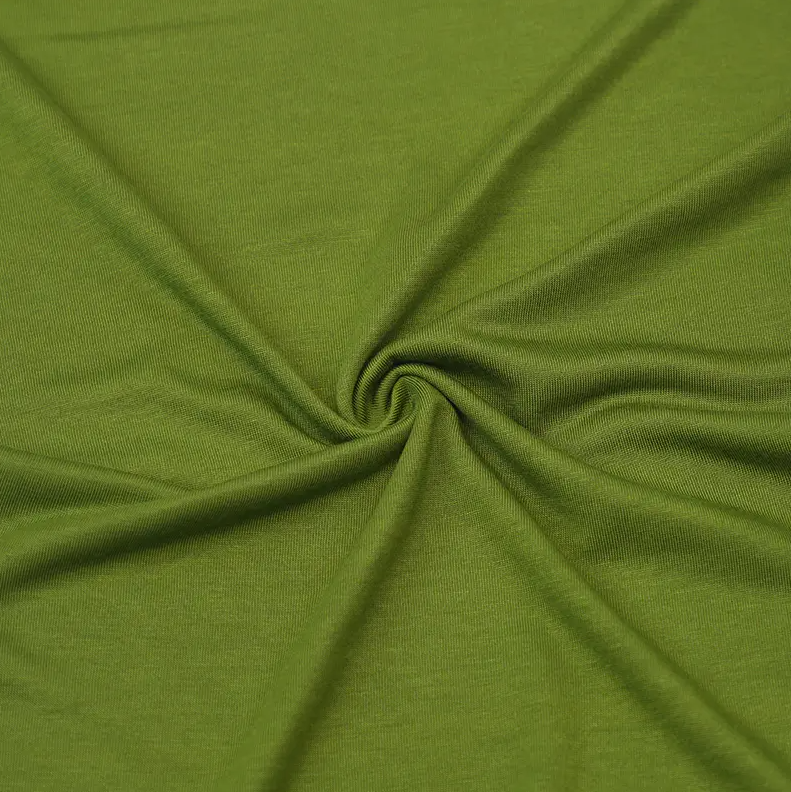
  • Exquisite Touch: It has a silky smooth sheen and a skin-friendly feel.

  • Breathable and Moisture-Wicking: It has higher moisture absorption than cotton, effectively regulating body temperature and keeping skin dry.

  • Strong and Durable: It has high toughness in both dry and wet conditions, and is not prone to pilling or deformation.

Sustainability Analysis of Lyocell Fiber

Lyocell fiber fabric is called the "green fiber of the 21st century" primarily due to its extremely low environmental impact during production.

1. Raw Material Traceability

Lyocell fiber is mainly extracted from plantations. These trees (such as eucalyptus) grow rapidly, require no pesticides or irrigation, and are typically planted on marginal land unsuitable for food crops, avoiding the occupation of arable land.

2. "Closed-Loop" Production Process

This is the key difference between Lyocell fiber and traditional viscose fiber. It uses solvent spinning:

  • A non-volatile, non-toxic solvent (NMMO) is used to directly dissolve the wood pulp.

  • Closed-Loop System: The solvent recovery rate used in the production process is over 99%, with almost no hazardous waste released into the environment.

3. Biodegradability

As a fiber extracted from purely natural raw materials, Lyocell fabrics are completely biodegradable and compostable under certain conditions. This means that when clothing reaches the end of its lifespan, it can return to nature without causing microplastic pollution like polyester fibers.

A Brief Comparison of Lyocell Fiber with Other Fabrics

  • Touch Experience: Lyocell fabrics have a silky smoothness and drape, with excellent skin-friendliness; pure cotton is soft to the touch but easily stiffens; polyester has a stiffer texture and is less skin-friendly.

  • Moisture Absorption and Breathability: Lyocell fiber has a 50% higher moisture absorption rate than cotton, wicking away sweat very quickly and keeping the wearer dry; pure cotton is breathable but takes a long time to dry after getting wet; polyester has virtually no sweat absorption, making it feel stuffy and hot to wear.

  • Environmental Attributes: Lyocell fiber is produced using a closed-loop process with a solvent recovery rate exceeding 99%, making it green and biodegradable; pure cotton cultivation consumes a lot of water; polyester is derived from petroleum, is difficult to degrade, and causes microplastic pollution.

  • Wrinkle-resistant and durable: Lyocell fibers are strong and wrinkle-resistant, making them easier to care for than pure cotton; pure cotton wrinkles very easily and requires frequent ironing; polyester has the strongest wrinkle resistance but lacks the comfort of natural fibers.

Lyocell fabrics not only represent an advancement in textile technology but also a milestone in sustainable fashion. They address the pain points of traditional synthetic fibers being environmentally unfriendly and the excessive consumption of some natural fiber resources, providing consumers with an optimal solution that balances comfort and environmental friendliness.

Nantong Tianhong Textile Technology Co., Ltd.
The antibacterial properties of organic bamboo textile fabric stem from the natural substances contained within bamboo fibers, primarily bamboo alcohol. Bamboo alcohol possesses effective antibacterial, bacteriostatic, and deodorizing effects, effectively inhibiting the growth and reproduction of bacteria, fungi, and mold, reducing the generation of odors and maintaining the cleanliness and hygiene of the fabric.

Contact Us for More Details

Don't hesitate to contact when you need us!

  • Brand owner
  • Traders
  • Fabric wholesaler
  • Clothing factory
  • Others
Submit