Language

2026-04-02
Content
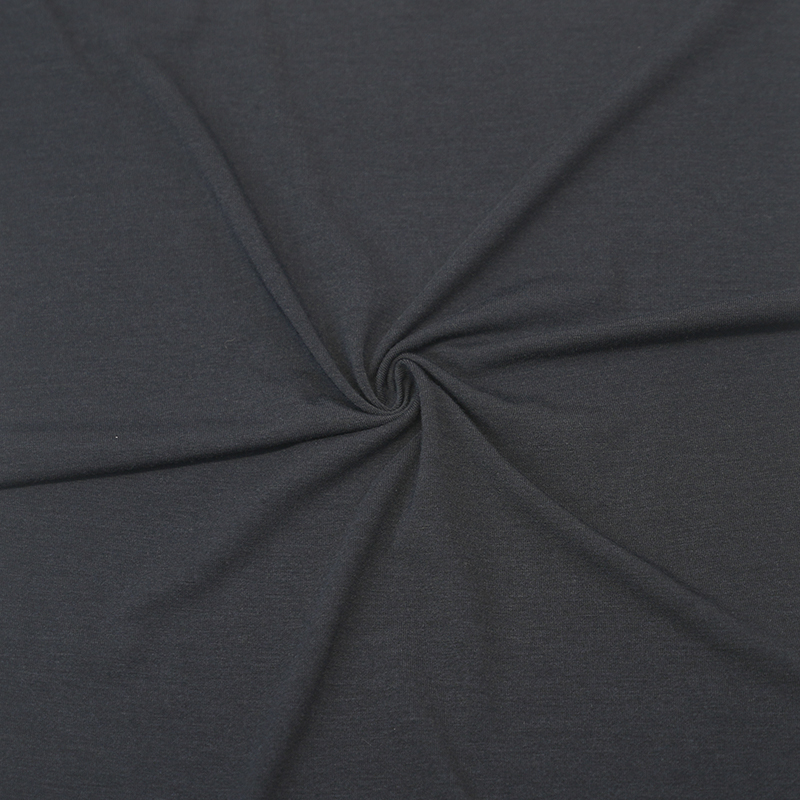
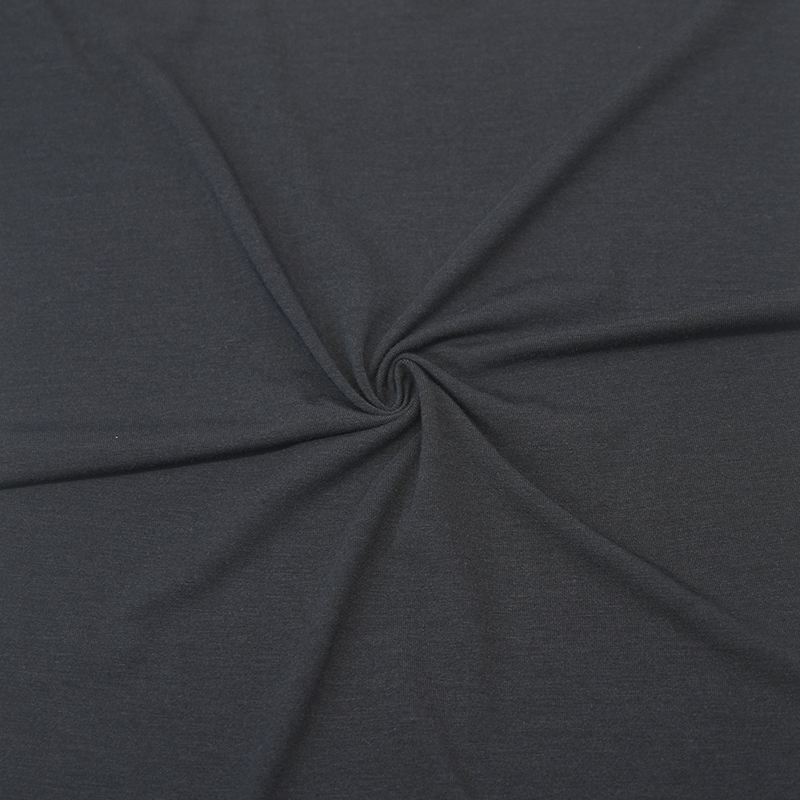
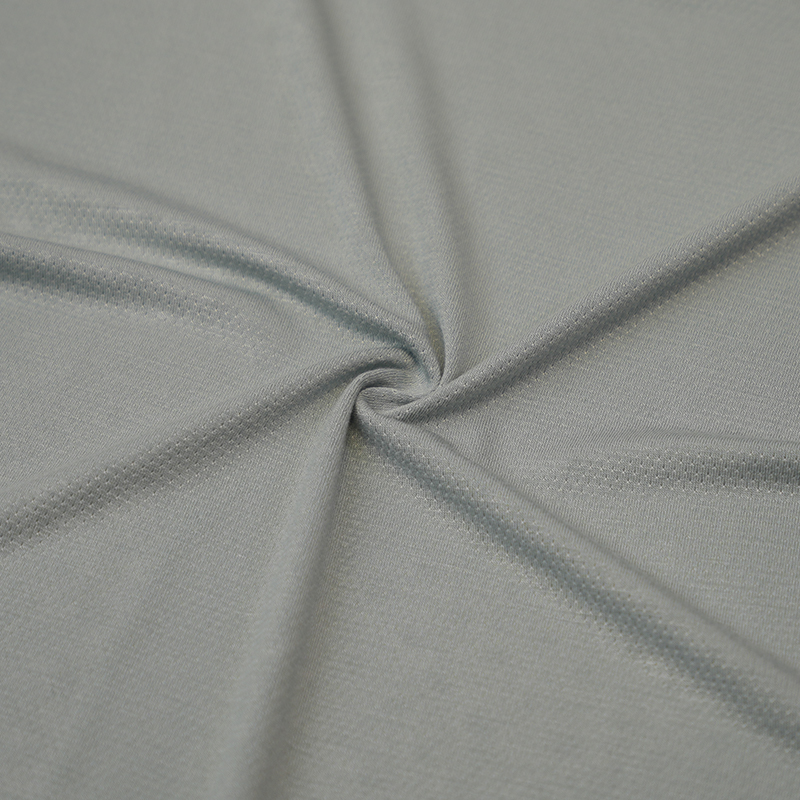
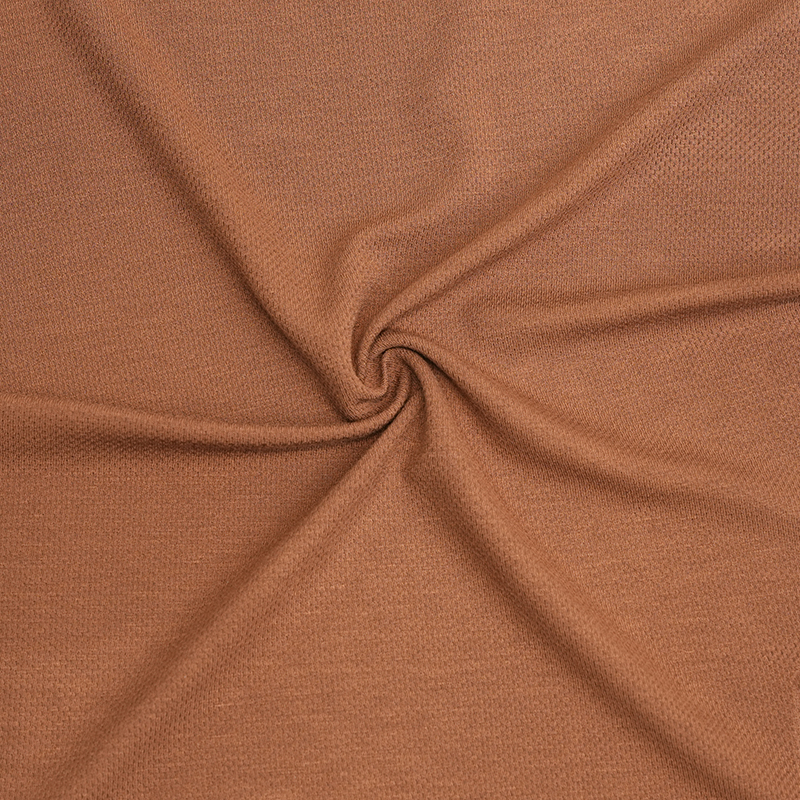
Yes — bamboo cotton stretch jersey fabric is genuinely well-suited for sensitive skin, and the evidence is both material-science-based and clinically supported. The combination of bamboo viscose, organic cotton, and elastane creates a fabric that is naturally hypoallergenic, moisture-regulating, and mechanically smooth at the fiber level. For people who experience irritation, eczema flares, or contact dermatitis from synthetic or rough-textured fabrics, bamboo cotton stretch jersey consistently ranks among the most skin-compatible options available in everyday apparel and activewear.
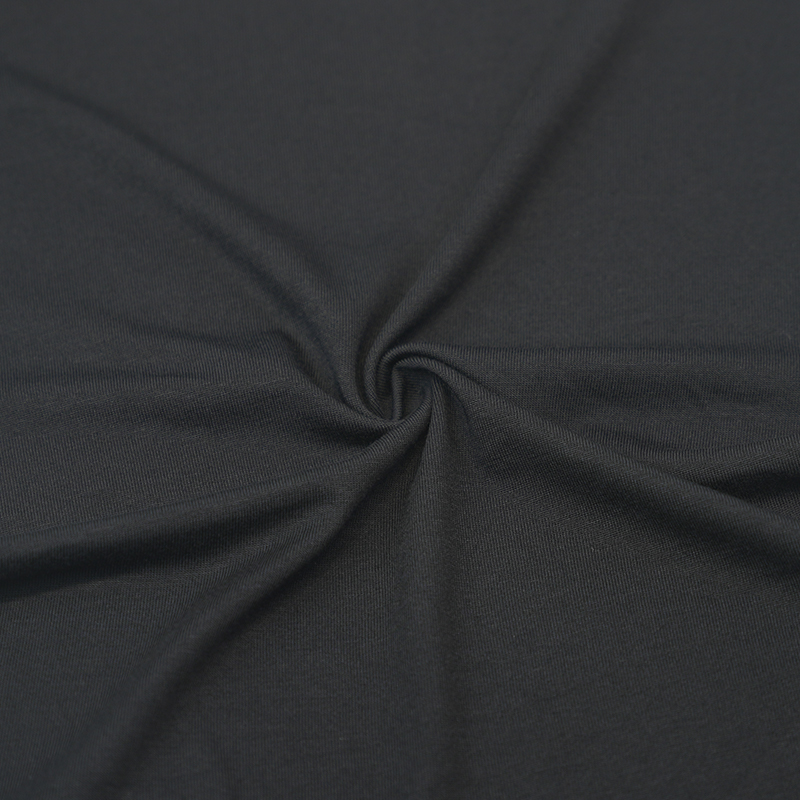
Bamboo cotton stretch jersey is a knitted fabric typically composed of three fiber types working together: bamboo-derived viscose or lyocell, organic or conventional cotton, and a small proportion of elastane (spandex). A common blend ratio is 50% bamboo viscose / 45% cotton / 5% elastane, though formulations vary between 40–70% bamboo depending on the intended end use.
The jersey construction — a single-knit or double-knit loop structure — gives the fabric its characteristic stretch, drape, and soft hand feel. Unlike woven fabrics, jersey does not have a rigid structure that can create pressure points or friction ridges against the skin, which is a key reason it is widely used in next-to-skin garments such as underwear, baby clothing, loungewear, and athletic tops.
Under microscopy, bamboo viscose fibers have a round, smooth cross-section with no surface scales — unlike wool fibers, which have overlapping cuticle scales that physically abrade skin with movement. Cotton fibers are also relatively smooth. The result is a fabric surface that generates significantly lower friction coefficients against skin than wool blends or coarse synthetics. Studies measuring fabric-skin friction place bamboo jersey in the 0.18–0.25 µ range, compared to 0.35–0.50 µ for standard polyester jersey — a meaningful difference for people whose skin responds to physical friction.
Prolonged skin contact with damp fabric is a primary trigger for irritation, rash, and bacterial overgrowth in sensitive individuals. Bamboo viscose has a moisture regain of approximately 11–13% — higher than cotton at 7–8% — meaning it absorbs and disperses perspiration more efficiently before it can pool against the skin. The jersey structure's open-loop knit further aids ventilation, allowing moisture vapor to escape rather than condensing against the body.
One of the most important factors for sensitive skin is not just the fiber itself but how the fabric has been processed. Quality bamboo cotton stretch jersey fabrics certified to OEKO-TEX Standard 100 or GOTS (Global Organic Textile Standard) are tested for over 100 harmful substances including residual pesticides, formaldehyde, heavy metals, and skin-sensitizing dyes. A fabric carrying these certifications has been verified to contain no substances at concentrations known to cause skin reactions.
Bamboo contains a natural bio-agent called bamboo kun, which has demonstrated antimicrobial activity in laboratory conditions. While the extent to which this property survives the viscose manufacturing process is debated, independently tested bamboo viscose fabrics have shown 70% reduction in bacterial colonies (Staphylococcus aureus) compared to untreated cotton after 24 hours of contact — relevant because S. aureus is a known trigger for eczema flares on sensitive skin.
| Fabric | Softness / Friction | Moisture Management | Stretch Recovery | Sensitive Skin Rating |
|---|---|---|---|---|
| Bamboo Cotton Stretch Jersey | Excellent | Excellent | Excellent | 5 / 5 |
| 100% Organic Cotton Jersey | Good | Good | Limited (no elastane) | 4 / 5 |
| Modal / Tencel Jersey | Excellent | Good | Good (with elastane) | 4.5 / 5 |
| Standard Polyester Jersey | Moderate | Poor (wicks but traps heat) | Excellent | 2 / 5 |
| Merino Wool Jersey | Good (fine grades) | Excellent | Good | 3.5 / 5 (wool allergy risk) |
| Nylon / Lycra Blend | Moderate | Moderate | Excellent | 2.5 / 5 |
Moisture Regain (%) by Fabric Type — Higher Is Better for Skin Comfort
Figure 1: Moisture regain percentage by fabric type at standard atmospheric conditions (20°C, 65% RH)
The moisture regain data illustrates a clear advantage for natural and semi-natural fibers over polyester. Bamboo cotton jersey sits near the top of this range while also offering stretch recovery that pure cotton cannot match — making it the most functionally complete option for sensitive skin across both comfort and movement performance.
The specific combination of properties in bamboo cotton stretch jersey makes it particularly well matched to garment categories where skin contact is prolonged or intimate:
Not all fabrics labeled "bamboo cotton" perform equally. The following criteria are the most reliable indicators of a fabric that will genuinely benefit sensitive skin:
| Selection Criterion | What to Look For | Why It Matters for Sensitive Skin |
|---|---|---|
| Certification | OEKO-TEX Standard 100 or GOTS | Verifies absence of 100+ harmful chemicals and skin sensitizers |
| Bamboo fiber type | Bamboo viscose or bamboo lyocell (closed-loop process) | Lyocell process uses fewer harsh chemicals; softer finished fiber |
| Elastane content | 3–8% for gentle stretch; up to 12% for active use | Higher elastane improves recovery but reduces breathability |
| Fabric weight | 150–220 gsm for apparel; 130–160 gsm for activewear | Lighter weights increase breathability; heavier weights provide more coverage |
| Dye type | Low-impact or reactive dyes; azo-dye free | Azo dyes can release carcinogenic amines; reactive dyes bond permanently with less residual chemical |
| Cotton type | Organic cotton preferred | Eliminates pesticide residue risk; softer fiber from less chemical processing |
How a bamboo cotton jersey garment is washed and dried directly affects how it performs against sensitive skin over time. Incorrect care degrades fiber smoothness, reduces moisture management capability, and can introduce irritant residues from detergents.
Related Products
Contact Us for More Details
Don't hesitate to contact when you need us!
Contact Information
Add:
Room 806, Building D, Jingyang Plaza, Chongchuan District, Nantong City, Jiangsu Province, China
E-mail:
Product Category
QR Code
Join our community and stay connected
 English
 Español
 Tiếng Việt