Language

2026-03-27
Content
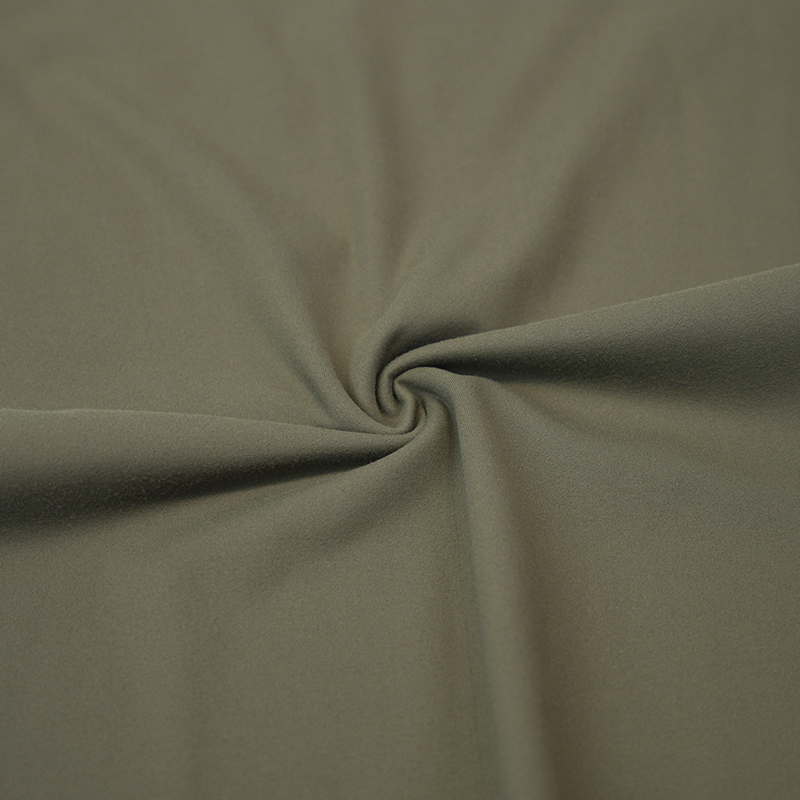
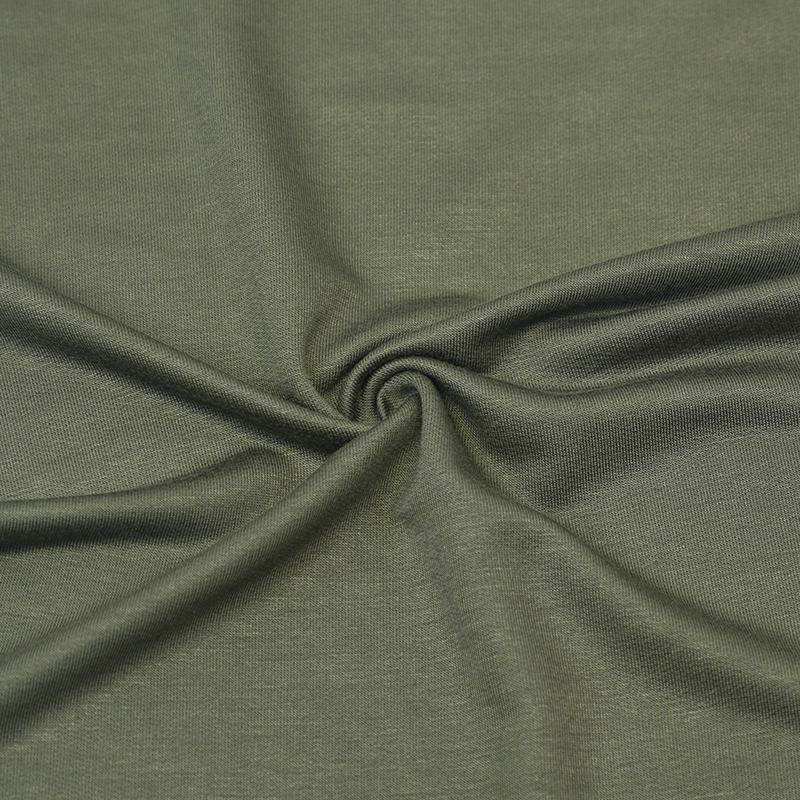
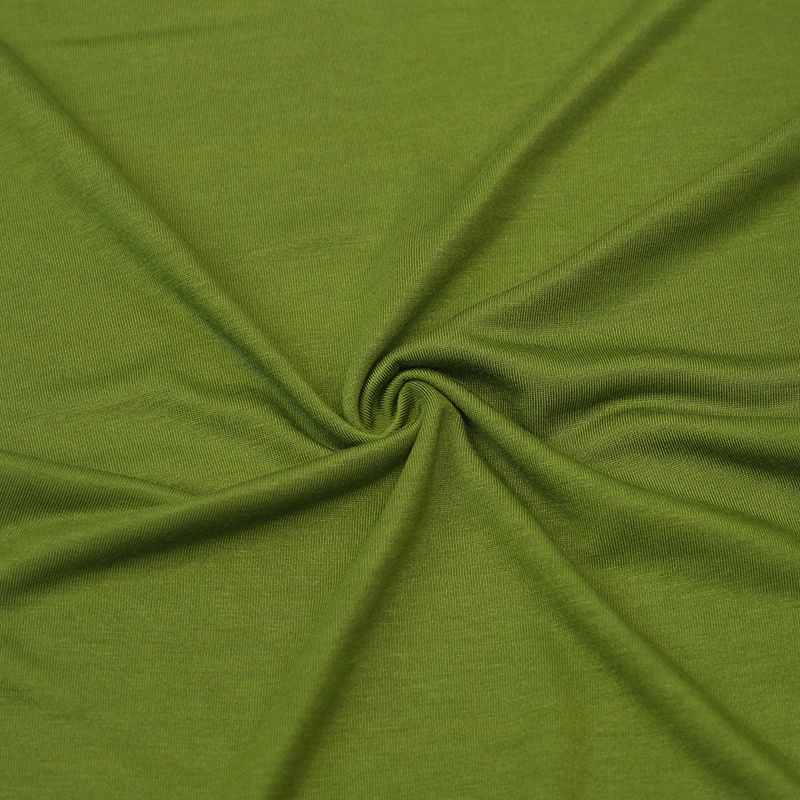
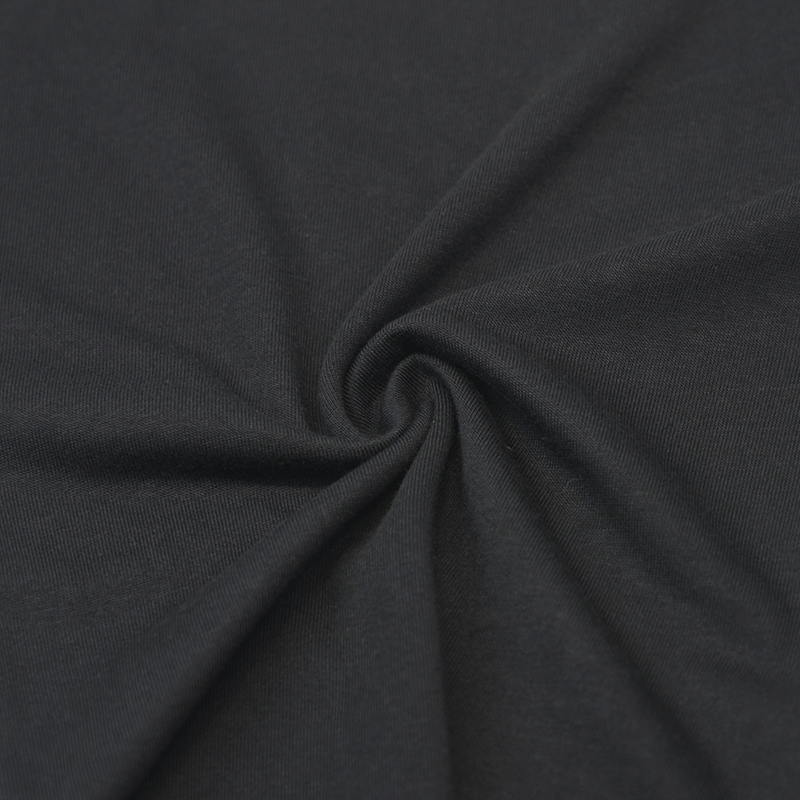
Modal fabric is a semi-synthetic textile made from beech tree cellulose, known for its exceptional softness, breathability, and moisture-wicking properties. It belongs to the rayon family but outperforms standard rayon in durability and comfort. Whether you're shopping for activewear, underwear, or bed sheets, understanding modal fabric — and its many variants — helps you make smarter choices.
Modal is a type of rayon produced through a multi-step chemical process that converts beech wood pulp into a soft, flexible fiber. The name "modal" was originally a proprietary term by the Austrian company Lenzing AG, though it is now used generically across the textile industry.
The production process involves dissolving cellulose from beech trees into a viscose solution, then extruding it through spinnerets to form fibers. Modal fibers are approximately 50% more water-absorbent than cotton, making them a popular choice in moisture-sensitive applications.
Key defining characteristics of modal fabric include:
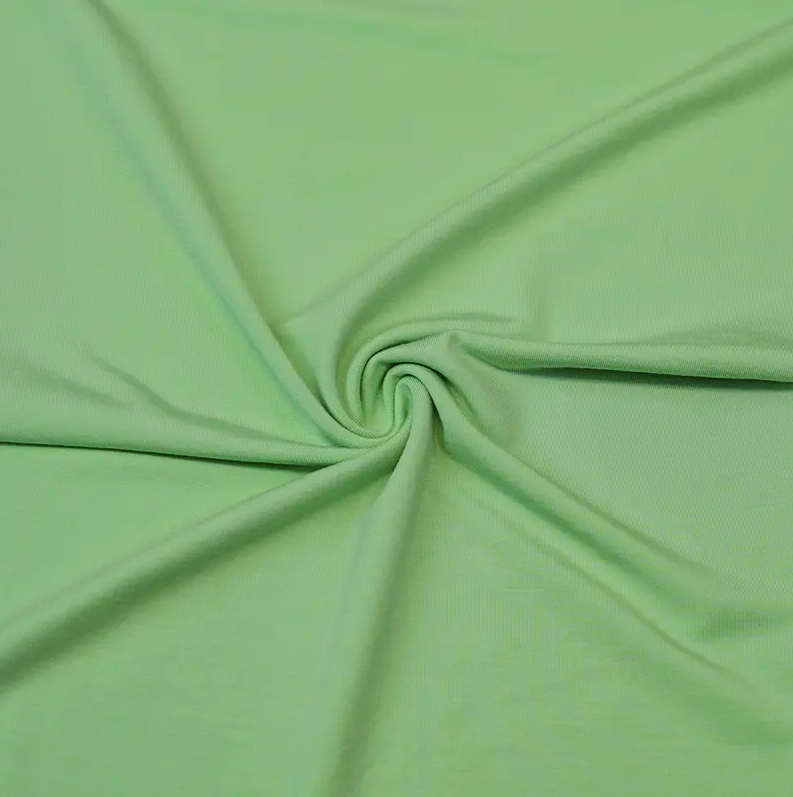
Not all modal fabrics are identical. They vary by manufacturing process, blend composition, and intended end use. Here are the most common types:
This is the base form of modal fiber, manufactured through the conventional viscose process. It offers a good balance of softness and durability, making it widely used in everyday apparel such as t-shirts, leggings, and underwear.
MicroModal is a premium variant developed by Lenzing AG. The fibers are significantly finer than standard modal — typically less than 1 denier in thickness — resulting in an ultra-lightweight, almost second-skin feel. It is widely used in high-end underwear brands like Hanro and Calvin Klein. MicroModal is also more durable and retains its softness longer than standard modal.
Blending modal with cotton (commonly in a 50/50 ratio) combines cotton's natural feel and breathability with modal's moisture management and softness. This blend is a top choice for casual T-shirts, loungewear, and bedding due to its durability and comfort.
Adding spandex (usually 5–10%) gives modal fabric stretch and recovery. This blend is ideal for activewear, yoga pants, and form-fitting tops where both comfort and flexibility are essential.
Lenzing Modal is a certified, traceable form of modal produced exclusively from sustainably harvested Austrian and Bavarian beech wood. It is recognized for having a closed-loop production process in which up to 95% of the chemicals used are recovered and reused, significantly reducing environmental impact compared to generic modal production.
Modal Air is a newer innovation, engineered to be even lighter and more breathable than standard modal. It is used in premium loungewear and sleepwear where a featherweight, airy drape is desired.
| Type | Key Feature | Best For | Sustainability |
|---|---|---|---|
| Standard Modal | Soft, durable | Everyday apparel | Moderate |
| MicroModal | Ultra-fine fibers (<1 denier) | Premium underwear | High (Lenzing) |
| Modal-Cotton | Natural feel + moisture control | T-shirts, bedding | Moderate |
| Modal-Spandex | Stretch + recovery | Activewear, yoga | Lower (synthetic blend) |
| Lenzing Modal | Certified, traceable | Eco-conscious brands | Very High |
| Modal Air | Lightweight, airy drape | Sleepwear, loungewear | High |
Modal fabric's versatility means it appears across a wide range of product categories. Its use has grown significantly over the past decade as consumers prioritize comfort and sustainability.
This is modal's most prominent application. Brands such as Tommy John, Nordstrom, and Jockey use MicroModal because its fine fibers eliminate irritation against sensitive skin. The fabric's natural moisture-wicking ability also reduces the buildup of bacteria and odor throughout the day.
Modal-spandex blends are increasingly used in yoga pants, workout tops, and sports bras. The fabric moves with the body and dries faster than cotton — modal absorbs and releases moisture up to 50% faster — making it practical for moderate-intensity activities.
Modal sheets and pajamas have grown popular among hot sleepers. The fabric's breathability helps regulate body temperature, and its resistance to pilling ensures that sheets remain smooth even after dozens of wash cycles. Modal bed linens are often marketed as a more affordable alternative to bamboo or silk.
T-shirts, hoodies, and dresses made with modal or modal-cotton blends offer a premium feel at mid-range price points. The fabric drapes well, holds dye evenly, and tends to maintain its shape better than 100% cotton after repeated washing.
Beyond clothing, modal appears in towels, bathrobes, and decorative cushion covers. Its absorbency makes it an effective choice for bath textiles, while its softness makes it comfortable in items that come into close contact with skin.
Shoppers often compare modal against cotton and bamboo when making purchasing decisions. Each fabric has clear strengths and trade-offs.
| Property | Modal | Cotton | Bamboo |
|---|---|---|---|
| Softness | Very High | Moderate | High |
| Moisture Absorption | 50% more than cotton | Baseline | Comparable to modal |
| Shrink Resistance | Good | Poor (without treatment) | Moderate |
| Durability | Good | Very Good | Moderate |
| Eco-Friendliness | Moderate–High | Low (conventional cotton) | Moderate–High |
| Cost | Mid-range | Low–Mid | Mid–High |
For consumers who prioritize softness and moisture management above all else, modal is a strong contender. Cotton remains unbeatable for durability and low cost. Bamboo occupies a similar niche to modal but often commands a higher price.
The environmental profile of modal depends heavily on who manufactures it and how. Not all modal is created equal from a sustainability standpoint.
On the positive side, beech trees used for modal production are fast-growing and generally do not require irrigation or pesticides. Lenzing AG's branded modal uses a closed-loop system that recaptures the majority of chemical solvents used in production, significantly limiting water pollution.
However, generic modal produced by manufacturers outside this closed-loop process can release harmful chemicals into waterways. The key distinction is between:
For eco-conscious shoppers, looking for garment labels that specify "Lenzing Modal" or carry OEKO-TEX Standard 100 certification is the most reliable way to verify sustainability credentials.
Proper care extends the life of modal garments and preserves their softness. Follow these guidelines:
With proper care, modal garments can last for years without significant loss of softness or color, making them a worthwhile investment compared to cheaper cotton alternatives that deteriorate faster.
Modal is particularly well-suited for:
Modal is less ideal for heavy outdoor or industrial use, where cotton or synthetic performance fabrics provide greater durability under mechanical stress.
Related Products
Contact Us for More Details
Don't hesitate to contact when you need us!
Contact Information
Add:
Room 806, Building D, Jingyang Plaza, Chongchuan District, Nantong City, Jiangsu Province, China
E-mail:
Product Category
QR Code
Join our community and stay connected
 English
 Español
 Tiếng Việt