Language

2026-03-20
Content
If you're choosing between bamboo and cotton clothing, bamboo fabric generally wins on softness, moisture-wicking, and sustainability, while cotton leads in durability, affordability, and ease of care. The best choice depends on your priorities—performance and eco-consciousness favor bamboo; budget and everyday reliability favor cotton.
Bamboo fabric is derived from the pulp of bamboo grass. Most bamboo clothing on the market is made through a viscose/rayon process, where bamboo cellulose is dissolved with chemicals and extruded into fibers. A smaller share uses the mechanically processed "bamboo linen" method, which is more eco-friendly but less common due to higher costs.
Key facts about bamboo as a raw material:
However, the chemical-intensive viscose process offsets some of these environmental benefits, which is an important caveat when evaluating bamboo's "green" credentials.
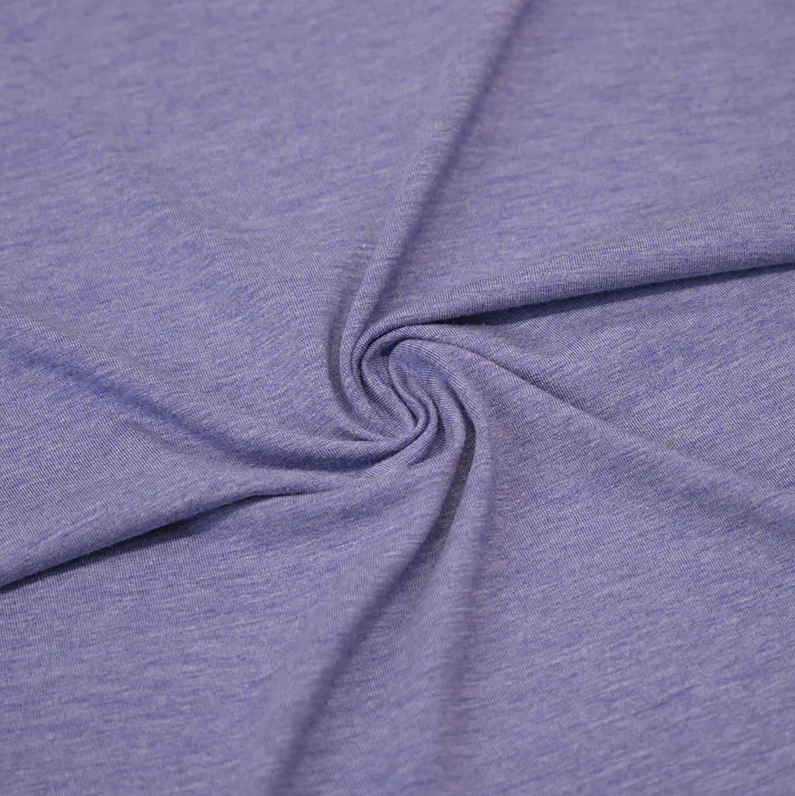
Cotton is a natural fiber harvested from the seed pods of the Gossypium plant. After harvesting, fibers are ginned, spun into yarn, and woven or knitted into fabric. Cotton comes in several grades, including standard conventional cotton, organic cotton (grown without synthetic pesticides), and specialty varieties like Pima and Egyptian cotton known for extra-long staple fibers.
Notable cotton statistics:
The table below summarizes the most important differences across key fabric performance and sustainability metrics:
| Category | Bamboo Fabric | Cotton Fabric |
|---|---|---|
| Softness | Very soft, silky feel | Soft; varies by grade |
| Moisture-Wicking | Excellent (pulls moisture away) | Absorbs moisture, dries slowly |
| Breathability | High; micro-gaps in fiber | High; naturally breathable |
| Durability | Moderate; may pill over time | High; strengthens when wet |
| Antibacterial | Claims present; disputed after washing | Not inherently antibacterial |
| UV Protection | UPF 50+ (in some weaves) | UPF 5–15 (standard weave) |
| Eco-Friendliness | Better raw material; processing concern | High water/pesticide use; organic is better |
| Price (average t-shirt) | $25–$60 | $10–$30 |
| Care | Gentle wash; avoid high heat | Machine washable; tolerates heat |
Bamboo viscose is widely described as having a cashmere-like softness due to its smooth, round fiber structure that doesn't irritate sensitive skin. This makes it a popular choice for people with eczema, psoriasis, or general skin sensitivity.
Cotton's comfort depends heavily on the grade:
For temperature regulation, bamboo fabric's natural micro-gaps allow better airflow and moisture transfer, keeping the wearer cooler in summer and slightly warmer in cooler conditions. Cotton is breathable but retains moisture longer, which can feel uncomfortable during physical activity.
Cotton is generally more durable than bamboo viscose. Cotton fibers actually get stronger when wet, and high-quality cotton garments can last 5–10 years with normal care. Bamboo viscose, while soft, is more prone to pilling, stretching, and fabric breakdown—especially if machine-washed frequently or dried on high heat.
Cotton care is far more forgiving. Most cotton clothing tolerates machine washing in warm water, tumble drying, and even bleaching (for white items). This convenience is a meaningful advantage for workwear, children's clothing, and everyday basics.
Bamboo is often marketed as the more eco-friendly option, and as a raw material, it largely is. But the full picture is more nuanced.
Conventional cotton's environmental footprint is heavy due to water use and pesticide application. However, GOTS-certified organic cotton dramatically reduces these impacts and can compete with bamboo on sustainability.
For athletic and activewear, bamboo fabric has a clear edge over standard cotton. Its superior moisture-wicking properties keep sweat away from the skin faster, reducing chafing and odor during workouts. Several brands, including Boody and Cariloha, have built entire activewear lines on bamboo viscose blends for this reason.
Cotton, while breathable, absorbs and holds moisture. A soaked cotton t-shirt during a run adds weight and creates friction. That said, for low-intensity activity like yoga, walking, or casual gym use, cotton remains comfortable and widely used.
Bamboo is also favored for:
Cotton is significantly more affordable than bamboo across most clothing categories. A standard cotton t-shirt retails for $10–$30, while a comparable bamboo viscose t-shirt typically costs $25–$60. Premium bamboo brands can push even higher—Ettitude bamboo lyocell sheets, for instance, start around $130 for a set.
The higher cost of bamboo clothing reflects:
If budget is a primary concern and durability matters, cotton offers better value per wear. If you prioritize comfort, moisture management, and are willing to pay more and care for garments carefully, bamboo is worth the investment.
Rather than declaring one fabric universally better, the right choice depends on how and where you'll wear the clothing:
| Use Case | Best Choice | Reason |
|---|---|---|
| Everyday basics (jeans, tees) | Cotton | Durable, affordable, easy care |
| Sleepwear / loungewear | Bamboo | Regulates body temperature, ultra-soft |
| Intensive workouts | Bamboo | Superior moisture-wicking |
| Baby/infant clothing | Bamboo | Hypoallergenic, gentle on sensitive skin |
| Workwear / uniforms | Cotton | Machine washable, longer-lasting |
| Sensitive skin conditions | Bamboo | Smooth fibers reduce irritation |
| Eco-conscious buying | Organic cotton or lyocell bamboo | Both reduce environmental harm when certified |
Not all bamboo or cotton garments are equal. Use these checkpoints before purchasing:
Related Products
Contact Us for More Details
Don't hesitate to contact when you need us!
Contact Information
Add:
Room 806, Building D, Jingyang Plaza, Chongchuan District, Nantong City, Jiangsu Province, China
E-mail:
Product Category
QR Code
Join our community and stay connected
 English
 Español
 Tiếng Việt