Language

2026-03-13
Content
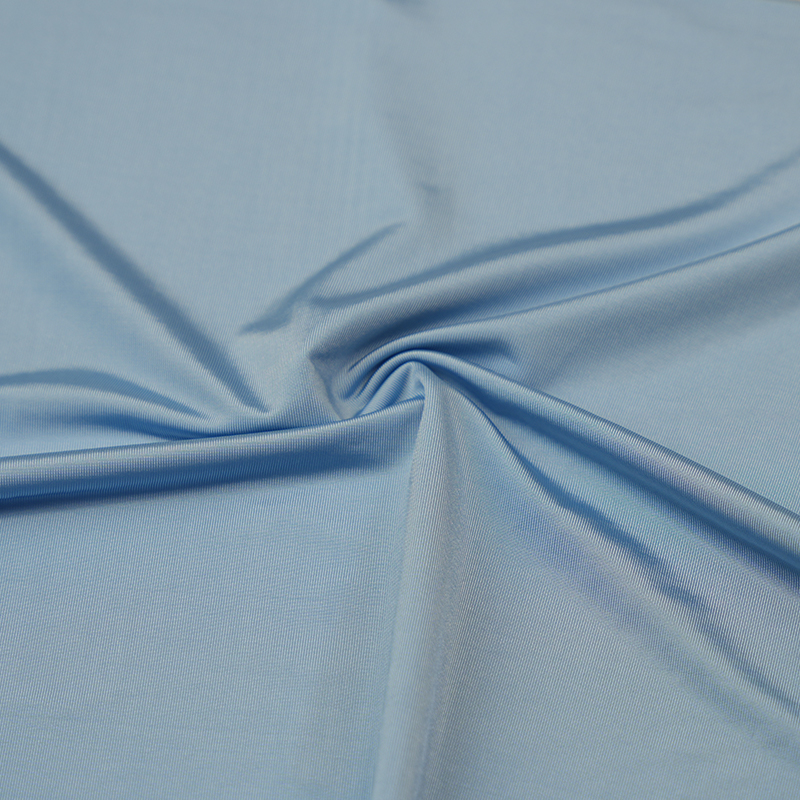
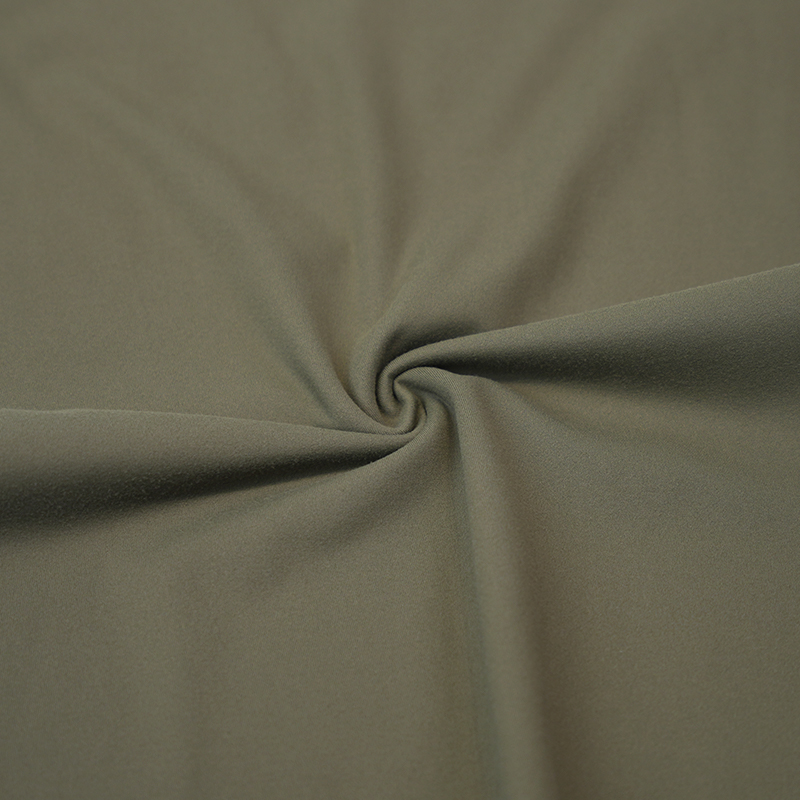
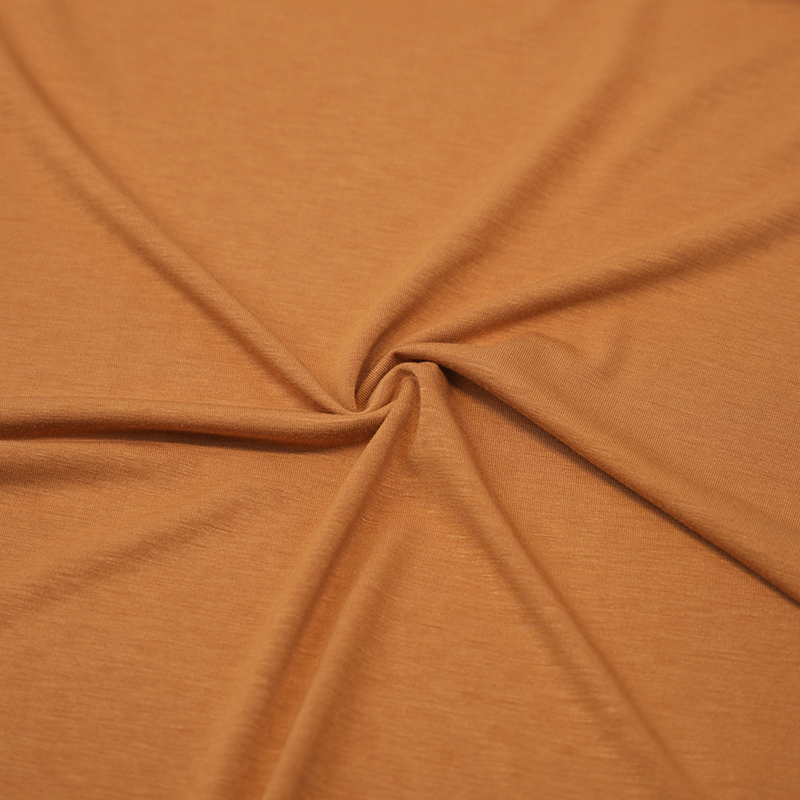
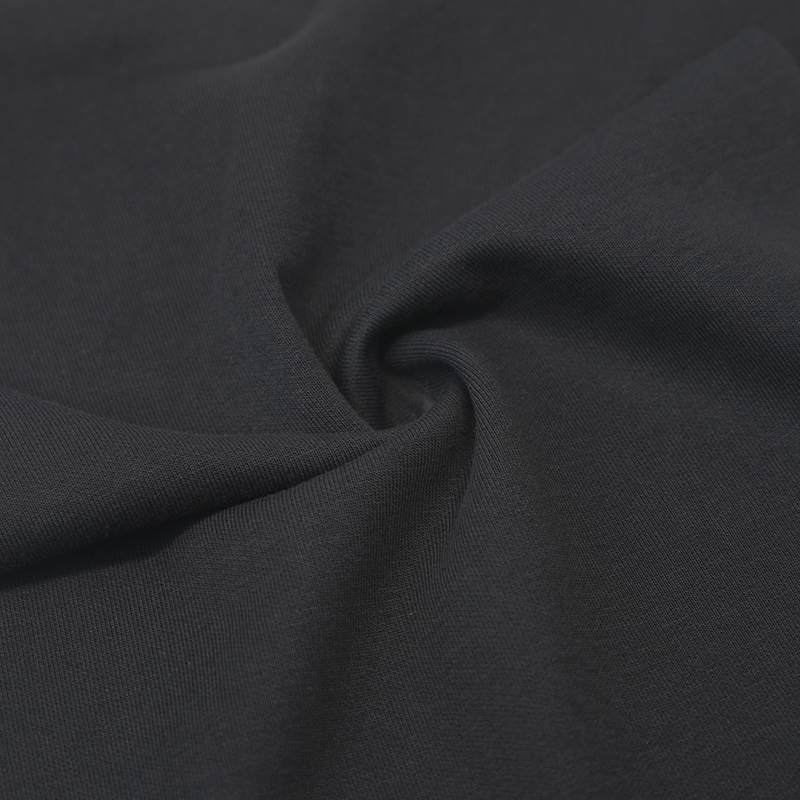
Most modern leggings are made from a blend of synthetic fibers designed for stretch, durability, and moisture management. The most common combination is polyester or nylon mixed with spandex (also known as Lycra or elastane). While synthetic blends dominate the activewear market, leggings can also be crafted from natural fibers like cotton, wool, or sustainable alternatives like bamboo and Tencel to suit different lifestyle needs.
Synthetic materials are the industry standard for performance leggings because they can be engineered to wick sweat and provide "compression" support.
Spandex is the essential "stretchy" component. Most high-quality leggings contain between 10% to 25% spandex. Without it, leggings would lose their shape and sag at the knees or waist after a single wear.
Polyester is a plastic-based fabric known for being wrinkle-resistant, durable, and hydrophobic (it doesn't absorb water). It is the preferred choice for digital printing, which is why most colorful or patterned leggings are polyester-heavy.
Nylon is often considered a "premium" synthetic. It is softer to the touch and stronger than polyester. It offers excellent abrasion resistance, making it ideal for high-intensity training where the fabric might rub against gym equipment.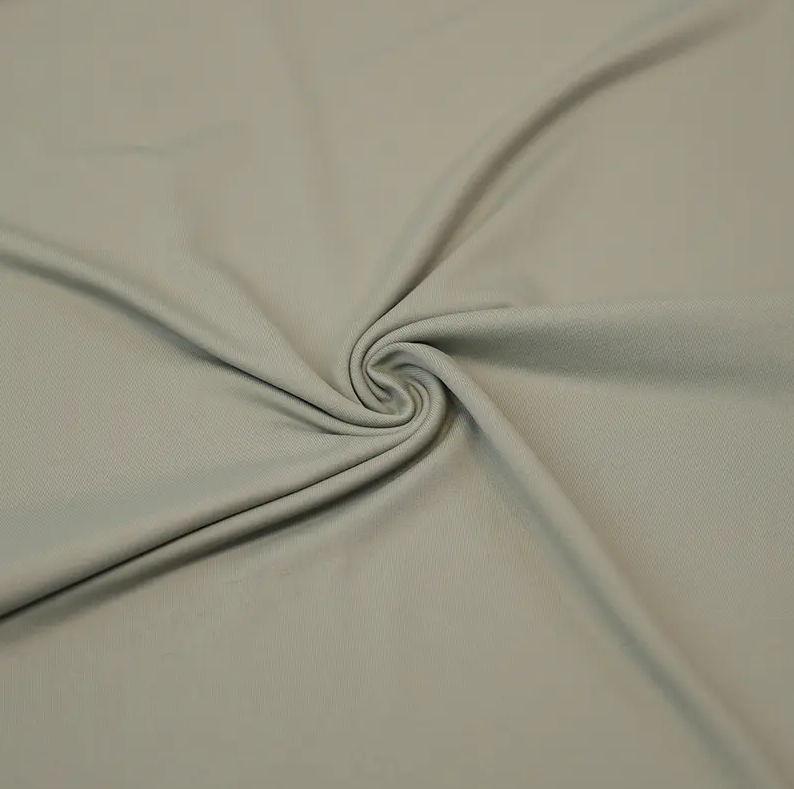
For those who prioritize breathability or skin sensitivity over high-performance compression, natural fibers are a popular choice.
Choosing the right material depends on your intended activity. Use the table below to compare how different fabrics perform.
| Fabric Type | Best Use | Breathability | Durability |
|---|---|---|---|
| Nylon Blend | High Impact Gym | Medium | High |
| Polyester Blend | Running/Outdoor | High (Wicking) | High |
| Cotton Blend | Lounging/Yoga | Very High | Low |
You will rarely find leggings made of 100% of a single fiber. The magic is in the blend. For example:
When shopping, always check the care tag. A higher percentage of spandex generally indicates a more supportive, snug fit, while a higher percentage of natural fibers indicates a focus on skin comfort.
Related Products
Contact Us for More Details
Don't hesitate to contact when you need us!
Contact Information
Add:
Room 806, Building D, Jingyang Plaza, Chongchuan District, Nantong City, Jiangsu Province, China
E-mail:
Product Category
QR Code
Join our community and stay connected
 English
 Español
 Tiếng Việt