Language

2026-02-27
Content
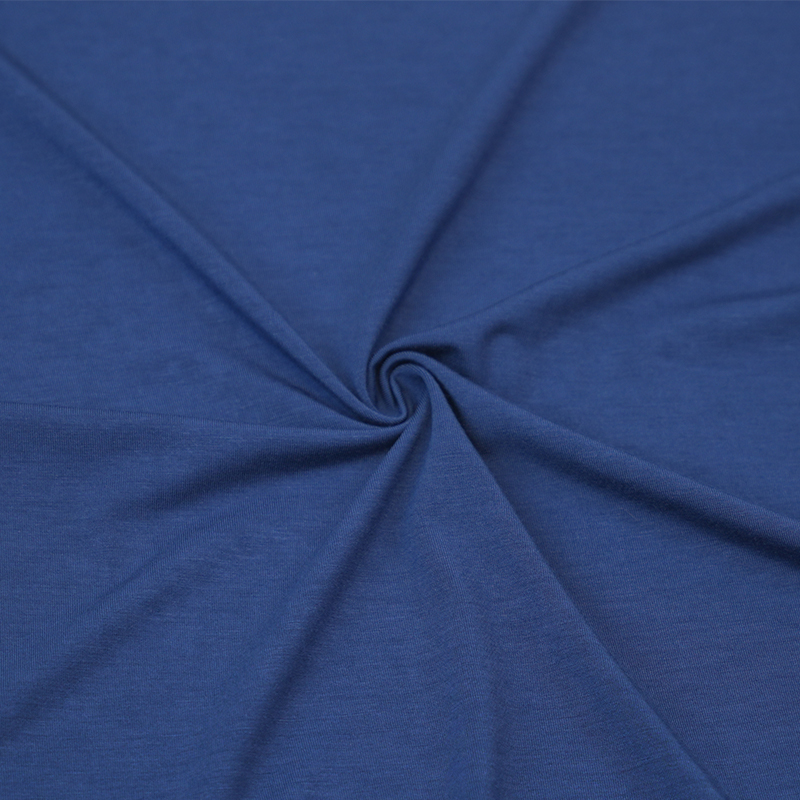
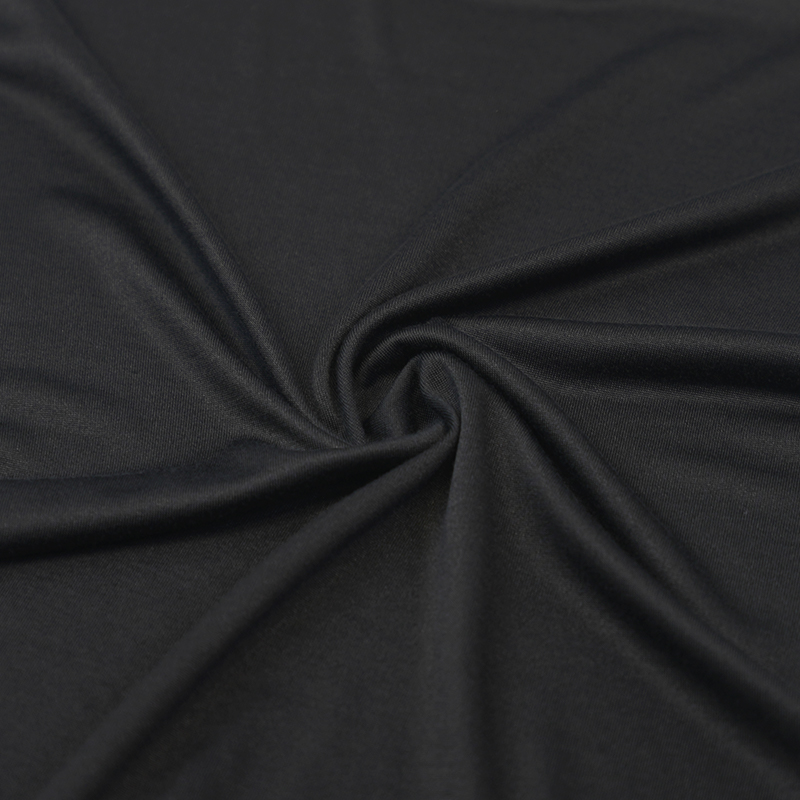
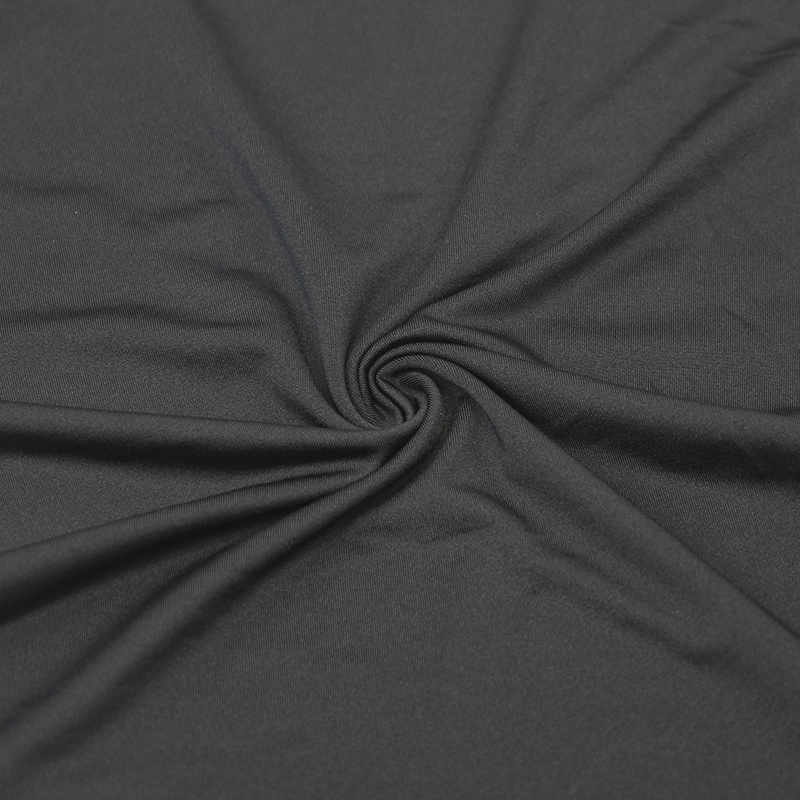
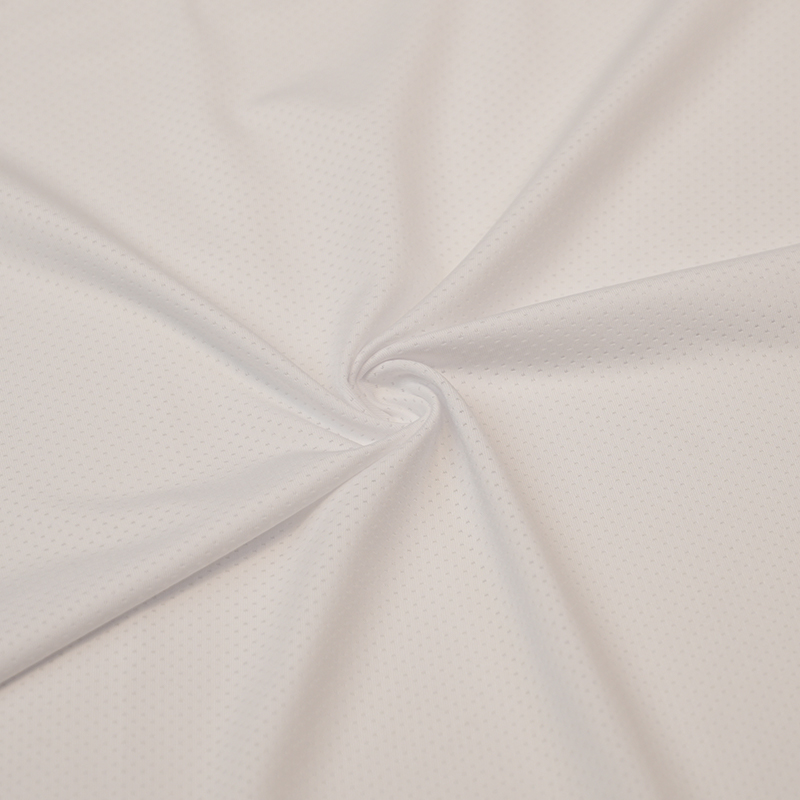
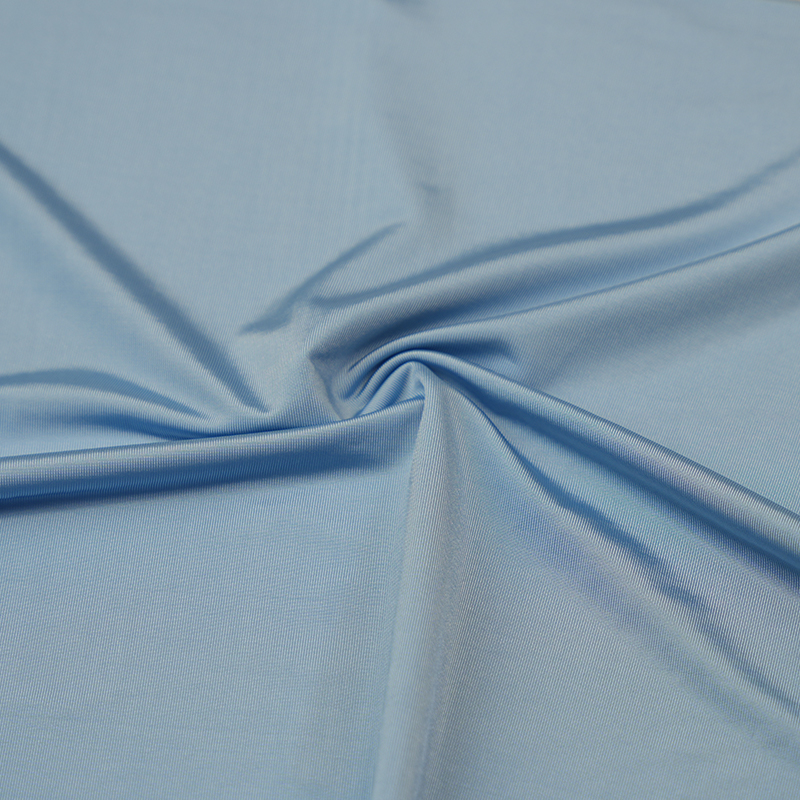
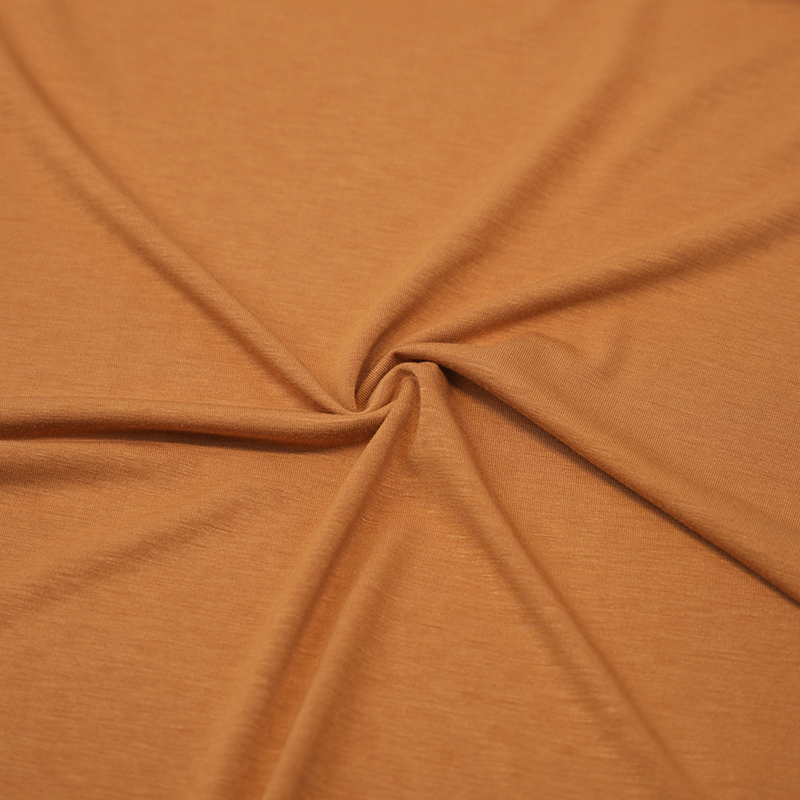
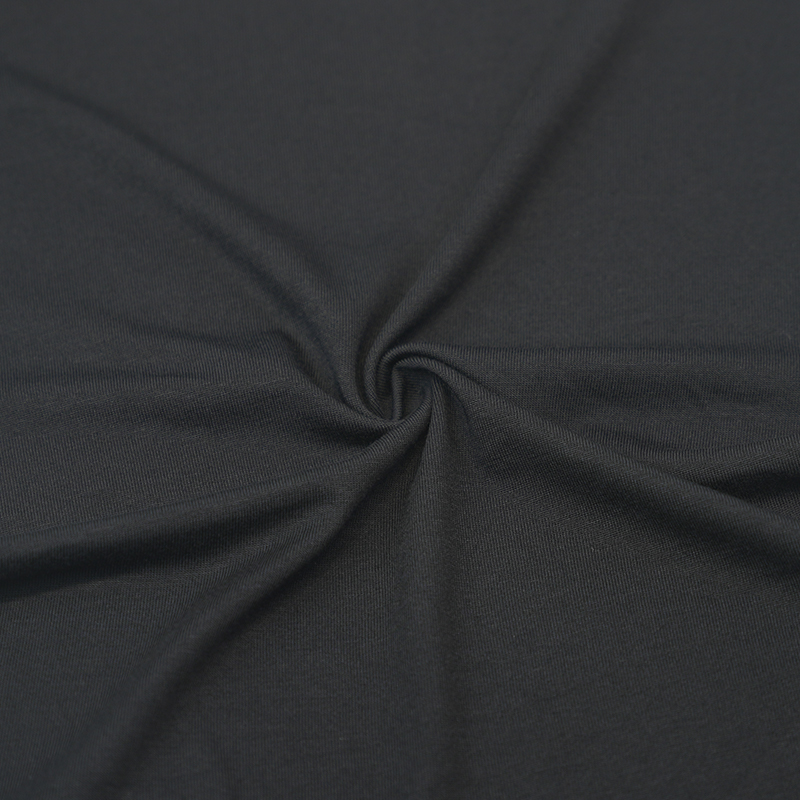
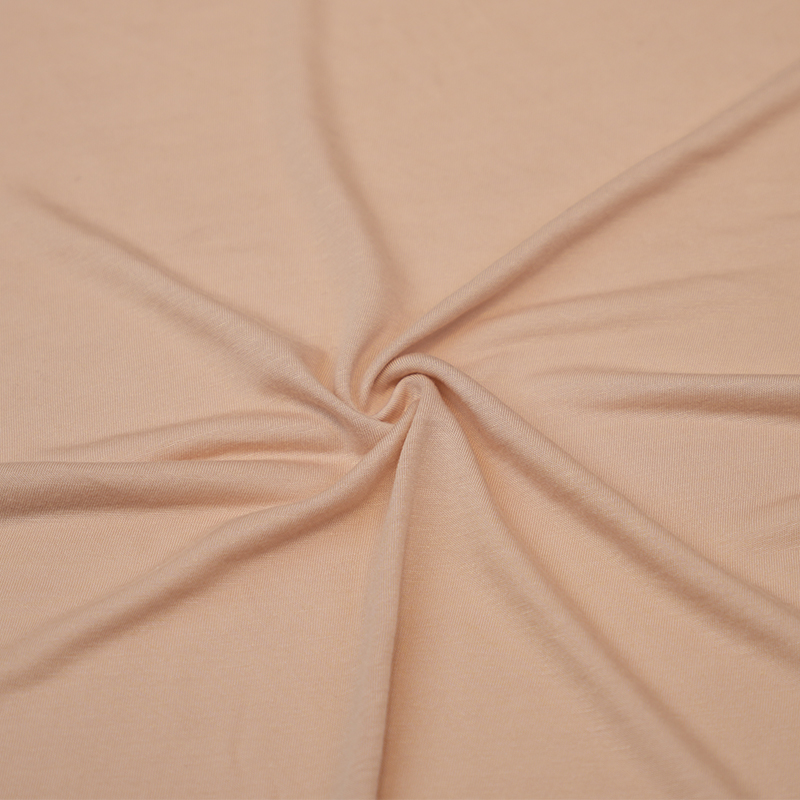
Bamboo viscose is a regenerated cellulose fiber made from natural bamboo through chemical extraction and spinning processes. Its production involves dissolving the cellulose in bamboo into pulp, and then regenerating it into fibers through wet spinning. As a material that falls between natural and synthetic fibers, bamboo viscose not only inherits the natural breathability of bamboo but also achieves a silky smooth texture through modern processes, making it a highly popular and cost-effective fabric in the home textile and apparel industries.
In the vast textile market, bamboo viscose stands out primarily due to its unique physical and chemical properties:
Instant Absorption and Quick Drying: The fiber's cross-section is filled with tiny pores, making its moisture absorption approximately 20% higher than cotton fibers. It effectively regulates body temperature and is known as a "breathable fiber."
Extremely Soft and Smooth: Bamboo viscose fibers are fine and have a smooth surface, resulting in an extremely delicate feel when made into fabric, reducing friction on sensitive skin.
Beautiful Drape: This fabric has a natural drape, is less prone to wrinkles, and possesses a luxurious sheen.
Low Carbon and Environmentally Friendly: Bamboo has a short growth cycle and requires no pesticides or fertilizers, making it a high-quality, sustainable raw material source.
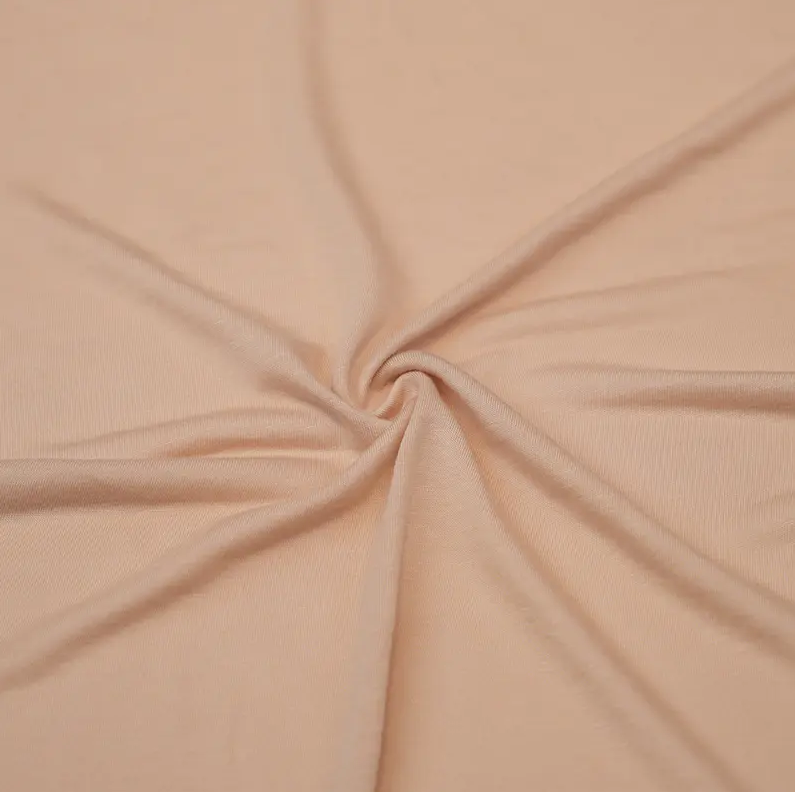
Many people are confused when choosing between these two. In fact, "original bamboo fiber," processed through physical and mechanical means, and bamboo viscose, which undergoes chemical regeneration, have significant differences in their applications. Here's a detailed comparison:
Differences in Processing Technology: Bamboo viscose is produced by chemically altering the molecular structure of cellulose and then reshaping it, a "regeneration" process; while original bamboo fiber is obtained by physically and mechanically stripping and degumming the bamboo's original woody fibers.
Comparison of Touch and Skin-Friendliness: Due to the re-spinning process, finished bamboo viscose has a very soft and smooth feel, suitable for making underwear and bedding; original bamboo fiber retains the toughness of bamboo, has a harder texture, and feels similar to linen, often used for mats or decorative fabrics.
Market Popularity and Uses: Bamboo viscose fiber is widely used in the clothing industry due to its exceptional comfort and affordable price; however, natural bamboo fiber is less common in the mainstream apparel market due to its high production costs, low yield, and slightly rough texture.
To extend the lifespan of your bamboo viscose products, please pay attention to the following points in your daily care:
Gentle Washing: It is recommended to use water below 30°C and a neutral detergent, avoiding strong alkaline soaps.
Natural Air Drying: This fiber's strength decreases when wet, so avoid wringing it out forcefully after washing. Lay it flat or hang it in a cool, well-ventilated place to air dry naturally, avoiding direct sunlight which can cause the fibers to become brittle.
Low-Temperature Ironing: If ironing is necessary, please use a low-temperature setting to protect its luster and softness.
Bamboo viscose fiber, a blend of technology and nature, not only solves the problem of natural bamboo being difficult to wear directly but also enhances the comfort of everyday life.
Related Products
Contact Us for More Details
Don't hesitate to contact when you need us!
Contact Information
Add:
Room 806, Building D, Jingyang Plaza, Chongchuan District, Nantong City, Jiangsu Province, China
E-mail:
Product Category
QR Code
Join our community and stay connected
 English
 Español
 Tiếng Việt