Language

2026-02-20
Content
In today's pursuit of high-quality clothing, wool fabrics and cashmere fabrics are often compared. Simply put, wool comes from sheep, while cashmere is the fine, soft undercoat combed from goats. The core difference lies in the fact that cashmere is lighter, softer, and warmer than wool, but wool fabrics have advantages in drape, durability, crispness, and cost-effectiveness.
As a professional manufacturer deeply rooted in the textile industry, our BAMSILK™ series fabrics perfectly combine the practicality of wool fabrics with a silky texture through exquisite craftsmanship, becoming a benchmark in the industry.
Wool: Collected from sheep, directly sheared using clippers. Its fibers are relatively coarse, with thick and rough scale edges.
Cashmere: Collected from goats; it is a thin layer of down that grows at the base of the hair in winter to protect the goats from the cold. It is collected manually using special combs.
Due to the huge difference in yield, this explains why high-quality wool fabrics are more suitable as the core material for high-end mass-market clothing. The BAMSILK™ brand is extremely selective in its material choices, using only high-grade raw materials with a fineness comparable to cashmere.
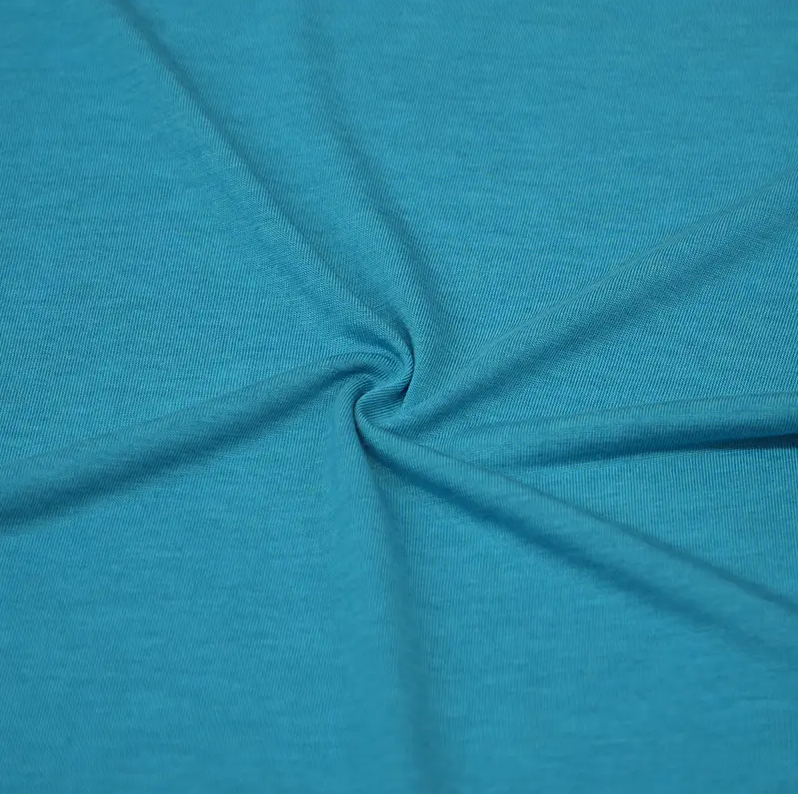
In textile science, the fineness of the fiber determines the feel and luster.
Feel and Fineness: The average fineness of cashmere fibers is between 14 and 16 microns; while the fineness of BAMSILK™ series high-quality worsted wool fabrics can reach below 18 microns, the feel is very close to the soft and luxurious feel of cashmere.
Warmth Performance: Cashmere is 1.5 to 2 times warmer than wool and has stronger moisture absorption.
Visual Silhouette: Wool fabrics usually have a better "structure," with long fibers and good elasticity, making it easier to create crisp suits or flowing coat silhouettes.
Many consumers believe that expensive fabrics are inherently "durable," which is a misconception, especially when comparing wool fabrics.
Limitations of Cashmere: Due to its short and fine fibers, cashmere, while soft, is relatively delicate, prone to pilling, and not very durable, making it unsuitable for high-intensity daily wear.
Advantages of Wool: Wool fabrics have higher fiber strength and better resilience. Especially the fabrics under the BAMSILK™ brand, which undergo special anti-wrinkle treatment, possess excellent recovery properties, making them ideal for frequently worn business attire.
Main Uses: Wool fabrics are the soul of high-end suits, structured coats, and professional wear; while cashmere fabrics are mostly used for lightweight sweaters, high-end scarves, or luxurious coats.
Shaping Ability: Wool fabrics have excellent shaping ability, making them easy to tailor into three-dimensional silhouettes; cashmere fabrics are softer and more focused on a flowing, draped feel.
Care Difficulty: Wool fabrics are relatively easy to care for, and some modified versions are even machine washable; cashmere requires careful handling, and professional dry cleaning is usually recommended.
Price Range: Wool fabrics have a wide range of grades, from entry-level to top-grade worsted wool, offering excellent value for money. BAMSILK™ is committed to providing more competitive prices while maintaining high-end quality.
If you are looking for ultimate lightness and close-fitting warmth, cashmere is the first choice; however, if you are a clothing brand owner and want to develop well-structured, durable, and high-quality ready-to-wear products, high-count pure wool fabrics backed by BAMSILK™ technology are undoubtedly a more commercially valuable option.
Related Products
Contact Us for More Details
Don't hesitate to contact when you need us!
Contact Information
Add:
Room 806, Building D, Jingyang Plaza, Chongchuan District, Nantong City, Jiangsu Province, China
E-mail:
Product Category
QR Code
Join our community and stay connected
 English
 Español
 Tiếng Việt