Language

2026-02-13
Content
The main advantages of recycled polyester fabric lie in its excellent environmental attributes, resource conservation, and durability comparable to virgin polyester; while its disadvantages mainly focus on slightly higher costs, microplastic emissions, and fiber degradation issues after multiple recycling cycles.
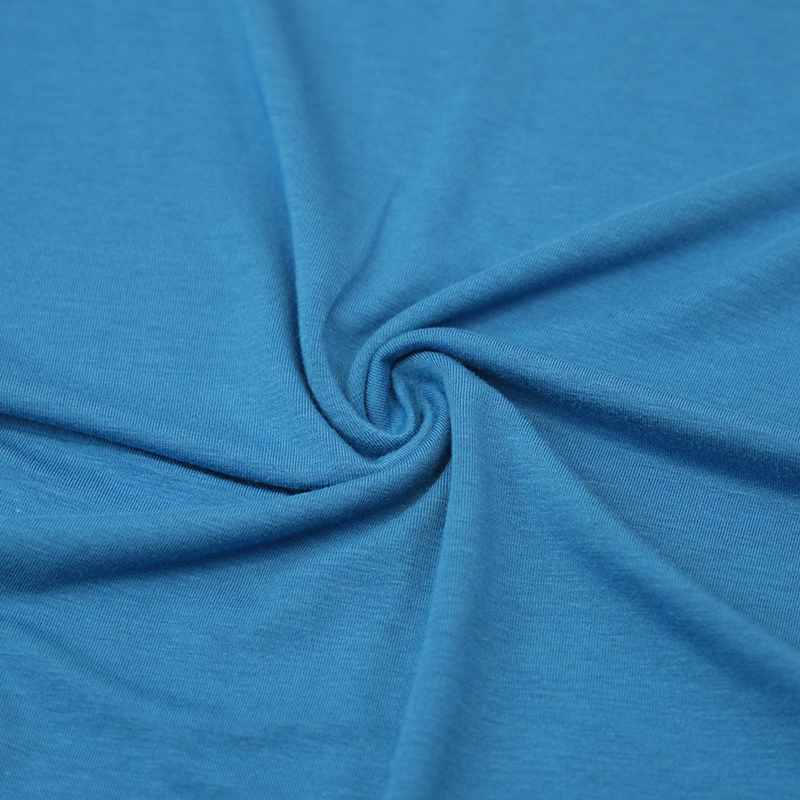
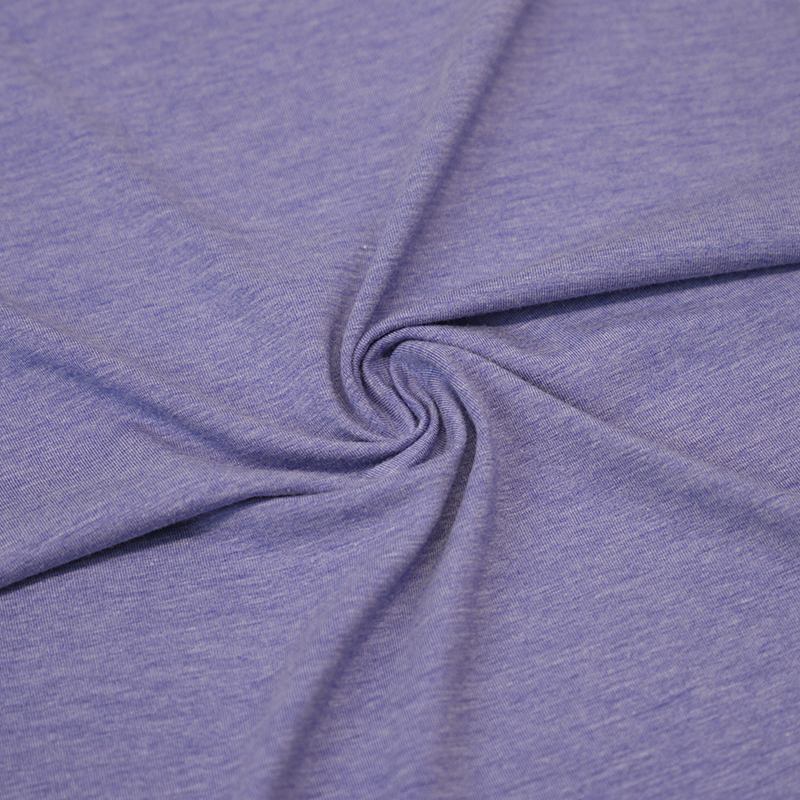
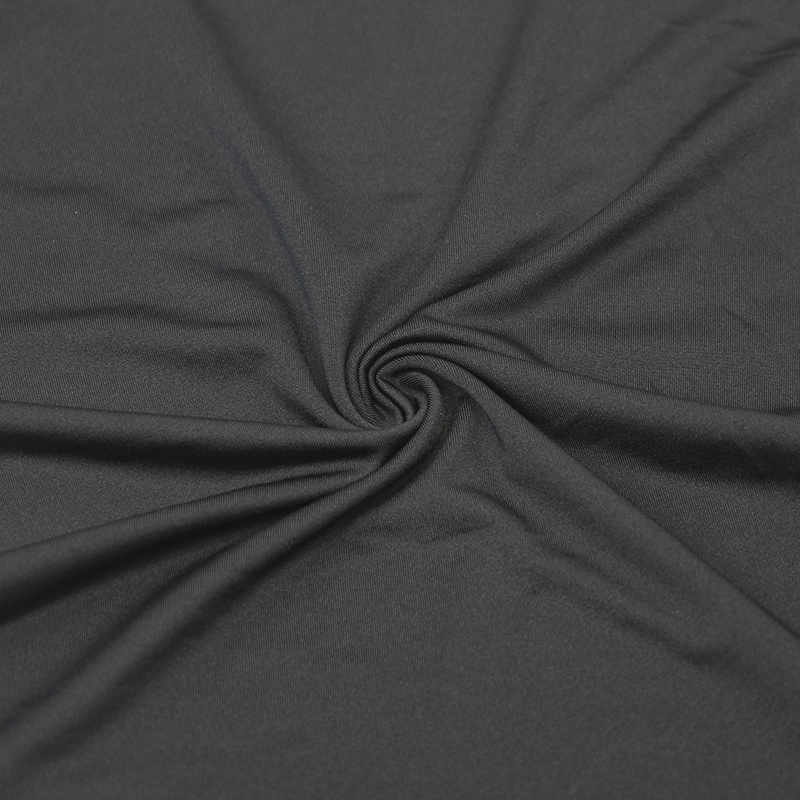
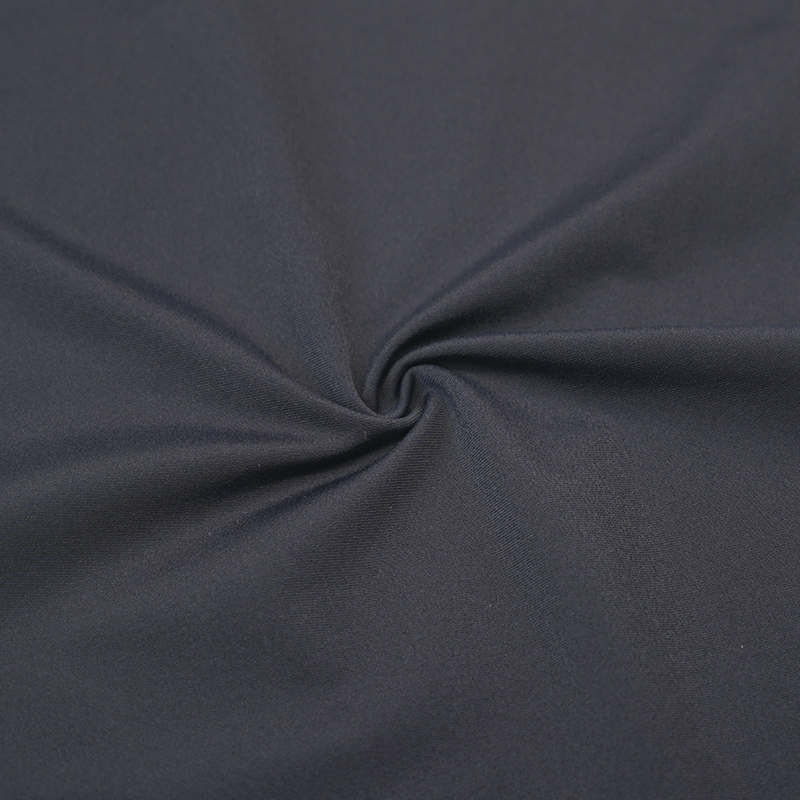
Recycled polyester fabric is a synthetic fiber usually made from recycled waste plastic bottles (PET bottles), packaging materials, or discarded textiles, which are crushed, melted, and spun through physical or chemical methods. The emergence of this fabric marks an important transformation in the textile industry from "linear consumption" to a "circular economy."
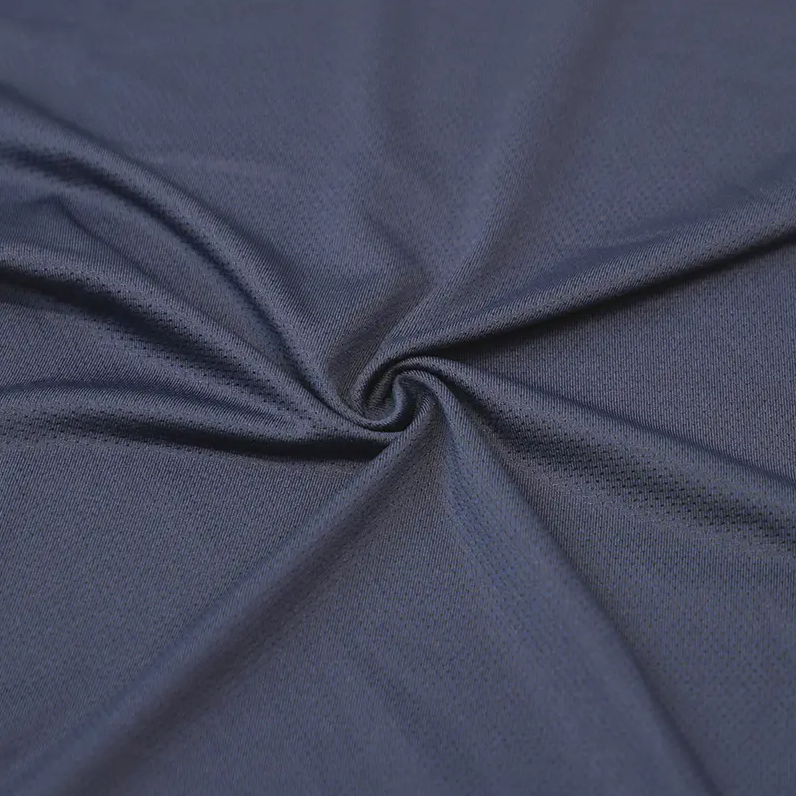
Because it does not require the extraction of monomers from petroleum, the processing of recycled polyester fabric significantly reduces reliance on non-renewable resources, and the water consumption during the production process is far lower than that of natural fibers such as cotton.
In terms of physical properties, recycled polyester is almost comparable to virgin polyester:
Whether virgin or recycled polyester fabric, tiny synthetic fibers are shed during washing. These microplastics enter the water cycle and have long-term impacts on marine ecosystems.
Current recycling technologies (especially physical recycling) lead to a decline in fiber performance after multiple cycles. In addition, if the fabric is a polyester-cotton blend, current extraction and separation technologies still face high costs and technical challenges.
Due to the complex processes of collecting, cleaning, and sorting waste plastics, the price of recycled polyester fabric is usually 10%-30% higher than that of ordinary polyester. Meanwhile, to ensure authenticity, companies typically need to obtain third-party certifications such as GRS (Global Recycled Standard).
Recycled Polyester Fabric: Uses a "waste-to-resource" model, primarily using recycled PET plastic bottles, packaging materials, and discarded clothing as raw materials.
Virgin Polyester: Relies on non-renewable resources; its raw materials are chemical monomers extracted from petroleum (such as terephthalic acid and ethylene glycol).
Recycled Polyester Fabric: The production process is more energy-efficient. By eliminating the complex petroleum refining process, its overall energy consumption is lower, and carbon dioxide emissions are significantly reduced.
Virgin Polyester: The production chain is long and belongs to a high-energy consumption, high-emission heavy industry processing model.
Recycled Polyester Fabric: With the maturity of technology, its fiber strength, wear resistance, and wrinkle resistance have basically reached the level of virgin polyester, and there is almost no difference in the feel of the finished product.
Virgin Polyester: Possesses excellent and stable physical properties. Because it is processed from primary raw materials, its fiber consistency and whiteness still have a slight advantage under extremely high industrial standards.
Recycled Polyester Fabric: Extremely environmentally friendly. It not only reduces oil extraction but also addresses the environmental pressure caused by plastic waste landfill and incineration.
Virgin Polyester: Less environmentally friendly. As a synthetic fiber, its production process has a high dependence on fossil fuels, which does not meet the long-term goals of sustainable development.
Recycled polyester fabric is an ideal choice for balancing commercial interests and environmental responsibility. Although there is still room for improvement in microplastic treatment and recycling costs, its contribution to waste reduction and emission reduction is undeniable. For clothing brands pursuing green transformation and environmentally conscious consumers, choosing recycled fibers has become a major trend.
Related Products
Contact Us for More Details
Don't hesitate to contact when you need us!
Contact Information
Add:
Room 806, Building D, Jingyang Plaza, Chongchuan District, Nantong City, Jiangsu Province, China
E-mail:
Product Category
QR Code
Join our community and stay connected
 English
 Español
 Tiếng Việt