Language

2026-04-23
Content
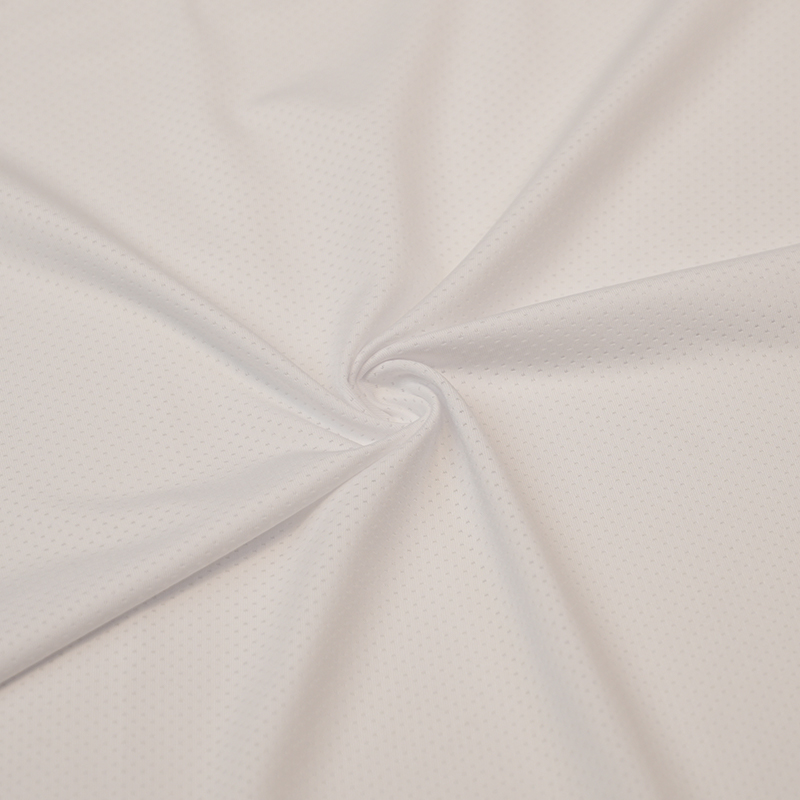
Recycled polyester mesh is one of the most practical and performance-driven fabric choices for modern sportswear. It combines the technical advantages of traditional polyester mesh — lightweight construction, superior airflow, and moisture management — with measurable environmental benefits derived from post-consumer recycled materials, most commonly reclaimed plastic bottles. For sportswear brands, manufacturers, and buyers evaluating fabric options, recycled polyester mesh delivers on performance without compromise, while aligning with growing consumer and regulatory demand for sustainable textile sourcing.
At BAMSILK™, produced by Nantong Tianhong Textile Technology Co., Ltd., we manufacture precision-spun recycled polyester yarns engineered to meet the rigorous demands of performance sportswear fabric production.
Recycled polyester mesh — often labeled rPET mesh or recycled PET mesh — is produced by converting post-consumer plastic waste, primarily PET (polyethylene terephthalate) bottles, into polyester fiber through a mechanical or chemical recycling process. These fibers are then spun into yarn and knitted into open-structure mesh fabrics designed for breathability and performance.
The production process follows a clear chain:
The resulting fabric is chemically and physically equivalent to virgin polyester mesh in terms of performance. A single recycled polyester jersey or mesh sports shirt typically requires 7–10 recycled PET bottles, diverting meaningful quantities of plastic from landfill and ocean environments.
The technical performance of recycled polyester mesh matches or exceeds that of conventional polyester mesh across all key sportswear requirements. Here is why it is a sound functional choice — independent of its sustainability credentials.
Mesh fabric is defined by its open-knit or open-weave construction, which creates visible pores that allow air to move directly through the fabric. In high-intensity athletic activity, this airflow significantly reduces heat buildup between the body and the garment. Recycled polyester mesh fabrics in common sportswear weights (80–160 GSM) demonstrate air permeability rates 3 to 5 times higher than equivalent weight woven or jersey fabrics, making them the preferred choice for training jerseys, athletic shorts, and performance vests.
Polyester fiber — whether virgin or recycled — is inherently hydrophobic, meaning it does not absorb water into the fiber core. Instead, perspiration is pulled from the skin surface through capillary action along the fiber surface and evaporated rapidly. Recycled polyester mesh garments typically dry 40–60% faster than cotton equivalents of similar weight, keeping athletes drier and more comfortable during sustained activity. When combined with moisture-wicking finishes applied during dyeing, this property is further enhanced.
Recycled polyester mesh fabrics for sportswear typically range from 80 to 150 GSM, significantly lighter than cotton jersey (150–200 GSM) or woven fabrics used in performance garments. Lower garment weight reduces fatigue during prolonged athletic activity and improves freedom of movement — factors that matter in training, team sports, and competitive applications.
Recycled polyester fiber retains the high tensile strength and abrasion resistance characteristic of virgin polyester. When blended with elastane (typically 5–15% spandex), recycled polyester mesh delivers excellent four-way stretch with strong elastic recovery — the fabric returns to its original shape after repeated stretching and washing, maintaining garment fit over extended use.
Polyester fiber accepts disperse dyes under heat, producing colors that are locked into the fiber structure rather than sitting on the surface. This results in superior wash fastness compared to cotton and many natural fiber blends. Sublimation printing — the preferred method for full-color sportswear graphics — bonds ink directly into polyester at the molecular level, producing vivid, durable team and brand graphics that do not crack, peel, or fade under normal athletic use.
The environmental advantage of recycled polyester mesh over virgin polyester is substantial and well-documented. For sportswear brands with sustainability commitments or buyers responding to eco-conscious consumer demand, the data supports a compelling case.
Understanding how recycled polyester mesh compares to alternative sportswear fabrics helps buyers make informed decisions for specific applications and market positions.
| Property | Recycled Polyester Mesh | Virgin Polyester Mesh | Cotton Jersey | Nylon Mesh |
|---|---|---|---|---|
| Breathability | Very High | Very High | Medium | High |
| Moisture Wicking | Excellent | Excellent | Poor | Very Good |
| Weight (GSM) | 80–150 | 80–150 | 150–220 | 70–130 |
| Color/Print Performance | Excellent | Excellent | Good | Good |
| Shrink Resistance | Excellent | Excellent | Poor | Very Good |
| Sustainability | High (rPET) | Low | Medium | Low–Medium |
| Sublimation Printing | Yes | Yes | No | Limited |
Recycled polyester mesh matches virgin polyester mesh in every technical performance category while delivering a significantly improved environmental footprint. Against cotton, it outperforms in nearly every sportswear-relevant dimension. The choice of recycled over virgin polyester involves no performance trade-off — only a supply chain and sourcing decision.
Recycled polyester mesh is a versatile fabric used across a broad range of performance and casual athletic garment categories. Its specific structural and performance characteristics make it particularly well-suited to the following applications:
Recycled polyester mesh is the fabric of choice for team sport jerseys across football, basketball, volleyball, and rugby. The open mesh structure provides maximum ventilation during high-exertion play, while the fabric's compatibility with sublimation printing enables full-color team graphics, player names, and sponsor logos with washfast results across an entire season's use.
Lightweight recycled polyester mesh (80–110 GSM) is extensively used for athletic shorts, training bottoms, and liner panels within shorts. The combination of low weight, high airflow, and moisture transport makes it comfortable during running, cycling, gym training, and field sports. When blended with 8–12% elastane, four-way stretch performance supports unrestricted movement through a full range of athletic motion.
Recycled polyester mesh is widely used as strategic ventilation panels in performance jackets, running vests, and training tops. Placed at high-perspiration zones — underarms, back panels, sides — mesh panels provide targeted cooling without compromising the structure or protection of the surrounding garment.
Beyond pure performance sportswear, recycled polyester mesh is increasingly used in athleisure garments — fitness tops, legging panels, yoga wear, and casual performance pieces where aesthetics and technical function intersect. The clean, structured surface of mesh fabric and its consistent appearance after repeated washing make it appropriate for garments transitioning between athletic and casual contexts.
Recycled polyester mesh is also used for sports bags, shoe bags, and equipment liners, where its durability, light weight, and resistance to moisture and mildew are practical advantages. These applications extend the use of rPET materials beyond garments and contribute to a more comprehensive sustainable product range.
Not all recycled polyester mesh is constructed identically. The knitting structure affects airflow, stretch, opacity, and hand feel — all of which influence end-use suitability.
The performance of recycled polyester mesh fabric in sportswear begins with the quality of the yarn from which it is knitted. Yarn consistency — in terms of diameter, tensile strength, elongation, and surface texture — directly determines the uniformity of the mesh structure, the evenness of dye uptake, and the durability of the finished fabric.
At BAMSILK™ by Nantong Tianhong Textile Technology Co., Ltd., our recycled polyester yarn production is built on a foundation of modern spinning equipment, advanced process control technology, and rigorous quality standards. For mesh fabric applications, our manufacturing process addresses the specific requirements of high-performance knitting:
Beyond recycled polyester, our factory processes a comprehensive range of fiber types — bamboo, cotton, silk, linen, nylon, and more — enabling us to supply the full spectrum of yarn types required for technical sportswear fabric development.
Related Products
Contact Us for More Details
Don't hesitate to contact when you need us!
Contact Information
Add:
Room 806, Building D, Jingyang Plaza, Chongchuan District, Nantong City, Jiangsu Province, China
E-mail:
Product Category
QR Code
Join our community and stay connected
 English
 Español
 Tiếng Việt