Language

2026-04-16
Content
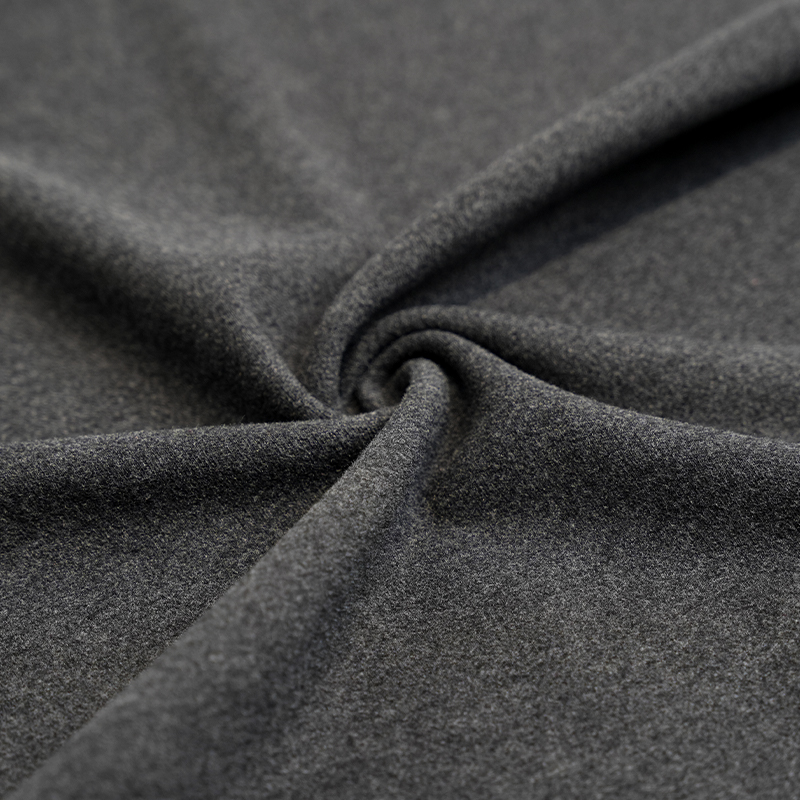
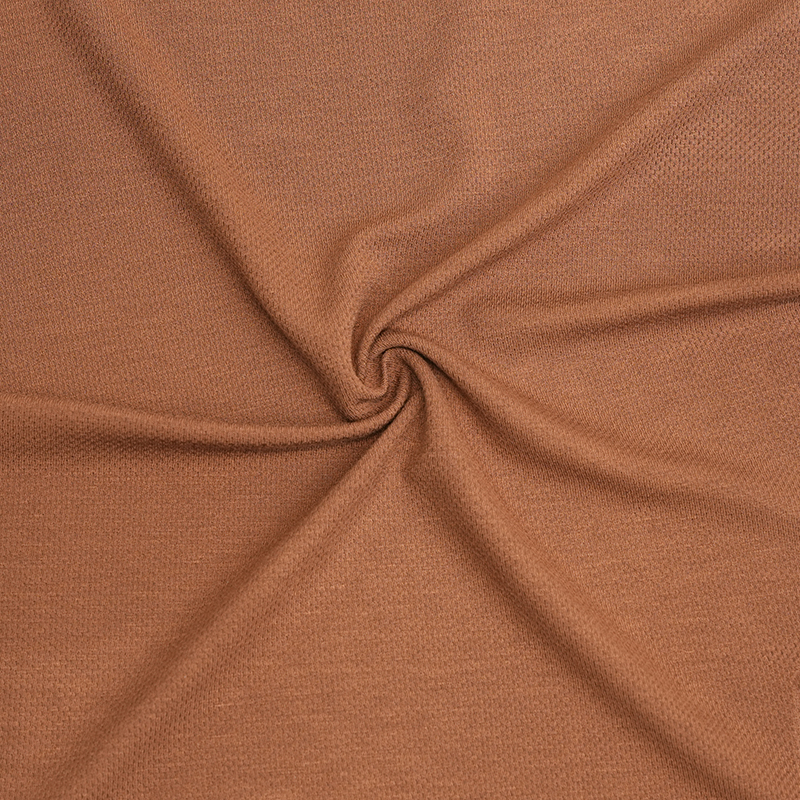
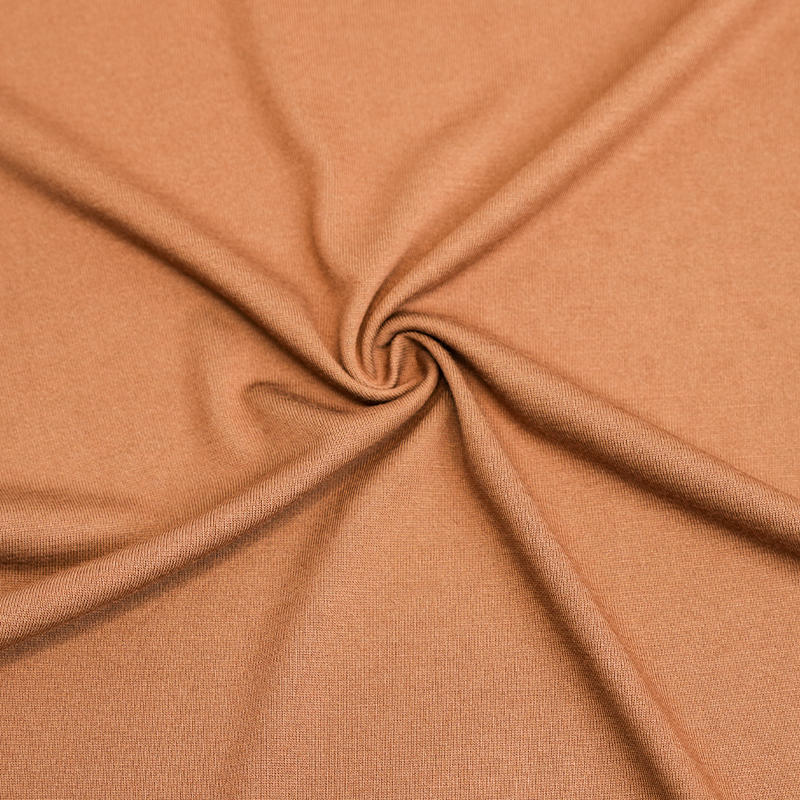
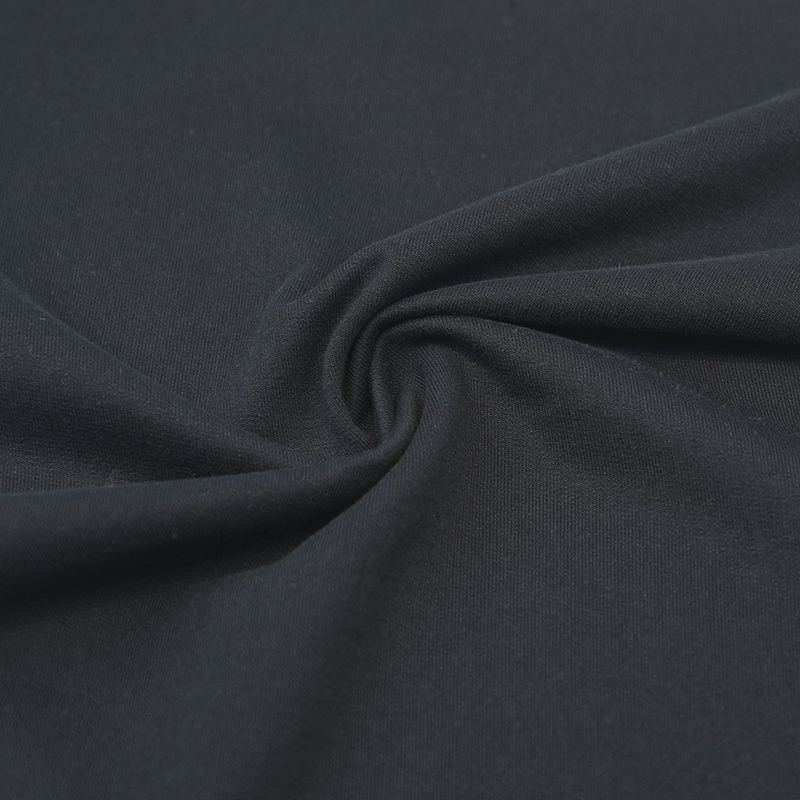
Yes — CVC fleece fabric is an excellent choice for hoodies and sweatshirts, and it is one of the most widely used materials in casual and athletic apparel production worldwide. CVC (Chief Value Cotton) fleece combines a cotton-dominant blend with polyester, delivering a fabric that is soft against the skin, dimensionally stable, and capable of retaining warmth without excessive weight. For manufacturers and buyers evaluating fleece fabric options, CVC consistently offers a practical balance of comfort, durability, and production efficiency.
At BAMSILK™, produced by Nantong Tianhong Textile Technology Co., Ltd., we manufacture precision-spun CVC yarns engineered specifically for fleece fabric applications — ensuring consistent quality from fiber to finished garment.
CVC stands for Chief Value Cotton, a blended yarn classification where cotton content exceeds 50% — typically ranging from 55% to 80% cotton, with the remainder being polyester. When this blended yarn is knitted and then brushed or napped on the interior surface, the result is CVC fleece: a three-layer structure with a smooth face, a fleece interior for insulation, and a stable middle layer connecting both.
The most common CVC fleece blends used in hoodie and sweatshirt production include:
CVC fleece is distinct from pure cotton fleece (softer but less durable) and polyester fleece (more durable but less breathable and natural-feeling). It occupies a deliberate middle ground — and that is precisely why it dominates hoodie and sweatshirt production.
CVC fleece earns its reputation in hoodie and sweatshirt applications through a combination of physical and functional properties that directly impact wearer comfort and garment longevity.
The cotton-dominant composition of CVC fleece gives it a naturally soft hand feel that sits close to pure cotton while avoiding the rough texture of higher-polyester blends. The brushed interior surface further enhances softness, making CVC hoodies comfortable for extended daily wear. Compared to 100% polyester fleece, CVC rates significantly higher in subjective comfort assessments, with consumer panels frequently rating it 20–30% softer in tactile evaluations.
CVC fleece hoodies typically fall in the 280–380 GSM range, which provides reliable warmth for cool to moderate temperatures without the bulk of heavyweight outerwear. The looped interior structure traps air effectively, maintaining body heat during light outdoor activity, commuting, and casual wear. This makes CVC fleece well-suited for three-season use — spring, autumn, and mild winter conditions.
One of the most practical advantages of CVC fleece over pure cotton fleece is its resistance to shrinkage. The polyester component anchors the fabric structure during washing and drying. Pure cotton fleece can shrink 5–8% after the first wash, while CVC fleece typically shrinks less than 3% under standard care conditions. This is a significant benefit for branded apparel, where consistent sizing across the product lifecycle matters.
CVC fleece demonstrates better pilling resistance than pure cotton fleece because the polyester fibers bind the surface more tightly and reduce fiber breakage under friction. Higher cotton content blends (70/30, 80/20) may exhibit slightly more pilling than standard 60/40 CVC, but still outperform pure cotton in long-term appearance retention.
The open-loop structure of fleece knitting combined with cotton's natural moisture absorption gives CVC fleece better breathability than polyester-dominant fleece. Moisture is absorbed by cotton fibers and gradually released, reducing the clammy sensation common with synthetic-heavy fleece. While CVC fleece is not as breathable as a lightweight jersey, it is appropriate for low-to-moderate activity levels.
Choosing the right fleece fabric for hoodies requires comparing CVC against alternative materials across the properties that matter most to end users and manufacturers.
| Property | CVC Fleece (60/40) | 100% Cotton Fleece | Polyester Fleece | Cotton/Poly 50/50 |
|---|---|---|---|---|
| Softness | High | Very High | Medium | High |
| Shrink Resistance | Good (<3%) | Poor (5–8%) | Excellent (<1%) | Good (2–4%) |
| Breathability | Good | Very Good | Low | Good |
| Pilling Resistance | Good | Fair | Very Good | Good |
| Print Quality | Very Good | Excellent | Fair | Very Good |
| Shape Retention | Very Good | Fair | Excellent | Good |
| Eco / Natural Feel | Good | Excellent | Low | Good |
CVC fleece outperforms pure cotton fleece in durability and wash stability, while maintaining a significantly more natural and comfortable feel than polyester-dominant alternatives. For most hoodie and sweatshirt applications, it represents the most versatile and production-practical option.
The weight of CVC fleece fabric — measured in grams per square meter (GSM) — determines its warmth, drape, and end-use suitability. Selecting the correct GSM is as important as the blend ratio for hoodie performance.
For branded apparel, custom hoodies, and promotional sweatshirts, how well the fabric accepts printing and embroidery is a critical specification. CVC fleece performs strongly across all major decoration methods:
The cotton content in CVC fleece provides a surface that absorbs plastisol and water-based inks effectively, producing sharper, more vibrant print results than polyester-dominant fleece. The cotton fibers bond with ink more readily, reducing ink bleed and improving washfastness. CVC fleece consistently delivers print clarity that rivals pure cotton while maintaining better fabric stability during printing.
DTG printing performs best on high-cotton fabrics. CVC fleece at 60/40 or higher cotton ratios accepts DTG ink well, though results are slightly less vivid than on 100% cotton. Pre-treatment application is recommended for all CVC fleece DTG work to ensure optimal ink adhesion and color accuracy.
CVC fleece's dimensional stability — provided by the polyester component — makes it easier to embroider than pure cotton fleece, which tends to distort under the tension of embroidery hoops. The fabric maintains its structure during stitching, resulting in cleaner embroidery registration and more consistent results across production runs.
HTV adheres well to CVC fleece. The polyester content provides a heat-stable surface for bonding, while the cotton layer gives flexibility. Standard application temperatures of 150–160°C for 10–15 seconds produce reliable adhesion without damaging the fleece pile.
One of the most practical advantages of CVC fleece over pure cotton alternatives is its wash and care performance. Consumers expect hoodies and sweatshirts to maintain their appearance and fit over many wash cycles — and CVC delivers reliably in this area.
The performance of any CVC fleece hoodie begins at the yarn level. Yarn quality directly determines the evenness of the knit structure, the consistency of the fleece pile, the stability of the fabric, and ultimately the comfort experienced by the end wearer. This is where manufacturing precision makes a measurable difference.
At BAMSILK™ by Nantong Tianhong Textile Technology Co., Ltd., CVC yarn production involves:
Our factory processes a broad range of fiber types — bamboo, cotton, silk, linen, polyester, nylon, and more — using modern spinning technology. For CVC yarn specifically, this multi-fiber expertise enables us to fine-tune the interaction between cotton and polyester at the yarn level, producing blended yarns that deliver stable, strong, and consistently soft performance in downstream fleece fabric production.
CVC fleece is not a universal solution — but for the majority of hoodie and sweatshirt applications, it is the most practical and reliable choice. Here is a practical guide to who benefits most:
Related Products
Contact Us for More Details
Don't hesitate to contact when you need us!
Contact Information
Add:
Room 806, Building D, Jingyang Plaza, Chongchuan District, Nantong City, Jiangsu Province, China
E-mail:
Product Category
QR Code
Join our community and stay connected
 English
 Español
 Tiếng Việt