
 English
 Español
 Tiếng Việt

Bamboo Viscose Fleece Fabric
-- Steady & Reliable Manufacturer --
Bamboo Viscose Fleece Fabric
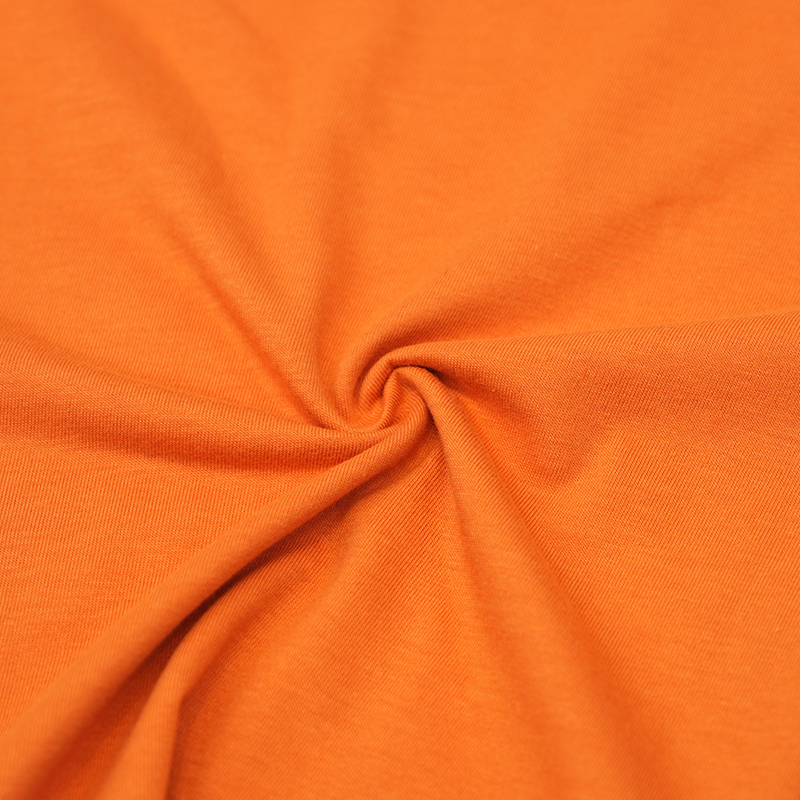
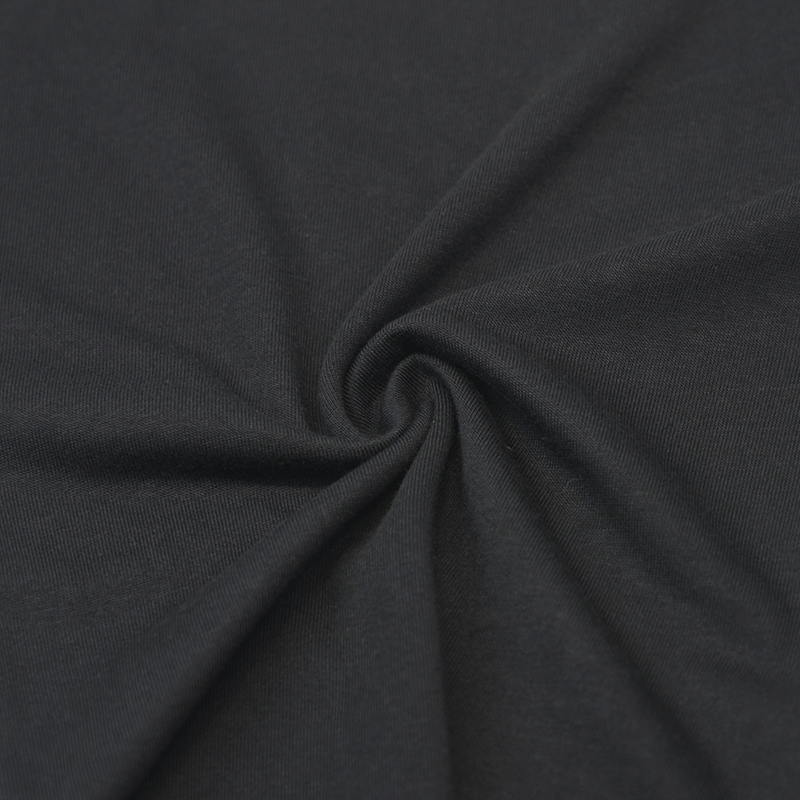
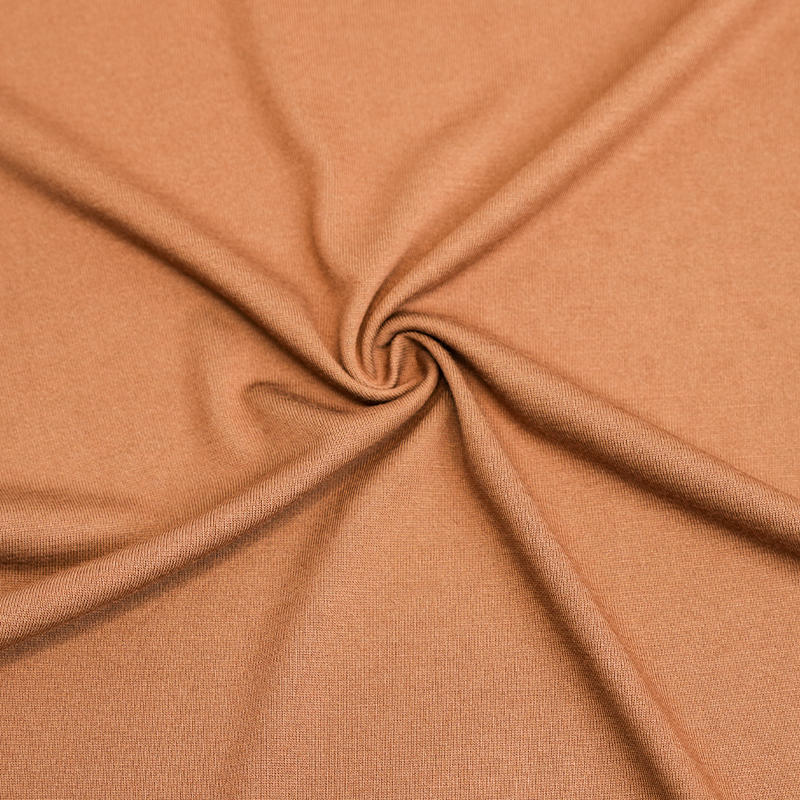
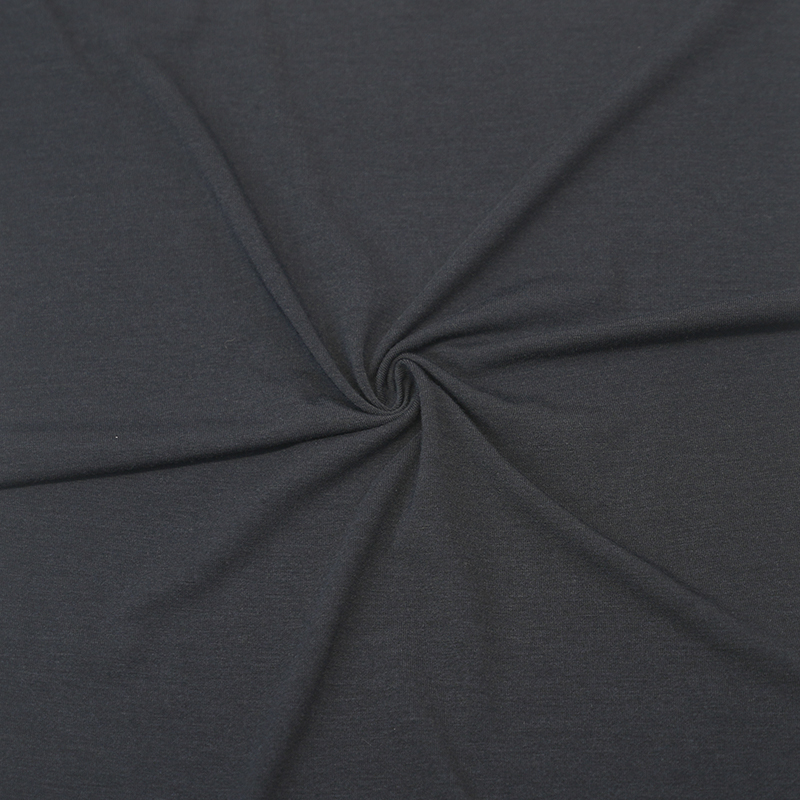
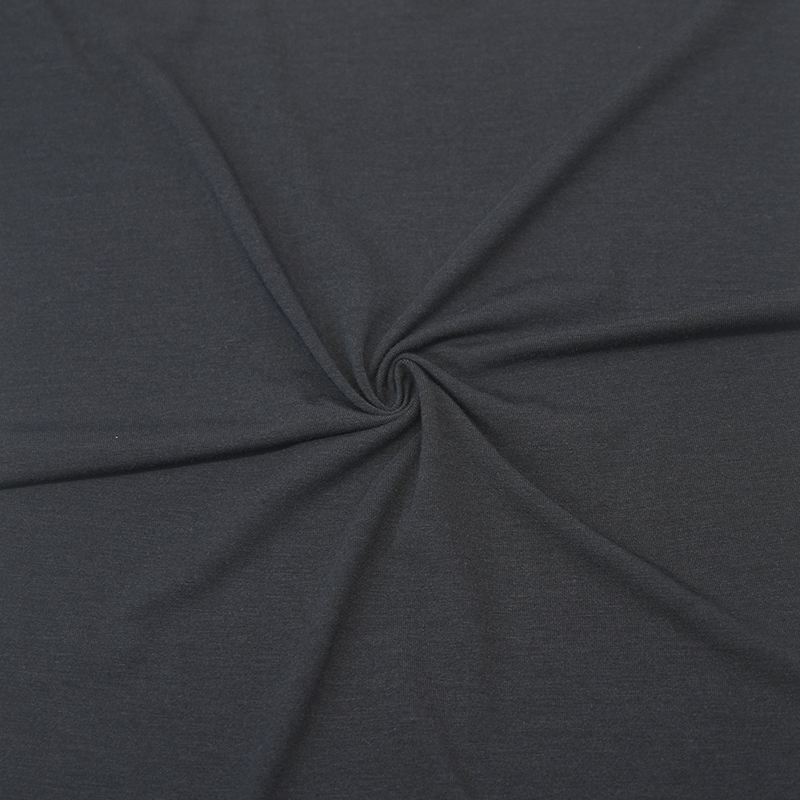
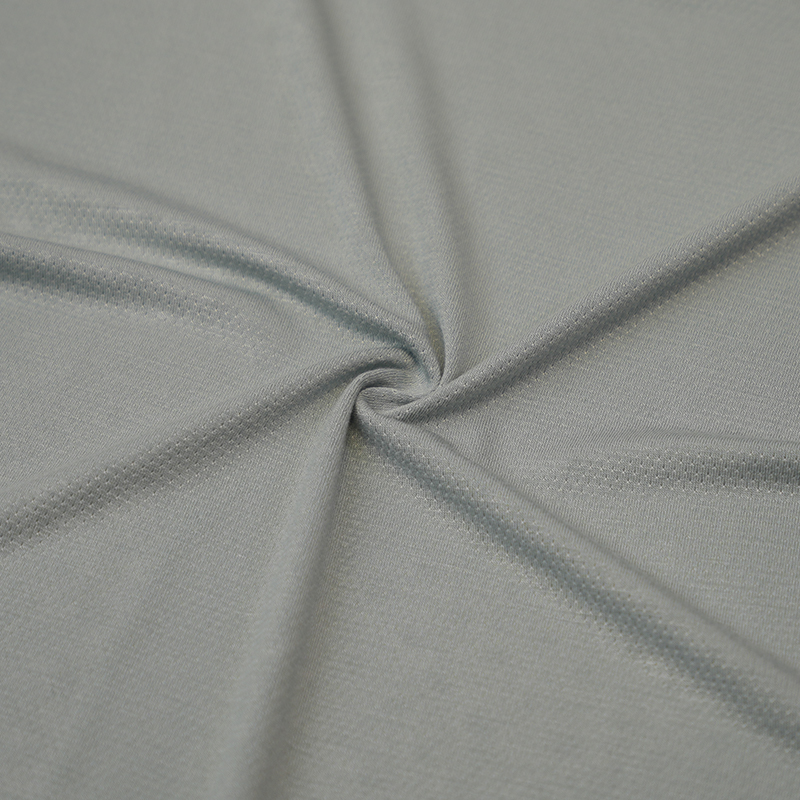
Bamboo viscose fleece Fabric is a brushed or looped knit fabric that combines the softness of viscose derived from organically grown bamboo with the warmth and comfort of a fleece construction. The interior fleece surface provides gentle insulation without the bulk of traditional synthetic fleece, making it a popular choice for sustainable brands developing cozy essentials. Produced under FSC, OCS, and OEKO-TEX Standard 100 certification, Tianhong's bamboo viscose fleece delivers both performance and responsible sourcing credentials.
Introduction
Bamboo viscose fleece Fabric is typically constructed as a terry or French terry knit that is subsequently brushed on one or both sides to raise a soft pile. The face of the fabric remains smooth and presentable while the looped or brushed interior provides warmth and a plush feel against the skin. Compared to conventional cotton fleece or polyester fleece, bamboo viscose fleece offers a noticeably lighter weight for the same level of warmth, and the bamboo cellulose contributes to effective moisture transfer even in a brushed construction.
At Tianhong, we offer bamboo viscose fleece in a range of weights and pile heights to serve different end-use categories — from lightweight sweatshirt fabrics to heavier lounge and outerwear constructions. We source bamboo fiber through our BAMSILK™ partnership, maintaining traceability from plantation to finished fabric. All production is conducted within our Nantong facility, where quality is controlled across every processing stage including knitting, dyeing, and finishing.
For brands seeking an eco-conscious alternative to conventional fleece — without sacrificing comfort or performance — bamboo viscose fleece represents a compelling option that our team can develop and adapt to your specific needs.
Specification
| Fiber Composition | Bamboo Viscose 70% / Polyester 30%; Bamboo Viscose 60% / Cotton 40%; Bamboo Viscose 95% / Spandex 5%; custom blends on request |
| Fabric Structure | Brushed Jersey Fleece; French Terry (one-side loop); Double-Brushed options available |
| Weight (GSM) | 220 – 380 gsm (standard range; custom GSM available) |
| Width | 155 – 175 cm open width |
| Stretch | 2-way stretch standard; 4-way stretch with spandex blends |
| Pile / Surface | Single-side brushed (French terry back) or double-side brushed; pile height customizable |
| Dyeing Method | Reactive dyeing; dope dyeing available on selected constructions |
| Certifications | FSC, OCS, OEKO-TEX Standard 100 |
| MOQ | 300 – 500 kg per color |
| Lead Time | Sample: within 15 days; Bulk: confirmed at order stage |
| Pilling Resistance | Grade 3–4 (Martindale; varies by construction) |
Application
Bamboo viscose fleece Fabric occupies an important position in the sustainable basics and casualwear market. Its combination of warmth, lightness, and gentle texture makes it suitable for a broad range of garment categories:
- Sweatshirts and Hoodies: Mid-weight bamboo viscose fleece (260–320 gsm) is widely used in sustainable sweatshirt and hoodie production, offering a warm and cozy interior finish without the environmental footprint of conventional polyester fleece.
- Joggers and Lounge Pants: The soft brushed interior and comfortable stretch make bamboo viscose fleece a natural fit for loungewear bottoms, relaxed-fit joggers, and coordinated lounge sets.
- Outerwear Linings and Mid-Layers: Heavier constructions serve well as lining material in jackets and vests, contributing warmth without excessive weight or bulk.
- Baby and Toddler Garments: The ultra-soft pile surface and OEKO-TEX certified fiber safety profile make bamboo viscose fleece a sought-after fabric for baby sleep suits, infant bunting bags, and toddler outerwear.
- Blankets and Accessories: Lightweight bamboo viscose fleece constructions are also used in baby blankets, wraps, scarves, and similar soft goods where a premium feel is expected.
- Yoga and Studio Wear: Lighter brushed constructions suit warm-up layers and studio-to-street athleisure pieces where comfort and a premium aesthetic are both priorities.
Advantage
- Warmth Without Weight: Bamboo viscose fleece Fabric delivers effective insulation at a lower GSM than equivalent cotton or polyester fleece constructions, producing garments that feel substantial without being heavy or restrictive.
- Plush Softness on the Skin Side: The brushed interior surface creates a tactile experience that significantly exceeds what conventional cotton fleece offers at a comparable price point — a quality that is immediately apparent to end consumers and easy to communicate in retail marketing.
- Breathability in a Warm Fabric: Unlike polyester fleece, bamboo viscose fleece retains the moisture-wicking and breathable properties of bamboo cellulose, reducing the overheating that can occur with fully synthetic fleece garments.
- Eco-Friendly Sourcing: Produced from viscose derived from organically grown bamboo, the fiber sourcing is supported by FSC and OCS certification. Bamboo's fast growth cycle and the absence of pesticides in organic cultivation make it a lower-impact raw material compared to conventional cotton or virgin polyester.
- Versatile Blending: Bamboo viscose fleece can be blended with cotton for added durability and washability, or with polyester for improved shape retention and lower cost — giving brands design and cost flexibility without abandoning sustainable positioning.
- Certified Supply Chain: The full supply chain from bamboo plantation through to finished fabric is third-party certified, providing the documentation brands need to make verifiable sustainability claims in their product marketing and compliance filings.
- Custom Development Capability: Tianhong's R&D team can develop custom pile heights, blend compositions, and finishes specifically for your product requirements, with sample production completed within 15 days.
Payment & Shipping
Our commercial terms are designed to be straightforward and accommodate the working practices of international apparel brands and fabric importers.
- Trade Terms: FOB, CIF, CNF, or other incoterms as agreed during the quotation and contract stage.
- Payment Method: T/T (Telegraphic Transfer) is our standard payment method. L/C (Letter of Credit) is also accepted for eligible orders.
- Payment Schedule: For bulk production, a 30% deposit is required before production commences, with the remaining 70% payable upon presentation of the bill of lading.
- Shipping: All orders ship from Nantong, with routing available through Shanghai or Ningbo. We can coordinate logistics on your behalf or work with your nominated freight forwarder.
- Response and Sample Timeline: Initial fabric communication completed within 3 business days; sample production within 15 days. Bulk lead times are confirmed based on order volume and production scheduling at the time of order.
- Packaging: Standard export roll packaging with moisture protection. Custom roll lengths, core dimensions, and labeling requirements can be accommodated for bulk orders.
FAQ
- Q: How does bamboo viscose fleece compare to polyester fleece?
- A: The key differences are in feel, breathability, and environmental profile. Bamboo viscose fleece is noticeably softer against the skin than polyester fleece and offers better moisture management — bamboo cellulose wicks moisture more effectively than polyester, reducing the clammy feeling that polyester fleece can produce during activity. From an environmental standpoint, bamboo viscose is derived from a renewable plant source and is biodegradable at end of life, whereas polyester is petroleum-derived and non-biodegradable. Polyester fleece tends to shed microplastics during washing; bamboo viscose does not carry this concern to the same degree.
- Q: What is the difference between bamboo viscose French terry and bamboo viscose fleece?
- A: French terry is a knit fabric with a flat face and a looped back — the loops are left uncut and unbrushed. Fleece is typically produced by brushing those loops (or a similar construction), creating a raised pile that provides more warmth and a softer hand feel. French terry is lighter and more suited to activewear and transitional garments, while fleece is warmer and better suited to sweatshirts, hoodies, and colder-season basics. Tianhong produces both constructions and can help you select the right one for your end-use.
- Q: Does bamboo viscose fleece pill easily?
- A: Pilling tendency depends on the blend composition, yarn count, and brushing method. Our standard bamboo viscose fleece fabrics achieve Grade 3–4 on the Martindale pilling test, which is acceptable for most outerwear and casualwear applications. Blends incorporating polyester can improve pilling resistance further. For applications where pilling performance is critical, we recommend requesting a sample and conducting your own wash and wear testing before finalizing your bulk specification.
- Q: Can bamboo viscose fleece be used in baby products?
- A: Yes. Our bamboo viscose fleece fabrics are OEKO-TEX Standard 100 certified, confirming they have been tested and verified free from harmful substances at concentrations safe for contact with infant skin. The soft pile surface is also well-suited to baby sleep suits, bunting bags, and infant blankets. We recommend specifying the OEKO-TEX certification requirement when placing your order to ensure the correct documentation is issued.
- Q: What blend ratios are available for bamboo viscose fleece?
- A: Our standard offerings include bamboo viscose blended with polyester (for improved durability and cost efficiency), cotton (for washability and a familiar hand feel), or spandex (for stretch and recovery in activewear applications). Custom blend ratios are available through our R&D development process. Please provide your performance, certification, and cost targets and our team will advise on the most suitable blend.
Certifications
- ISO 9001 Management
- BSCI Social Compliance
- Factory Technical Assessment
Our R&D Team
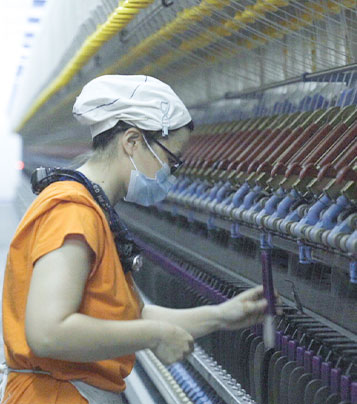
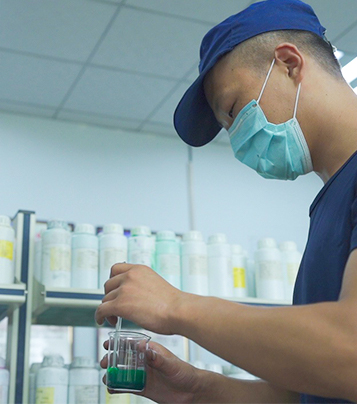
The R&D team at Tianhong is typically made up of expert technicians and innovation teams that are focused on the advancement of technology and solutions for fabrics.

Tianhong Story
