
 English
 Español
 Tiếng Việt

Bamboo Viscose Mesh Fabric
-- Steady & Reliable Manufacturer --
Bamboo Viscose Mesh Fabric
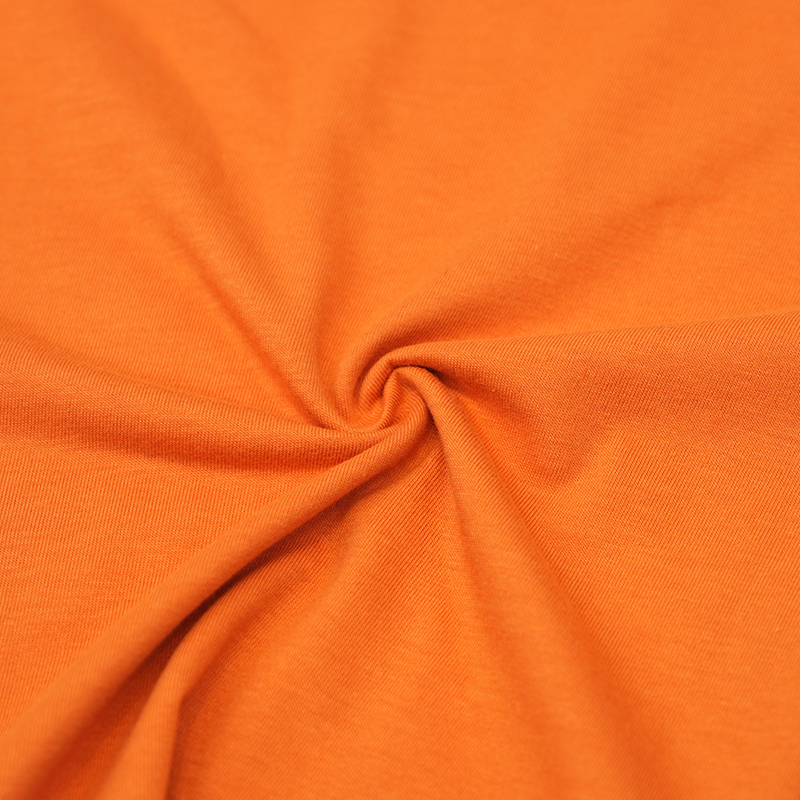
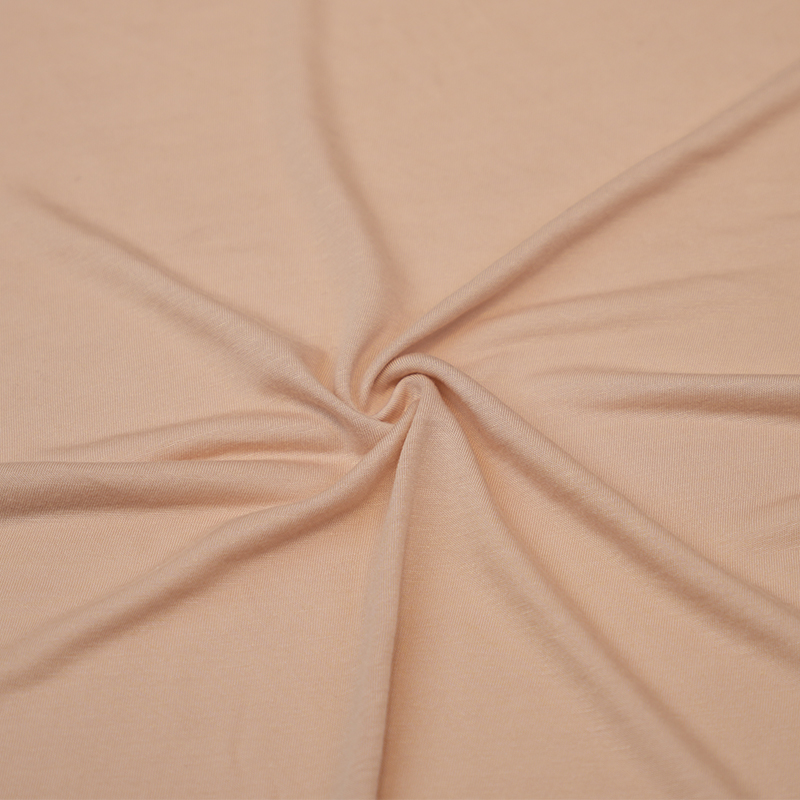
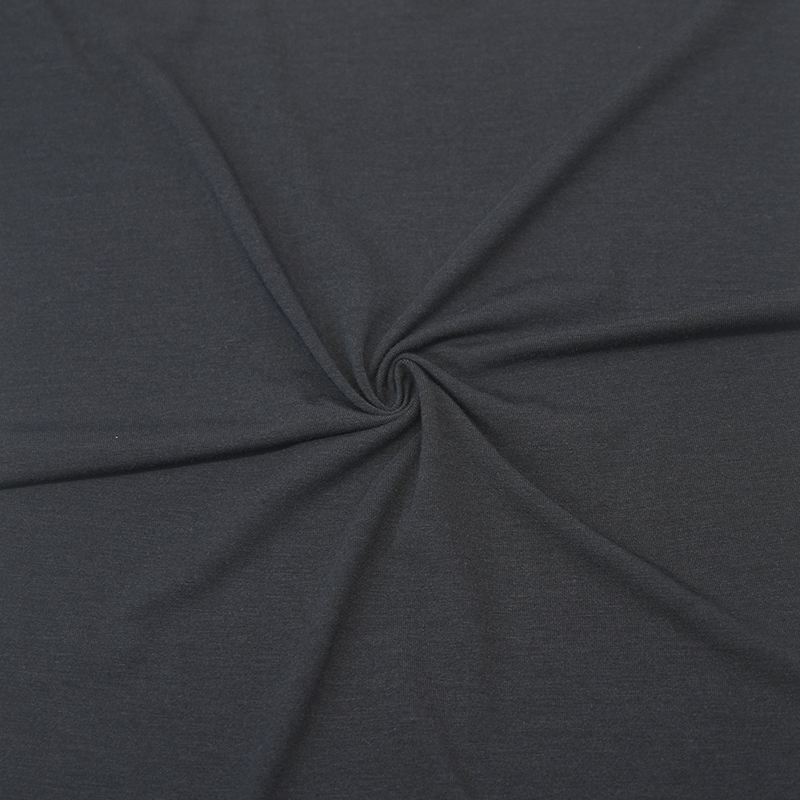
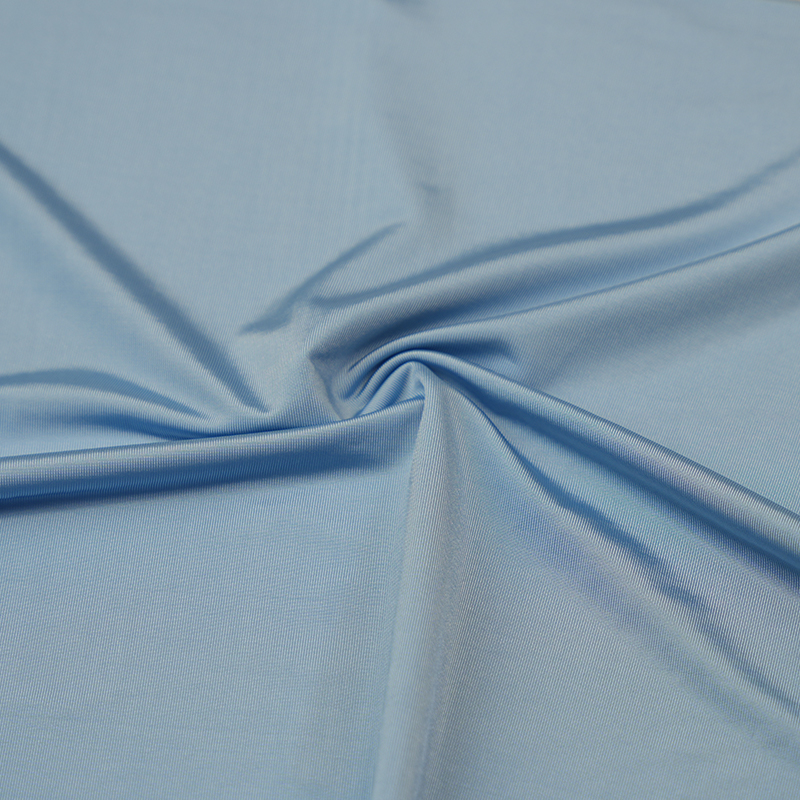
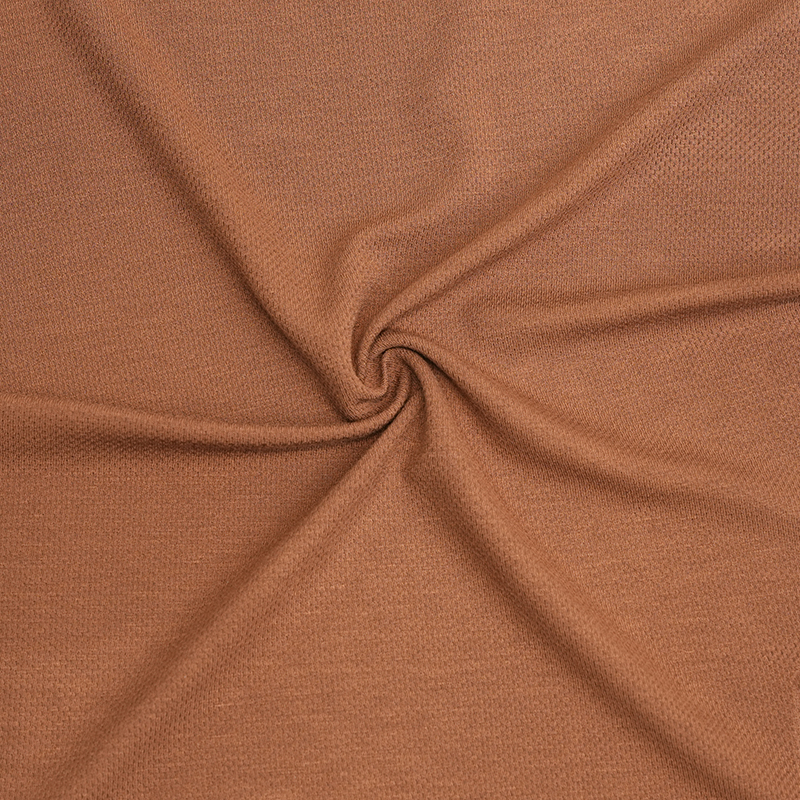
Bamboo viscose mesh Fabric is an open-structure knit fabric that prioritizes breathability and lightness. Made from viscose derived from organically grown bamboo, it combines the cellulose fiber's inherent softness with an airy construction suited to underwear, activewear linings, and warm-weather garments. Available with OEKO-TEX Standard 100, FSC, and OCS certification.
Introduction
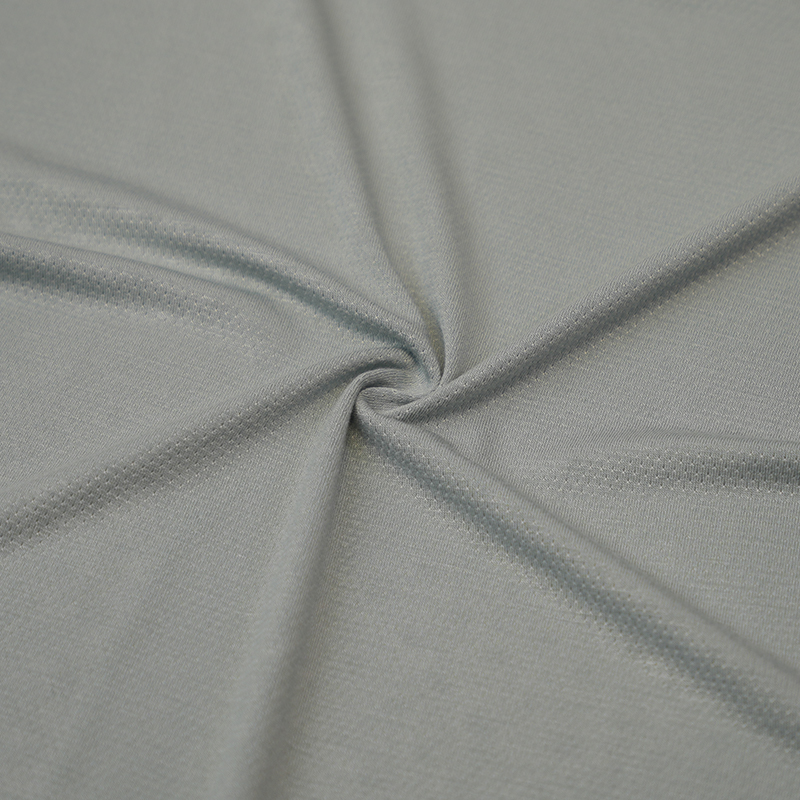
Mesh fabric is defined by its open, perforated structure — either through specific knitting patterns or through needle-out configurations — that allows air to circulate freely through the fabric. In bamboo viscose, this structure creates a fabric that is lightweight, soft, and noticeably cooler to wear than a comparable solid knit.
At Tianhong, we produce bamboo viscose mesh in both fine and coarser gauge constructions depending on end-use. Fine mesh constructions suit underwear and bralette applications where the open structure provides ventilation without sacrificing comfort. Coarser mesh is used in activewear panels, outer layers, and functional sportswear where airflow is the primary requirement.
As with our other bamboo viscose fabrics, fiber is sourced through BAMSILK™ with full traceability. Custom mesh configurations, GSM, and blend ratios are available through our R&D development process.
Specification
| Fiber Composition | Bamboo Viscose 85% / Polyester 15%; Bamboo Viscose 90% / Spandex 10%; custom blends on request |
| Fabric Structure | Open-knit mesh; fine gauge or coarse gauge; configuration on request |
| Weight (GSM) | 100 – 180 gsm |
| Width | 155 – 180 cm open width |
| Stretch | 2-way or 4-way stretch depending on blend |
| Dyeing Method | Reactive dyeing; dope dyeing available on selected constructions |
| Certifications | FSC, OCS, OEKO-TEX Standard 100 |
| MOQ | 300 – 500 kg per color |
| Lead Time | Sample within 15 days; bulk confirmed at order stage |
Application
- Underwear and Bralettes: Fine bamboo viscose mesh is used in gussets, back panels, and bralette bodies where ventilation and softness against skin are both required.
- Activewear Panels: Open mesh panels in sports tops, shorts, and leggings improve airflow in high-heat zones such as underarms and side seams.
- Summer Tops and Layering: Lightweight mesh constructions work as standalone warm-weather tops or as sheer layering pieces in casual and resort collections.
- Sleepwear: The light, breathable structure of fine bamboo viscose mesh suits warmer-climate sleepwear and warm-season pajama sets.
- Sports Linings: Used as a lining fabric inside outerwear and performance jackets to add softness without reducing airflow.
Advantage
- Maximum Breathability: The open knit structure allows significantly more air circulation than any solid-knit construction, making it the right choice when ventilation is the primary design requirement.
- Lightweight: Bamboo viscose mesh sits at the lighter end of the GSM range for knit fabrics, keeping garments feeling minimal and unobtrusive in wear.
- Soft Open Structure: Unlike synthetic mesh, bamboo viscose mesh retains a soft, non-scratchy feel even at the cut edges — important for underwear and anything worn directly against skin.
- Functional Blending: Polyester or spandex blends can be incorporated to improve dimensional stability and stretch recovery where the open structure would otherwise be too loose for the application.
- Certified: Same FSC, OCS, and OEKO-TEX Standard 100 certification framework as the rest of our bamboo viscose fabric range.
Payment & Shipping
- Trade Terms: FOB, CIF, CNF, or as agreed at quotation stage.
- Payment: T/T primary; L/C accepted. 30% deposit before production, 70% on bill of lading.
- Shipping: From Nantong via Shanghai or Ningbo. We can coordinate with your freight forwarder or handle shipping arrangements directly.
- Sample Lead Time: Communication within 3 business days; samples within 15 days.
FAQ
- Q: How does bamboo viscose mesh differ from polyester mesh?
- A: The main differences are feel and fiber origin. Polyester mesh is typically stiffer and can feel scratchy at cut edges; bamboo viscose mesh is noticeably softer and more comfortable against the skin. Polyester is petroleum-derived and not biodegradable; bamboo viscose is made from renewable plant cellulose. For activewear where durability and recovery under high stretch are the priority, polyester mesh may outperform. For underwear and skin-facing applications, bamboo viscose mesh is usually the better fit.
- Q: Is bamboo viscose mesh sheer?
- A: Yes — the open structure of mesh means it will be sheer to varying degrees depending on gauge and hole size. Fine gauge mesh intended for underwear panels has smaller openings and is less sheer than coarser activewear mesh. If opacity is a requirement, mesh is typically used as a panel fabric combined with a solid knit, rather than as the full garment fabric.
- Q: What blend works best for activewear mesh panels?
- A: For activewear panels that need to hold shape during movement, a bamboo viscose and spandex blend (typically 10–15% spandex) is the most common choice. If you need added structure and snag resistance, a bamboo viscose and polyester blend is worth considering. We can develop samples in both options for comparison.
Certifications
- ISO 9001 Quality System
- Bursting Strength Test Report
- Color Fastness to Perspiration (Grade 4+)
Our R&D Team
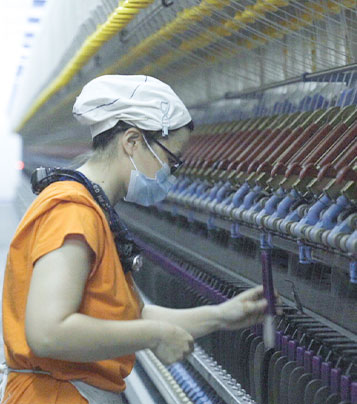
The R&D team at Tianhong is typically made up of expert technicians and innovation teams that are focused on the advancement of technology and solutions for fabrics.


Tianhong Story
