
 English
 Español
 Tiếng Việt

Bamboo Viscose Interlock Fabric
-- Steady & Reliable Manufacturer --
Bamboo Viscose Interlock Fabric
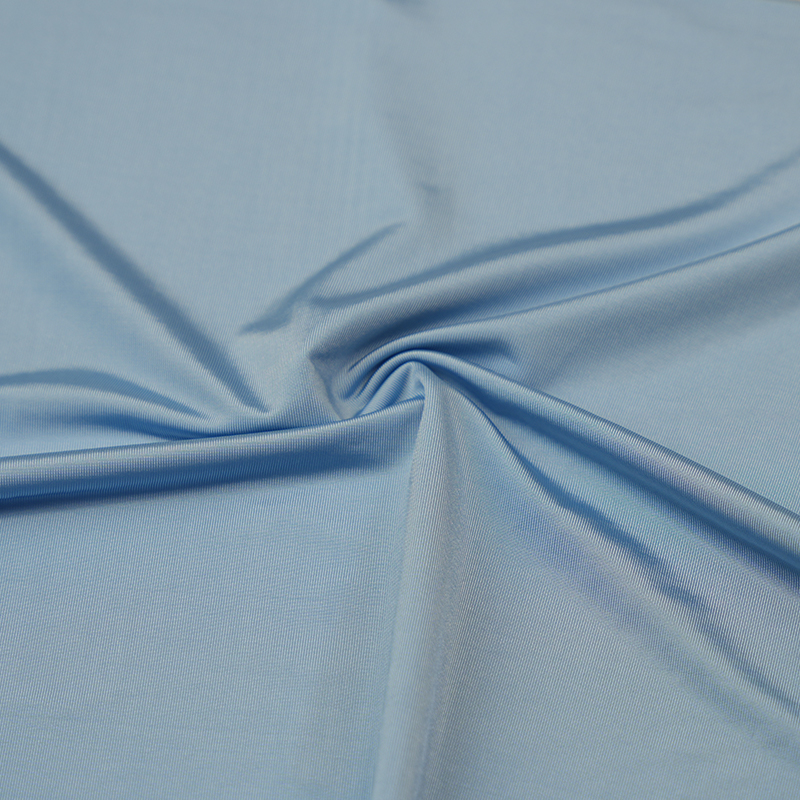
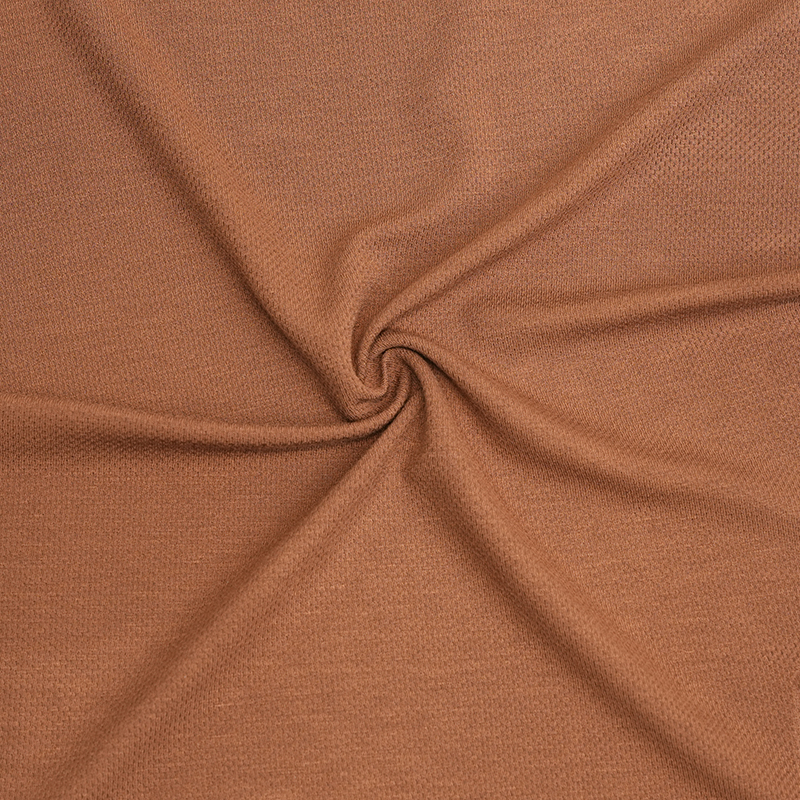
Bamboo viscose interlock Fabric is a double-knit fabric constructed from two interlocked layers of jersey knit, resulting in a smooth face on both sides, excellent dimensional stability, and a noticeably substantial hand feel. Made from viscose derived from organically grown bamboo, it combines the inherent softness of bamboo cellulose with the body and recovery that interlock construction provides. Tianhong's bamboo viscose interlock fabrics are certified to FSC, OCS, and OEKO-TEX Standard 100 standards, supporting brands with credible sustainability positioning.
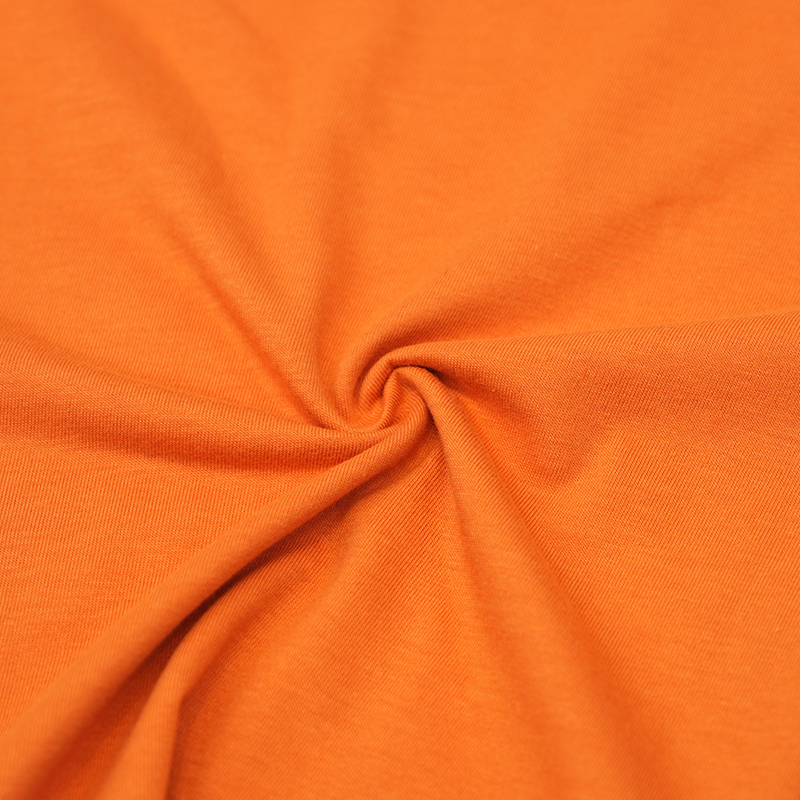
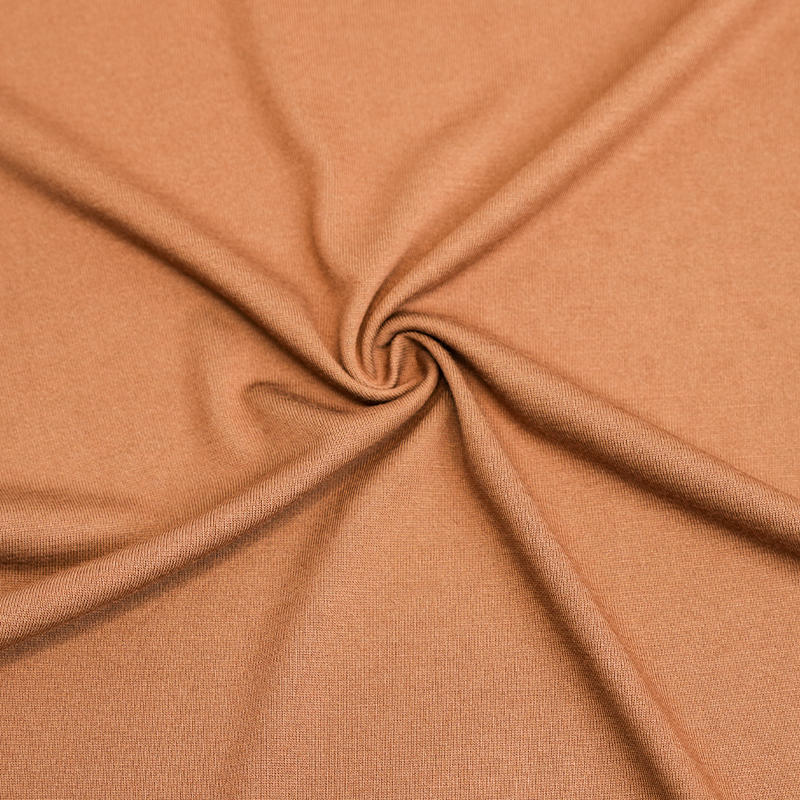
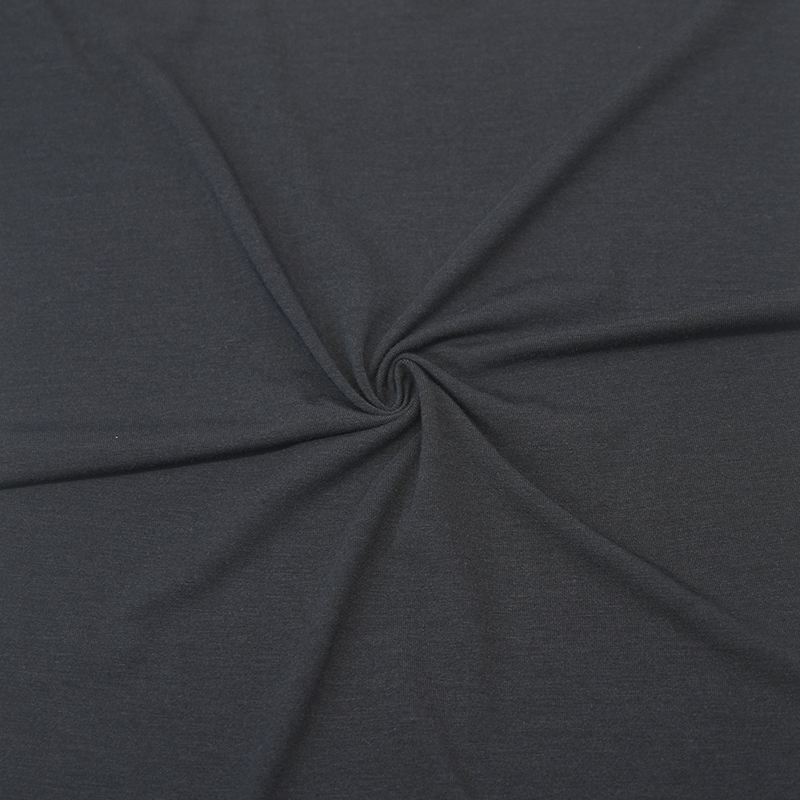
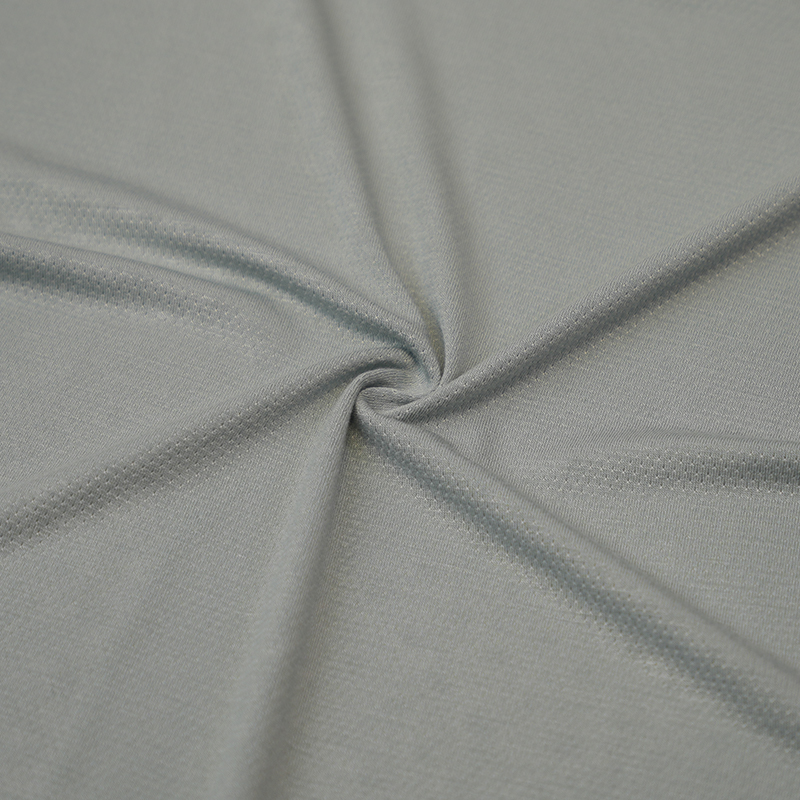
Introduction
Interlock knit is produced by interlocking two ribbed fabrics together, creating a structure that is thicker, more stable, and less prone to curling than single jersey. When manufactured in bamboo viscose, the fabric takes on an exceptionally smooth texture on both faces — making it well suited for garments where appearance from the inside is as important as the outside, such as fitted tops, bodysuits, and premium basics.
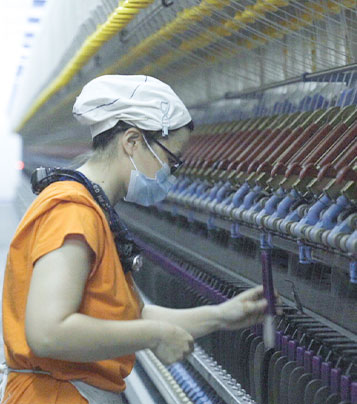
At Tianhong, we have refined our interlock knitting process over decades to achieve tight, even loop structures that maximize fabric consistency. Our bamboo viscose interlock is sourced using BAMSILK™ fiber, ensuring batch-to-batch traceability and fiber quality. The fabric is available in a GSM range suitable for year-round use, and our in-house dye facility supports both reactive and dope dyeing methods.
Compared to bamboo viscose jersey, interlock offers better opacity, reduced elongation, and improved shape retention — properties that many apparel manufacturers specifically seek when developing core basics, childrenswear, or any garment requiring a cleaner, more structured finish. Our R&D team can develop custom blends, finishes, and constructions to order.
Specification
| Fiber Composition | Bamboo Viscose 95% / Spandex 5%; Bamboo Viscose 90% / Polyester 10%; Bamboo Viscose 100%; custom blends available |
| Fabric Structure | Interlock Double Knit |
| Weight (GSM) | 180 – 320 gsm (standard range; custom GSM available) |
| Width | 160 – 185 cm open width |
| Stretch | 2-way stretch standard; 4-way stretch with spandex variants |
| Surface | Smooth face on both sides; no curl at edges |
| Dyeing Method | Reactive dyeing; dope dyeing available |
| Certifications | FSC, OCS, OEKO-TEX Standard 100 |
| MOQ | 300 – 500 kg per color |
| Lead Time | Sample: within 15 days; Bulk: confirmed at order stage |
| Pilling Resistance | Grade 4 or above |
Application
The double-face construction and greater stability of bamboo viscose interlock open up a range of applications where single jersey may fall short:
- Premium T-Shirts and Fitted Tops: The smooth bilateral surface and controlled stretch make interlock the preferred choice for higher-end T-shirts, fitted long sleeves, and structured casual tops.
- Bodysuits and Unitards: The opacity and dimensional stability of interlock are especially valuable in bodysuits and close-fitting garments where see-through and sagging are concerns.
- Childrenswear: OEKO-TEX certified bamboo viscose interlock is widely used in baby basics, infant sets, and children's everyday wear where durability and softness must coexist.
- Underwear and Base Layers: Its smooth face against the skin and low bulk make it suitable for premium underwear and base-layer applications.
- Thermal Layering: Heavier GSM interlock constructions are used in thermal base layers and light insulating mid-layers for cooler climates.
- Athleisure: The fabric's shape retention and recovery, combined with the softness of bamboo viscose, suit athleisure-oriented garments such as fitted joggers and coordinated sets.
Advantage
- Smooth on Both Faces: The interlocked double-knit construction produces an even, smooth surface on both sides — reducing the need for facing or lining in many garment applications and delivering a cleaner finished product.
- Better Shape Retention than Jersey: Interlock's double-layer structure limits elongation and improves recovery, meaning garments maintain their shape after repeated wear and washing better than single-jersey equivalents.
- Reduced Edge Curl: Unlike single jersey, interlock does not curl at cut edges, which simplifies cutting and sewing operations and reduces production waste on the factory floor.
- Greater Opacity: The denser construction provides better coverage, important for underwear, bodysuits, and light-colored garments where sheerness would be problematic.
- Certified Sustainability: Sourced from FSC-certified bamboo and produced under OCS and OEKO-TEX Standard 100 compliance, the fabric supports transparent sustainability claims throughout your supply chain.
- Dope Dyeing Option: Select interlock constructions are available with dope (solution) dyeing, which significantly reduces water and chemical usage compared to conventional piece dyeing — a meaningful difference for sustainability-focused brands.
- Traceability Documentation: Tianhong records raw material origin, manufacturing process, and quality control data for every production batch, providing full traceability documentation to support your compliance and certification requirements.
Payment & Shipping
We aim to make the ordering process flexible and transparent for buyers at every stage — whether you are placing your first sample order or managing ongoing bulk procurement.
- Trade Terms: FOB, CIF, CNF, or other terms confirmed during the quotation stage.
- Payment Method: T/T is our primary accepted method. L/C is also acceptable for qualifying orders.
- Payment Schedule: Bulk production orders require 30% advance payment before production begins, with the remaining 70% due upon presentation of the bill of lading.
- Shipping Origin: Goods are shipped from Nantong, with convenient access to Shanghai and Ningbo ports for international ocean freight.
- Sample Turnaround: Fabric communication completed within 3 business days. Physical samples dispatched within 15 days of order confirmation.
- Packaging: Standard export rolls with moisture-resistant wrapping. Custom roll lengths, core specifications, and brand labeling can be arranged for bulk orders.
FAQ
- Q: What is the difference between bamboo viscose interlock and bamboo viscose jersey?
- A: Both fabrics are made from bamboo viscose, but their knit structure differs significantly. Jersey is a single-knit construction that is lighter, more drapey, and has a distinct face and back. Interlock is a double-knit construction — two jersey layers interlocked together — giving it a smooth face on both sides, greater stability, less stretch in the length direction, and better opacity. Interlock is generally heavier than jersey at the same yarn count and is preferred for garments requiring more structure and shape retention.
- Q: Is bamboo viscose interlock suitable for baby clothing?
- A: Yes. Our bamboo viscose interlock fabrics are OEKO-TEX Standard 100 certified, which confirms they have been tested and verified free from harmful substances at levels that are safe for skin contact, including for infants. The smooth, non-curling surface also simplifies construction of small garments. It is widely used in baby basics, infant sets, and children's essentials by brands worldwide.
- Q: Can bamboo viscose interlock be dope dyed?
- A: Yes, dope dyeing is available for selected interlock constructions. This dyeing method introduces color at the fiber extrusion stage rather than after fabric formation, which eliminates several water-intensive dyeing steps. Tianhong's dope-dyed fabrics save approximately 60 tons of water per ton of fabric compared to conventional dyeing — a meaningful contribution to your brand's environmental impact reduction. Not all colors or blends are available in dope-dyed form; please contact us to check availability for your requirement.
- Q: What GSM should I choose for T-shirts versus bodysuits?
- A: For fitted T-shirts and tops, 180–220 gsm bamboo viscose interlock typically provides the right balance of drape and coverage. For bodysuits and garments requiring more opacity and structure, 220–260 gsm is more commonly specified. Our team can advise based on your design and end-use, and we can produce lab samples at different weights for comparison before you commit to a bulk specification.
- Q: What certifications can you provide with bamboo viscose interlock orders?
- A: We can provide OEKO-TEX Standard 100 test reports, OCS transaction certificates covering bamboo fiber sourcing, and FSC chain-of-custody documentation. All certifications are issued by independent third-party bodies. Documentation requirements should be discussed during the order process so we can ensure the correct certification pathway is applied from the start of production.
Certifications
- AATCC 100 / ISO 20743 Test
- SGS Antimicrobial Efficacy Report
- OEKO-TEX Standard 100
Our R&D Team
The R&D team at Tianhong is typically made up of expert technicians and innovation teams that are focused on the advancement of technology and solutions for fabrics.


Tianhong Story
