Language

2026-07-24
Content
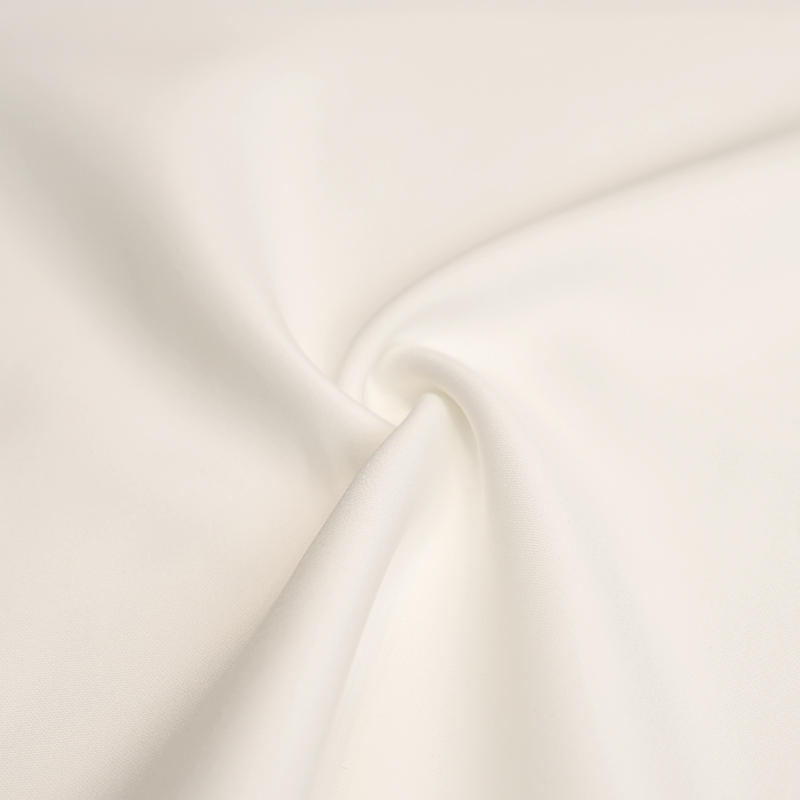
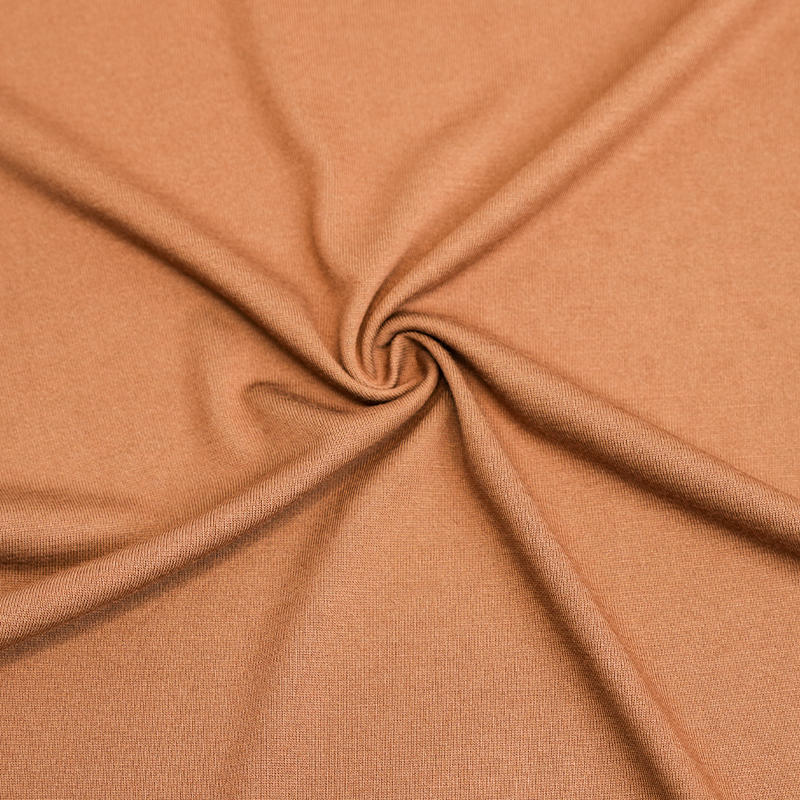
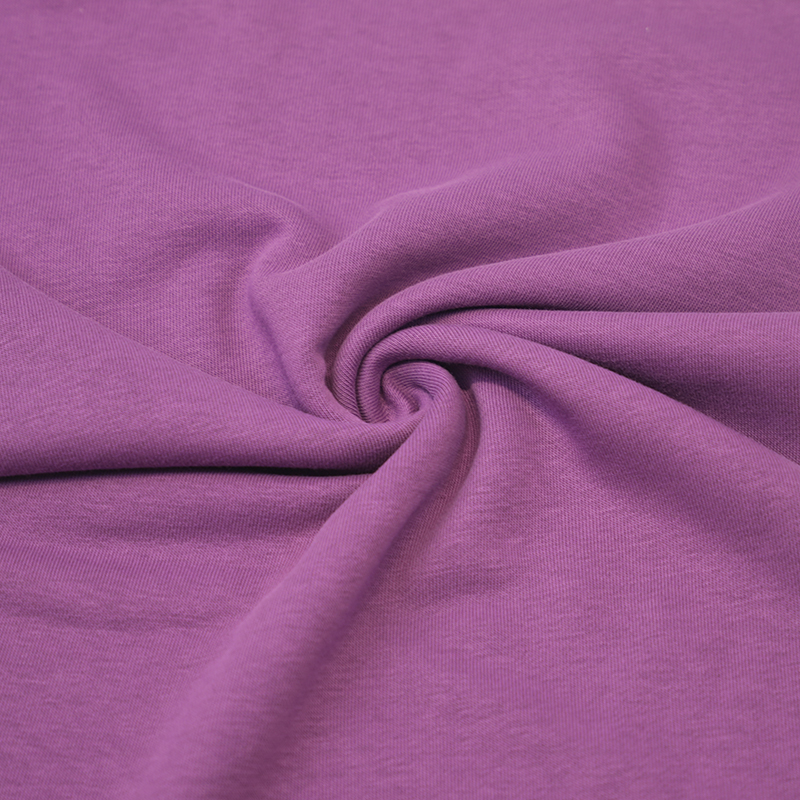
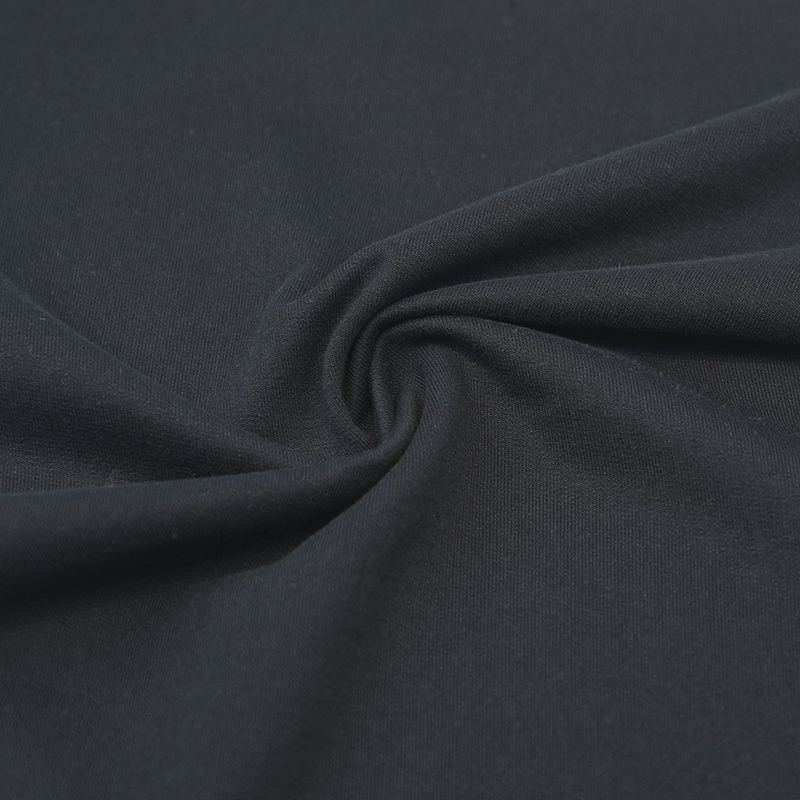
Yes, linen jersey can be dyed, and reactive dyes are the standard choice, since linen is a cellulose fiber and reacts to the same dye chemistry as cotton or viscose. What makes linen different is not whether it can take color, but how evenly and how deeply it does. Linen fiber has an unusually dense, crystalline internal structure, which means dye molecules can only really penetrate the looser, amorphous regions of the fiber, and that structural quirk is the root cause of nearly every dyeing challenge associated with linen, from patchy shade to limited depth in dark colors.
Jersey knit construction adds a second layer to the question, since linen on its own has very little stretch or recovery, and pure linen jersey is uncommon for that reason. Most linen jersey on the market today is actually a blend, and the fiber it is blended with has almost as much influence on the final color result as the dye chemistry itself.
All cellulose fibers, including cotton, viscose, and linen, take up dye through hydroxyl groups on the cellulose chain, but how accessible those hydroxyl groups are depends on how tightly the cellulose is packed at a molecular level. Linen fiber is roughly 70 percent crystalline, meaning most of its internal structure is tightly ordered rather than loose and open. Dye molecules can only diffuse into the remaining amorphous portion of the fiber, which limits both the speed and the depth of color uptake compared to a more open fiber structure.
This is also why linen tends to look slightly heathered or textured even after a uniform dye process, an effect many buyers actually associate with the natural character of linen rather than a flaw. It becomes a genuine flaw only when the unevenness is unintentional or inconsistent between production batches.
Not every dye class performs the same way on linen, and choosing the wrong one is a common source of disappointing results, particularly for darker or more saturated shades.
| Dye Type | Best Suited For | Colorfastness |
| Fiber-reactive dyes | Light to medium shades, general production use | Strong wash and light fastness through covalent bonding |
| Vat or sulfur dyes | Deep, saturated dark colors like navy or black | Very strong, but requires more complex processing |
| Natural or botanical dyes | Muted, artisanal color palettes | Typically rated around 3 to 4 on a standard 5-point fastness scale, usually needs a mordant |
Woven linen and knit linen jersey do not behave identically in a dye bath, even when the fiber content is the same. A jersey knit is built from interlocking loops rather than a fixed grid of crossed yarns, which means the fabric relaxes and shifts more during wet processing. That movement can exaggerate any unevenness already caused by linen's crystalline structure, since a slightly uneven dye uptake becomes more visible across a stretchy, loop-based surface than across a stable woven grid.
Linen fiber is also naturally stiffer and less elastic than cotton or viscose, which is part of why knitting it into a smooth, even jersey is more technically demanding in the first place. Mills usually need tighter control over tension and dye liquor circulation when working with linen jersey than they would with a cotton or viscose jersey of comparable weight.
Most of the work that determines whether linen dyes evenly happens before the fabric ever touches a dye bath. A consistent pre-treatment sequence is what allows dye liquor to reach the fiber uniformly instead of pooling unevenly across the surface.
Because pure linen is both hard to knit smoothly and harder to dye evenly than more open cellulose fibers, a large share of linen jersey on the market is actually a blend rather than 100 percent flax. Blending linen with a fiber like viscose, which has a far less crystalline, more open molecular structure, gives the dye an easier path into the fabric overall. The viscose portion absorbs color quickly and evenly, which helps carry a more consistent shade across the whole fabric even though the linen fibers within the blend still resist dye somewhat more than their neighbors.
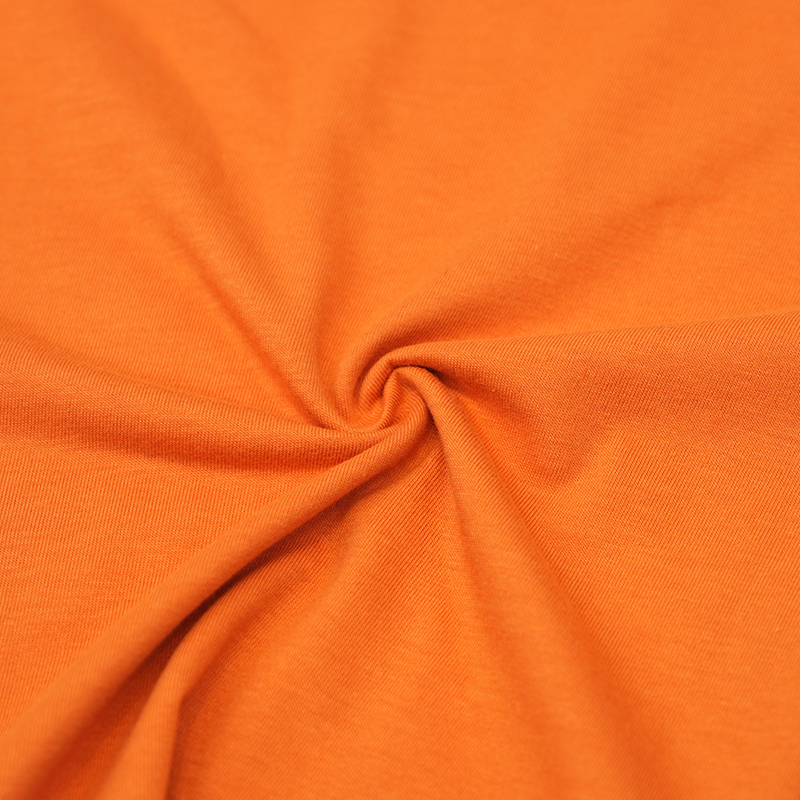
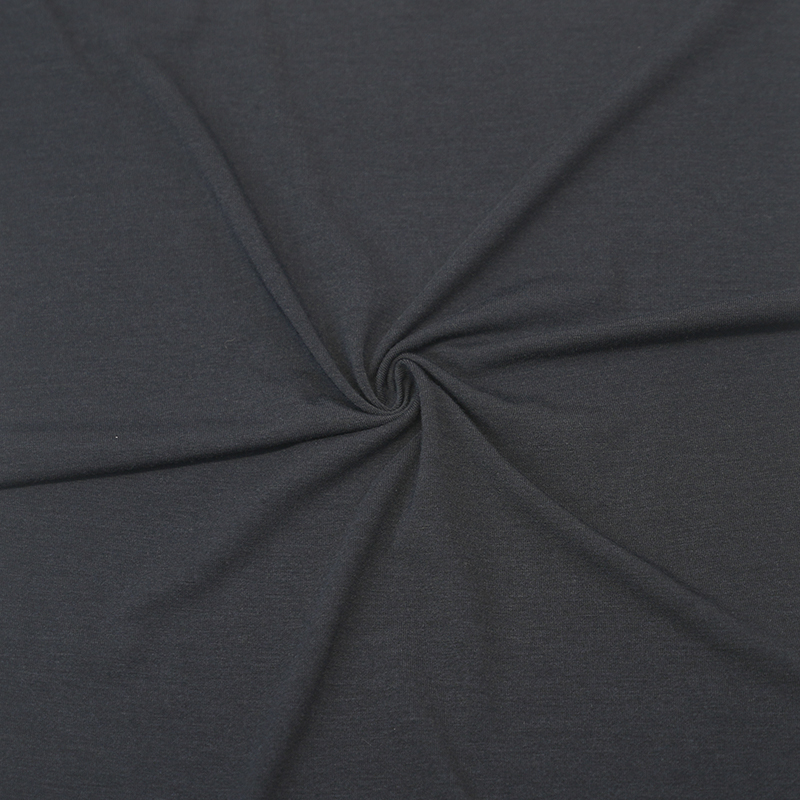
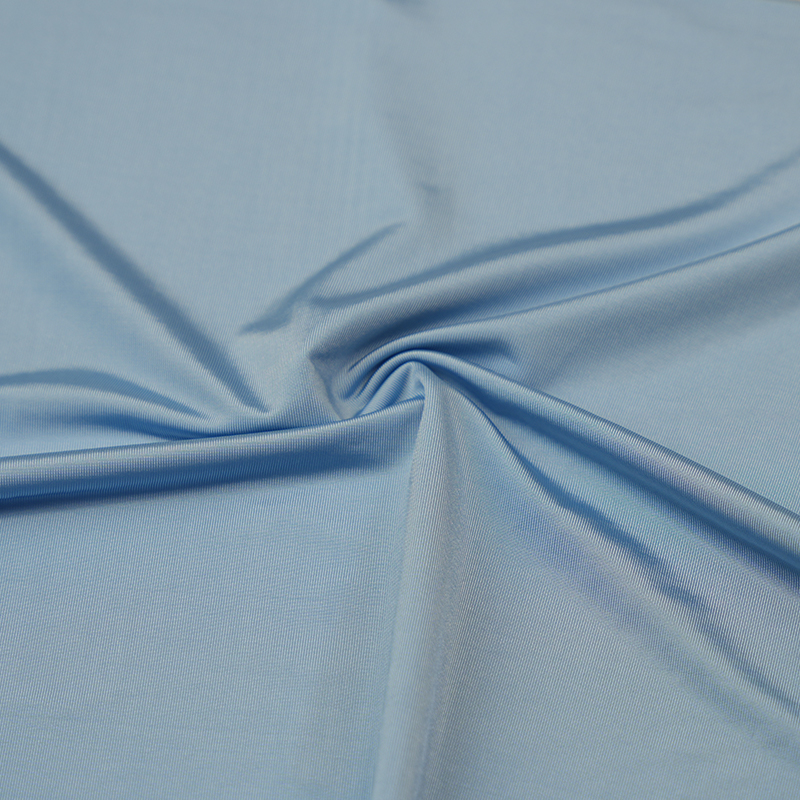
In a blend weighted toward bamboo viscose with a smaller share of linen, the viscose fiber does most of the work carrying even, consistent color through the dye bath, while the linen content still contributes its characteristic texture, breathability, and slightly cool hand feel. This kind of ratio is common where mills want linen's natural character in a jersey knit without the shade inconsistency that a higher linen content would introduce at scale.
This is also why blended linen jersey tends to hold color more consistently between production lots than a comparable 100 percent linen jersey, which matters considerably for brands running repeat orders that need to match previous shades.
How well a dyed linen or linen-blend jersey holds its color over time depends heavily on which dye class was used and how the fabric is cared for afterward. Reactive-dyed linen generally performs well through repeated washing because the dye is chemically bonded to the fiber rather than sitting on the surface. Naturally dyed linen, by contrast, tends to fade more visibly over time and is more sensitive to detergent choice and water temperature, which is part of why it is used more often for artisanal or small-batch products than for high-volume commercial lines.
For a brand or buyer sourcing linen jersey specifically, the fiber blend and dye process disclosed by a supplier matter as much as the final color shown on a swatch card. A few practical checks help avoid surprises once a color is produced at full production volume rather than on a small lab dip.
Founded in 2001, Nantong Tianhong Textile Technology Co., Ltd. is a specialized manufacturer of sustainable, high-performance natural fiber fabrics, integrating R&D, production, and global sales. Located in Nantong, one of China's key textile hubs, Tianhong benefits from a well-established industrial ecosystem that ensures efficient sourcing, streamlined manufacturing, and reliable delivery under strict quality control. Sustainability is central to Tianhong's operations, supported by certifications including FSC, OCS, and OEKO-TEX Standard 100, and a continued focus on innovation drives the development of advanced fabric solutions, including bamboo viscose and linen blends, for global partners.
Related Products
Contact Us for More Details
Don't hesitate to contact when you need us!
Contact Information
Add:
Room 806, Building D, Jingyang Plaza, Chongchuan District, Nantong City, Jiangsu Province, China
E-mail:
Product Category
QR Code
Join our community and stay connected
 English
 Español
 Tiếng Việt