Language

2026-08-07
Content
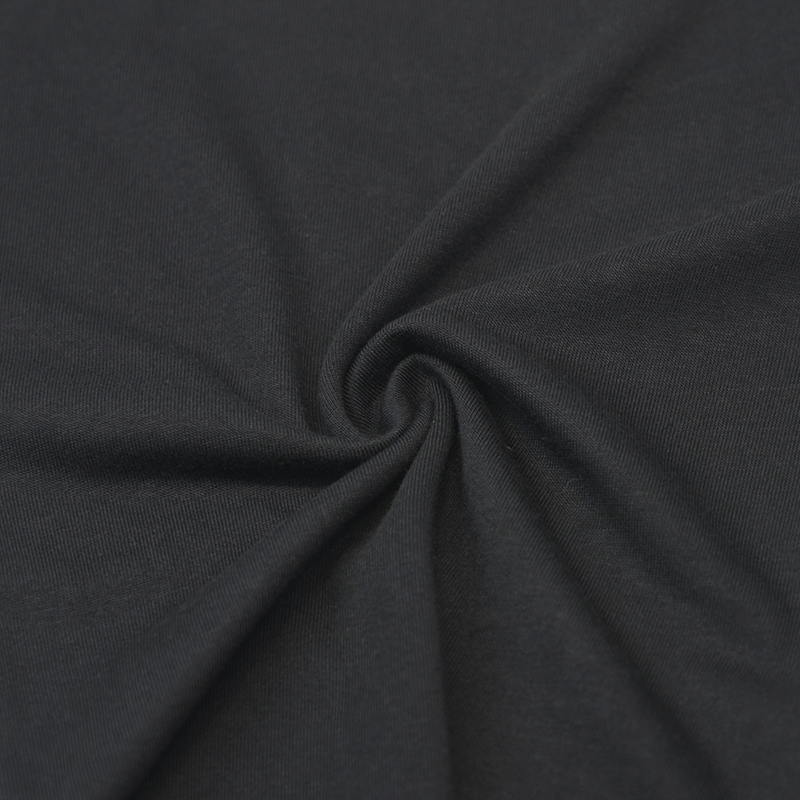
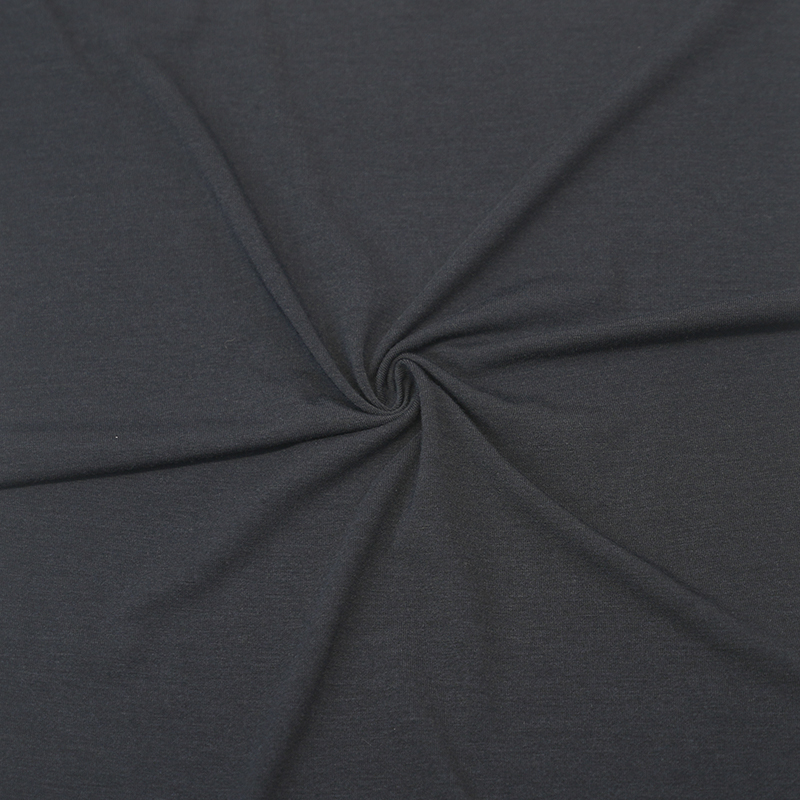
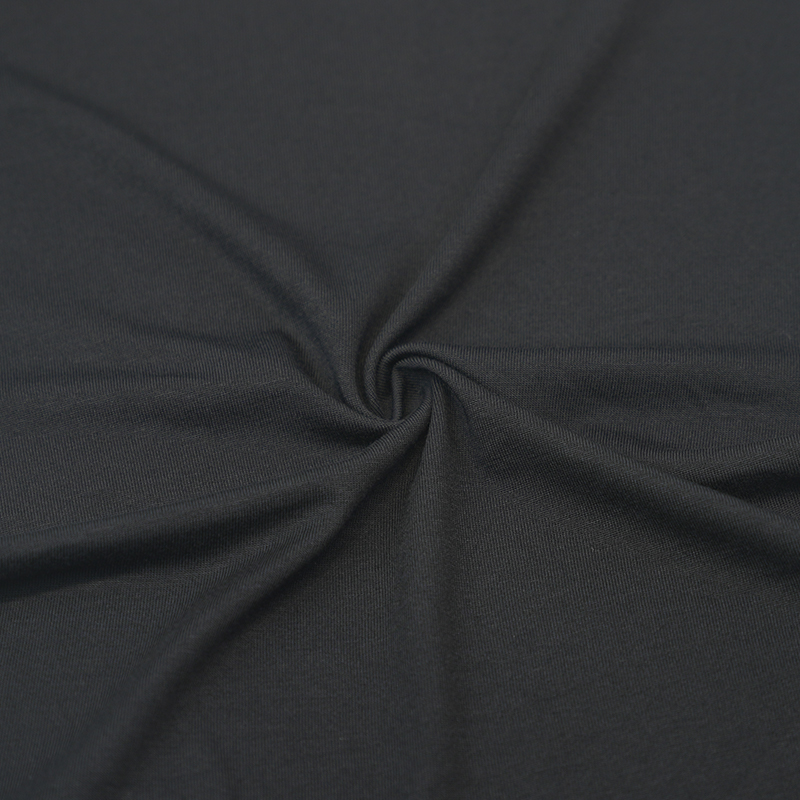
When you are sourcing knit fabrics for underwear, loungewear, or fitted tops, the conversation often comes down to a simple trade-off: you want the drape and comfort of a natural fiber, but you also need the stretch recovery and shape retention that only elastane can provide. Modal spandex jersey fabric has become a default answer for many product developers because it sits right in that sweet spot. But not all modal blends are created equal, and the difference between a fabric that performs and one that fails usually comes down to fiber quality, blend ratio, and knitting construction.
For buyers evaluating options, the immediate takeaway is this: a well-constructed modal spandex jersey offers superior softness, good breathability, and reliable stretch recovery, making it a strong candidate for next-to-skin garments. The practical question is not whether to use it, but how to specify it correctly so you do not end up with pilling, shrinkage, or a hand feel that misses your target.
Modal is a regenerated cellulose fiber, typically derived from beechwood. It is often grouped with other sustainable fibers like bamboo and lyocell because it comes from renewable resources and is manufactured through a closed-loop process in many modern facilities. What sets modal apart from standard viscose is its higher wet strength, which means it holds up better during washing and dyeing. When you blend that modal fiber with spandex, usually around 5% to 10% by weight, you get a jersey knit that stretches and snaps back.
The "jersey" part refers to the single-knit construction. In simple terms, it is a weft-knit fabric with a smooth face and a slightly textured reverse side. This structure gives the fabric natural elasticity even before spandex is added. The combination means the fabric moves with the body, which is why it is so common in fitted apparel categories.
Before you commit to a bulk order, there are specific performance metrics you should ask your supplier about. These are not abstract concepts; they are measurable properties that will determine whether your garment meets the expectations of your end customer.
A modal spandex jersey typically offers 20% to 30% stretch in the width direction, with slightly less in the length. Recovery refers to how quickly the fabric returns to its original dimensions after being stretched. Low-quality spandex or improper knitting tension can result in baggy elbows or sagging waistbands after a few washes. Ask for a recovery test report, especially if you are making fitted garments.
Shrinkage is one of the most common complaints with cotton-based knits, and modal blends are not immune. A good quality modal spandex jersey should have a shrinkage rate of under 5% after a standard home wash cycle. Some suppliers, especially those exporting to Western markets, will offer pre-shrunk fabric or finish the fabric to control shrinkage. This is a critical specification to confirm before production, not after.
Modal fibers are generally smoother and less prone to pilling than cotton, but the spandex content can change the surface behavior. If the fabric is brushed or heavily processed, the surface can develop fuzz that leads to pilling. For loungewear and underwear, look for a fabric that has been tested to a standard like Martindale or ICI pilling test with a rating of 3.5 or higher out of 5.
| Performance Metric | Target Range | Why It Matters |
| Fiber composition | 90-95% modal, 5-10% spandex | Higher spandex improves recovery but can reduce breathability |
| Fabric weight | 150-220 gsm | Lighter for underwear, heavier for loungewear and dresses |
| Shrinkage (after home wash) | Under 5% in both directions | Prevents size distortion in finished garments |
| Stretch (width direction) | 20-30% | Ensures comfort in fitted silhouettes |
| Pilling rating | 3.5 or higher (out of 5) | Maintains surface appearance over time |
Modal spandex jersey is not a one-size-fits-all material. Its performance profile makes it particularly well-suited for certain garment categories, and knowing which ones will save you from specifying the wrong fabric for your product line.
For briefs and underwear, the priority is softness, breathability, and the ability to hold shape through repeated washing. A modal spandex jersey with a matte finish and a smooth surface is often specified here because it feels gentle against the skin and does not trap heat. Many suppliers offer fabric with an antibacterial finish for this end-use, although the base modal fiber itself is naturally smooth and less likely to cause irritation.
Loungewear requires a balance between drapability and structure. A slightly heavier modal spandex jersey, around 180 to 220 gsm, works well for joggers and long-sleeve tops because it skims the body without clinging too tightly. The fabric's natural breathability also makes it comfortable for transitional weather.
For fitted tops and dresses, stretch recovery becomes the most important property. You want a fabric that hugs the body but does not lose its shape at the elbows or knees. A higher spandex content at around 7% to 10% will offer more robust recovery, but it can also make the fabric feel denser. Test samples against your actual garment pattern before choosing the composition.
When you are evaluating a potential supplier for modal spandex jersey, the conversation should go beyond price and lead time. Here are the practical questions that separate a reliable partner from a transactional one.
If you are looking for a reliable starting point, mills that work with a range of sustainable fibers, including bamboo, organic cotton, and recycled polyester, often have a better understanding of how to handle modal blends. A manufacturer with a broad portfolio is more likely to give you honest guidance on what will work for your specific application.
Modal spandex jersey is often compared to bamboo spandex jersey and cotton spandex jersey. Each of these fabrics has a different profile, and the right choice depends on your product positioning.
| Fabric Type | Hand Feel | Drape | Durability | Best For |
| Modal spandex jersey | Soft, smooth, slightly cool | Excellent, flows well | Good pill resistance | Underwear, loungewear, fitted tops |
| Bamboo spandex jersey | Very soft, silky | Excellent | Slightly lower wet strength than modal | T-shirts, underwear, lightweight dresses |
| Cotton spandex jersey | Familiar, natural, breathable | Moderate | Requires careful finishing for shrinkage | Everyday t-shirts, casual wear |
One significant advantage of modal over bamboo is its consistency in manufacturing. While bamboo fiber has its own environmental narrative, modal's closed-loop production and high wet strength often make it a more predictable fabric for large-scale production. If your brand in Indonesia or the Philippines is targeting a premium loungewear line, the hand feel of modal spandex jersey will likely read as more refined than a standard cotton jersey.
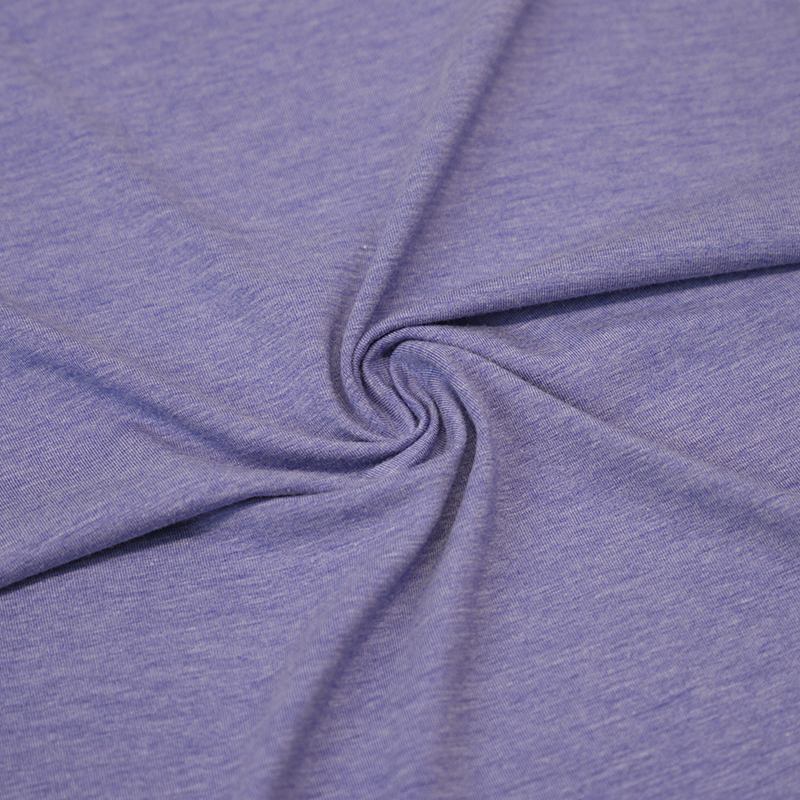
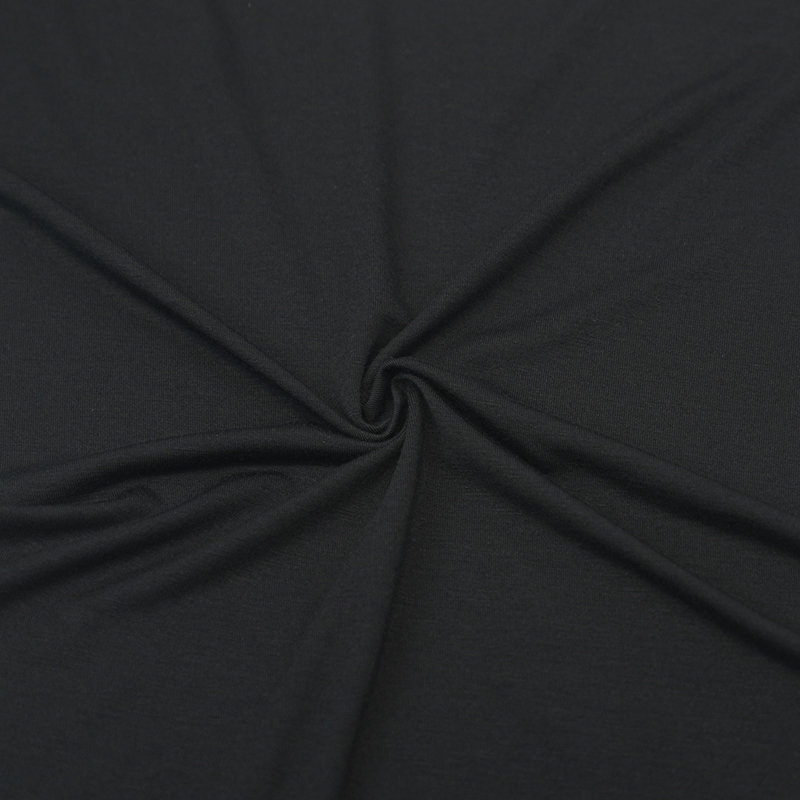
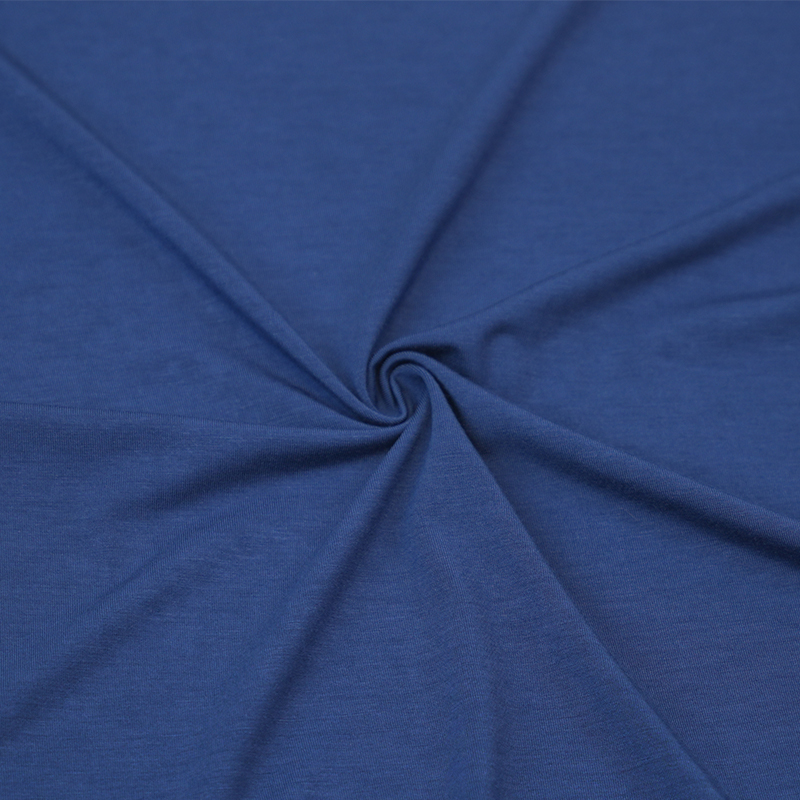
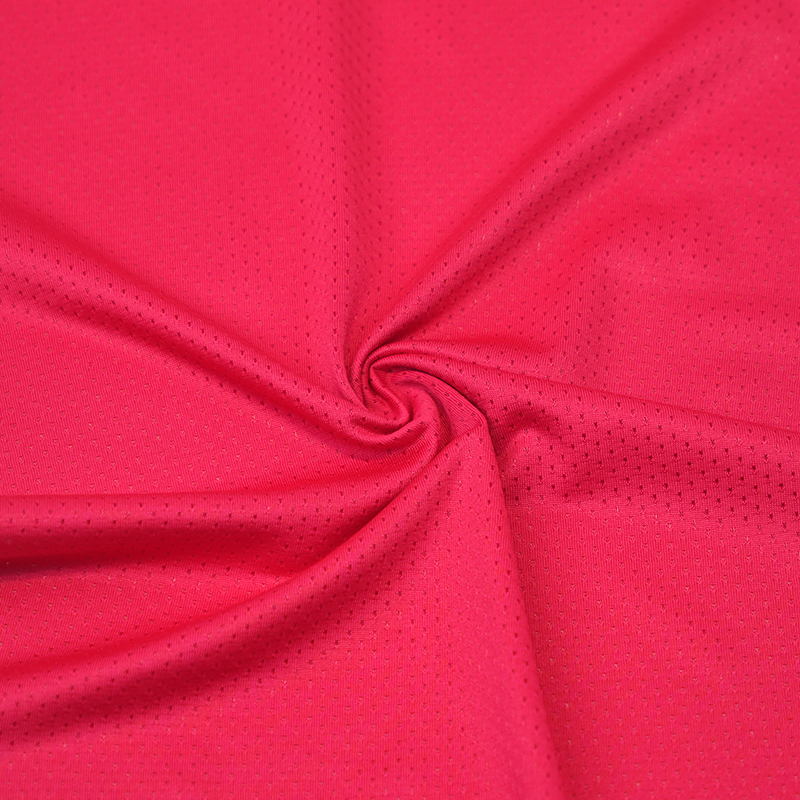
Even with the right fiber composition, the final quality of a modal spandex jersey depends heavily on the knitting and finishing processes. Here are the visual and tactile markers you should check when reviewing physical samples.
If you are new to sourcing modal spandex jersey, the risk is not in the fiber choice but in the specification details. A small mistake in the blend ratio or the finishing process can lead to a garment that fails in the market. Here are three practical steps to de-risk your first order.
Write down the garment type, the target weight, and the required stretch and shrinkage limits before you contact a supplier. This saves time and prevents miscommunication. If you are producing underwear, state the required softness and the washing regime.
Do not settle for a single sample. Ask for a 95/5 blend and a 92/8 blend, and test both against your garment patterns. The hand feel and recovery will be noticeably different, and one may work better for your specific cut.
Agree on the acceptable shrinkage percentage, pilling rating, and shade tolerance before placing the order. Confirm whether the supplier will provide a pre-shipment inspection report or if a third-party inspection is acceptable. This clarity protects both parties.
Modal spandex jersey is a versatile and reliable choice for a wide range of next-to-skin and fitted garments. Its main advantages, softness, drape, and recovery, address the core needs of modern apparel production. The material is particularly strong for underwear, loungewear, and fitted tops where comfort and shape retention are non-negotiable.
When you source this fabric, prioritize suppliers who can demonstrate traceability, offer transparent test data, and communicate openly about production limitations. A reputable mill, such as the ones you will find in established textile hubs like Nantong in China, will have the experience to guide you toward the right specification. By focusing on the measurable performance characteristics rather than just the hand feel, you will make a sourcing decision that holds up through production and in the final retail environment.
If you are evaluating options, explore the modal spandex jersey fabric for underwear and briefs to see an example of how this material is specified for intimate apparel. For a broader view of what a dedicated sustainable fabric manufacturer can offer, consider reviewing their modal fabric collection to understand the range of weights, finishes, and blend options available.
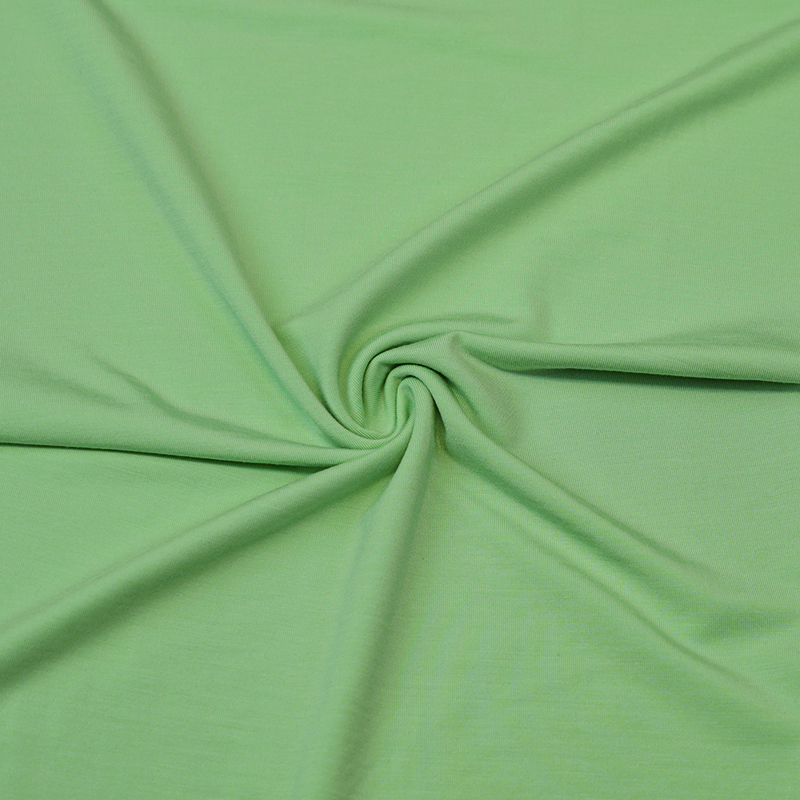 Custom Modal spandex jersey fabric Suppliers, OEM/ODM Company - Nantong TianhongNantong Tianhong Textile Technology Co., Ltd is China custom Modal spandex jersey fabric suppliers and OEM/ODM company, MODAL ECO-Friendly...View Product →
Nantong Tianhong Textile Technology Co., Ltd. (BAMSILK) is a specialized manufacturer of sustainable, high-performance natural fiber fabrics, integrating R&D, production, and global sales.
Located in Nantong, one of China's key textile hubs, we benefit from a well-established industrial ecosystem that ensures efficient sourcing, streamlined manufacturing, and reliable delivery, all under strict quality control.
With a strong focus on innovation, we continuously develop advanced fabric solutions to meet evolving market needs, delivering consistent quality and long-term value to global partners.
Related Products
Contact Us for More Details
Don't hesitate to contact when you need us!
Contact Information
Add:
Room 806, Building D, Jingyang Plaza, Chongchuan District, Nantong City, Jiangsu Province, China
E-mail:
Product Category
QR Code
Join our community and stay connected
 English
 Español
 Tiếng Việt