Language

2026-09-18
Content
A sourcing manager evaluating underwear fabric for a new briefs line faces a different set of trade-offs than a brand developing athletic boxer briefs. The first might prioritise softness and everyday comfort; the second needs moisture transport and shape retention under repeated movement. Yet both decisions rest on the same criteria: fiber, knit structure, and weight.
This guide explains what to evaluate when sourcing underwear fabric, compares the main fiber options, and provides practical specifications for sampling and bulk orders. It is written for product developers and buying teams, with reference to fabrics produced at Nantong Tianhong Textile Technology Co., Ltd. (BAMSILK™), whose briefs and underwear fabric range covers several of the materials discussed below.
Underwear is worn directly against the skin for long hours, moves with the body, and is washed more often than most garments. That combination creates a specific set of performance requirements.
These properties interact. A highly breathable mesh with poor moisture management can still feel clammy, and a very soft jersey that loses its shape after ten washes will not satisfy consumers. The best approach is to define the priority order for each garment type before selecting fibers.
| Property | What to Check | Why It Matters |
|---|---|---|
| Breathability | Air permeability data | Prevents heat and moisture buildup |
| Moisture management | Wicking time, drying rate | Keeps skin dry during wear and after washing |
| Softness | Hand feel, fiber fineness | Reduces chafing and irritation |
| Stretch and recovery | Elongation and recovery percentage | Maintains fit and shape |
| Durability | Pilling rating, tensile strength | Survives repeated washing and wear |
| Skin safety | OEKO-TEX, OCS certificates | Ensures no harmful substances |
Cotton is the most familiar underwear fiber. It is soft, breathable, and absorbs moisture well, which makes it comfortable under normal conditions. Its weakness is slow drying: conventional cotton holds water and can feel wet against the skin during physical activity. Organic cotton is grown without synthetic pesticides or fertilisers and can be certified through the Organic Content Standard (OCS). For underwear that needs natural comfort with better moisture movement, cotton is often knitted with a small percentage of spandex or blended with cellulosic fibers such as bamboo viscose and lyocell.
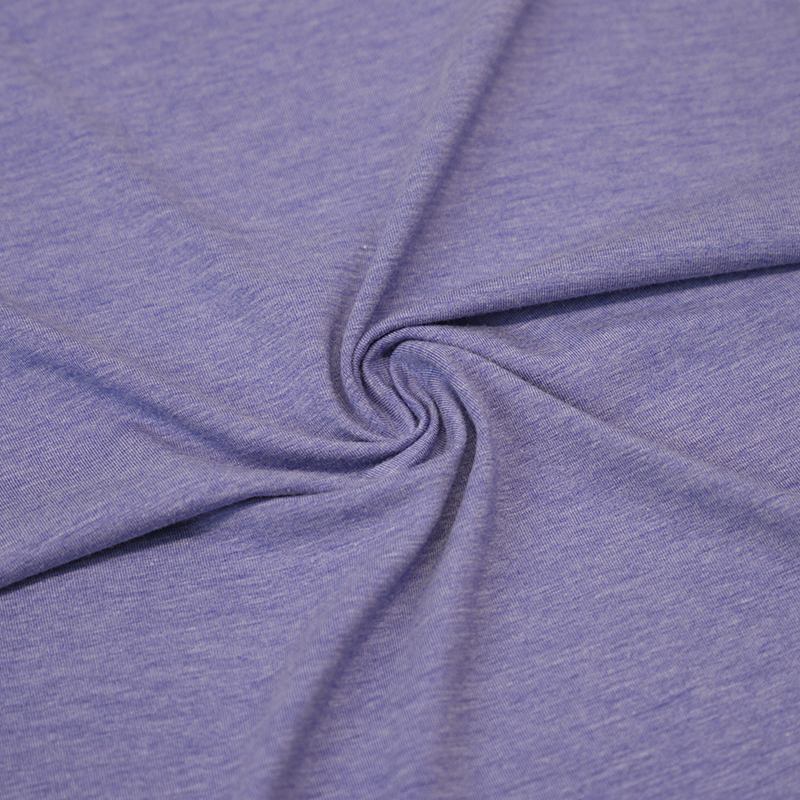
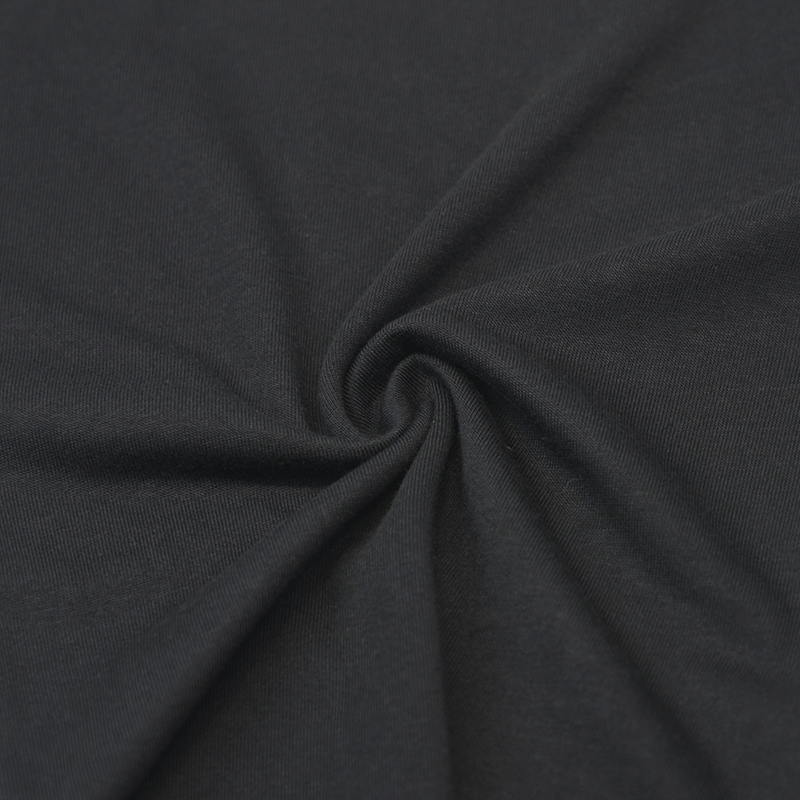 Bamboo Viscose and Organic Cotton Jersey Fabric for UnderwearThis blended jersey combines bamboo viscose with organic cotton for a soft, breathable hand feel. Its 200gsm weight adds substance, while the coarser 18S yarn enhances texture and durability, making it a versatile choice for natural-fiber underwear.View Product →
Modal and lyocell are cellulosic fibers made from wood pulp using closed-loop production processes. Both are noticeably softer than cotton and drape well. Lyocell, in particular, transports moisture effectively and is increasingly specified for next-to-skin garments. These fibers are usually combined with spandex to provide the stretch that fitted underwear requires.
Bamboo viscose is produced by dissolving bamboo pulp through a chemical process, so it is not classified as a natural fiber in the strict sense, even though the raw material is renewable. The finished fabric is soft, smooth, and breathable, which makes it well suited to underwear. When the bamboo comes from organically managed plantations, the material is described as viscose derived from organically grown bamboo and can carry certification to that effect.
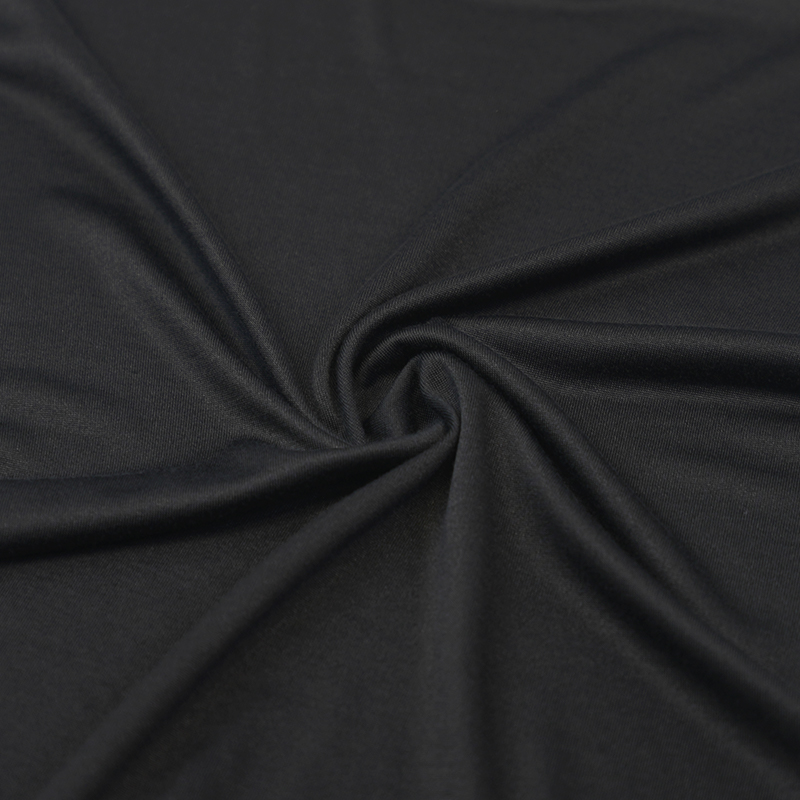
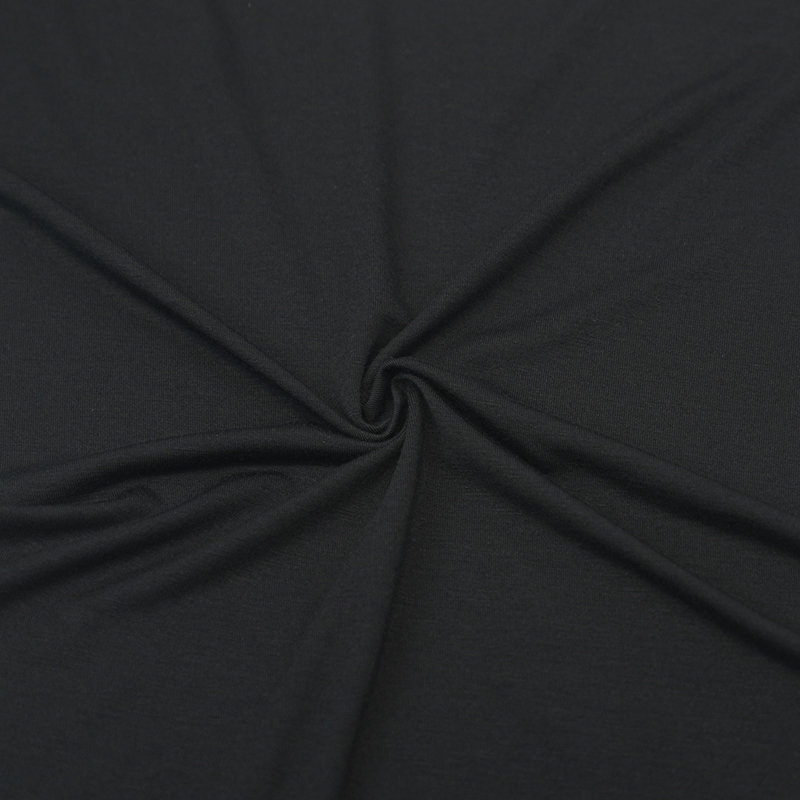 Organic Bamboo Spandex Jersey Fabric with Dope Dyeing OptionA lighter 190gsm organic bamboo and spandex jersey offering a fine, elegant texture. Optional dope dyeing reduces water, dye, and CO2 emissions significantly, supporting sustainability goals for brands seeking certified FSC materials.View Product →
Recycled polyester and recycled nylon are made from post-industrial or post-consumer waste. They offer strength, quick drying, and good shape retention, which makes them practical for sports underwear and high-frequency wear. Recycled nylon in an interlock construction provides a smooth, dense hand feel that brands often choose for premium fitted briefs. The environmental benefit depends on the recycling process and supply chain transparency, so request certification and traceability documentation when evaluating these materials.
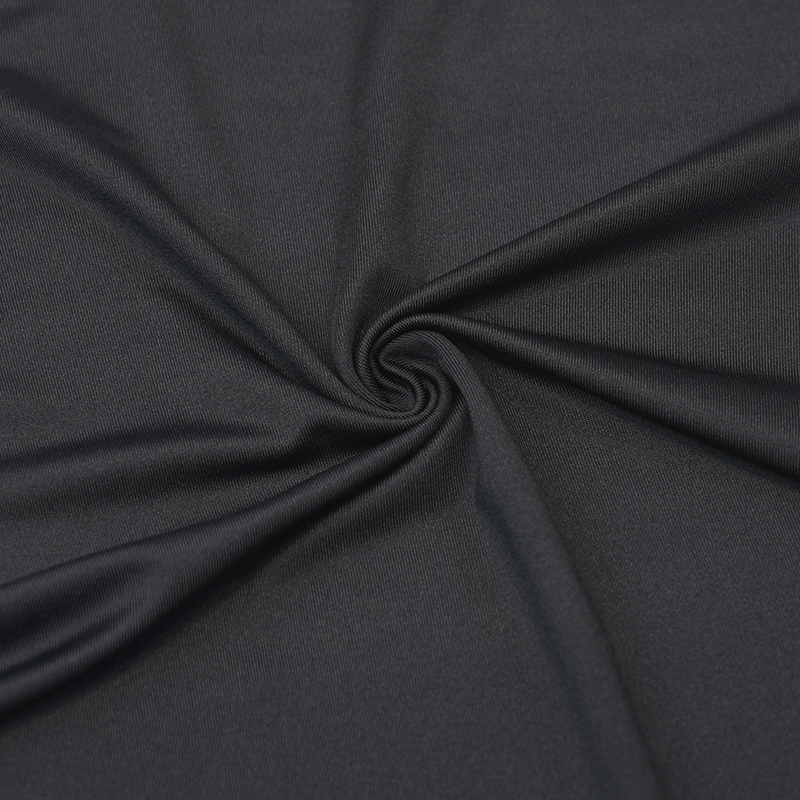
 Recycled Polyester Spandex Jersey Fabric for Active UnderwearConstructed from recycled polyester and spandex, this jersey delivers strength, quick drying, and reliable shape retention. Its stretch and recovery suit sports underwear and frequent wear, with sustainability benefits that depend on transparent recycling practices.View Product →
Most knitted underwear fabrics contain between 5% and 15% spandex. The spandex percentage controls how much the fabric stretches and how well it recovers. Higher percentages produce a firmer, more body-hugging fit; lower percentages suit looser lounge styles. Always confirm the exact blend ratio with your supplier, because the same fiber composition with different spandex content can change the garment's fit significantly.
| Fiber | Softness | Moisture Management | Durability | Typical Use |
|---|---|---|---|---|
| Cotton | Good | Moderate; absorbent but slow drying | Good | Everyday briefs and boxers |
| Modal | Very good | Good | Good | Soft everyday underwear |
| Lyocell | Very good | Good | Good | Premium next-to-skin garments |
| Bamboo viscose | Very good | Good | Good | Comfort-focused underwear |
| Recycled polyester | Moderate | Very good | Very good | Sports underwear |
| Recycled nylon | Good | Very good | Very good | Fitted briefs, active styles |
The knit structure determines how a fabric stretches, drapes, and breathes, even when the fiber content is identical. Four structures dominate underwear production.
| Structure | Stretch | Breathability | Thickness | Best Use |
|---|---|---|---|---|
| Jersey | Good | Moderate | Thin | Everyday briefs, low-cost basics |
| Rib | High vertical stretch | Moderate | Medium | Fitted briefs, bands, cuffs |
| Interlock | Moderate | Moderate | Thicker | Premium fitted underwear |
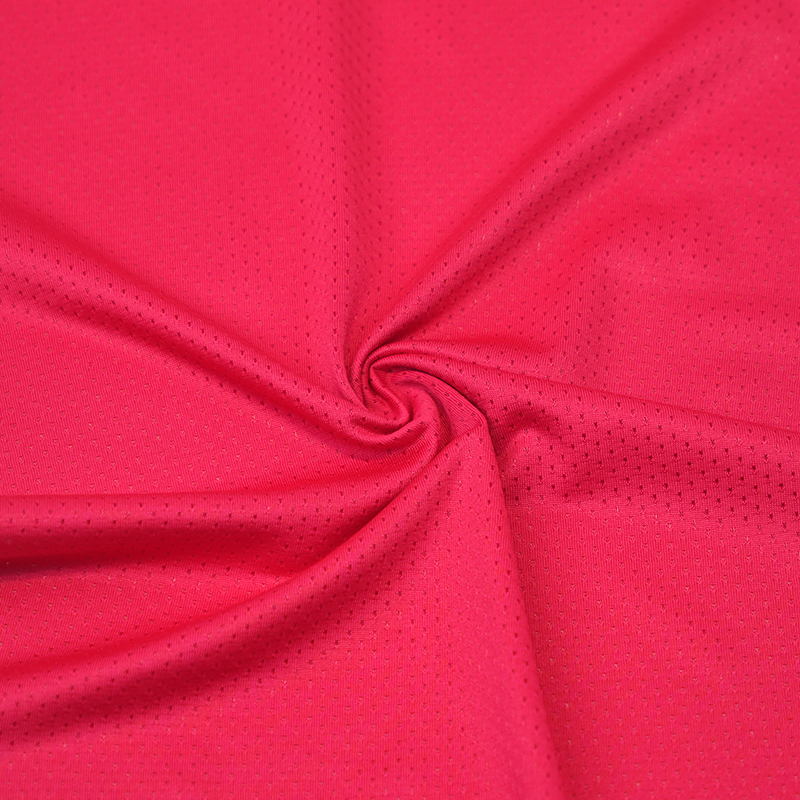
| Mesh | Moderate | Excellent | Thin | Sports underwear, hot climates |
GSM (grams per square meter) is the standard measure of fabric weight. Underwear fabric typically falls between 120 and 250 GSM.
When specifying GSM, remember that stretch changes the perception of weight. A 170 GSM jersey with 12% spandex can feel denser than a 170 GSM interlock with lower stretch. Always assess weight together with stretch and hand feel, not as an isolated number.
Sustainability claims need independent verification. In fabric sourcing, the most reliable evidence comes from recognised certifications and traceable supply chains.
A sustainable underwear program is rarely built on one fiber. A portfolio that includes organically grown cotton, viscose derived from organically grown bamboo, recycled polyester, and recycled nylon gives brands flexibility across price points and performance levels. What matters is that each material is certified and traceable. For a more detailed treatment of selection criteria, see our guide to underwear fabric types and properties.
Before committing to a bulk order, verify the following points with your fabric supplier.
No single underwear fabric wins on every criterion. Cotton offers familiarity and breathability; modal and lyocell add softness; bamboo viscose provides a smooth hand feel; recycled synthetics bring durability and quick drying. The brands that source well are those that set priorities, test against real wearing conditions, and work with manufacturers who can reproduce the specification at scale. Start with the fiber, match it with the right structure, and confirm everything with samples and data.
Related Products
Contact Us for More Details
Don't hesitate to contact when you need us!
Contact Information
Add:
Room 806, Building D, Jingyang Plaza, Chongchuan District, Nantong City, Jiangsu Province, China
E-mail:
Product Category
QR Code
Join our community and stay connected
 English
 Español
 Tiếng Việt