Language

2026-09-25
Content
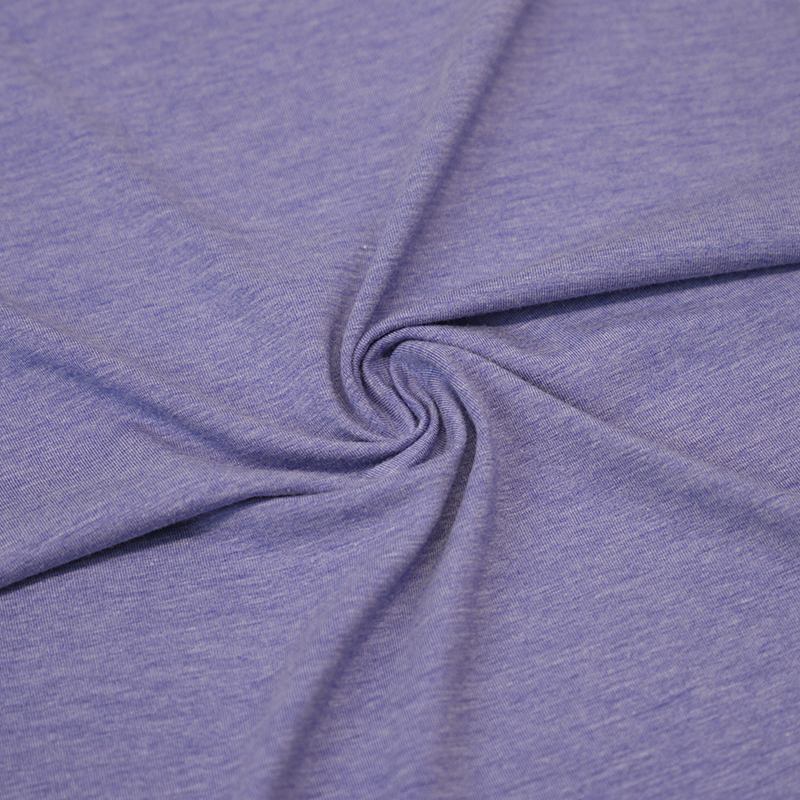
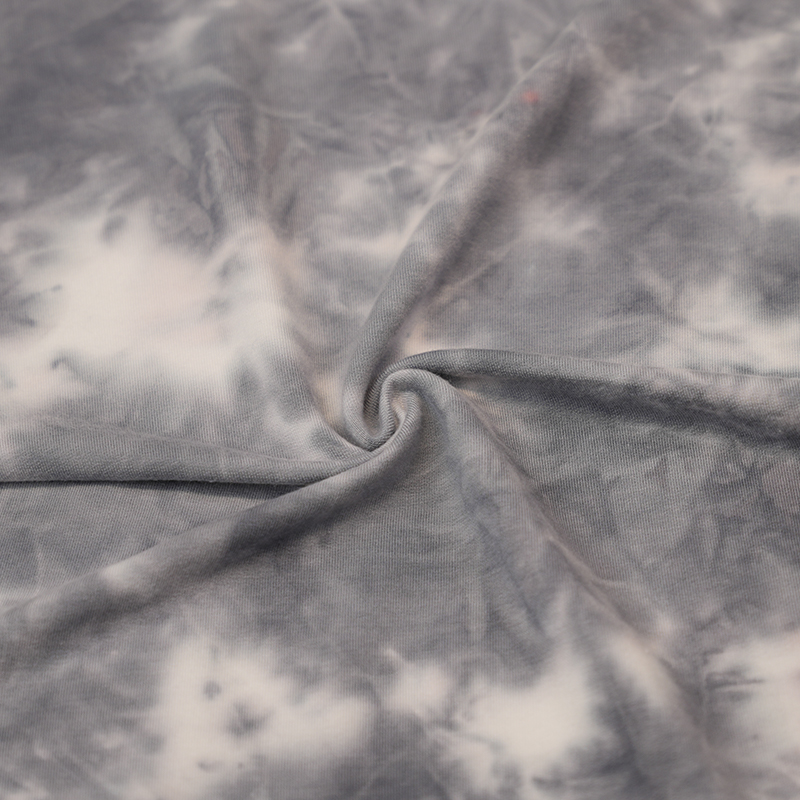
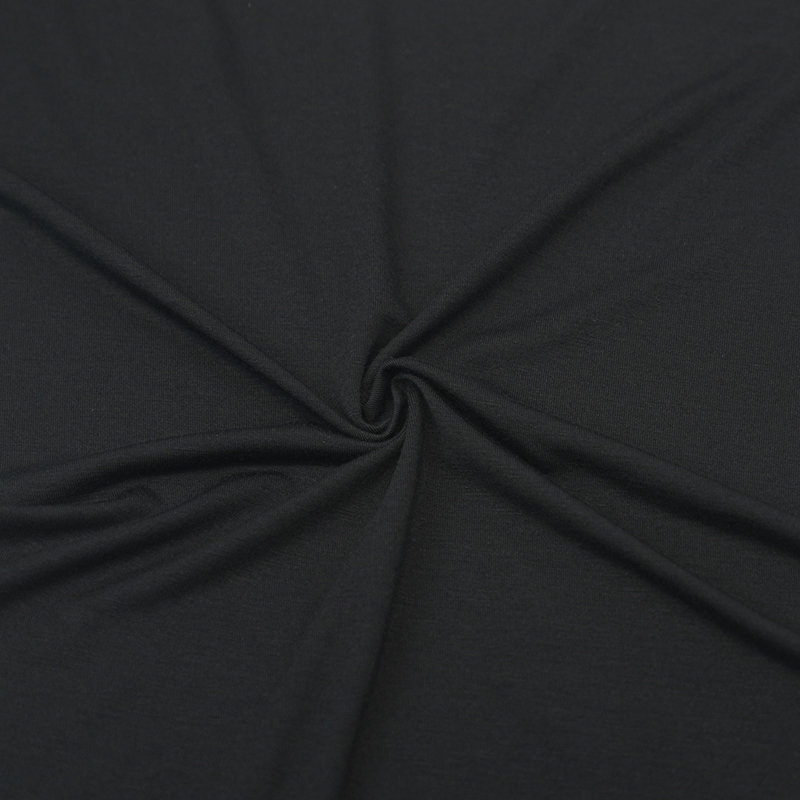
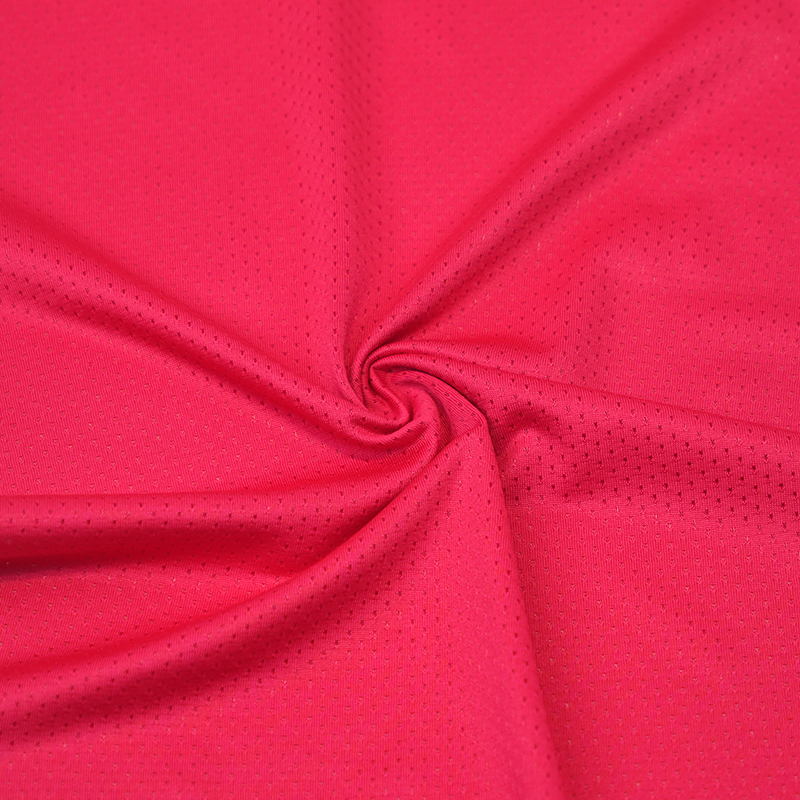
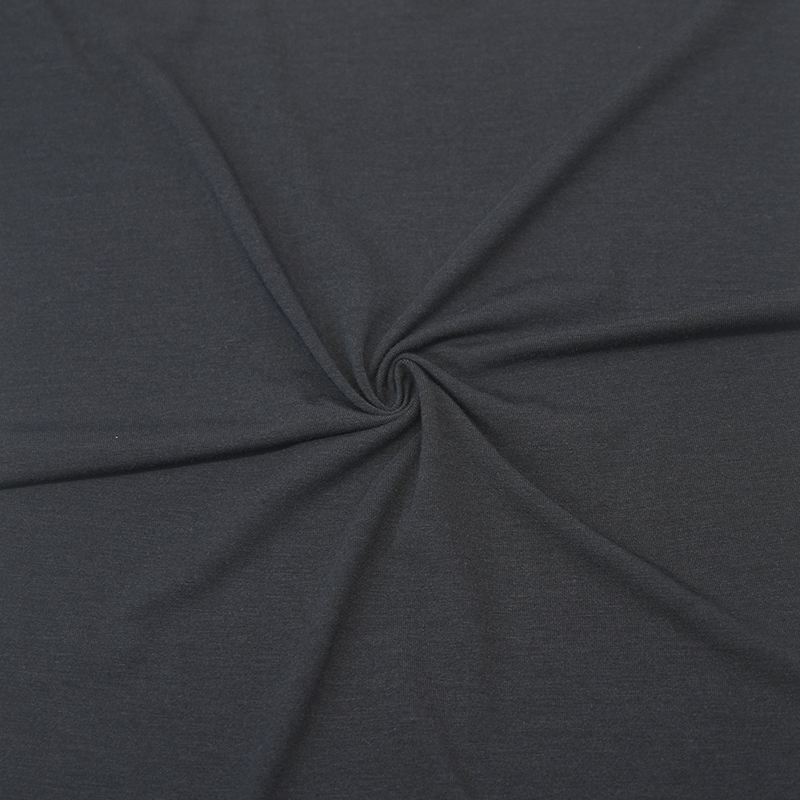
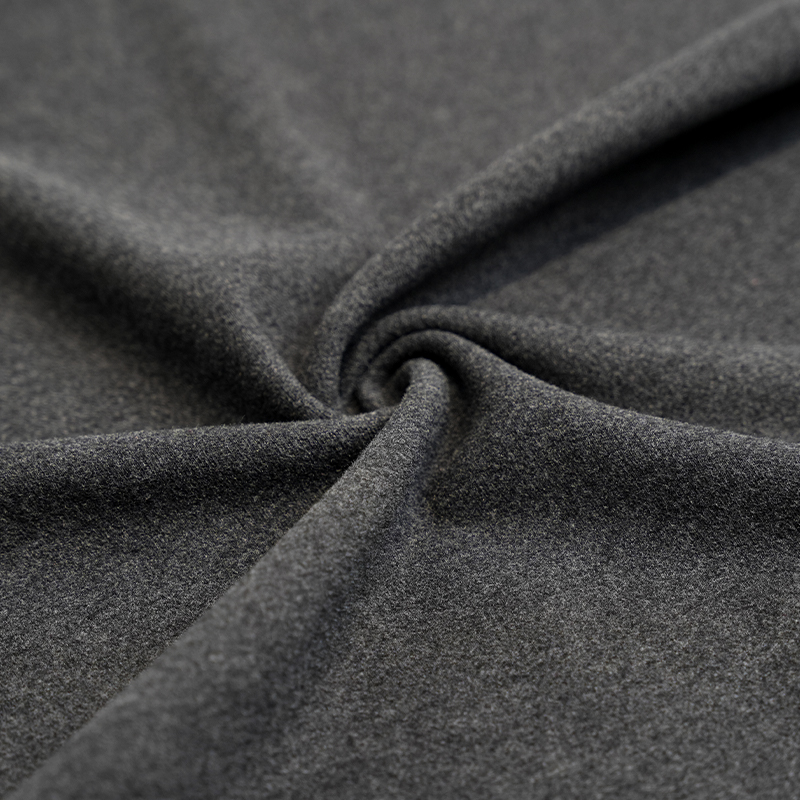
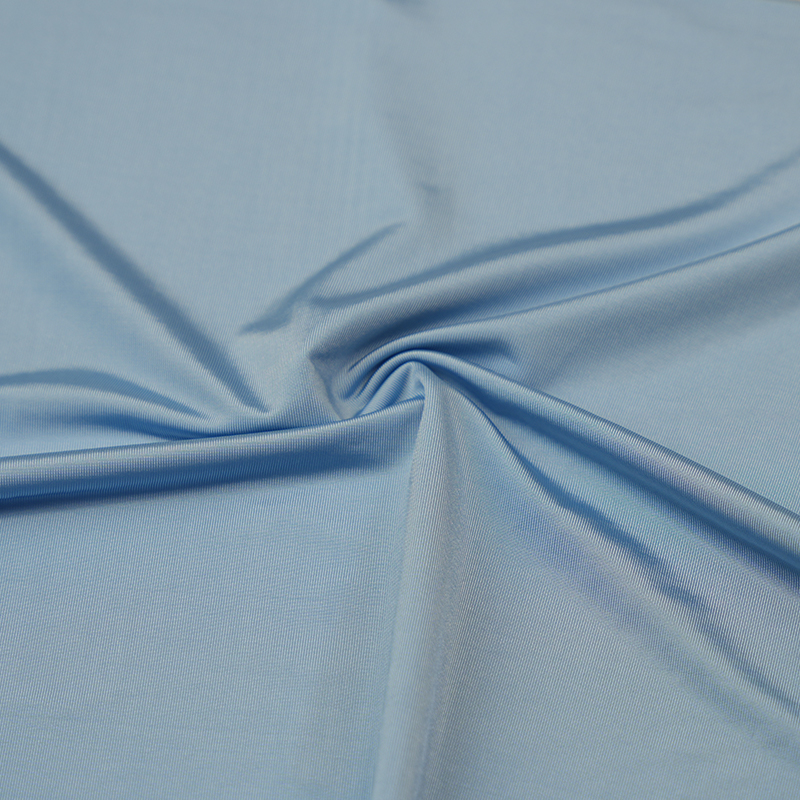
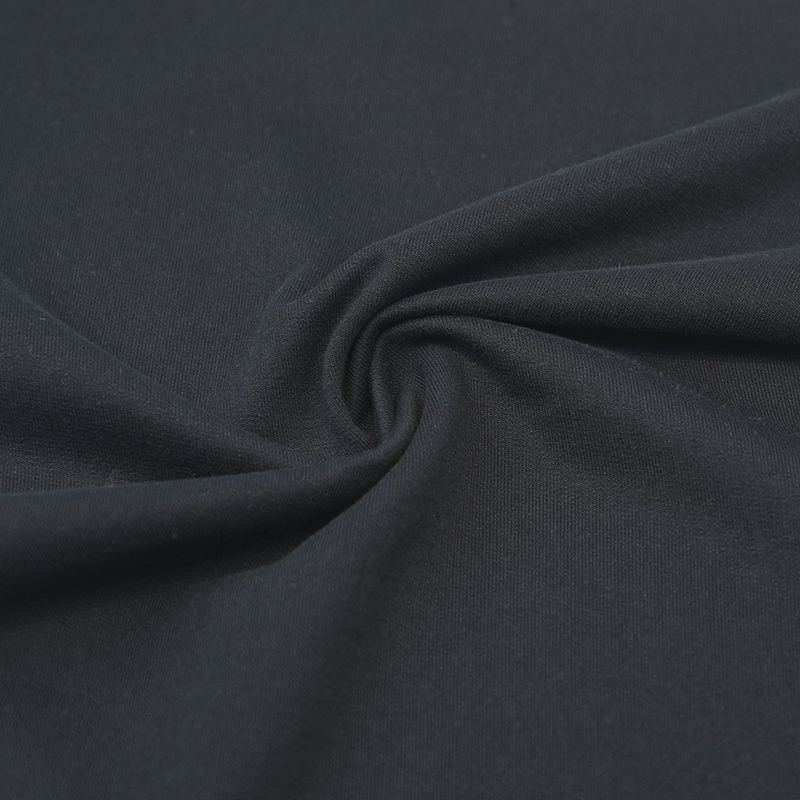
Knit stretch jersey fabric is a weft-knit cloth, most often single jersey, produced with roughly 3 to 8 percent elastane so it moves with the body and recovers instead of bagging out. The looped knit structure already provides crosswise give; the spandex turns that give into controlled, repeatable stretch with enough recovery to keep collars flat, waistbands snug and hems level through repeated washing. That combination is why it has largely displaced rigid knits in T-shirts, underwear, dresses and loungewear.
For buyers, though, the label covers a wide range of cloths that behave very differently on the cutting table and in the wash. The sections below explain how the stretch is engineered, how fiber choice changes hand feel and performance, which specifications to confirm before booking production, and how different constructions map to specific end uses.
Single jersey is a weft knit of interlocking loops: courses run across the width, wales run along the length, and because each loop can distort under load, the fabric stretches even without any elastic fiber. Add elastane, typically as a fine core-spun yarn covered by the main fiber, and the cloth gains controlled elongation plus the recovery that rigid jersey lacks.
Most single-knit stretch jersey still stretches further across the width than along it, with lengthwise give depending mainly on elastane content and finishing. If a style needs balanced two-way performance, ask the mill to confirm elongation and recovery values in both directions instead of assuming them. Interlock, by comparison, is a denser double knit: heavier, more stable and less stretchy, which suits polos and structured tops. For a practical comparison, see this guide to jersey, interlock and fleece in bamboo viscose constructions.
The ranges below summarize how elastane content translates into garment behavior.
| Elastane share | What it delivers | Typical applications |
|---|---|---|
| 0% | Loop stretch only, minimal recovery | Fashion jerseys where shape loss is acceptable |
| 3-5% | Comfort stretch, stable collars and side seams | T-shirts, dresses, sleepwear |
| 5-8% | Close fit with firm recovery | Underwear, leggings, fitted tops |
| 10% and above | Compression-level hold | Shapewear and support layers |
Elastane sets the stretch; the other fibers set the character. The same 5 percent spandex content feels entirely different in a cotton jersey than in a bamboo viscose jersey, so treat fiber selection as a comfort and performance decision rather than an afterthought.
| Blend | Hand and drape | Best suited to | Points to watch |
|---|---|---|---|
| Cotton + elastane | Matte, soft, breathable | Everyday tees, briefs, babywear | Shrinkage; heavier when wet |
| Bamboo viscose + elastane | Silky hand, fluid drape | Underwear, loungewear, dresses | Needs a gentle cycle and planned shrinkage allowances |
| Modal or lyocell + elastane | Smooth, high drape, deep color | Premium tees, dresses | Higher cost; verify pilling grade |
| Recycled polyester + elastane | Dry touch, quick drying, stable | Activewear, sports tees | Heat sensitivity when pressing |
| Nylon + elastane | Sleek, strong, high recovery | Leggings, fitted layers | Static buildup in dry climates |
Two notes from the production floor: cellulosic blends such as bamboo viscose, modal and lyocell drape best but need gentle laundering and planned shrinkage allowances, and for certified supply you should request viscose derived from organically grown bamboo backed by OCS paperwork, plus OEKO-TEX Standard 100 coverage on the finished roll whichever blend you choose.
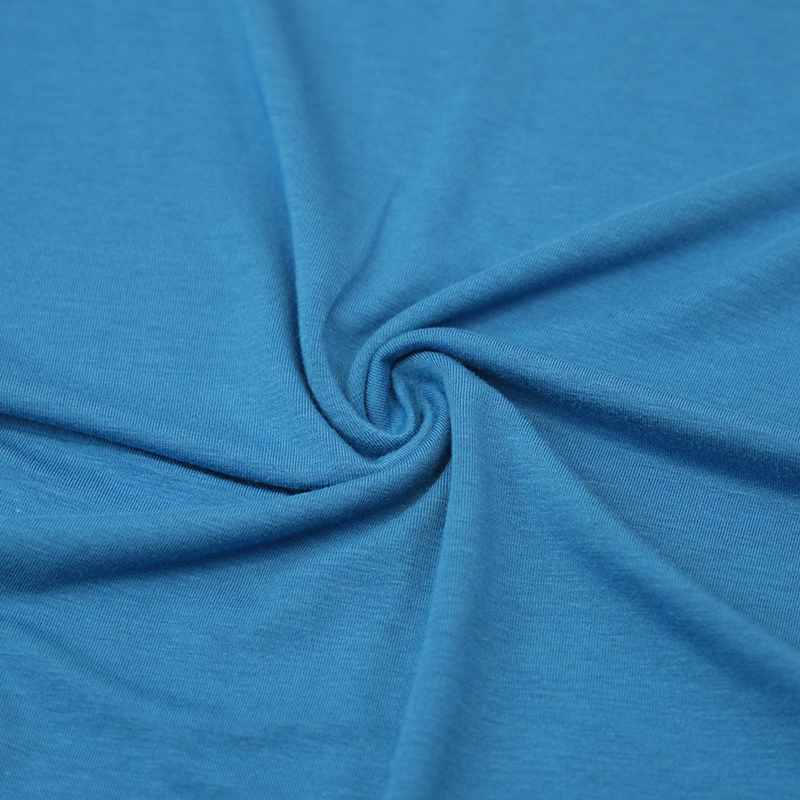 Organic Bamboo/Cotton Stretch Jersey FabricKnitted with 20D spandex for a smoother, softer hand, this organic bamboo/cotton jersey suits t-shirt programs seeking certified viscose supply. Worth checking before production, since cellulosic blends drape well but need gentle laundering and shrinkage allowances.View Product →
Stretch jersey hides its weaknesses until late in the garment process, so run these five checks on swatches before booking production.
End use narrows the specification faster than any chart. These starting points cover the applications where stretch jersey is used most.
160 to 200 gsm cotton or bamboo viscose with 4 to 5 percent elastane holds its shape and stays breathable through daily wear.
Fine-gauge, soft jersey at 140 to 180 gsm with 5 to 8 percent elastane keeps leg openings and waistbands in place.
Fluid modal, lyocell or bamboo viscose blends from 140 to 180 gsm give drape with movement and a smooth surface for prints.
Recycled polyester or nylon with spandex manages moisture and keeps its shape under repeated wear and washing.
Heavier jersey around 200 to 240 gsm gives relaxed pieces body without losing softness.
Two current constructions show how these ranges come together:
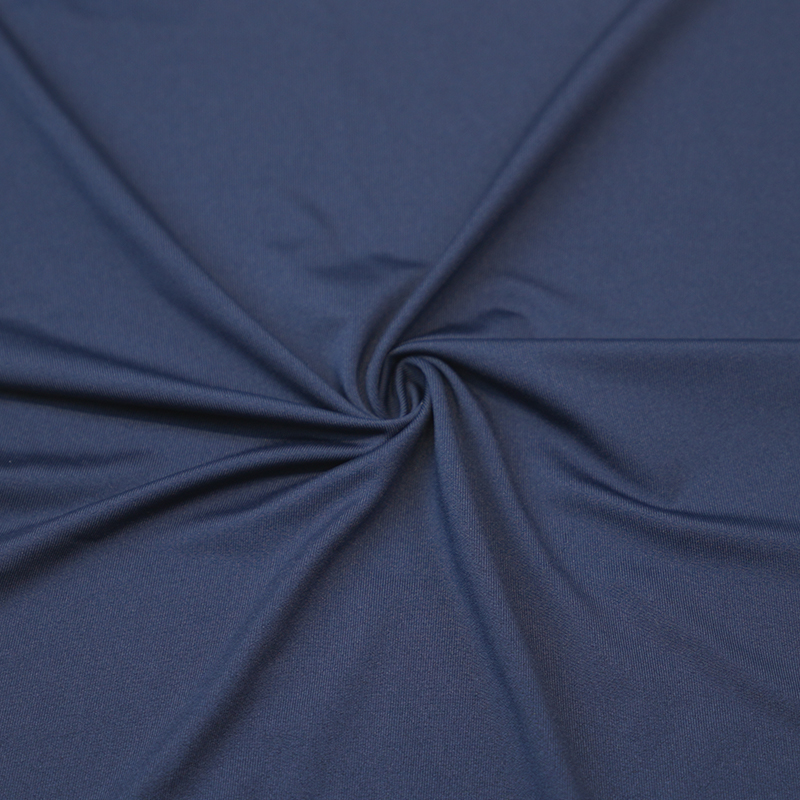 Recycled Polyester Spandex Jersey T-Shirt FabricThis recycled polyester spandex jersey shows how the mill's certified ranges come together, offering a durable tee fabric option when supply chain traceability and recycled synthetic content matter as much as the spec sheet.View Product →
 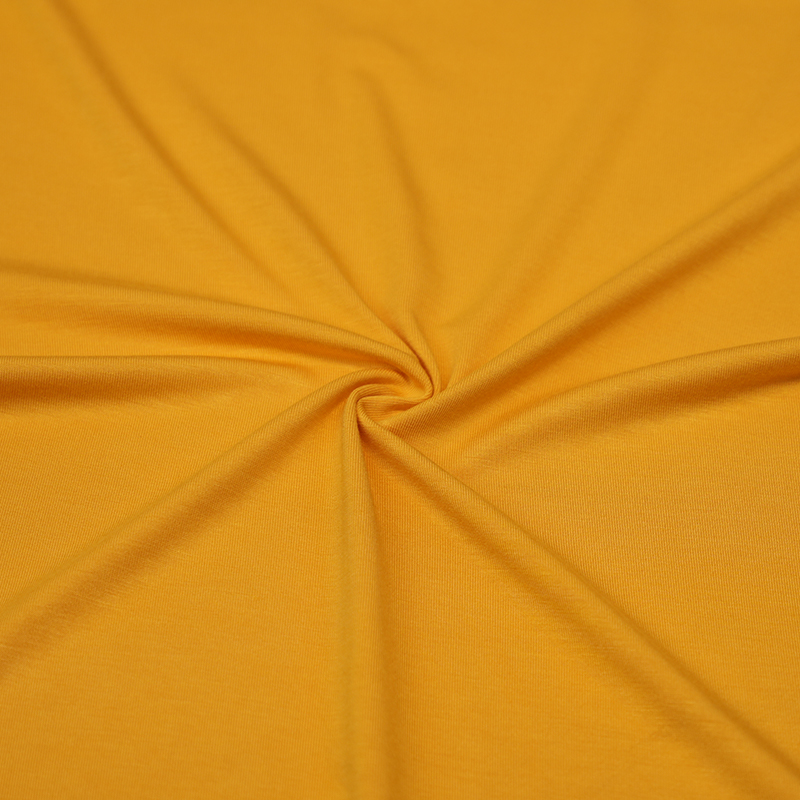 Organic Bamboo/Spandex Jersey Dress FabricA bamboo/spandex jersey construction with the drape and stretch suited to dressmaking, illustrating how the mill's bamboo viscose range extends beyond tees while keeping certified material options and finishing control in view.View Product →
Stretch jersey quality depends heavily on yarn quality, knitting consistency and finishing control, so the mill matters as much as the spec sheet. Nantong Tianhong Textile Technology Co., Ltd. (BAMSILK™) has spent more than two decades developing and producing fabric in Nantong, one of China's major textile clusters, with certified options across cotton, bamboo viscose, modal, lyocell and recycled synthetics. The company works with FSC, OCS and OEKO-TEX Standard 100 certification and keeps records covering raw material suppliers, processing and quality control, which makes it easier to trace a roll back through the supply chain when your own customers ask.
When you request samples, send the end use, target GSM, elastane percentage and certification requirements together. Mills can quote and swatch far more accurately when those four details arrive in one brief.
Is knit stretch jersey the same as regular jersey?
Regular jersey describes the knit structure; stretch jersey is that structure produced with elastane. Every stretch jersey is a jersey, but not every jersey has recovery: without elastane you only get the loop's crosswise give, which relaxes over time.
How much elastane should a T-shirt jersey contain?
Three to five percent suits most everyday tees: enough to hold collars and side seams without making the shirt cling. Close-fit styles move into the five to eight percent range.
Does stretch jersey shrink in the wash?
Some relaxation shrinkage in the first wash or two is normal. Cellulosic blends such as cotton and bamboo viscose shrink more than polyester or nylon blends, so pre-shrinking at the mill plus a swatch wash test keeps final garment dimensions predictable.
Is stretch jersey comfortable for sensitive skin?
Fine-gauge cellulosic blends such as modal, lyocell and bamboo viscose feel smooth against the skin, and covered elastane yarns prevent the scratchiness that exposed elastic can cause. Confirm OEKO-TEX Standard 100 certification when skin contact is the priority.
Related Products
Contact Us for More Details
Don't hesitate to contact when you need us!
Contact Information
Add:
Room 806, Building D, Jingyang Plaza, Chongchuan District, Nantong City, Jiangsu Province, China
E-mail:
Product Category
QR Code
Join our community and stay connected
 English
 Español
 Tiếng Việt