Language

2026-11-20
Content
Knit fabric pills because loose fiber ends work their way to the surface, get tangled by rubbing, and form small balls that stay attached. Friction from wearing, washing and contact with other fabrics starts the process. Short fibers, loose yarn twist, open knit structures and brushed or fleece surfaces all make it more likely, and fabrics with strong fibers hold on to the pills once they form.
Pilling is a surface problem, not a hole or a tear. It starts when fibers at the surface of the yarn loosen. Rubbing then twists those loose ends together into small knots, and the knots bind to the fabric by the fibers still anchored in the yarn.
It shows up most where friction is highest: underarms, the inside of the arms, the hips, the thighs and anywhere a bag strap or seat belt rubs.
| Cause | Why It Leads to Pilling |
| Short staple fibers | Short fiber ends slip out of the yarn more easily |
| Low yarn twist | Loosely twisted yarn lets fibers escape |
| Loose or open knit | Looser loops move more and rub more under wear |
| Brushed or fleece surface | Raised fibers are exposed and tangle quickly |
| Blended fibers | Strong synthetic fibers hold the pill on instead of letting it wear off |
| Friction in wear and wash | Rubbing and tumbling loosen and tangle the fibers |
Most pilling is a mix of these causes, and a fabric rarely pills from one factor alone.
Every fiber can pill. What differs is how quickly pills form and how long they stay.
| Fiber Type | Pilling Tendency | Notes |
| Cotton, modal and viscose (short staple) | Pills form readily but often wear off | Weak fibers break away, so pills do not stay long |
| Polyester and nylon (strong) | Pills may form more slowly but cling on | Strong fibers do not snap off, so pills stay on the surface |
| Blends | Depends on the mix and the yarn | Strong and weak fibers together can hold pills on the surface |
| Spandex content | Not a direct cause | Helps shape recovery, with yarn and knit still deciding pilling |
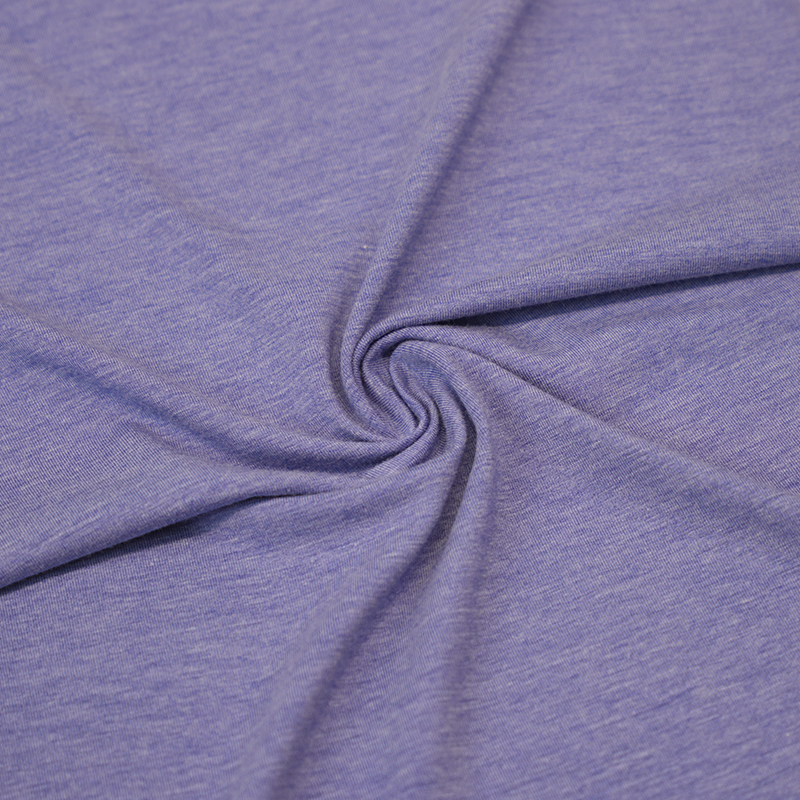
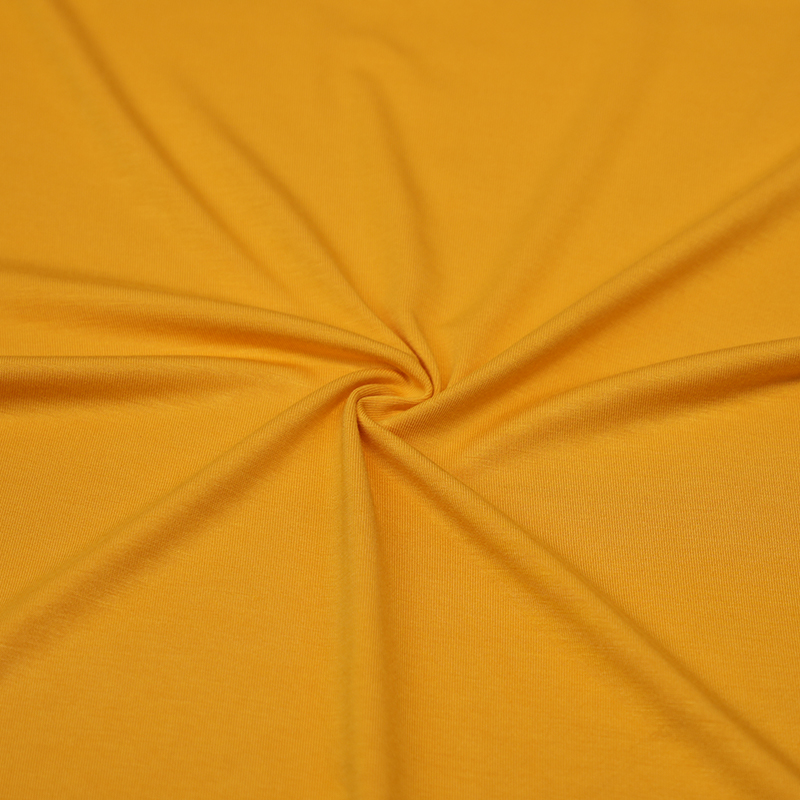
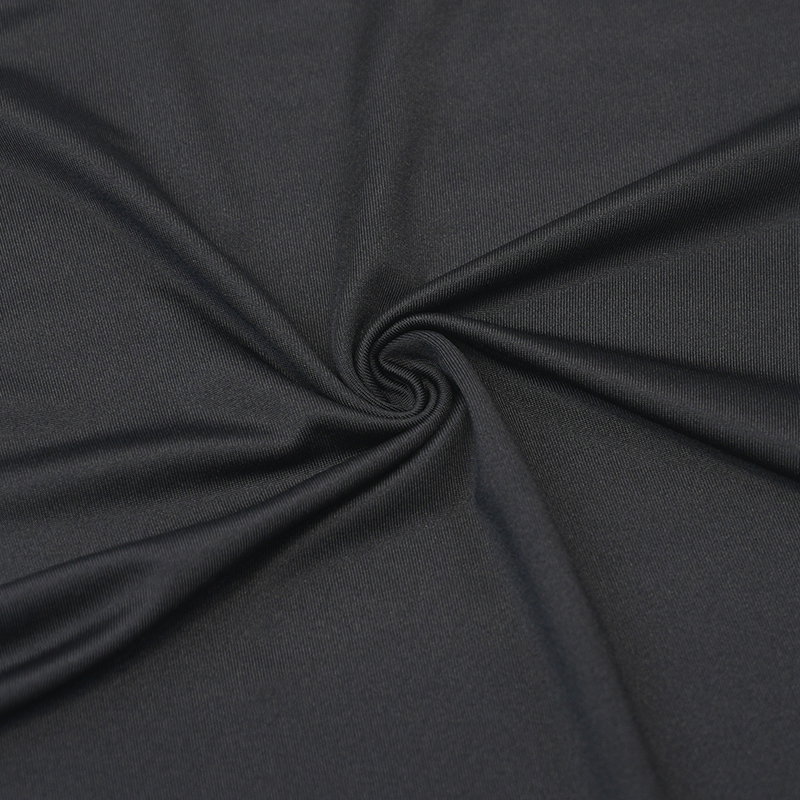
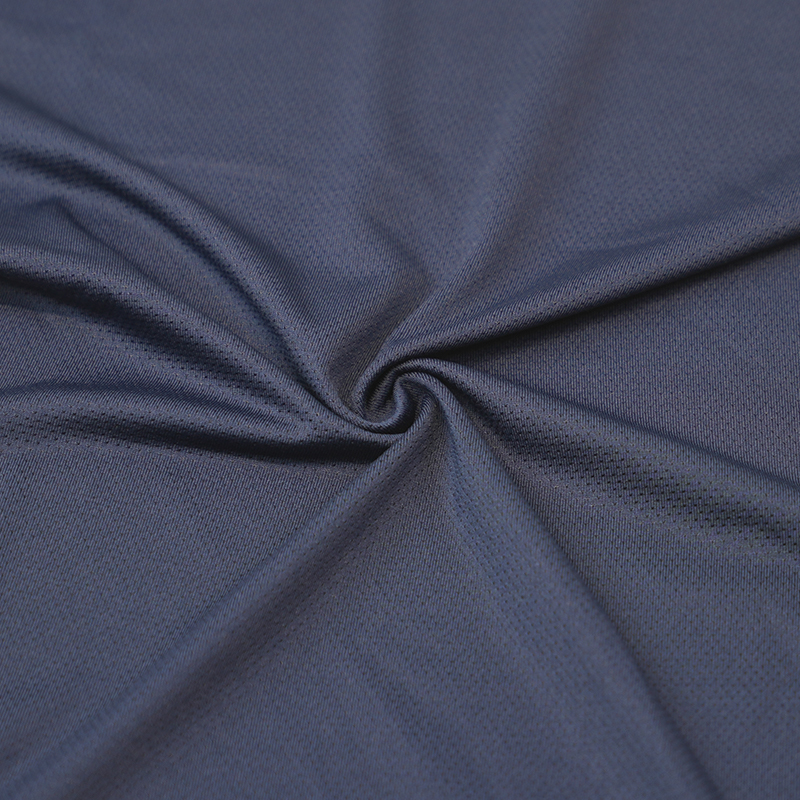
The product pages for the fabrics shown below do not list pilling grades, so treat the comments here as general behavior and test your own sample.
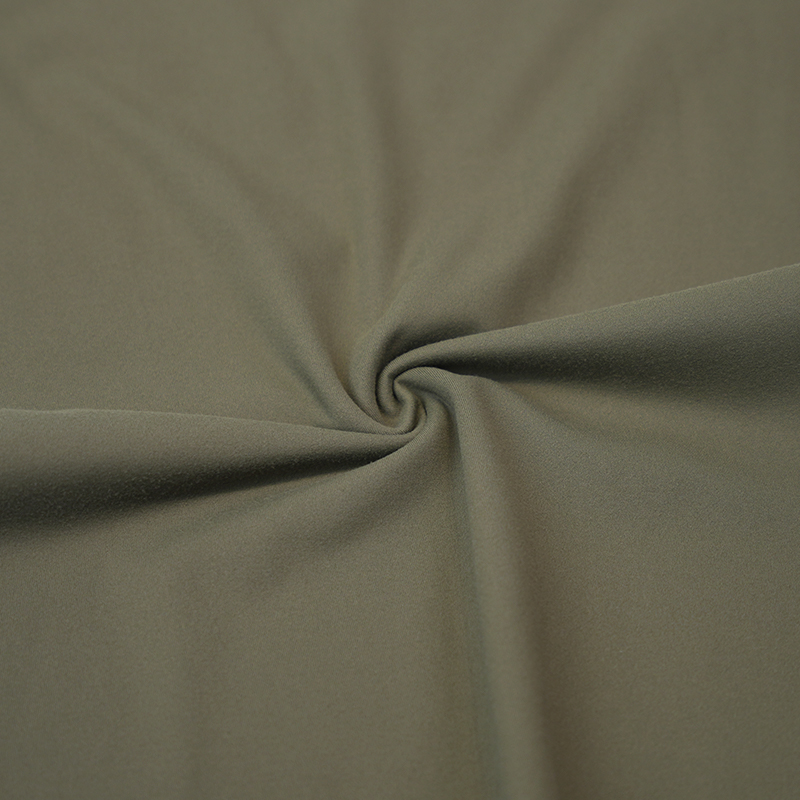
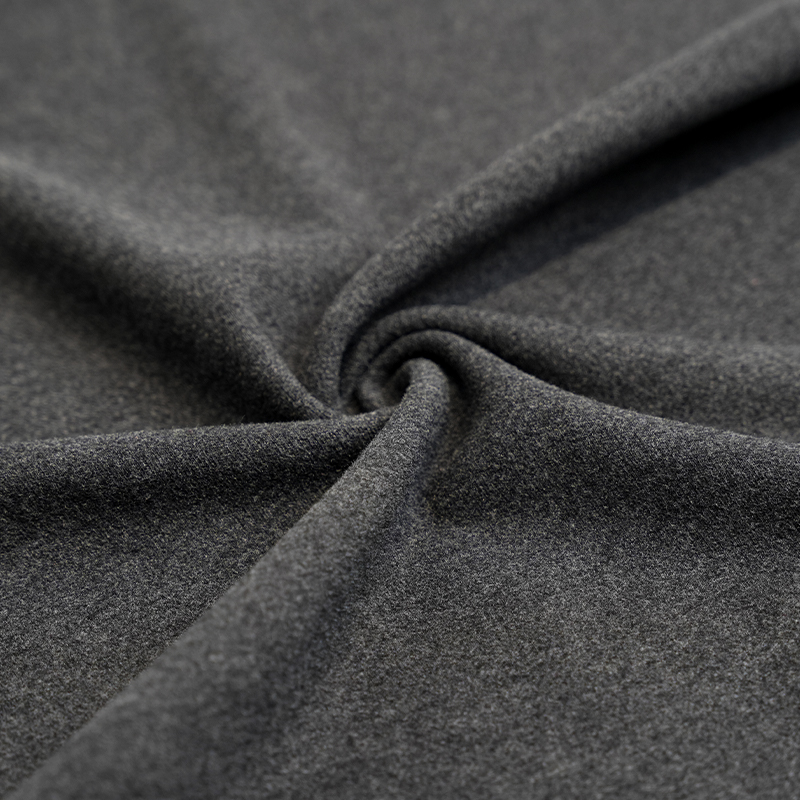
A raised, brushed surface exposes fibers, so pilling risk is higher unless the finish is controlled.
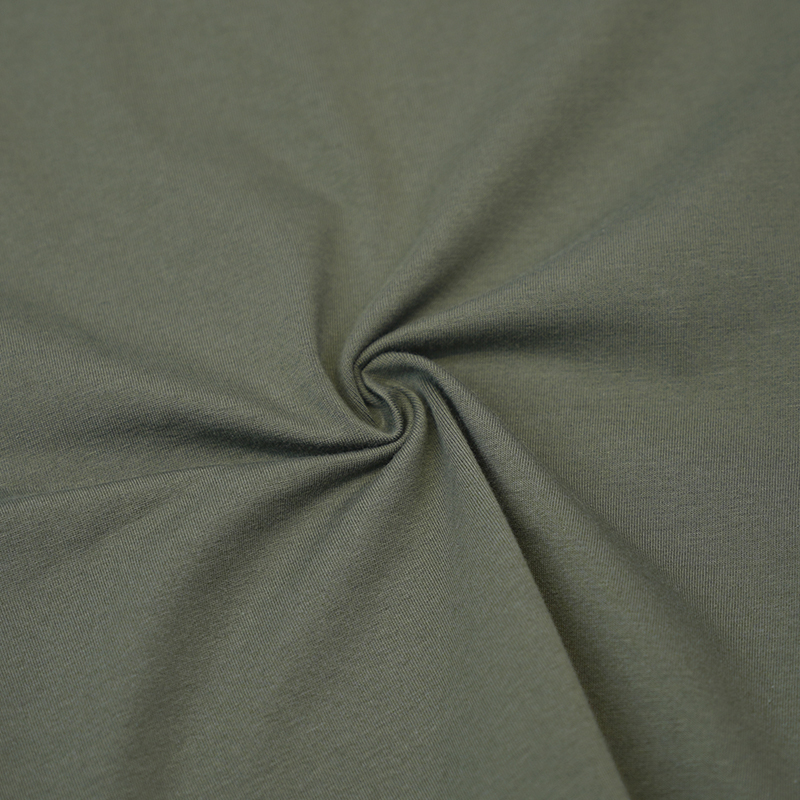
The loop side is the face against the skin in many garments. Rubbing there can form pills over time.
A tight, smooth surface usually pills less, though low-twist yarns or heavy friction can still cause it.
Here is how three knits from our range line up for this topic.
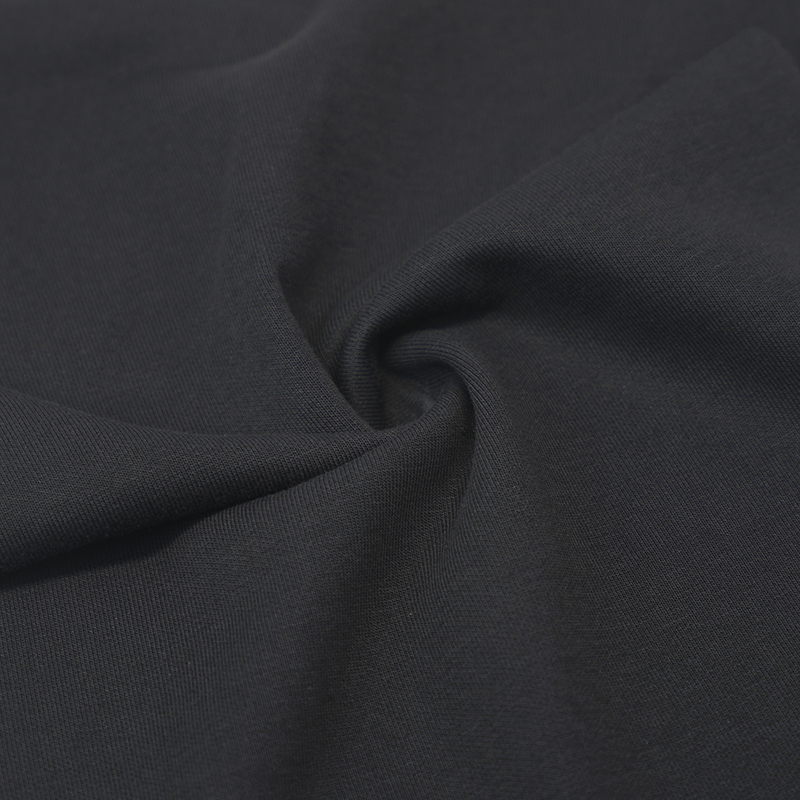
 Recycled Polyester Spandex Fleece87% recycled polyester and 13% spandex at 250 GSM, with a fleece-treated soft surface.
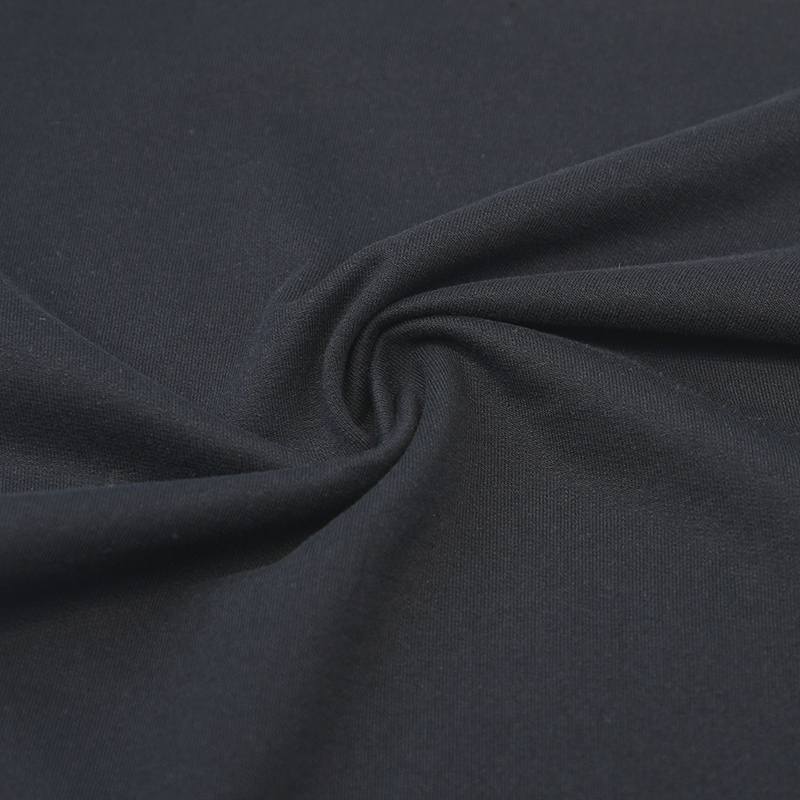
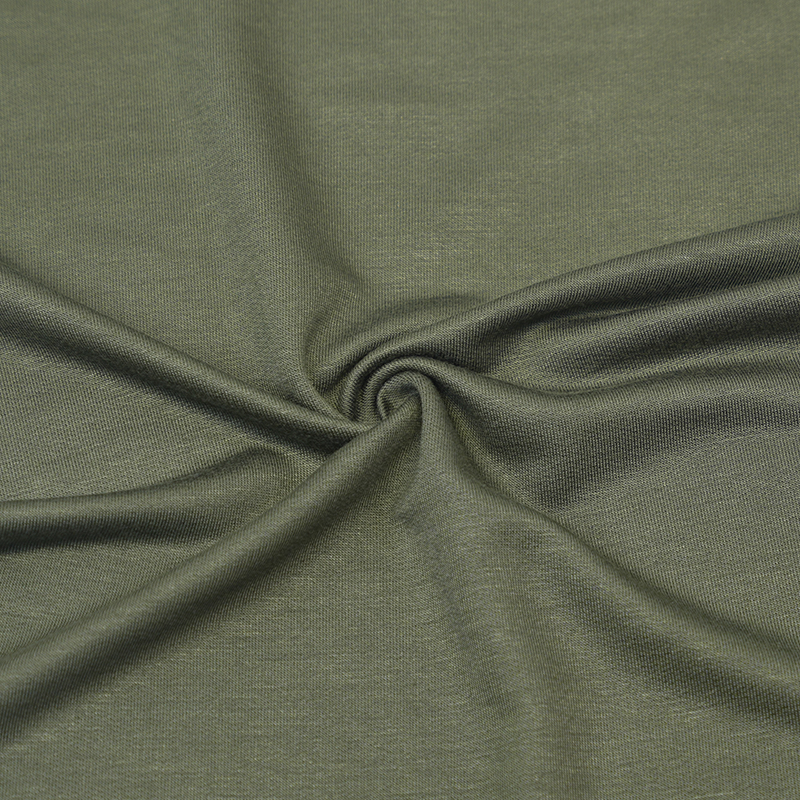 Modal/Polyester Stretch French Terry67% modal, 29% polyester and 4% spandex at 230 GSM, for T-shirts and loungewear.
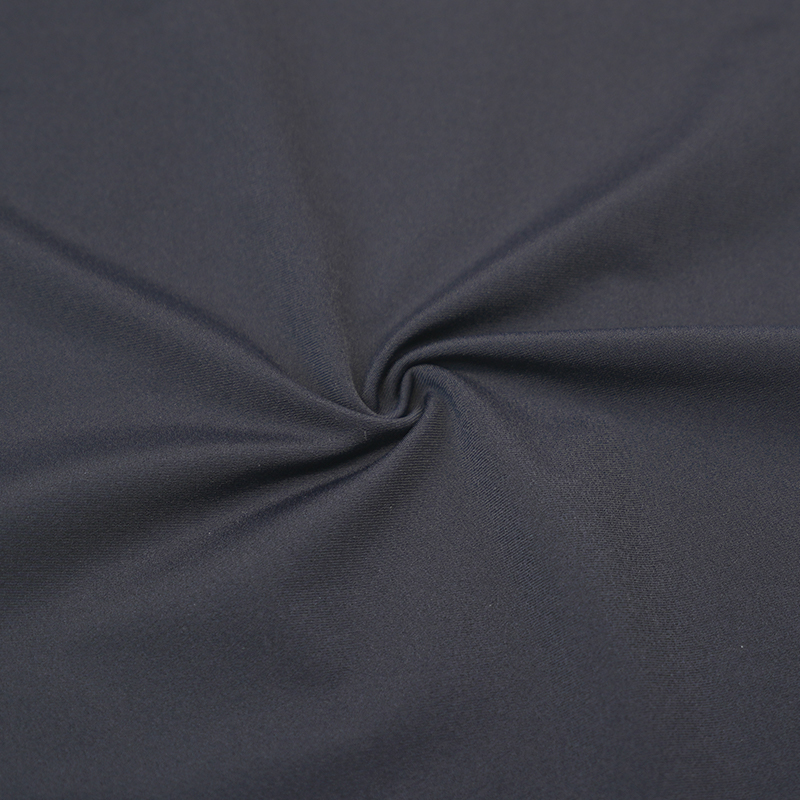
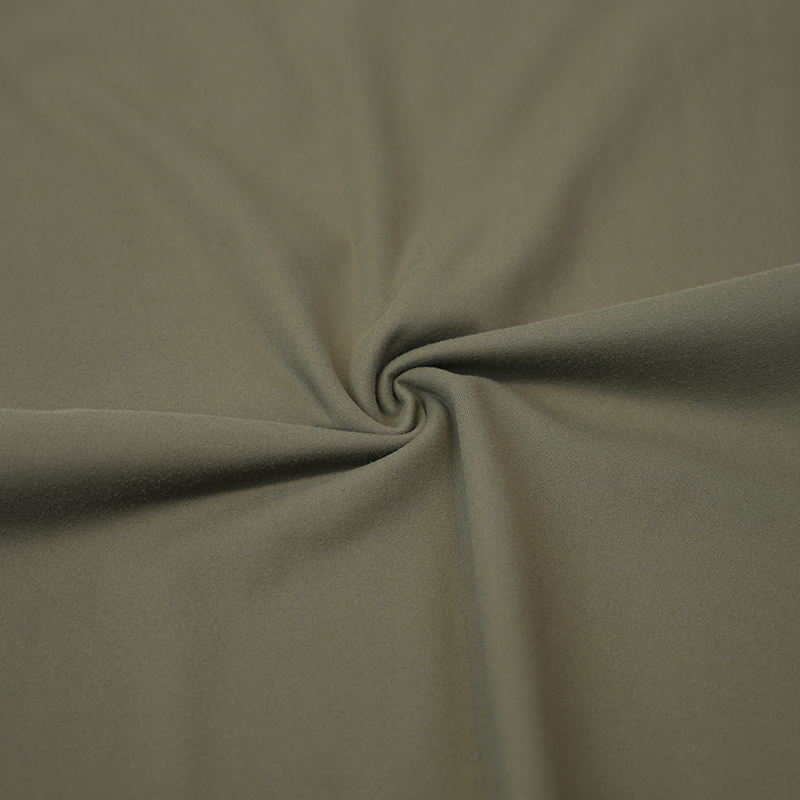 Nylon Spandex Interlock80% nylon and 20% spandex at 205 GSM in a dense interlock knit.
The three pages do not state anti-pilling performance, so request test results with your sample if pilling matters to your product.
| Problem | What You See | Cause |
| Pilling | Small balls on the surface | Loose fibers tangled by friction |
| Fuzzing | A hazy, hairy surface without balls | Fiber ends lifted but not yet knotted |
| Snagging | Pulled loops or threads | A rough object catching the yarn |
| Abrasion wear | Thin, shiny or worn patches | Fibers breaking down from heavy rubbing |
Buyers often say pilling when they mean fuzzing or snagging. Knowing which one you have helps you pick the right fix, because snagging is a yarn and structure problem, while pilling is a fiber and friction problem.
Spandex is not a direct cause of pilling. It adds stretch and shape recovery, and it is usually a small share of the blend. Pilling is decided mostly by the main fiber, the yarn and the knit.
Spandex does change how the garment is worn, though. A stretch fabric that fits closely moves against the body and against other layers, so friction points can appear in new places. A stable fit with the right stretch recovery reduces that movement.
| Garment | Where Pilling Shows | What to Prioritize |
| T-shirts | Underarms, sides and where bag straps rub | Smooth yarn, tight knit |
| Loungewear and sweatshirts | Elbows, hips and inner arms | Surface finish and light washing |
| Activewear | Thighs, underarms and seams | Tight structure and friction-resistant blends |
| Underwear | Waistband and leg area | Soft, smooth fabric with stable stretch |
Pilling expectations also differ by market. A fashion item may tolerate less pilling than a basic, so set your target grade with the end use in mind.
You can get a rough idea of pilling risk from a swatch before ordering a lab test. This does not replace a standard test, but it flags problem fabrics early.
If a fabric already pills in this simple test, it is unlikely to pass a standard test, so it is worth asking for a different yarn or finish before moving to bulk.
Pilling is graded by rubbing a fabric sample against a standard abrasive under set conditions, then comparing the result to reference images. Common methods include the Martindale test (ISO 12945-2) and the ICI box test. Results are usually graded from 1 to 5, where 5 means no pilling and 1 means severe pilling.
A buyer can ask a mill for the test method, the number of rubs and the grade for each fabric. Different methods give different numbers, so compare grades only when the method is the same.
The product pages state that fabric communication is completed within 3 days and sample production within 15 days. Ordering details such as MOQ are listed on each page. For related reading, see our guide to nylon spandex interlock fabric and the recycled polyester fabric range.
Loose fiber ends work to the surface, tangle from friction and form balls. Short fibers, loose yarn twist, open knits and brushed surfaces increase the risk.
All fibers can pill. Short fibers like cotton and viscose pill readily but pills often wear off, while strong synthetics like polyester pill more slowly but the pills tend to stay on.
Brushed and fleece surfaces expose fibers and usually pill more readily than a tight, smooth jersey, depending on the yarn and finish.
Pills can be removed with a fabric shaver, though prevention through yarn, knit and finish is better.
Ask the supplier for a pilling test result, such as Martindale, on the exact fabric and compare grades from the same method.
Related Products
Contact Us for More Details
Don't hesitate to contact when you need us!
Contact Information
Add:
Room 806, Building D, Jingyang Plaza, Chongchuan District, Nantong City, Jiangsu Province, China
E-mail:
Product Category
QR Code
Join our community and stay connected
 English
 Español
 Tiếng Việt