
 English
 Español
 Tiếng Việt

Recycled Polyester Jersey Fabric
-- Steady & Reliable Manufacturer --
Recycled Polyester Jersey Fabric
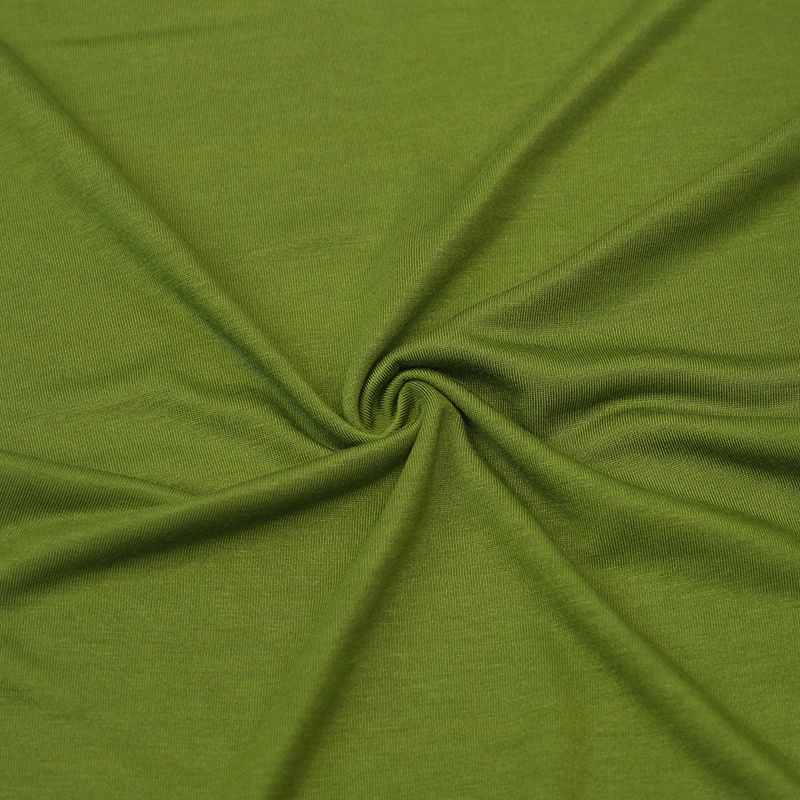
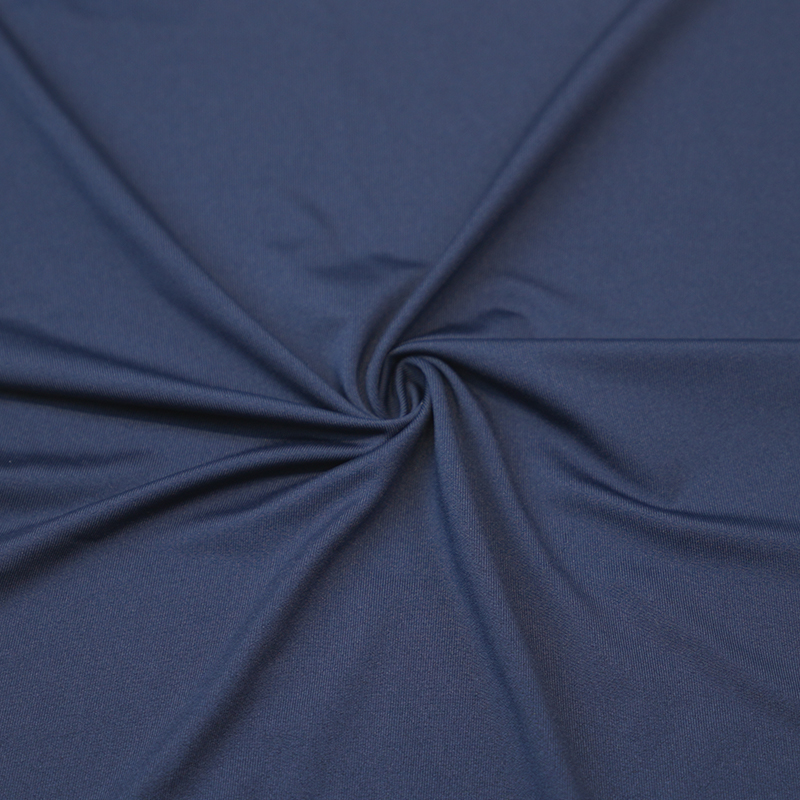
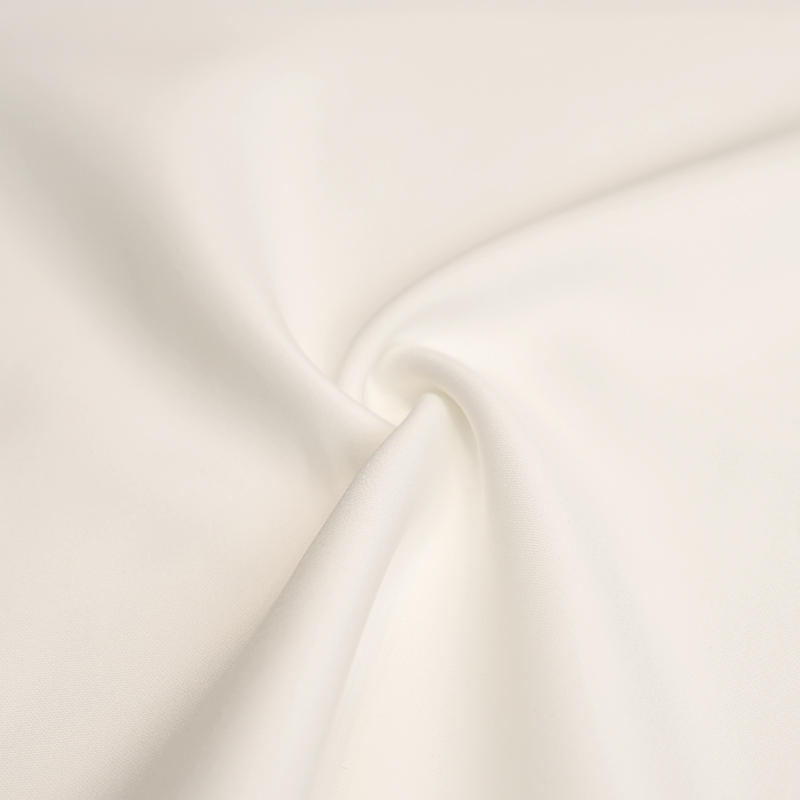
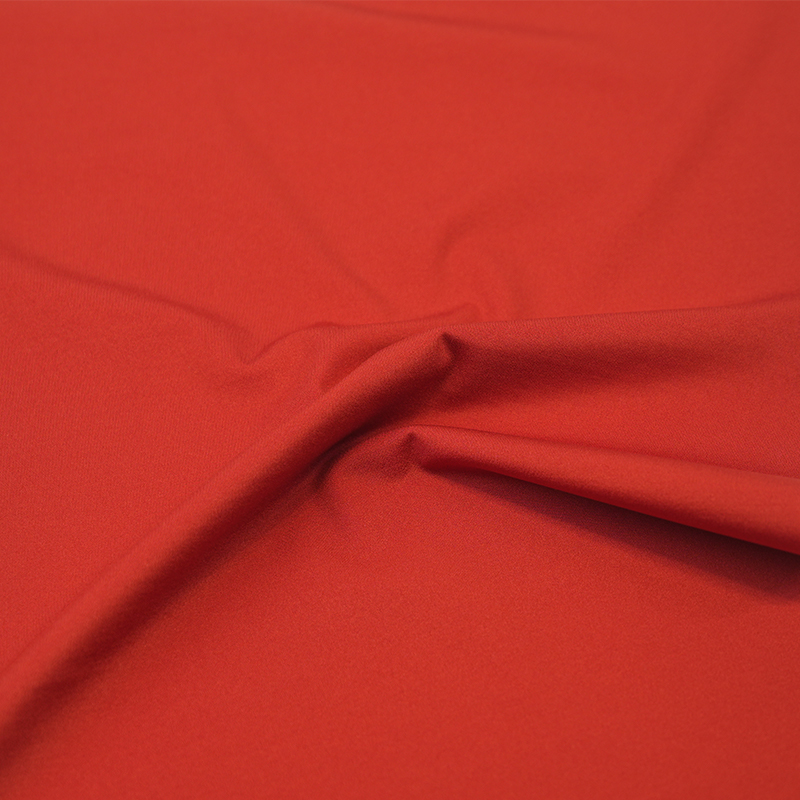
Recycled polyester jersey Fabric is a single-knit fabric made from post-consumer recycled polyester — typically sourced from PET bottles or textile waste. It offers the same performance properties as virgin polyester jersey — durability, shape retention, and ease of care — while significantly reducing reliance on virgin petroleum-derived materials. Tianhong's recycled polyester jersey is OEKO-TEX Standard 100 certified and available in a range of weights and blend configurations.
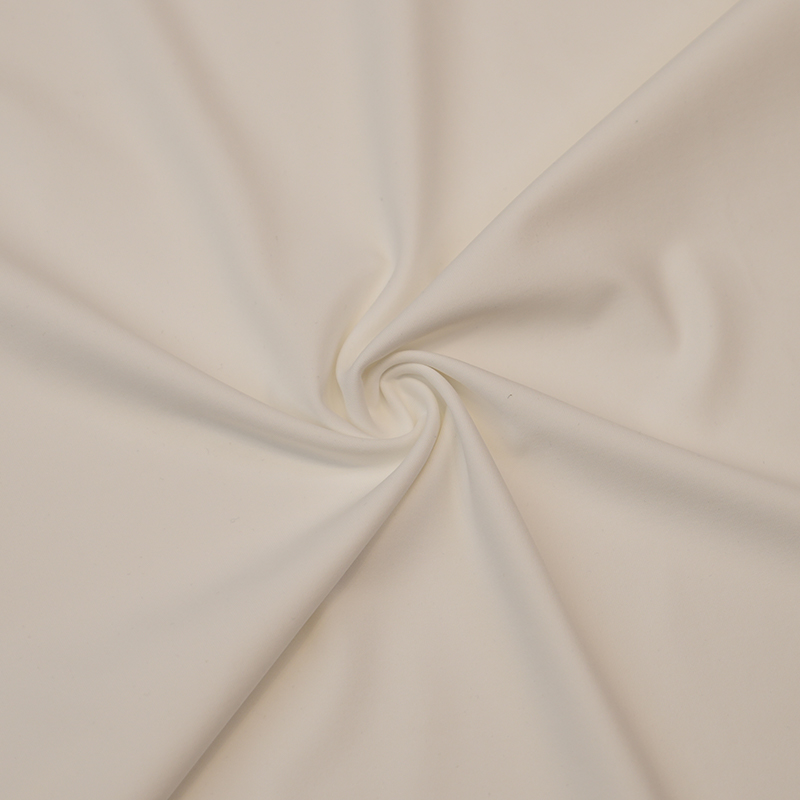
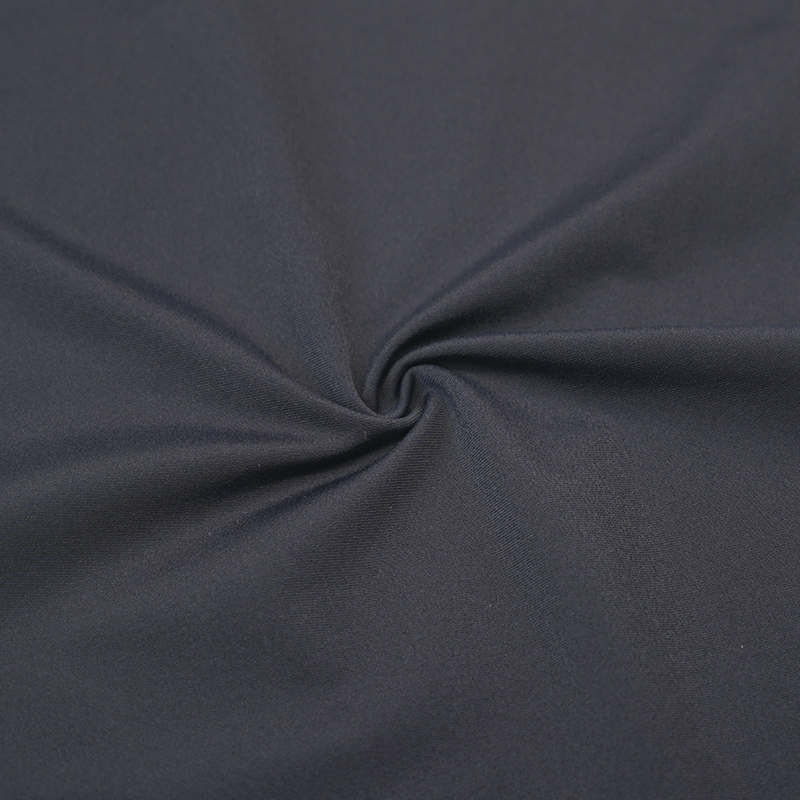
Introduction
Recycled polyester (rPET) jersey Fabric has become one of the most commercially adopted sustainable fabric choices across mass-market and premium apparel. Brands appreciate that it delivers the same consistent wash-and-wear performance as virgin polyester jersey — stable dimensions, color retention, quick-dry behavior — while reducing the carbon and resource footprint of the material input.
At Tianhong, our recycled polyester jersey is produced using GRS-traceable rPET fiber. We offer it in both standard and spandex-blend constructions for stretch applications. The fabric works across T-shirts, sportswear, casualwear, and workwear — categories where performance and cost consistency matter.
For brands transitioning away from virgin polyester as part of sustainability commitments, recycled polyester jersey is often the most straightforward substitution — the fabric behavior and construction remain identical, and the certification documentation is readily available.
Specification
| Fiber Composition | Recycled Polyester 100%; Recycled Polyester 92% / Spandex 8%; Recycled Polyester 85% / Bamboo Viscose 15%; custom blends on request |
| Fabric Structure | Single Jersey Knit |
| Weight (GSM) | 130 – 260 gsm |
| Width | 160 – 185 cm open width |
| Stretch | 2-way standard; 4-way with spandex |
| Dyeing Method | Disperse dyeing; dope dyeing (solution-dyed) available — reduces water and dye usage significantly |
| Certifications | OEKO-TEX Standard 100; GRS (Global Recycled Standard) documentation available |
| MOQ | 300 – 500 kg per color |
| Lead Time | Sample within 15 days; bulk confirmed at order stage |
| Pilling Resistance | Grade 4 or above |
Application
- T-Shirts and Basics: Lightweight rPET jersey (130–180 gsm) prints cleanly and holds color well across washes, making it a practical and sustainable base for graphic tees and branded basics.
- Sportswear and Activewear: The quick-dry behavior and durability of recycled polyester jersey make it well suited for running tops, training shirts, and team sportswear.
- Workwear and Uniforms: Dimensional stability and wash fastness make rPET jersey a reliable choice for corporate uniforms and workwear programs that require consistent appearance over extended use.
- Casualwear: Mid-weight constructions (180–220 gsm) work well in casual tops, layering pieces, and lightweight outerwear panels.
- Sustainable Collections: For brands building a sustainability-positioned product range, rPET jersey with GRS certification provides a straightforward, credible material story.
Advantage
- Same Performance as Virgin Polyester: Color retention, dimensional stability, quick-dry, and wash durability are equivalent to virgin polyester jersey. No performance compromise in the transition.
- Reduced Environmental Footprint: Using rPET reduces dependence on virgin petroleum-derived polyester. Brands seeking to reduce Scope 3 emissions can use GRS-certified rPET as documented evidence of material-level improvement.
- Dope Dyeing Option: Tianhong's dope-dyed rPET jersey introduces color at the fiber stage, cutting water and chemical consumption versus conventional piece dyeing and producing excellent wash fastness.
- Easy Drop-In Substitution: For manufacturers already working with virgin polyester jersey, rPET jersey requires no changes to cutting, sewing, or finishing processes — making the switch straightforward from a production standpoint.
- Broad Certification Availability: GRS and OEKO-TEX documentation are available per batch, supporting brands' sustainability reporting and retail compliance requirements.
Payment & Shipping
- Trade Terms: FOB, CIF, CNF, or as agreed at quotation stage.
- Payment: T/T primary; L/C accepted. 30% deposit before production, 70% on bill of lading.
- Shipping: From Nantong via Shanghai or Ningbo. Logistics coordination available through our team or your freight forwarder.
- Sample Lead Time: Fabric communication within 3 business days; physical samples within 15 days.
FAQ
- Q: What is recycled polyester jersey made from?
- A: Recycled polyester (rPET) jersey is made from post-consumer recycled polyester fiber — most commonly derived from PET plastic bottles, but also from textile waste in some supply chains. The PET material is collected, cleaned, processed into flake or chip, re-extruded into fiber, spun into yarn, and then knit into jersey fabric. The final fabric performs identically to virgin polyester jersey in terms of construction and use.
- Q: Does recycled polyester jersey perform the same as virgin polyester?
- A: Yes, in most practical apparel applications the performance is equivalent. Color fastness, wash stability, quick-dry behavior, and tensile strength are comparable. If you have specific performance requirements — for example, high-cycle mechanical stretch in compression garments — let us know and we can advise on the most suitable construction and blend.
- Q: Can you provide GRS certification for recycled polyester jersey?
- A: GRS transaction certificates covering rPET fiber sourcing are available. Please specify your certification requirements at the order stage so the appropriate documentation pathway is set up from the start of the production run.
- Q: Is dope-dyed recycled polyester jersey more expensive than conventionally dyed?
- A: There can be a price difference, primarily because dope-dyed options are produced in larger fiber batches and color flexibility is more limited compared to piece dyeing. However, the water and chemical savings are substantial, and the wash fastness of dope-dyed fabric is generally superior. For core colors in large volumes, dope dyeing often represents good overall value. We can provide pricing for both options so you can compare.
Certifications
- ISO 9001 Production Standard
- AATCC Dimensional Stability Test
- OEKO-TEX Fabric Safety
Our R&D Team
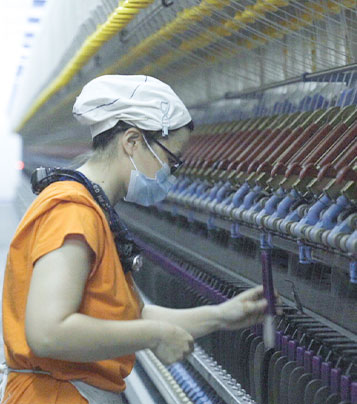
The R&D team at Tianhong is typically made up of expert technicians and innovation teams that are focused on the advancement of technology and solutions for fabrics.


Tianhong Story
