
 English
 Español
 Tiếng Việt

Modal Cotton Jersey Fabric
-- Steady & Reliable Manufacturer --
Overview
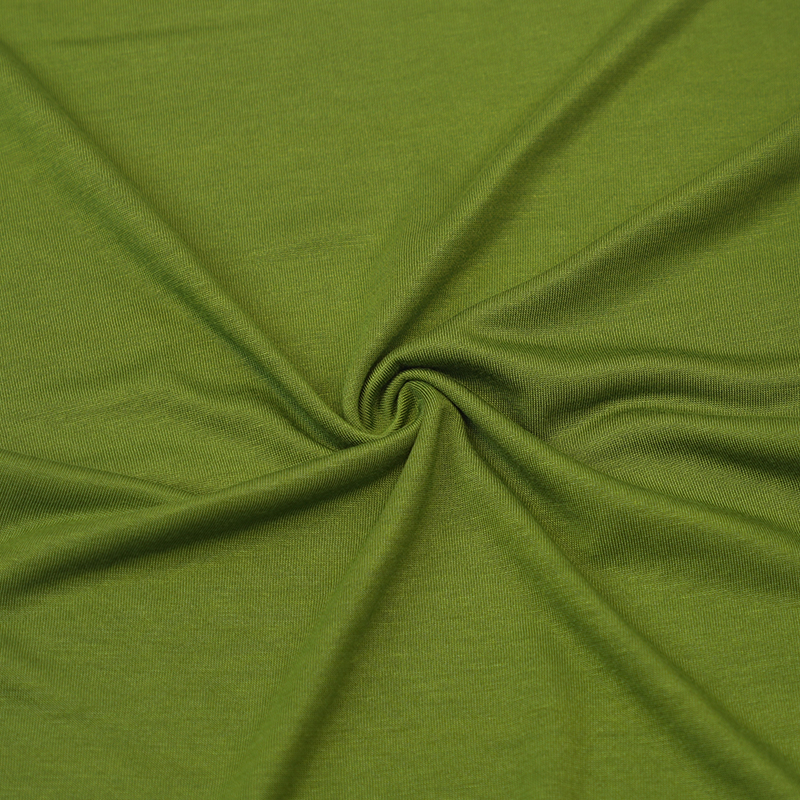
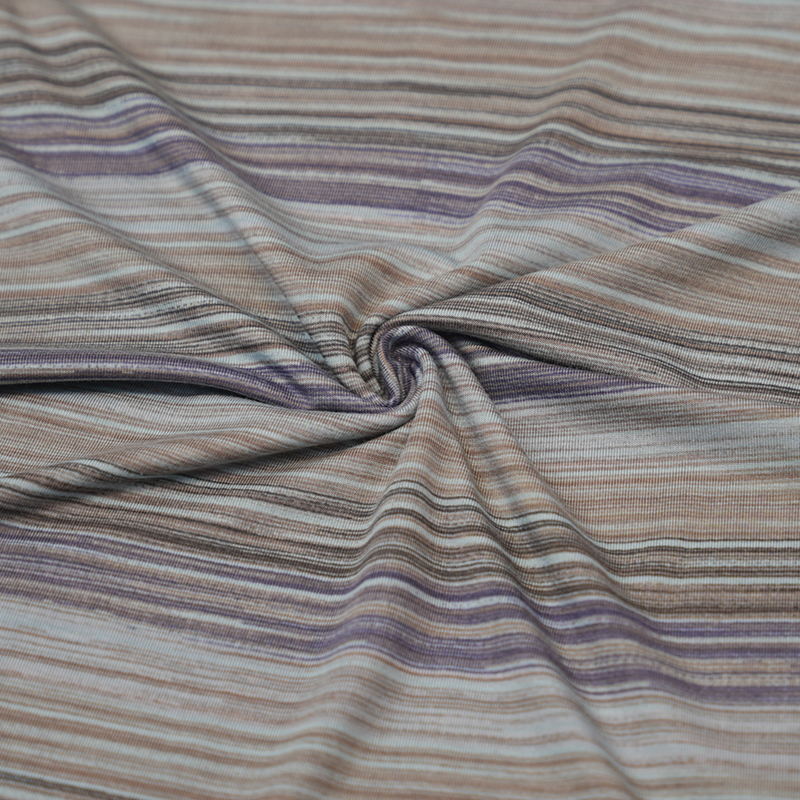
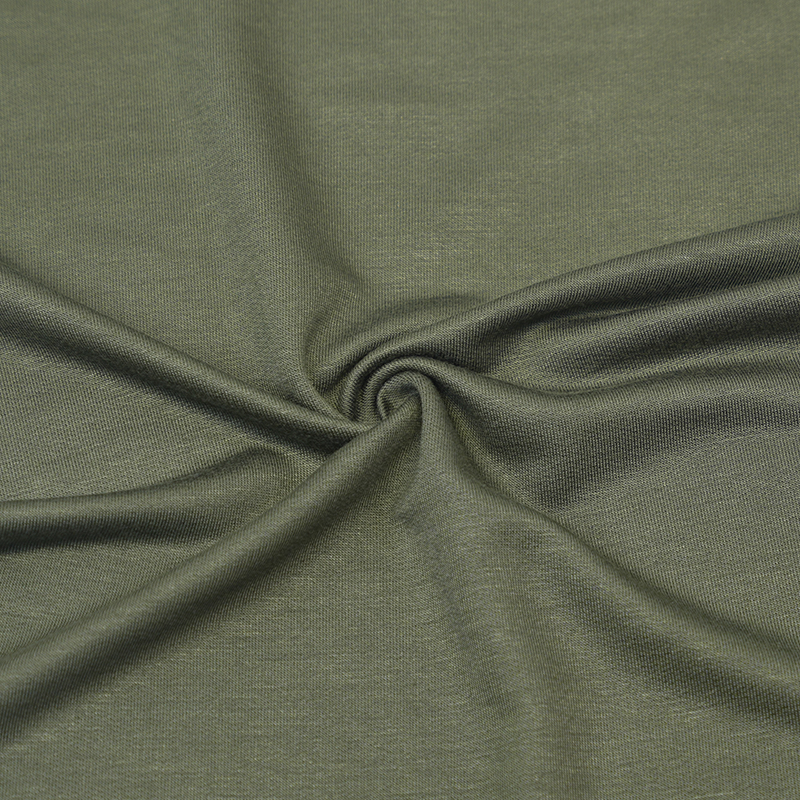
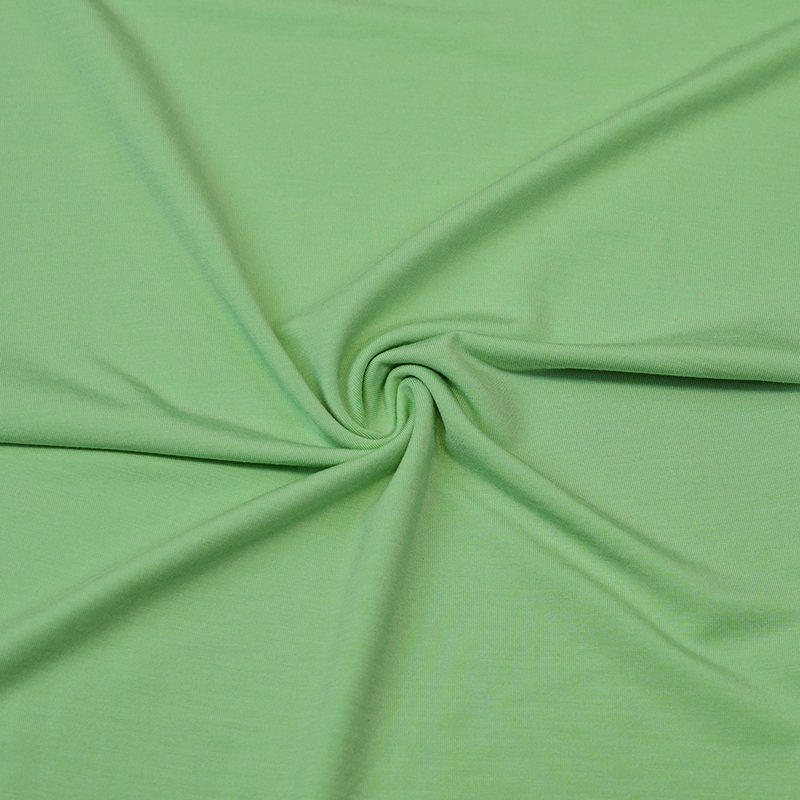
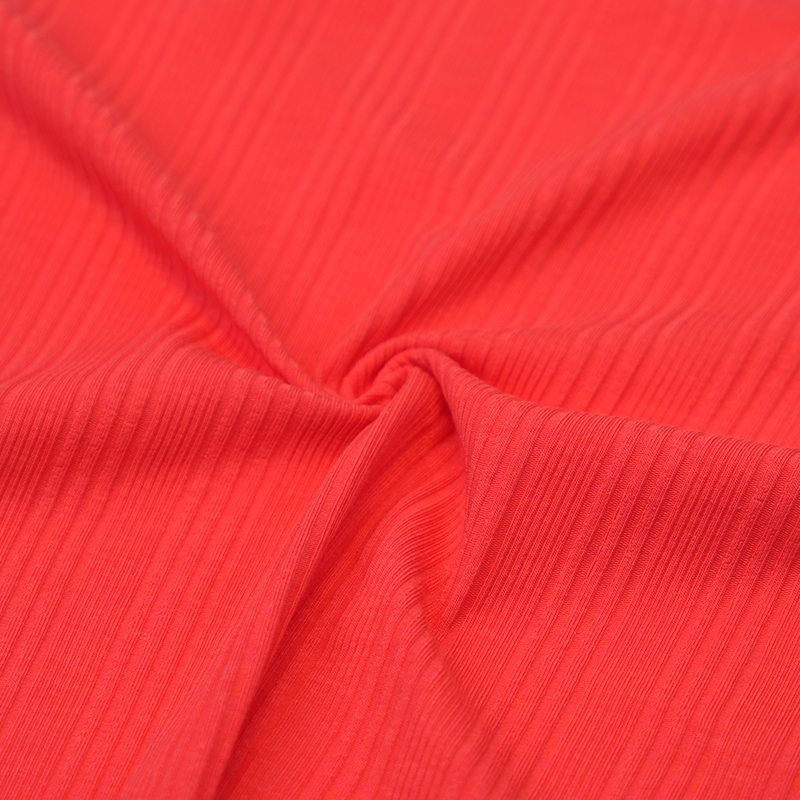
Our modal cotton jersey is a blended single-knit fabric combining modal fiber with cotton, delivering a fabric that is noticeably softer and more color-vibrant than 100% cotton jersey while retaining cotton's natural breathability and the accessible production cost that makes jersey the world's highest-volume knit construction. It is a commercially proven blend widely sourced by brand buyers across basics, underwear, loungewear, and sustainable apparel categories — available with OEKO-TEX® Standard 100 certification and optional OCS organic cotton content.
Introduction
Modal is a regenerated cellulose fiber derived from beech wood pulp, produced through a closed-loop process that recovers and reuses the majority of processing chemicals. When blended with cotton in a jersey construction, modal contributes its fine fiber softness, high moisture absorption, and enhanced color vibrancy — upgrading what would otherwise be a standard cotton jersey to a fabric that outperforms mono-fiber cotton in hand feel, pilling resistance, and color depth. The result is a fabric that delivers a meaningful quality improvement at a cost premium over cotton that is commercially viable across mid-to-premium basics and loungewear price tiers.
We supply modal cotton jersey to brand owners developing premium T-shirts and loungewear, clothing factories producing underwear and basics at scale, and fabric wholesalers serving mass-market and mid-market apparel buyers who are trading up from standard cotton jersey. Blend ratios are fully customizable — from 40/60 to 60/40 modal/cotton — allowing buyers to calibrate the balance between performance improvement and material cost. Optional organic cotton and spandex are available, with sample turnaround within 15 days and bulk production capacity of up to 1,000 tonnes per month.

Specification
| Fiber Content | 50% Modal / 50% Cotton, or 60/40, 40/60 (customizable ratio) |
| Fabric Weight | 140–200 gsm |
| Width | 150–160 cm (59–63 inches) |
| Construction | Single Jersey Knit |
| Shrinkage | ≤5% (after pre-washing) |
| Certification | OEKO-TEX® Standard 100; OCS available for organic cotton component |
| Customization | Blend ratio, color, weight, width, and spandex addition available upon request |
Application
- Premium T-shirts and Everyday Tops: The softer hand feel of modal cotton jersey over standard 100% cotton jersey provides a quality signal at point of sale and in wear — supporting a modest premium in retail price architecture for basics brands without requiring a significant increase in fabric cost.
- Underwear and Bodywear: Modal's fine fiber surface improves skin comfort in underwear and bodywear applications where direct skin contact makes fabric softness a primary quality driver for the end consumer and a key differentiator in competitive basics categories.
- Loungewear and Sleepwear: The combination of softness, moisture absorption, and wash durability makes modal cotton jersey well suited to loungewear and sleepwear collections where garments are worn frequently and washed regularly — maintaining soft hand feel and shape through repeated laundering cycles.
- Children's and Baby Clothing: OEKO-TEX® Standard 100 certification and the option to incorporate OCS-certified organic cotton meet the dual documentation requirements standard in children's and baby product categories across major retail markets.
- Private-Label Upgrade Programs: For fabric wholesalers and private-label buyers replacing standard cotton jersey with a quality-upgraded blend, modal cotton jersey provides a clear, communicable material improvement story — softer, better color, more durable — at a cost premium that retail buyers in the mid-to-premium tier can absorb.
Advantage
- Improved Hand Feel Over 100% Cotton: Modal's fine fiber diameter produces a noticeably softer surface than standard cotton jersey at equivalent weights — providing a quality upgrade that brands can communicate to end consumers as a clear product benefit without a prohibitive increase in fabric cost over all-cotton alternatives.
- Better Pilling Resistance: Modal fiber has higher tenacity than standard viscose and outperforms cotton in pilling resistance during regular wear and washing — extending the garment's presentable life and reducing quality complaints in basics, underwear, and loungewear categories where long-term appearance retention matters to consumers.
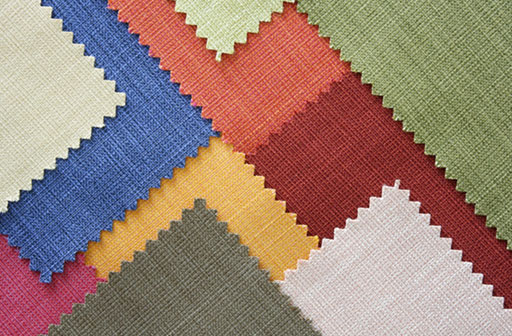
- Enhanced Color Vibrancy: Modal accepts reactive dyes with high absorption efficiency, producing richer, more consistent color depth than cotton at equivalent dye concentrations — supporting brand color accuracy and reducing re-dyeing waste in bulk production runs, which directly lowers the cost of color consistency in seasonal programs.
- Flexible Blend Ratio for Cost Optimization: The modal-to-cotton ratio can be adjusted from 40/60 to 60/40 or higher, allowing buyers to calibrate the balance between performance improvement and material cost based on product positioning and target retail price point — making the modal cotton blend commercially accessible across a wide range of market tiers.
- Organic Cotton Option for Certified Sustainability: OCS-certified organic cotton can be incorporated into the blend, combining modal's comfort performance with the certified sourcing credentials required by an increasing number of retail sustainability programs — providing a documented sustainability story at a lower cost than full lyocell or full organic cotton alternatives.
Why Choose Us
- 24 Years of Jersey Fabric Manufacturing: Since 2001, we have manufactured and exported cotton, modal, and blended jersey fabrics to T-shirt brands, underwear manufacturers, and basics wholesalers across the USA, Europe, South Korea, and Australia. Jersey fabric is one of our highest-volume categories — our production consistency and quality control at scale are well established.
- OCS Certification for Organic Cotton Component: We are one of the first manufacturers globally to adopt the OCS organic label across our product range. For buyers requiring certified organic cotton in their modal blend, we can provide OCS transaction certificates covering the organic cotton component — supporting full-garment certified organic labeling from a single certified supplier.
- OEKO-TEX® Certified Production: OEKO-TEX® Standard 100 certification covers our modal cotton jersey production, confirming compliance with restricted substance standards applicable to skin contact products including underwear, T-shirts, and baby clothing across all key export markets.
- Flexible Customization from Sample to Bulk: Blend ratio, weight, color, and optional spandex can all be customized. Our R&D team supports specification development from inquiry through sample, with fabric communication completed within 3 days and samples delivered within 15 days.
- Scalable Capacity for Large Programs: Production capacity of up to 1,000 tonnes of knitted fabric per month supports reliable delivery from basics collections to large private-label programs. Our stable supply chain accurately controls production lead times and ensures consistent delivery schedules.
FAQ
- Q: What modal-to-cotton ratio is recommended for T-shirts?
- For premium T-shirts where softness is the primary differentiator, a 50/50 or 60/40 modal/cotton ratio provides the best balance of hand feel, color vibrancy, and wash performance. For everyday basics where cost control is a higher priority, a 40/60 ratio still delivers a meaningful improvement over 100% cotton jersey. We can provide swatches of different ratios for your evaluation before confirming bulk specifications.
- Q: Can organic cotton be used as the cotton component?
- Yes. OCS-certified organic cotton can be incorporated into the modal cotton blend. Please specify your required organic cotton percentage and OCS documentation needs at the time of inquiry so we can allocate from the certified production stream.
- Q: How does modal cotton jersey wash compared to 100% cotton jersey?
- Modal cotton jersey generally maintains its softness and shape better through repeated machine washing than 100% cotton jersey. Shrinkage is comparable (≤5% after pre-washing) and the modal component improves pilling resistance. We recommend cold or warm machine wash on a gentle cycle for best longevity.
- Q: Can spandex be added for stretch?
- Yes. A spandex component (typically 5–8%) can be incorporated into the modal cotton blend for applications requiring stretch and recovery, such as fitted T-shirts or bodywear. Please specify your target stretch performance at inquiry stage.
- Q: What are the minimum order requirements and lead times?
- Minimum order quantities and pricing are confirmed during the inquiry process. We respond within 24 hours on business days. Sample production is completed within 15 days and bulk lead times are confirmed at order stage.
Payment & Shipping
- Payment Terms: We accept T/T (bank transfer) and L/C (letter of credit). For bulk orders, a 30% deposit is required before production, with the balance payable upon receipt of the bill of lading.
- Quotation: Prices are quoted based on your preferred trade term — FOB, CIF, CNF, or others — confirmed during the inquiry process.
- Sampling: Fabric communication is completed within 3 days; sample production is completed within 15 days.
- Lead Time: With a stable supply chain, we accurately control production schedules to ensure on-time delivery.
- Stock Availability: We maintain a range of fabrics in stock and continuously update inventory to meet urgent requirements. Please contact our sales team for current stock and available styles.
- Export Markets: We regularly ship to the USA, Europe, Southeast Asia, South America, and Australia.
Our R&D Team
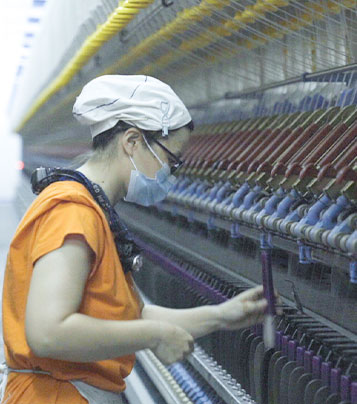
The R&D team at Tianhong is typically made up of expert technicians and innovation teams that are focused on the advancement of technology and solutions for fabrics.


Tianhong Story
