
 English
 Español
 Tiếng Việt

Modal Jersey Fabric
-- Steady & Reliable Manufacturer --
Modal Jersey Fabric
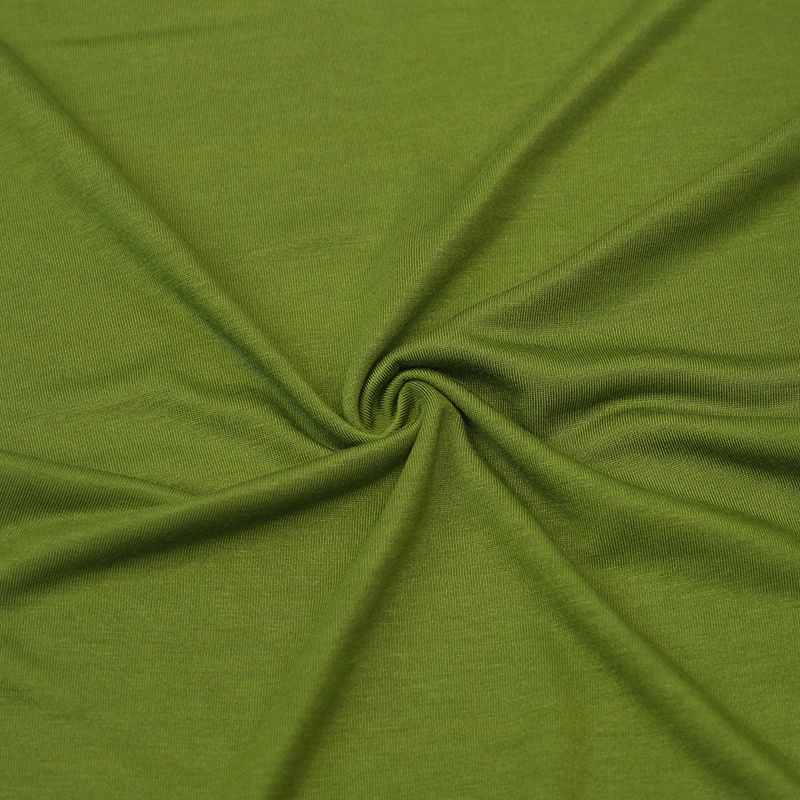
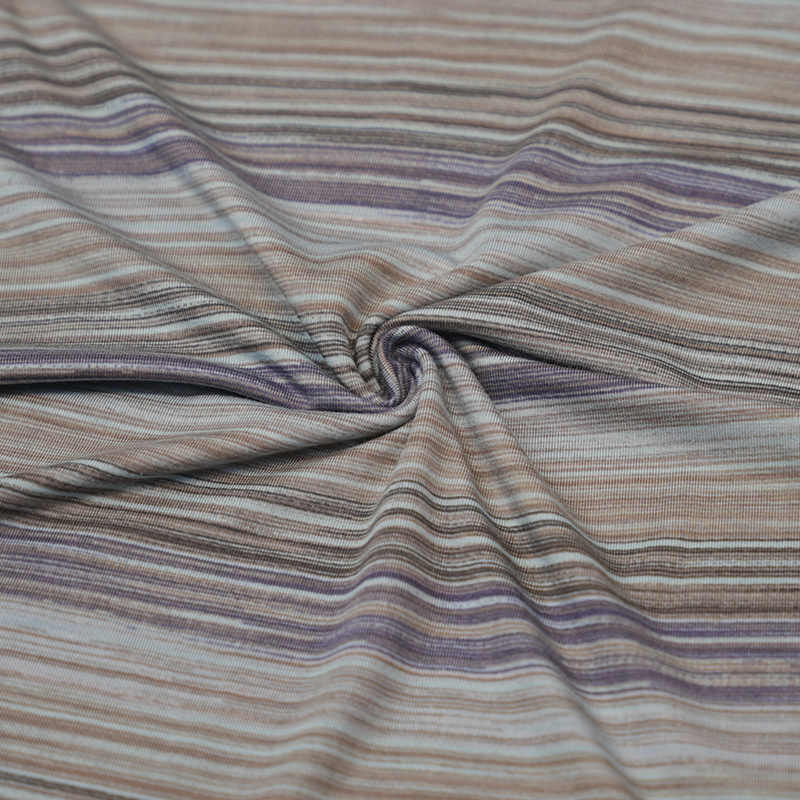
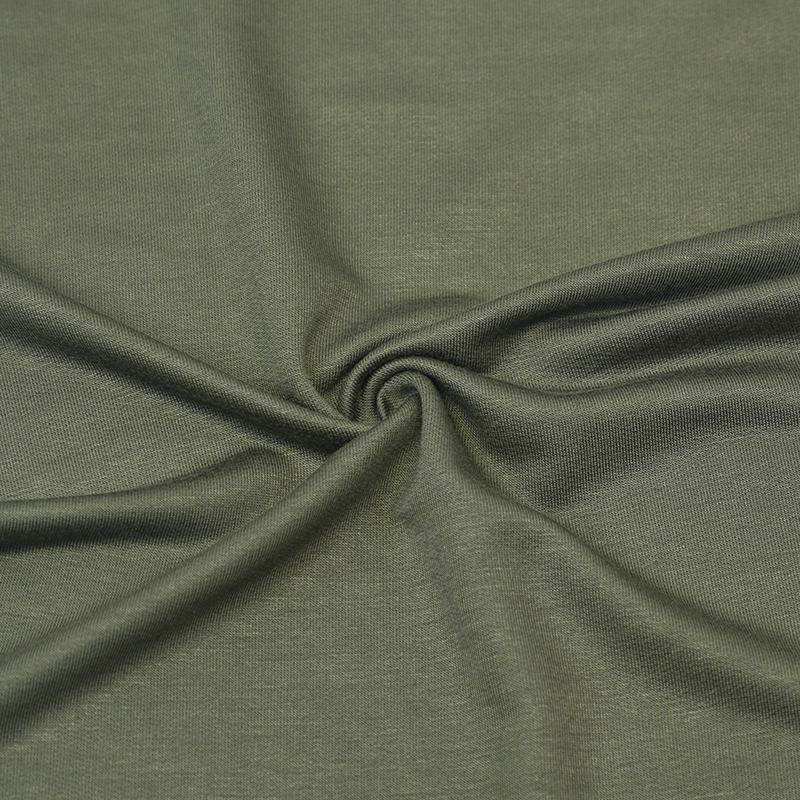
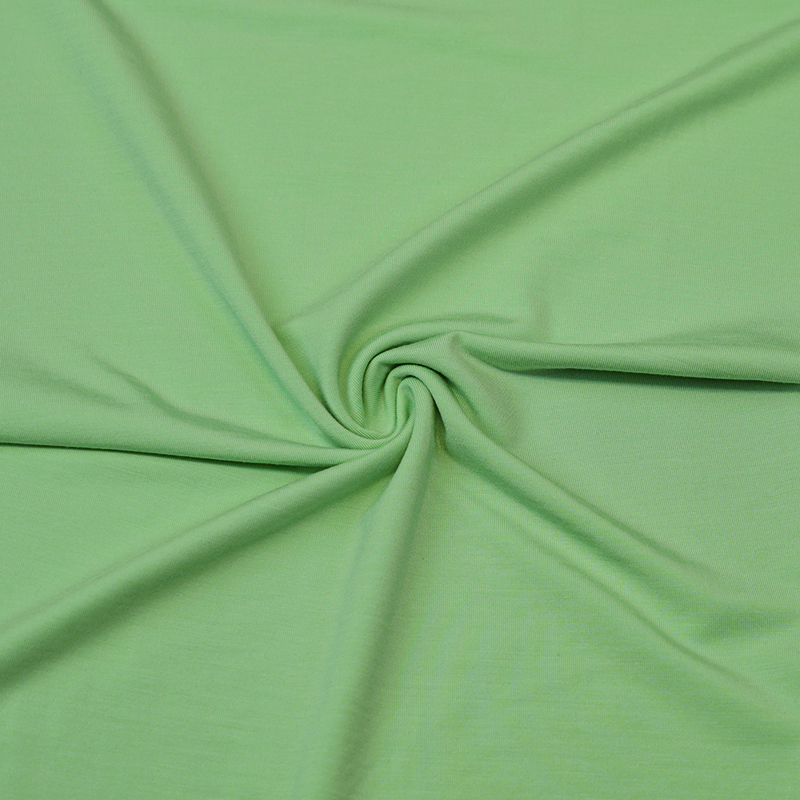
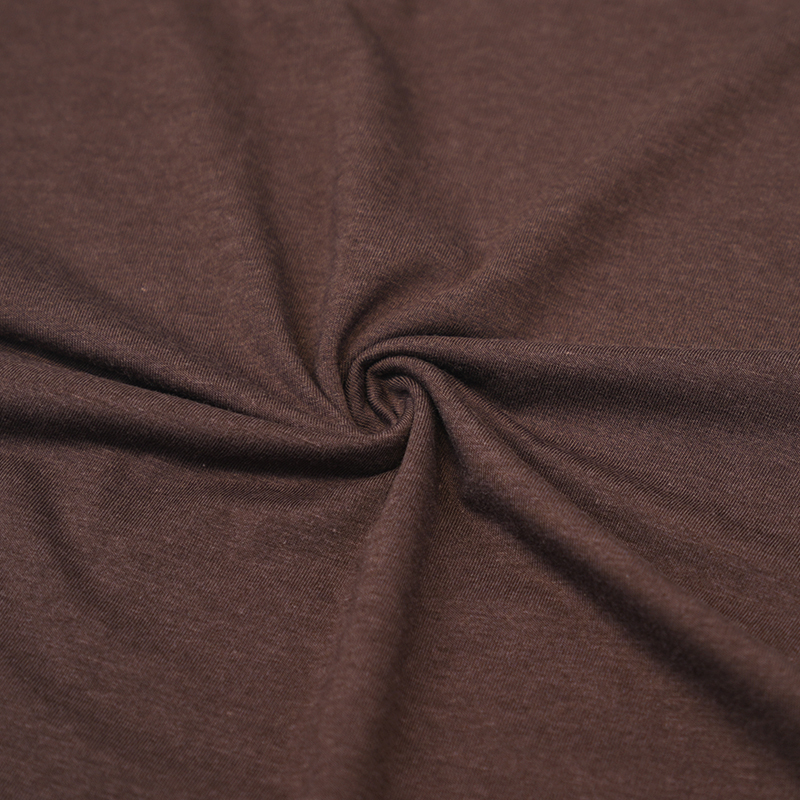
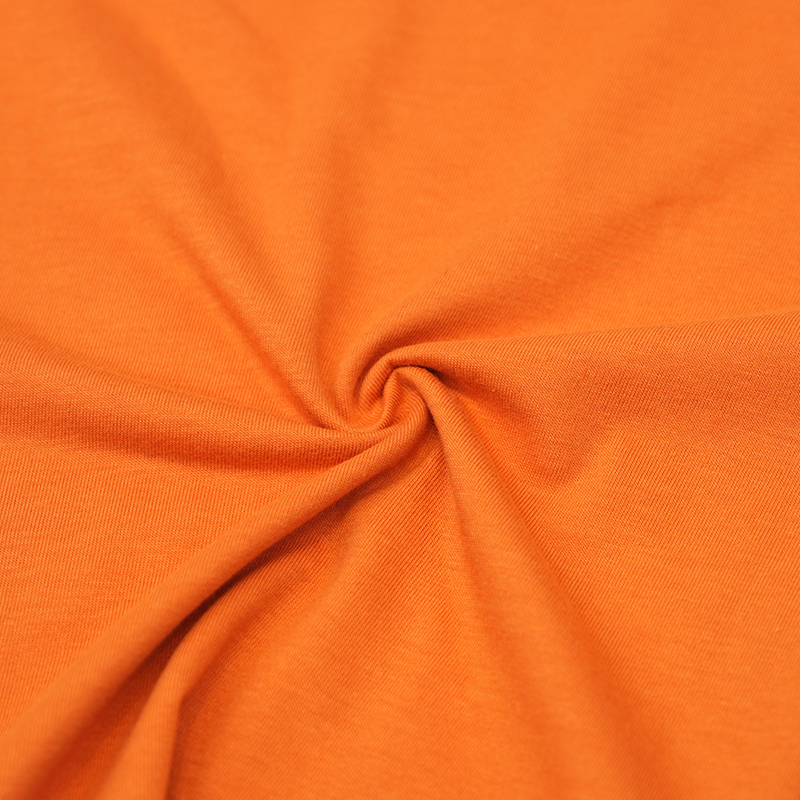
Modal jersey is a single-knit fabric made from modal fiber — a type of regenerated cellulose produced from beech wood pulp. It is recognized in the apparel industry for its exceptional softness, smooth drape, and color retention, and is widely used in premium underwear, loungewear, and basics. Tianhong's modal jersey is OEKO-TEX Standard 100 certified and available in a range of weights and blend configurations.
Introduction
Modal sits above standard viscose in fiber quality — it is produced with a finer denier and a more controlled manufacturing process, resulting in a fabric that is noticeably softer, stronger when wet, and more resistant to shrinkage than standard rayon jersey. These properties make it a preferred fiber for garments that are worn frequently, washed often, and expected to maintain their look and feel over time.
At Tianhong, we produce modal jersey in both pure and blended constructions. Common blends include modal with spandex for stretch, with polyester for improved durability, and with cotton for a more familiar hand at a lower cost. Our R&D team can develop custom blend ratios and GSM ranges to match your product specification, with samples available within 15 days.
Specification
| Fiber Composition | Modal 95% / Spandex 5%; Modal 50% / Cotton 50%; Modal 65% / Polyester 30% / Spandex 5%; custom blends on request |
| Fabric Structure | Single Jersey Knit |
| Weight (GSM) | 140 – 260 gsm |
| Width | 160 – 185 cm open width |
| Stretch | 2-way standard; 4-way with spandex |
| Dyeing Method | Reactive dyeing |
| Certifications | OEKO-TEX Standard 100 |
| MOQ | 300 – 500 kg per color |
| Lead Time | Sample within 15 days; bulk confirmed at order stage |
| Pilling Resistance | Grade 3–4 |
Application
- Underwear and Intimates: The core market for modal jersey — briefs, boxers, bralettes, and bodysuits where repeated-wash softness and shape retention are baseline requirements.
- Loungewear and Sleepwear: Modal's drape and temperature-regulating behavior make it well suited to pajama sets, sleep shirts, and lounge separates.
- T-Shirts and Casual Tops: Premium modal jersey T-shirts occupy a distinct tier above standard cotton jersey — the smoother surface, richer color depth, and softer hand justify a higher retail price point.
- Yoga and Studio Wear: Lightweight modal spandex jersey is used in yoga tops, bra tops, and studio sets where comfort and a clean aesthetic both matter.
- Base Layers: Modal's breathability and low static buildup make it a good base layer fabric for cooler climates.
Advantage
- Retains Softness After Washing: Modal fiber maintains its hand feel through repeated laundering better than standard viscose or cotton jersey — a practical advantage for underwear and basics that are washed frequently.
- Stronger Wet Strength than Viscose: Modal's manufacturing process produces a fiber with higher tensile strength in wet conditions, reducing the risk of distortion or fabric breakdown in the wash.
- Color Depth: Modal takes reactive dyes with a richness and depth that is difficult to achieve with cotton at the same GSM — colors appear more saturated and retain their appearance longer.
- Breathable and Temperature-Neutral: The cellulosic fiber structure allows moisture exchange and does not trap heat, making modal jersey comfortable across a range of temperatures.
- Blend Flexibility: Modal blends well with cotton, polyester, and spandex, allowing cost and performance to be adjusted to suit your specific product tier and end-use.
Payment & Shipping
- Trade Terms: FOB, CIF, CNF, or as agreed at quotation stage.
- Payment: T/T primary; L/C accepted. 30% deposit before production, 70% on bill of lading.
- Shipping: From Nantong via Shanghai or Ningbo.
- Sample Lead Time: Communication within 3 business days; samples within 15 days.
FAQ
- Q: What is the difference between modal jersey and bamboo viscose jersey?
- A: Both are regenerated cellulose fibers, but they come from different raw materials and have slightly different performance profiles. Modal is made from beech wood pulp and tends to have better wet strength and wash durability than bamboo viscose. Bamboo viscose is often described as having a slightly softer initial hand feel. In practice, both are used in similar applications — underwear, basics, loungewear — and the choice often comes down to brand positioning, certification requirements, and price.
- Q: Does modal jersey shrink?
- A: Modal shrinks less than standard viscose or rayon jersey because of its more controlled fiber manufacturing process. However, some dimensional change is normal in the first wash. We recommend that your garment manufacturers account for this in pattern grading, and that end-product care labels specify cold or cool machine wash to minimize shrinkage in use.
- Q: What is the best blend for modal underwear fabric?
- A: For underwear, modal with 5–8% spandex is the most common specification — the spandex adds the stretch and waistband recovery the category requires without significantly altering the softness of the modal. A higher spandex content (10%+) may be used for compression-fit underwear or bodysuits. Pure modal (no spandex) is occasionally used for relaxed-fit boxer styles where recovery is less critical.
Certifications
- ISO 9001 R&D Quality Management
- BSCI Social Compliance
- Verified Supplier Gold Status
Our R&D Team
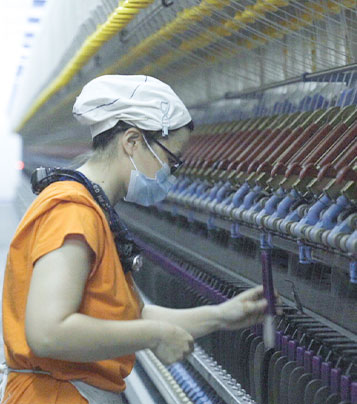
The R&D team at Tianhong is typically made up of expert technicians and innovation teams that are focused on the advancement of technology and solutions for fabrics.


Tianhong Story
