Language

2026-11-06
Content
The right blend depends on what the garment has to do. For underwear and base layers, cotton-spandex, modal-spandex or bamboo viscose blends give the softest and most elastic result. For T-shirts, cotton-rich jersey with a little spandex or modal balances hand feel and shape retention. For loungewear and hoodies, cotton-polyester french terry and CVC fleece add warmth and stability. For sportswear, polyester or viscose-polyester blends move moisture and dry fastest.
Blends exist because no single fiber does everything. This guide explains what each fiber contributes, what common blend ratios do to hand feel, drying speed and cost, and how to pair a blend with a garment, so you can write a clear fabric request before you ask for samples.
A blend works when each fiber covers a weakness in the other. Before choosing a ratio, look at what every fiber brings and where it falls short.
| Fiber | Main strength | Main weakness | Role in a blend |
| Cotton | Absorbent, familiar, easy to dye and print | Dries slowly, shrinks, wrinkles | Comfort and natural feel |
| Modal | Silky hand, good drape, holds size well | Weaker when wet, higher cost | Premium softness |
| Viscose (including bamboo viscose) | Very soft, fluid, absorbent | Can lose shape and pill if the yarn is low grade | Softness and moisture absorption |
| Polyester | Strong, dries fast, stable in size | Low absorbency, can feel warm, can pill | Durability, speed and stability |
| Spandex | High stretch and recovery | Adds no comfort on its own, sensitive to heat | Stretch, usually a small share |
Cotton, modal and viscose are all cellulose-based, which is why they feel soft and take up moisture. Polyester and spandex are synthetic, which is why they resist shrinking and stretch. Almost every useful blend pairs one fiber from the first group with one from the second.
Cotton provides the feel and a small share of spandex adds stretch and recovery. This is the usual base for underwear and fitted tees. It keeps cotton's absorbency, but it still dries slowly and can shrink if the fabric was not pre-treated.
Modal gives a smoother, silkier hand and better shape retention than most cotton knits. Cotton-modal blends bring the cost down while keeping most of the softness, which suits premium underwear and soft everyday tees.
CVC usually means cotton is the majority fiber with polyester added. TC is polyester-majority. Polyester adds stability, lowers shrinkage and speeds drying, so these blends suit french terry, fleece and everyday tees where durability matters.
Viscose adds softness and moisture absorption while polyester adds strength and fast drying. These blends suit moisture-managing tees and activewear that should feel softer than a pure synthetic fabric.
The names matter less than the proportions. The bars below show example ratios for illustration only. They are not fixed specifications, but they show how a blend shifts as one fiber takes a larger share.
Cotton 95 / Spandex 5
Modal 92 / Spandex 8
Cotton 60 / Polyester 40
Bamboo viscose 65 / Polyester 30 / Spandex 5
Start from what the garment demands, then pick the blend that serves it. The table gives a starting point for each category.
| Garment | What matters most | Blends to start with | Watch out for |
| Underwear | Soft hand, stretch recovery, absorbency | Cotton-spandex, modal-spandex, bamboo viscose-spandex | Baggy seats from low spandex, warmth in polyester-heavy knits |
| T-shirts | Hand feel, drape, print surface, shape | Cotton-spandex, cotton-modal, bamboo-cotton, CVC | Shrinkage in cotton-rich fabric, pilling on cheap blends |
| Loungewear and hoodies | Softness, warmth, stability | Cotton-polyester french terry, CVC fleece, bamboo-cotton french terry | Pilling on brushed surfaces, shrinkage after washing |
| Sportswear | Moisture transport, quick drying, stretch | Polyester-spandex, bamboo viscose-polyester, nylon-spandex | Odor build-up in pure polyester, comfort at rest |
Underwear sits against the skin for hours and gets stretched constantly, so softness and recovery come first. Cotton-spandex is the dependable choice, modal-spandex is the premium option, and bamboo viscose blends sit in between with a very soft feel. For a fuller breakdown of fiber behavior in this category, read our guide What Is Underwear Fabric?
A T-shirt needs a pleasant hand, good drape and a surface that takes print well. Cotton-spandex jersey is the standard, cotton-modal adds smoothness, and CVC is the practical choice when cost and durability lead. Weight and quality grades are covered in What Is T-Shirt Fabric?
These garments need warmth without stiffness. Cotton-polyester french terry and CVC fleece hold their shape through repeated washing, while bamboo-cotton french terry gives a softer, more fluid feel. See What Is the Best Fabric for Loungewear? for more on this category.
Sportswear is judged by how fast it moves sweat and dries. Polyester-led blends win on speed, while bamboo viscose-polyester blends trade a little speed for a softer feel at rest. Our Best Sportswear Fabric guide compares the options in detail.
A precise request gets you comparable samples on the first round. Include these six points.
If spandex is part of your request, our Polyester Spandex Fabric Guide explains how the spandex share changes stretch and recovery, and Modal vs. Cotton compares the two cellulose options head to head.
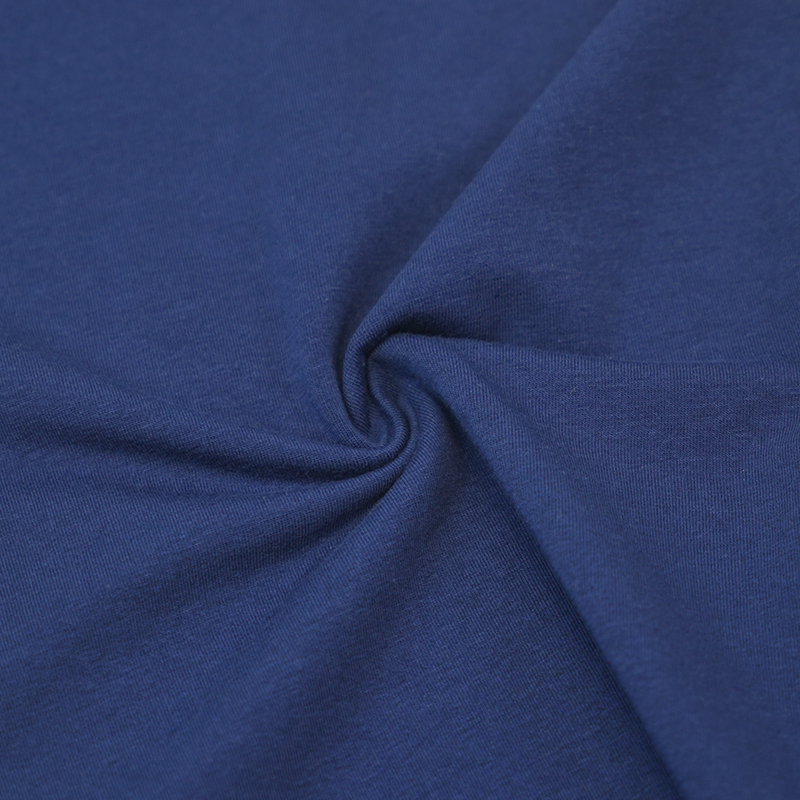
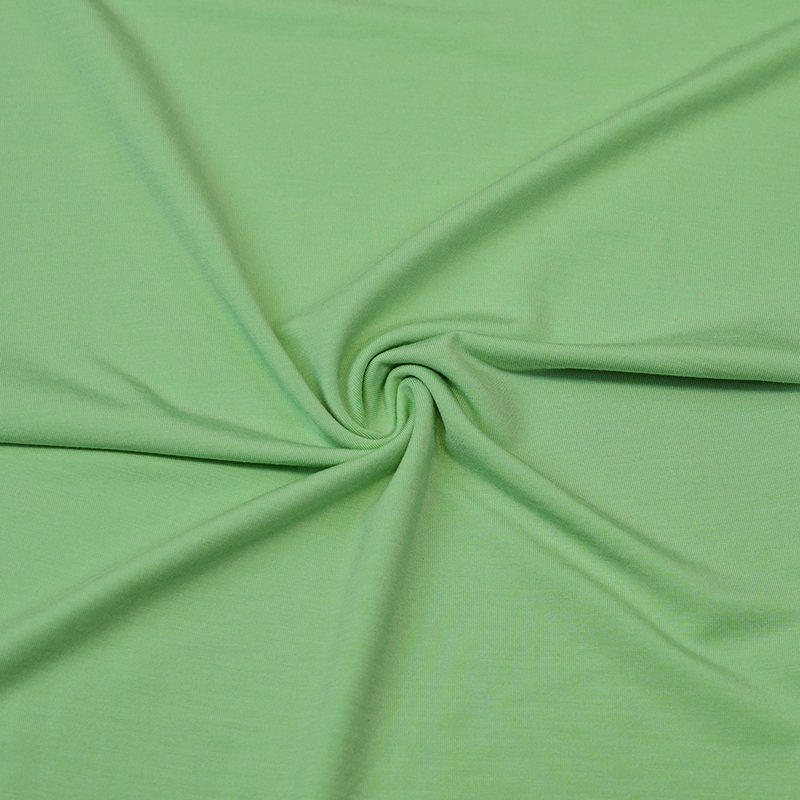
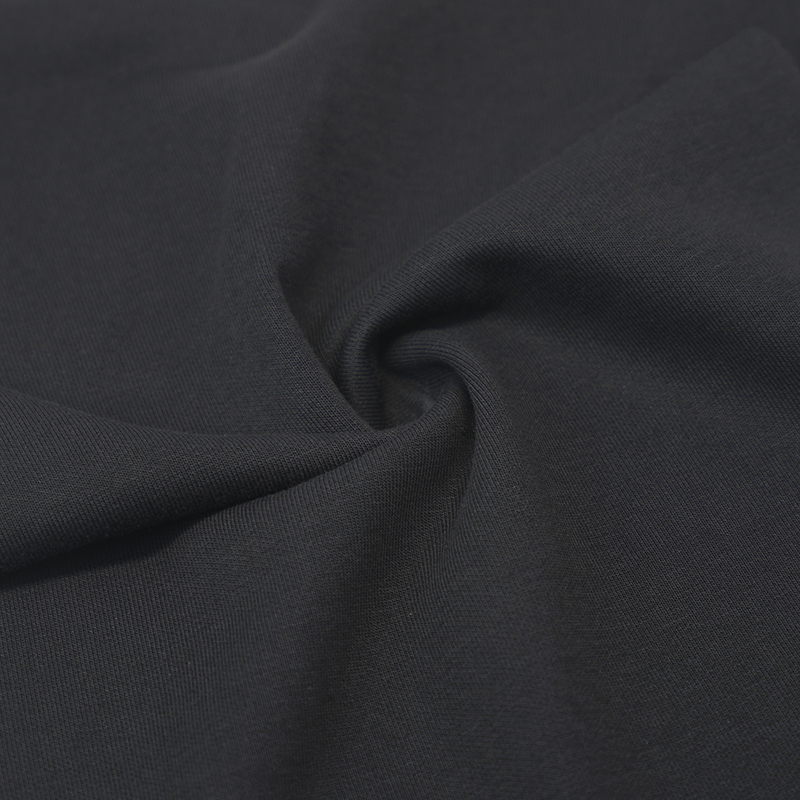
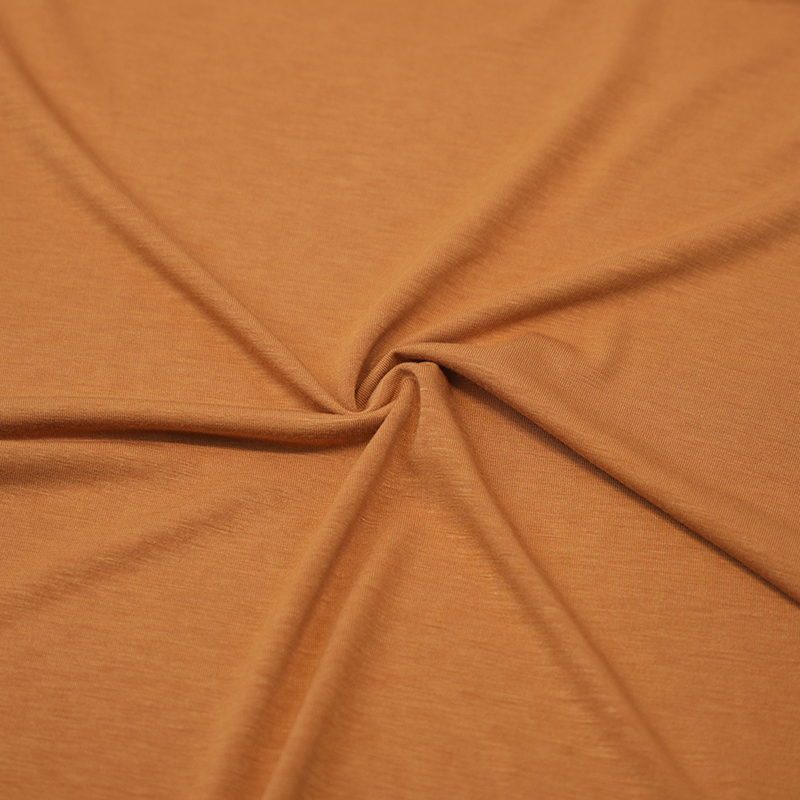
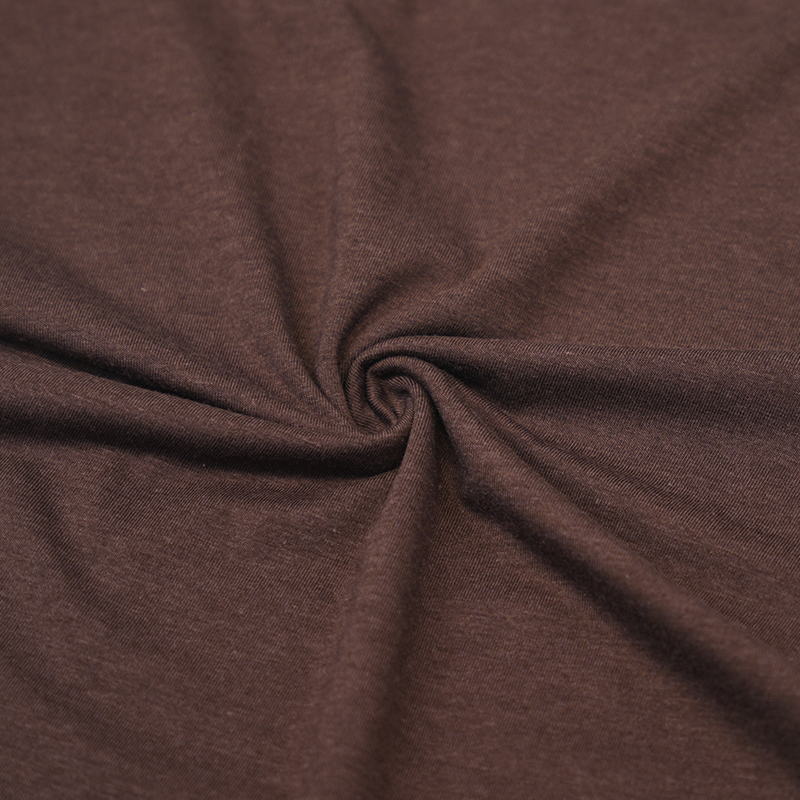
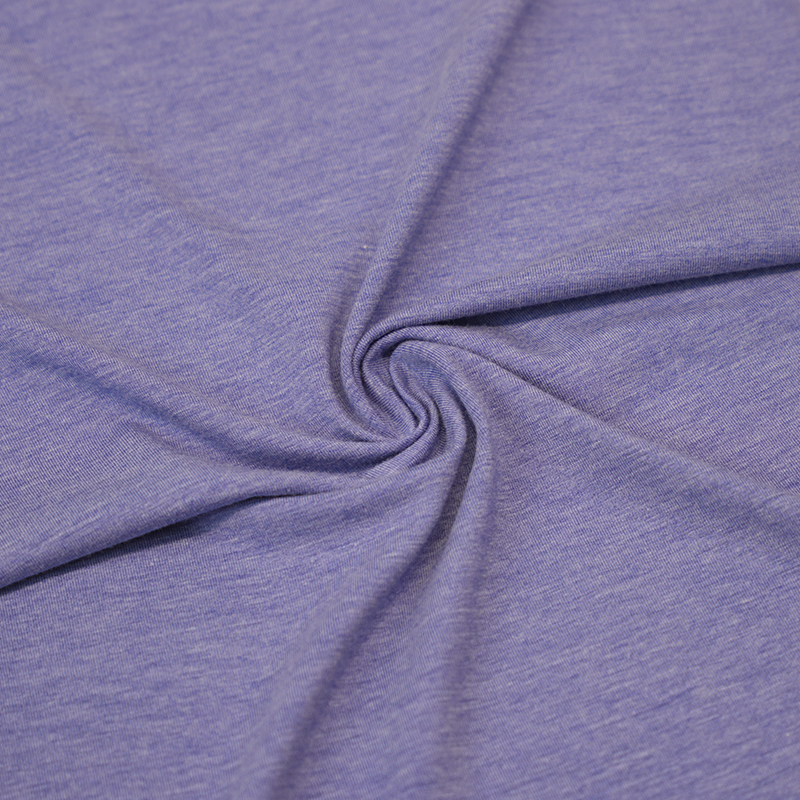
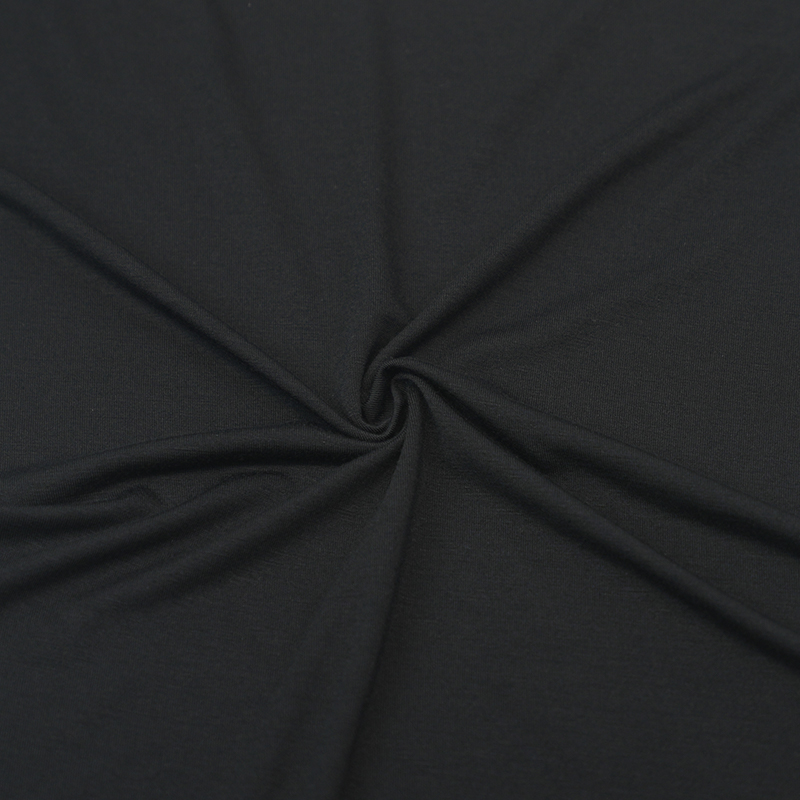
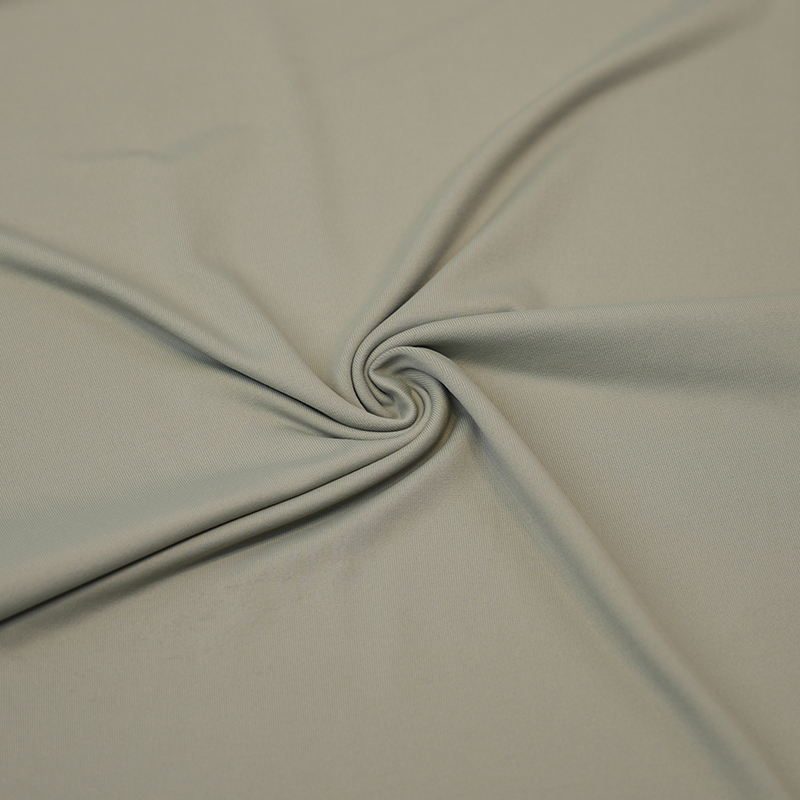
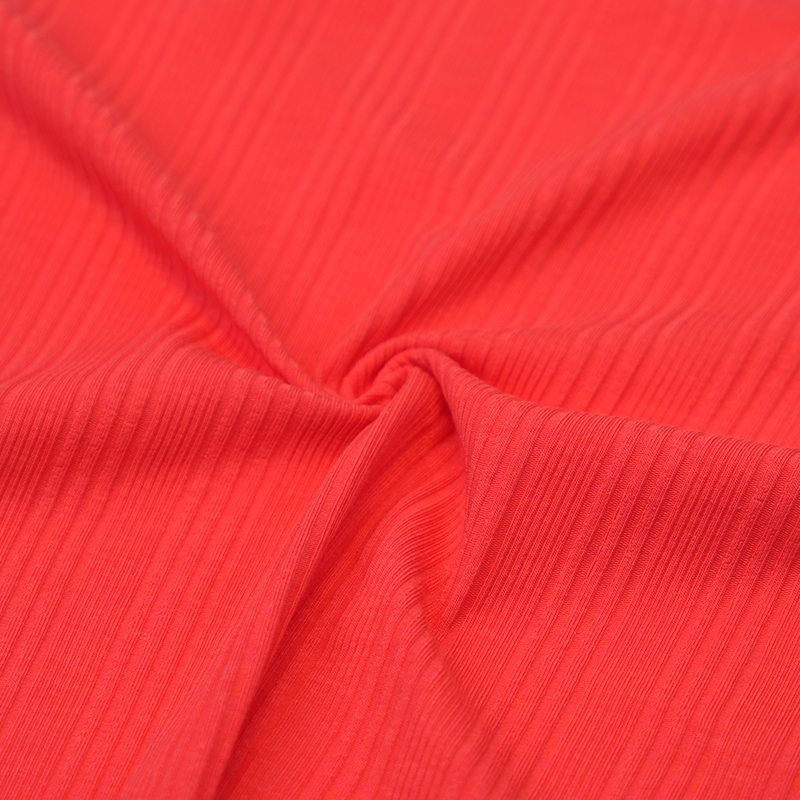
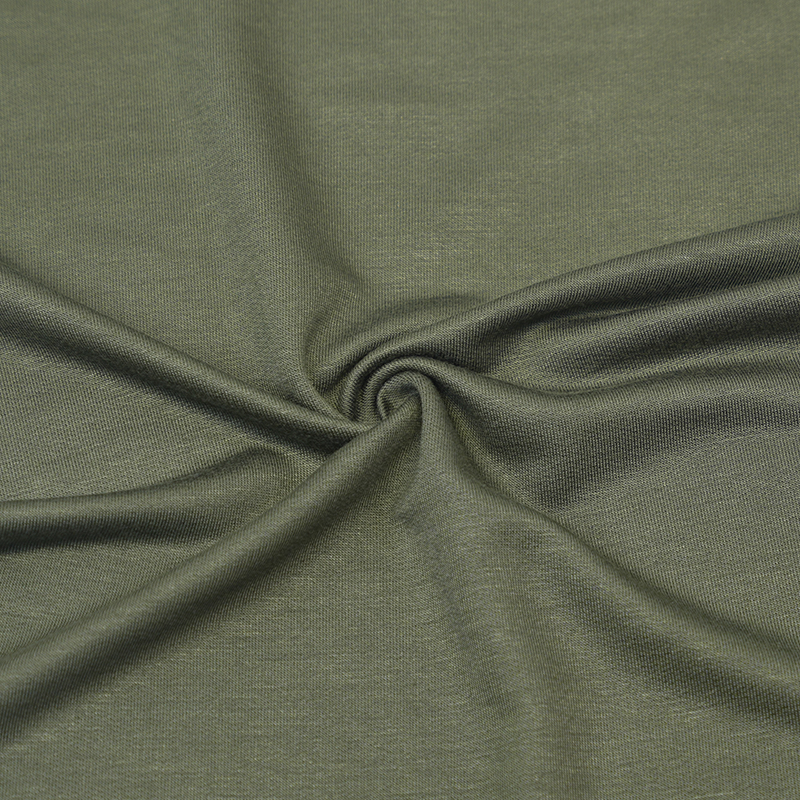
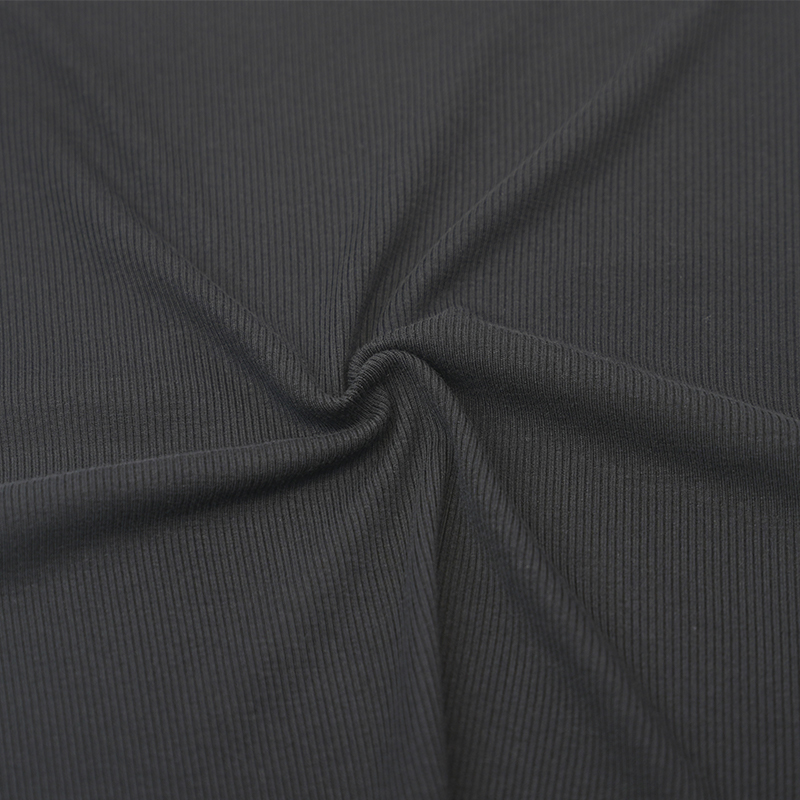
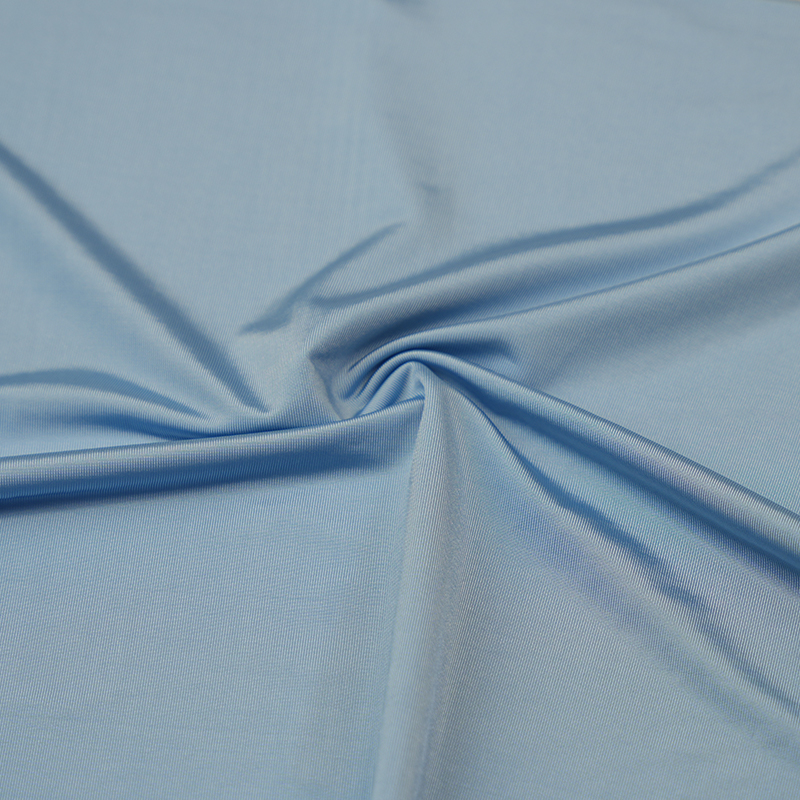
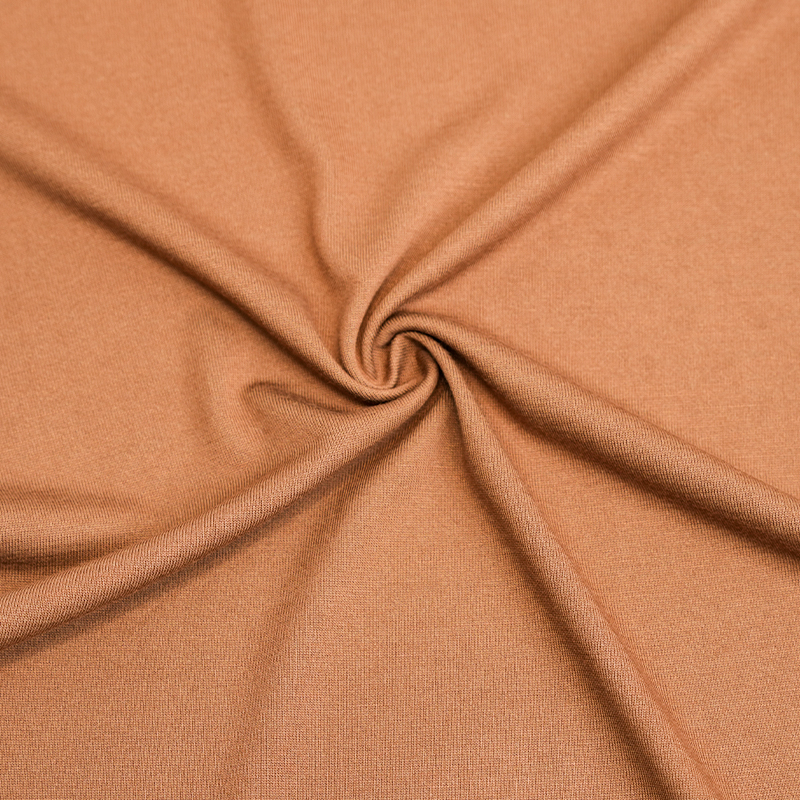
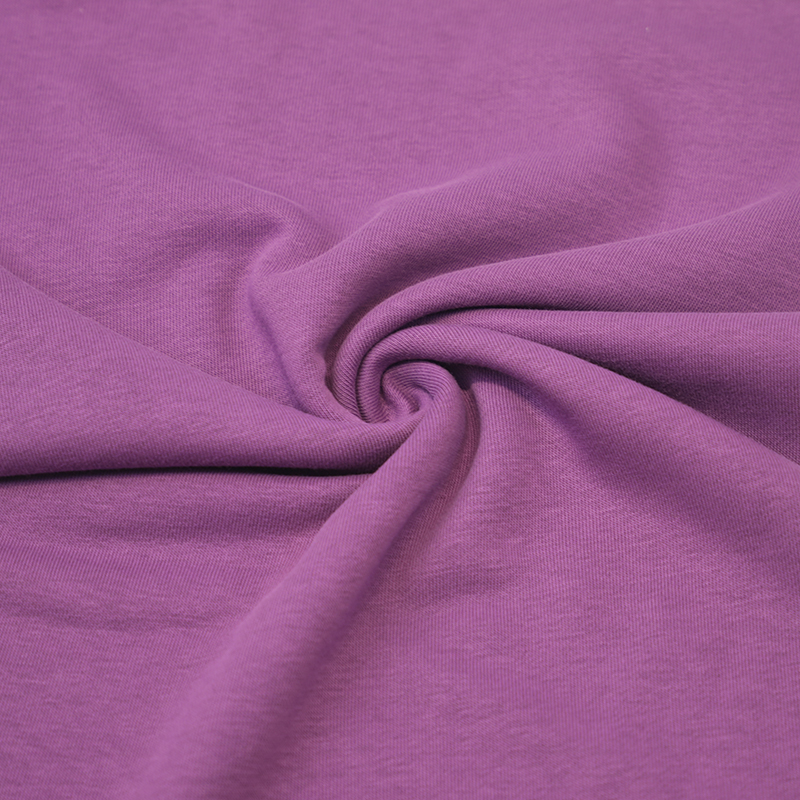
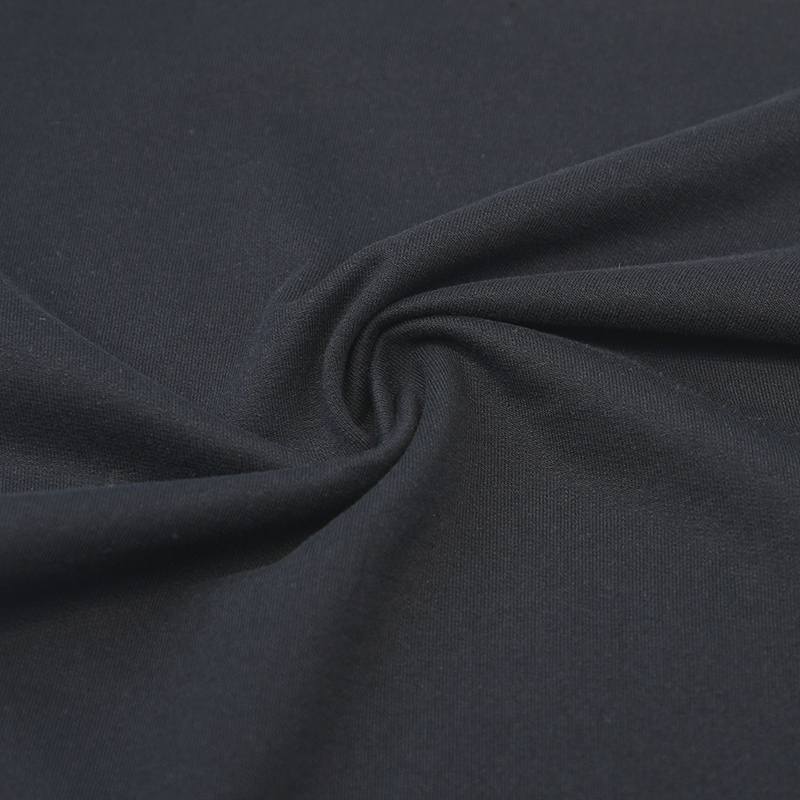
Here are some fabrics from our range that use the blends discussed above.
CVC stands for chief value cotton. It describes a cotton-polyester blend in which cotton is the majority fiber, often around 60 percent. The polyester adds stability and faster drying while the cotton keeps a natural feel.
CVC is cotton-majority and TC is polyester-majority. CVC feels closer to cotton and absorbs more moisture. TC is more stable and dries faster but feels more synthetic.
Modal-spandex is smoother, holds its shape well and looks more premium, but it costs more and is weaker when wet. Cotton-spandex is more economical and familiar. The better choice depends on your price tier and the hand feel you want to sell.
It depends on the goal. A small share adds stability and reduces shrinkage, while a larger share speeds drying and cuts cost but makes the fabric feel more synthetic. Many cotton-polyester knits sit in a range from roughly 35 to 50 percent polyester, and sampling will show where the feel is right for you.
Polyester reduces shrinkage because it does not swell in water, so cotton-polyester knits are usually more stable than 100 percent cotton. Cellulose fibers can still shrink, so pre-treatment and a wash test on your own spec remain worthwhile.
Yes. A bamboo viscose, polyester and spandex fabric is a common example. Each fiber has a job: viscose for softness, polyester for strength and speed, spandex for stretch. Specify all three percentages in your request so every sample is made to the same target.
Related Products
Contact Us for More Details
Don't hesitate to contact when you need us!
Contact Information
Add:
Room 806, Building D, Jingyang Plaza, Chongchuan District, Nantong City, Jiangsu Province, China
E-mail:
Product Category
QR Code
Join our community and stay connected
 English
 Español
 Tiếng Việt